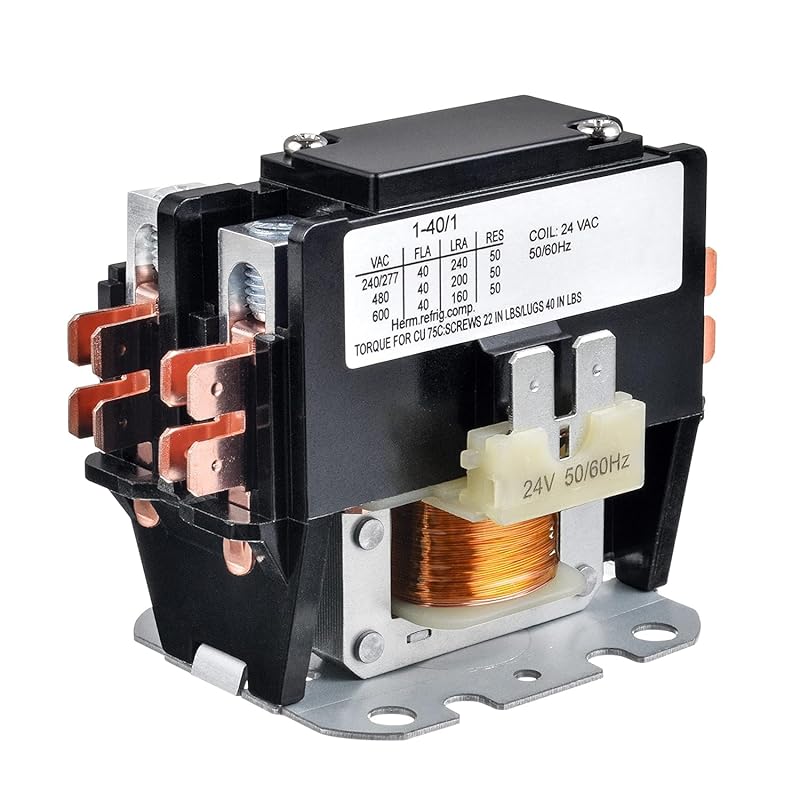
Carrier RV air conditioner fan motors are the heart of your unit’s cooling system, ensuring efficient airflow and temperature control on the road. These durable motors power the evaporator fan, helping distribute cool air evenly throughout your RV. Whether you’re boondocking or parked at a campsite, a well-functioning fan motor keeps your living space comfortable year-round.
Key Takeaways
- Essential Component: The fan motor drives the evaporator fan, which circulates cold air from the AC unit into your RV’s interior.
- Durability Matters: Carrier motors are built to withstand vibrations, temperature swings, and constant operation typical in RV environments.
- Energy Efficiency: Modern Carrier RV AC fan motors use advanced designs to reduce power consumption while maintaining strong airflow.
- Common Issues: Problems like overheating, unusual noises, or failure to start often point to a failing fan motor.
- Replacement Tips: Always match voltage, RPM, and physical dimensions when replacing a Carrier fan motor.
- Maintenance Saves Money: Regular cleaning and inspection can extend motor life and prevent costly repairs.
- Upgrade Options: Some aftermarket high-efficiency motors offer better performance than original units.
Quick Answers to Common Questions
What does the fan motor do in a Carrier RV AC unit?
The fan motor powers the evaporator fan, which draws warm air across cooling coils and circulates chilled air throughout the RV. It’s essential for both cooling and dehumidifying your living space.
How can I tell if my Carrier RV AC fan motor is failing?
Watch for unusual noises like grinding or buzzing, weak airflow, frequent cycling, burning smells, or complete failure to start. These are common signs of motor trouble.
Can I replace the fan motor myself?
Yes, if you’re comfortable with basic electrical work and have the right tools. Just ensure you match voltage, RPM, and physical specs. Otherwise, hire a professional to avoid safety risks.
How often should I maintain my RV AC fan motor?
At least once per year—clean the outdoor unit, check connections, and monitor for wear. More frequent checks are wise during long trips or hot seasons.
Are aftermarket fan motors better than Carrier originals?
Not necessarily. While some offer quiet operation or variable speeds, OEM parts guarantee compatibility and reliability. Choose based on your needs and consult an expert before upgrading.
📑 Table of Contents
- Understanding the Carrier RV Air Conditioner Fan Motor
- How the Carrier RV AC Fan Motor Works
- Signs Your Carrier RV AC Fan Motor Needs Attention
- Maintaining Your Carrier RV AC Fan Motor
- Replacing a Carrier RV AC Fan Motor: What You Need to Know
- Upgrading Beyond Stock Motors
- Environmental Impact and Energy Efficiency
- Conclusion: Keep Your RV Cool with Confidence
Understanding the Carrier RV Air Conditioner Fan Motor
If you’ve ever wondered what makes your RV’s air conditioning hum along smoothly during a summer heatwave—or why it suddenly stops blowing cold air—you’re not alone. At the core of every Carrier RV air conditioner is a small but mighty component: the fan motor. This unassuming piece of machinery plays a critical role in keeping your mobile home cool, dry, and comfortable. Without a properly functioning fan motor, even the most powerful AC unit can’t do its job.
Carrier has long been recognized as a leader in climate control technology, especially in the recreational vehicle market. Their air conditioners are known for reliability, efficiency, and durability—qualities that start with the design and build of the fan motor. In this article, we’ll explore everything you need to know about the Carrier RV air conditioner fan motor, from how it works to signs of wear, maintenance tips, and when it might be time to replace it.
Whether you’re a full-time RVer, a weekend adventurer, or someone who just wants peace of mind knowing your rig stays cool, understanding your fan motor is key. Let’s dive in.
How the Carrier RV AC Fan Motor Works

Visual guide about Carrier Rv Air Conditioner Fan Motor
Image source: bkimg.cdn.bcebos.com
The fan motor in a Carrier RV air conditioner is responsible for driving the evaporator fan, which pulls warm indoor air across the cold evaporator coils. As the air passes through these coils, it loses heat and gains moisture, then gets blown back into your RV as cool, dehumidified air.
Think of the fan motor as the lungs of your AC system. It doesn’t create the cold—that’s the compressor’s job—but without steady airflow, the entire cooling process grinds to a halt. The motor spins the fan blades at a consistent speed, ensuring even air distribution across vents and reducing hot spots in your living space.
Most Carrier RV AC units use a single-speed or dual-speed PSC (Permanent Split Capacitor) motor. These motors run continuously during cooling mode and are designed to operate efficiently under varying loads. They’re typically mounted directly to the condenser section of the unit and connect via wiring harnesses that include capacitors to help regulate startup torque and running performance.
One of the reasons Carrier motors stand out is their ability to handle the unique demands of RV life. RVs experience constant motion—bumpy roads, swaying frames, and temperature fluctuations—all of which place extra stress on mechanical components. Carrier engineers account for this by using reinforced housings, sealed bearings, and corrosion-resistant materials in their fan motor designs.
Key Functions of the Fan Motor
- Drives the Evaporator Fan: Spins the fan blades to pull warm air over the evaporator coils.
- Moves Cool Air: Blows conditioned air back into the RV through supply ducts.
- Supports Dehumidification: Helps condense moisture from the air during the cooling cycle.
- Maintains System Balance: Ensures proper airflow so the compressor isn’t overwhelmed or starved.
For example, if your fan motor slows down or fails mid-cycle, you might notice warm air blowing or ice forming on the outdoor unit—signs that airflow is restricted. That’s why keeping the motor in top shape is crucial for overall AC performance.
Signs Your Carrier RV AC Fan Motor Needs Attention
Visual guide about Carrier Rv Air Conditioner Fan Motor
Image source: news-pctr.c.yimg.jp
Like any mechanical part, fan motors don’t last forever—and sometimes they show clear warning signs before they quit completely. Recognizing these early can save you from sleepless nights in 90-degree weather or emergency roadside calls.
Here are some common indicators that your Carrier RV air conditioner fan motor may be struggling:
Unusual Noises
If you hear grinding, buzzing, or rattling coming from your AC unit, it could mean the motor bearings are wearing out or debris has gotten inside. A healthy motor runs quietly; anything louder than a soft hum suggests trouble.
Weak Airflow
Even if your AC is running, weak or inconsistent airflow from the vents might indicate a slipping belt (in older models) or a motor that’s losing power. Check if all vents blow air equally—if one side feels warmer, the fan might not be spinning fast enough.
Overheating
When the motor overheats, it often shuts off automatically as a safety measure. If your AC cycles on and off frequently without reaching target temperatures, the fan motor could be overworked or damaged.
Failure to Start
Sometimes the motor won’t spin at all. This could stem from electrical issues, a burnt-out capacitor, or internal motor failure. Try resetting the breaker first, but if the problem persists, inspect the motor connections and consider professional diagnosis.
Burning Smell
A faint burning odor near the outdoor unit usually means overheating insulation or a failing winding inside the motor. This is a serious red flag—address it immediately to avoid fire risk.
Regular listening and smelling go a long way toward catching problems early. Don’t wait until your RV turns into an oven on wheels.
Maintaining Your Carrier RV AC Fan Motor
Prevention is always better than cure—especially when you’re thousands of miles from a repair shop. With simple upkeep, you can keep your Carrier fan motor running smoothly for years.
Clean the Outdoor Unit Annually
Dust, leaves, and spiderwebs accumulate around the fan blades and motor housing. Use a soft brush or low-pressure air hose to gently clean the area. Blocked airflow forces the motor to work harder, shortening its lifespan.
Check Electrical Connections
Loose wires or corroded terminals can cause erratic performance or complete failure. Inspect the wiring harness near the motor monthly. Tighten any loose screws and apply dielectric grease to prevent future corrosion.
Lubricate Moving Parts (If Applicable)
Some older models have serviceable bearings that require periodic oiling. Refer to your owner’s manual—modern sealed motors rarely need lubrication.
Monitor Voltage Levels
Use a multimeter to check incoming voltage at the motor. Fluctuations due to undersized generators or poor shore power can strain the motor over time. Ideally, you should see between 110–125 volts for standard RV AC units.
By making maintenance a habit, you’ll avoid unexpected breakdowns and enjoy consistent comfort wherever your travels take you.
Replacing a Carrier RV AC Fan Motor: What You Need to Know
Eventually, even the best motor reaches the end of its life. When that happens, replacing it correctly is essential to restoring full functionality.
Match Specifications Carefully
Carrier uses specific motor models depending on the AC unit size (e.g., 13,500 BTU vs. 15,000 BTU). Pay close attention to:
- Voltage: Most RV units use 115V, but verify yours.
- RPM (Revolutions Per Minute): Must match the original for proper airflow.
- Shaft Size and Mounting Holes: Physical fit is critical.
Using an incompatible motor can lead to poor performance, overheating, or even damage to other components.
Consider OEM vs. Aftermarket
Original Equipment Manufacturer (OEM) parts from Carrier guarantee exact compatibility and warranty coverage. Aftermarket alternatives may be cheaper upfront but vary widely in quality. Read reviews and choose reputable brands.
DIY or Hire a Pro?
Replacing the fan motor requires disconnecting power, removing screws, and handling delicate wiring. If you’re comfortable with basic RV electrical work, DIY is possible—but if unsure, consult a certified technician. Incorrect installation can void warranties or create safety hazards.
Pro tip: Label wires before disconnecting them to simplify reassembly!
Upgrading Beyond Stock Motors
While stock Carrier fan motors are reliable, some RVers seek improved efficiency or quieter operation. High-performance aftermarket motors are available with features like:
- Variable-speed controllers for smarter energy use
- Quieter ball-bearing designs
- Enhanced thermal protection
However, upgrades should align with your AC unit’s capabilities. Forcing a higher-output motor into a system not designed for it can overload circuits or reduce compressor lifespan. Always consult an HVAC specialist before modifying your setup.
Environmental Impact and Energy Efficiency
Modern Carrier RV air conditioners—including their fan motors—are engineered with energy efficiency in mind. Efficient motors consume less power, which means:
- Longer battery life when boondocking
- Lower electricity bills at campgrounds
- Reduced carbon footprint
Many new models also feature smart thermostats and inverter-ready designs that work seamlessly with solar power systems—ideal for eco-conscious travelers.
Choosing energy-efficient components like upgraded fan motors isn’t just good for your wallet; it’s better for the planet too.
Conclusion: Keep Your RV Cool with Confidence
Your Carrier RV air conditioner fan motor may seem like a tiny part of a complex system, but its role is undeniably vital. From drawing in warm air to pushing out refreshingly cool gusts, this motor keeps your sanctuary comfortable no matter where the road takes you.
By staying alert to warning signs, performing routine maintenance, and making informed replacement decisions, you ensure your AC runs reliably season after season. Whether you’re upgrading for performance, preparing for extreme weather, or simply extending equipment life, understanding your fan motor empowers you to make smart choices.
Remember: a well-maintained Carrier RV AC fan motor isn’t just about comfort—it’s about freedom. Freedom to park under the stars, ride out storms, and enjoy every mile without sweating through your shirt. So give it the care it deserves, and let your adventures stay cool, calm, and collected.
Frequently Asked Questions
How long does a Carrier RV AC fan motor typically last?
With proper care, most Carrier fan motors last 8–12 years. Heavy use, poor maintenance, or environmental stressors can shorten this lifespan.
Can a bad fan motor damage other parts of the AC system?
Yes. Restricted airflow from a malfunctioning motor can cause the compressor to overwork, leading to premature wear or failure. It’s a ripple effect throughout the entire unit.
Do all Carrier RV AC units use the same type of fan motor?
No. Models vary by BTU rating and design. Always check your unit’s specifications before ordering a replacement motor.
Is it safe to run the AC without fixing a faulty fan motor?
No. Running the system with a failed motor risks overheating, freezing coils, or electrical fires. Address issues promptly.
Where can I buy a genuine Carrier RV AC fan motor?
Authorized dealers, Carrier service centers, or trusted online retailers like RV Parts Express or Amazon Business carry OEM parts. Verify authenticity before purchasing.
Will upgrading to a high-efficiency fan motor improve cooling speed?
It can enhance airflow consistency and energy use, but actual cooling speed depends on the entire AC system. Upgrades work best when matched to compatible hardware.