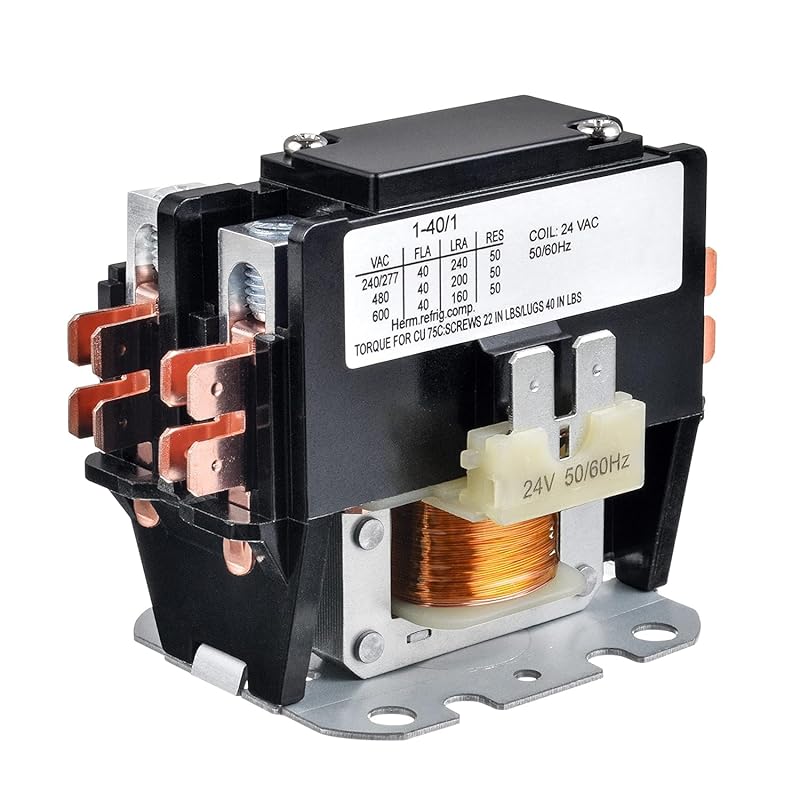
Keeping your Carrier air conditioner filter clean is essential for optimal performance, improved indoor air quality, and lower energy bills. A dirty filter can reduce airflow, strain your system, and spread dust and allergens. With simple monthly cleaning and timely replacements, you’ll enjoy a cooler home and a healthier living space.
Your Carrier air conditioner does more than just cool your home—it helps purify the air you breathe. But like any piece of machinery, it needs regular attention to keep running smoothly. One of the simplest yet most impactful tasks? Cleaning or replacing your air filter. This small component plays a huge role in your system’s efficiency, your comfort, and even your electricity bill.
Most homeowners overlook the filter until their AC starts making strange noises or their energy costs rise. Yet, a clean filter means better airflow, cleaner air, and a longer-lasting unit. In this guide, we’ll walk you through everything you need to know about Carrier air conditioner filter cleaning—from when to do it, how to do it safely, and why it matters so much.
Key Takeaways
- Clean filters improve airflow and efficiency: A clogged filter forces your Carrier AC to work harder, increasing energy use and wear.
- Regular cleaning prevents mold and bacteria growth: Dirty filters trap moisture and debris, creating ideal conditions for harmful microbes.
- Monthly checks are ideal for most homes: Check your filter every 30 days, especially during peak cooling seasons.
- Reusable filters can be cleaned, but paper ones must be replaced: Know the difference to avoid damaging your unit or voiding warranties.
- Use the right tools and techniques: Vacuum, mild soap, and warm water are safe for most reusable filters.
- Professional maintenance complements DIY care: Schedule annual inspections to catch issues early.
- Cleaning extends your system’s lifespan: Routine filter care reduces stress on motors, coils, and compressors.
Quick Answers to Common Questions
Can I clean a paper air filter from my Carrier AC?
No, paper filters are disposable and should never be washed or reused. Attempting to clean them damages the fibers and reduces effectiveness. Always replace paper filters when dirty.
How often should I replace my Carrier AC filter?
Replace disposable filters every 30–90 days depending on household factors like pets or allergies. Reusable filters can be cleaned monthly but inspected closely for wear.
Will a dirty filter increase my electric bill?
Yes. A clogged filter restricts airflow, forcing your Carrier AC to work harder and consume more energy. Regular cleaning helps maintain efficiency and lowers costs.
Where is the filter located on a Carrier central air system?
Most are found behind the return-air grille, typically near the furnace or air handler. Consult your manual for exact location based on your model.
Can I use bleach to clean a reusable Carrier filter?
No. Harsh chemicals like bleach break down filter materials and leave harmful residues. Use only mild soap and lukewarm water for safe cleaning.
📑 Table of Contents
- Why Filter Cleaning Matters for Your Carrier AC
- How Often Should You Clean Your Carrier Air Conditioner Filter?
- Types of Carrier Air Conditioner Filters
- Step-by-Step Guide to Cleaning Your Carrier Air Conditioner Filter
- Common Mistakes to Avoid When Cleaning Carrier Filters
- When to Call a Professional Instead of DIY Cleaning
- Upgrading Your Carrier AC Filter for Better Performance
- Seasonal Tips for Carrier AC Maintenance
- Environmental and Health Benefits of Clean Filters
- Final Thoughts: Make Filter Care a Habit
Why Filter Cleaning Matters for Your Carrier AC
The air filter inside your Carrier air conditioner acts as the first line of defense against dust, pet dander, pollen, and other airborne particles. As your AC runs, it pulls air from your home through the return vent, past the filter, and into the system. The filter traps contaminants before they reach your ducts and blower motor.
Over time, this filter becomes clogged. When that happens, your AC struggles to pull air in. It works harder, uses more electricity, and may even shut down to prevent overheating. Worse, dirty filters can allow pollutants to bypass the filtration system, reducing indoor air quality and potentially triggering allergies or asthma.
For Carrier owners, maintaining a clean filter isn’t optional—it’s part of proper system upkeep. Carrier recommends checking filters monthly during heavy use and cleaning or replacing them as needed. Doing so ensures your system operates at peak efficiency and aligns with warranty requirements.
How Often Should You Clean Your Carrier Air Conditioner Filter?
Visual guide about Carrier Air Conditioner Filter Cleaning
Image source: jaist.ac.jp
Timing is everything when it comes to filter maintenance. Too infrequent, and you risk system damage. Too frequent, and you might waste time—or accidentally damage a reusable filter.
General Guidelines by Household Type
– Normal households (1–2 people): Check and clean or replace every 30 days.
– Families with pets: Every 2–3 weeks due to higher dander and fur accumulation.
– Smokers in the home: Every 2–3 weeks—residue clogs filters faster.
– People with allergies or asthma: Consider upgrading to a high-efficiency filter and checking weekly.
During summer months, when your Carrier AC runs nearly nonstop, monthly checks are ideal. In milder seasons, you can stretch it to every 60 days—but don’t skip it entirely.
Signs It’s Time to Clean or Replace
Even if it’s not due for a check-up, pay attention to these warning signs:
– Your AC runs constantly but doesn’t cool effectively.
– You notice dust buildup around vents or on furniture.
– The air smells stale or musty.
– Your energy bill spikes unexpectedly.
– The filter looks visibly dirty (dark gray or black).
If you see any of these, inspect your filter immediately. Don’t wait for your next scheduled cleaning.
Types of Carrier Air Conditioner Filters
Visual guide about Carrier Air Conditioner Filter Cleaning
Image source: posbaidu.com
Not all filters are created equal. Understanding the type in your Carrier unit helps you clean or replace it correctly.
Fiberglass Filters
These are the most common disposable filters. They’re thin, inexpensive, and meant to be replaced every 30–90 days. While effective at catching larger particles, they offer minimal protection against smaller allergens. Always replace—never clean—fiberglass filters.
Pleated Paper Filters
More efficient than fiberglass, pleated filters have a larger surface area to trap finer particles. They’re also disposable and should be replaced every 60–90 days. Again, never wash or reuse paper filters.
Washable Reusable Filters
Made from mesh or synthetic materials, these filters can be rinsed and reused. They’re eco-friendly and save money over time—but require proper cleaning to function well. Follow your Carrier manual for specific care instructions.
High-Efficiency Particulate Air (HEPA) Filters
Rare in residential Carrier units but available as upgrades, HEPA filters capture 99.97% of particles as small as 0.3 microns. Ideal for severe allergies, but they restrict airflow significantly. Only use if your Carrier model supports them, and ensure your system isn’t underpowered for the added resistance.
Electrostatic Filters
Often washable, these use static electricity to attract and trap particles. Some models are washable; others are disposable. Check the label or manual to determine cleaning method.
Step-by-Step Guide to Cleaning Your Carrier Air Conditioner Filter
Ready to get hands-on? Here’s how to clean your Carrier AC filter safely and effectively.
Step 1: Turn Off the Power
Safety first! Locate your thermostat or circuit breaker and turn off power to the AC unit. For window or portable units, unplug them. This prevents accidental startup and protects you from electrical shock.
Step 2: Locate the Filter
Most Carrier central air systems have filters behind a return-air grille, usually in the furnace or air handler. Window units have filters accessible from the front or side. Look for a removable panel or slot labeled “Filter Access.”
Step 3: Remove the Filter Carefully
Slide out the filter gently. Note its orientation—most filters have arrows indicating airflow direction. If it’s a reusable filter, take a photo before removal to help reinstall it correctly.
Step 4: Inspect the Filter
Check for visible dirt, mold spots, or physical damage. If it’s paper-based and torn, replace it immediately. For reusable filters, proceed to cleaning.
Step 5: Clean the Reusable Filter
– Use a vacuum with a brush attachment to remove loose debris.
– Rinse under lukewarm water using mild dish soap.
– Avoid hot water—it can warp the material.
– Let it air dry completely (overnight) before reinstalling.
– Never install a damp filter—it promotes mold growth.
Step 6: Reinstall or Replace
Once dry, slide the filter back into place, matching the airflow arrow to the direction of the ductwork. For disposable filters, insert a new one with the same orientation. Close the access panel and restore power.
Step 7: Test the System
Turn the AC back on and listen for unusual noises. Ensure cool air flows steadily. If performance seems off, double-check the filter installation.
Common Mistakes to Avoid When Cleaning Carrier Filters
Even experienced DIYers make errors. Steer clear of these pitfalls:
– Using harsh chemicals: Bleach or strong detergents can degrade filter materials and leave toxic residues.
– Skipping the vacuum step: Loose dust must be removed before washing to prevent clogging drains or spreading mold spores.
– Installing wet filters: Always ensure complete drying—moisture invites bacterial growth.
– Reusing paper filters: They’re designed for single use. Washing ruins their structure and effectiveness.
– Ignoring manufacturer guidelines: Some Carrier models have specific filter types or spacing requirements. Always consult your user manual.
When to Call a Professional Instead of DIY Cleaning
While basic filter maintenance is DIY-friendly, certain situations call for expert help:
– Your Carrier unit is older than 10 years and showing signs of inefficiency.
– You smell burning or chemical odors near the AC.
– The system frequently cycles on and off (short cycling).
– You’re installing a high-efficiency or HEPA filter for the first time.
– You suspect mold growth inside the ductwork or air handler.
A licensed HVAC technician can perform a full diagnostic, clean internal components like coils and drain lines, and verify refrigerant levels. They’ll also advise on filter upgrades suited to your home’s needs.
Upgrading Your Carrier AC Filter for Better Performance
Sometimes, cleaning isn’t enough. Upgrading your filter can boost air quality and system performance.
MERV Ratings Explained
MERV (Minimum Efficiency Reporting Value) rates filter effectiveness from 1 to 20+. Higher numbers mean better particle capture.
– MERV 8–12: Good for homes with pets or allergies.
– MERV 13+: Excellent for smoke, mold spores, and fine particulates.
– MERV 17–20: HEPA-level efficiency—only compatible with high-capacity systems.
Before upgrading, confirm your Carrier model supports higher MERV ratings. Low-end units may restrict airflow too much and trigger error codes.
Benefits of High-MERV Filters
– Reduced allergens and irritants indoors.
– Fewer trips to the doctor for respiratory issues.
– Potential insurance discounts for allergy-sensitive households.
Just remember: more filtration = more resistance. Balance air quality with system compatibility.
Seasonal Tips for Carrier AC Maintenance
Make filter cleaning part of your routine.
Spring Preparation
– Clean or replace filters before the cooling season begins.
– Vacuum the outdoor condenser coil to remove leaves and debris.
– Check thermostat batteries and settings.
Summer Habits
– Set a calendar reminder for monthly checks.
– Keep pets away from vents to reduce fur buildup.
– Monitor energy usage—drops indicate a clogged filter.
Fall and Winter
– Switch to a low-flow filter if your Carrier runs occasionally for dehumidification.
– Store spare filters in sealed bags to prevent moisture absorption.
Year-Round Reminders
– Keep a supply of replacement filters handy.
– Label filters with dates so you track usage.
– Teach family members how to check the filter.
Environmental and Health Benefits of Clean Filters
Beyond energy savings, clean Carrier filters contribute to a healthier planet and home.
– Reduced Carbon Footprint: Efficient ACs consume less electricity, lowering greenhouse gas emissions.
– Better Indoor Air Quality: Fewer allergens mean fewer headaches, congestion, and asthma attacks.
– Longer Equipment Life: Less strain on motors and compressors reduces landfill waste from premature replacements.
By choosing reusable or high-efficiency filters and cleaning them properly, you support both personal health and environmental sustainability.
Final Thoughts: Make Filter Care a Habit
Cleaning your Carrier air conditioner filter is one of the easiest ways to protect your investment and your health. It takes just minutes each month but delivers lasting rewards—cooler rooms, lower bills, and cleaner air.
Don’t wait for problems to appear. Set a recurring reminder, stock up on supplies, and treat filter care like brushing your teeth: small effort, big payoff. And remember, when in doubt, consult your Carrier owner’s manual or contact a certified technician.
With consistent attention, your AC will run smoother, last longer, and keep your home comfortable all season long.
Frequently Asked Questions
===
How do I know if my Carrier AC filter is clogged?
Look for reduced airflow, increased humidity, or a dusty appearance around vents. If your system runs constantly without cooling effectively, the filter is likely dirty.
Can I vacuum my Carrier AC filter instead of washing it?
Yes, but only for reusable filters. Light vacuuming removes surface dust, but thorough rinsing is needed to eliminate embedded particles and prevent mold.
What happens if I forget to clean my Carrier AC filter?
Your system will lose efficiency, energy bills will rise, and indoor air quality will decline. Over time, dirt buildup can damage blower motors or trigger safety shutoffs.
Are all Carrier AC filters the same size?
No. Filter dimensions vary by model and region. Always measure your existing filter or refer to your Carrier manual to order the correct replacement.
Can a dirty filter cause my Carrier AC to freeze?
Yes. Restricted airflow prevents proper heat exchange, causing evaporator coils to drop below freezing temperature and form ice.
Is it okay to run my Carrier AC without a filter?
Never. Running without a filter allows debris to enter the system, potentially damaging components and spreading contaminants throughout your home.