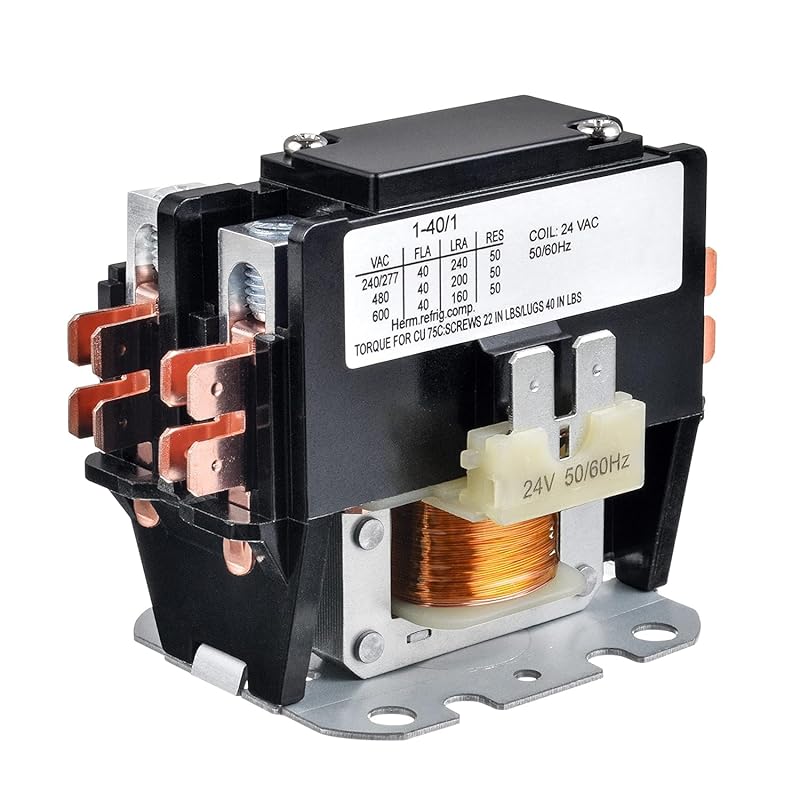
Carrier air conditioner fan coil units are compact, energy-efficient components that play a vital role in modern HVAC systems by circulating cool or warm air throughout your space. Whether used in homes or large buildings, these units offer quiet operation, easy installation, and customizable comfort settings. Designed for both new constructions and retrofits, they help reduce energy costs while maintaining consistent indoor temperatures.
Carrier air conditioner fan coil units represent one of the most elegant solutions in modern heating, ventilation, and air conditioning (HVAC) design. These sleek, self-contained units blend into building architecture while quietly delivering powerful climate control. From luxury condos to bustling office towers, Carrier’s fan coil systems have become go-to choices for engineers and property managers who value efficiency, reliability, and style. What makes these units special is their ability to work seamlessly with central chillers or boilers—delivering conditioned air right where it’s needed, without the bulk of traditional ductwork.
Imagine walking into a hotel room and feeling instantly comfortable—cool air gently blowing from a discreet vent above. That comfort comes from a Carrier fan coil unit tucked behind the ceiling panel, quietly working its magic. It doesn’t roar like an old window AC; instead, it hums softly, blending into the background until you realize just how important it is. These units are the unsung heroes of indoor climate control, especially in multi-zone environments where flexibility and precision matter most.
In this article, we’ll walk through everything you need to know about Carrier air conditioner fan coil units: how they work, why they’re so popular, what sets them apart from competitors, and how to choose and maintain one for your space. Whether you’re renovating an old building or designing a new eco-friendly office, understanding these units will help you make smarter HVAC decisions.
Key Takeaways
- Efficient Cooling & Heating: Fan coil units work with central HVAC systems to provide precise temperature control using refrigerant coils and fans.
- Compact & Flexible Design: Ideal for tight spaces, they can be installed in ceilings, walls, or under windows, making them perfect for retrofits and small buildings.
- Energy Efficiency: Modern Carrier models include variable-speed motors and smart controls to reduce power consumption and lower utility bills.
- Quiet Operation: Advanced noise-reduction technologies ensure minimal sound output, even during continuous use.
- Easy Maintenance: With accessible filters and modular components, routine cleaning and servicing keep performance high and extend lifespan.
- Customizable Comfort: Thermostats and zoning options allow different areas of a building to maintain individual temperatures for personalized comfort.
- Reliable Brand Performance: As a trusted name in HVAC, Carrier ensures durability, innovation, and long-term support across all fan coil unit models.
Quick Answers to Common Questions
What is a Carrier air conditioner fan coil unit used for?
A Carrier air conditioner fan coil unit regulates indoor temperature by circulating cooled or heated air within a room, typically connected to a central HVAC system. It’s ideal for providing localized climate control in hotels, offices, and homes.
How does a fan coil unit differ from a regular air conditioner?
Unlike standalone AC units, a Carrier fan coil relies on chilled water or steam from a central plant rather than an internal compressor. This makes it quieter, more energy-efficient, and better suited for large or multi-zone buildings.
Can I install a Carrier fan coil unit myself?
No, installation should always be done by a licensed HVAC professional to ensure safety, proper refrigerant handling, and warranty compliance. DIY attempts risk system damage or void coverage.
Are Carrier fan coil units energy efficient?
Yes, especially models with variable-speed fans and smart controls. They avoid duct losses and only operate when needed, leading to significant energy savings compared to traditional forced-air systems.
How often should I service my fan coil unit?
Plan annual professional maintenance and check air filters monthly. Routine cleaning and inspection prevent inefficiencies, extend lifespan, and maintain indoor air quality.
📑 Table of Contents
What Is a Carrier Air Conditioner Fan Coil Unit?
At its core, a Carrier air conditioner fan coil unit is a compact device that combines a fan, evaporator coil, and often a heating element into a single package. Unlike portable air conditioners, which cool air locally, fan coil units connect to a central system—like a chiller or boiler—that provides cold or hot water through piping. The unit then circulates this conditioned air into the room via a fan and vents.
Think of it as a bridge between the central HVAC plant and the individual rooms. While the main chiller or heat source does the heavy lifting at scale, each fan coil unit handles localized temperature regulation. This setup allows for better energy management and more precise control over comfort levels.
Carrier, a leader in the HVAC industry since 1902, has perfected the design of these units with attention to detail, efficiency, and user experience. Their fan coil lines—ranging from basic models for apartments to high-capacity units for data centers—are engineered to meet diverse needs without compromising on performance.
How Do Fan Coil Units Work?
The process starts when warm indoor air is drawn into the unit through return grilles. A fan pushes this air across the evaporator coil, which is filled with cold refrigerant from the central chiller. As air passes over the cold coil, moisture condenses and is drained away, cooling the air significantly.
For heating, hot water flows through a separate coil inside the unit. The fan blows air across this warm coil, reheating the space efficiently. Some advanced models also support electric resistance heating as a backup.
All this happens automatically based on thermostat input. When the room gets too warm, the system kicks in; when it’s cool enough, it cycles off. Modern Carrier units often include variable-speed fans and smart sensors to fine-tune airflow and avoid drafts or temperature swings.
Types of Carrier Fan Coil Units
Visual guide about Carrier Air Conditioner Fan Coil Unit
Image source: mag.weekend-model.com
Not all fan coil units are built the same. Carrier offers several types, each suited to different applications, building layouts, and aesthetic preferences. Choosing the right one depends on your space size, installation constraints, and desired level of control.
Ceiling-Mounted Fan Coils
These are the most common type, installed directly in drop ceilings. They feature slim profiles that disappear into the ceiling cavity, leaving only a decorative grille visible. Ideal for hotels, offices, and retail spaces, they deliver quiet, even airflow without taking up floor space.
Carrier’s ceiling-mounted units come in two configurations: concealed (fully hidden except for grilles) and exposed (with visible panels for easier access). The concealed type is favored for modern interiors, while exposed models are better for maintenance-heavy environments.
Wall-Mounted Fan Coils
Perfect for smaller rooms or retrofit projects where ceiling space is limited, wall-mounted units install neatly beside doors or windows. They’re especially useful in older buildings that lack drop ceilings but still want central HVAC benefits.
These units typically have a slightly larger footprint than ceiling models but offer directional airflow control. Many include remote controls or wall-mounted thermostats for added convenience.
Chilled Water vs. Direct Expansion (DX) Models
While most Carrier fan coils use chilled water for cooling, some DX models rely on refrigerant lines connected to an outdoor condenser. Chilled water systems are quieter and more energy-efficient for large-scale applications, whereas DX units are simpler to install and better suited for smaller spaces.
For commercial buildings with centralized cooling plants, Carrier’s chilled water fan coils are the gold standard. For single-family homes or lightweight commercial use, DX variants may be a better fit.
Rooftop and Outdoor Enclosures
In extreme climates or industrial settings, Carrier offers weather-resistant fan coils designed for outdoor enclosures or rooftops. These units withstand rain, snow, and temperature fluctuations while maintaining peak performance.
They’re commonly used in hospitals, manufacturing plants, and large warehouses where internal space is at a premium.
Benefits of Using Carrier Fan Coil Units
Visual guide about Carrier Air Conditioner Fan Coil Unit
Image source: images.timesnowhindi.com
So why do architects, contractors, and facility managers keep choosing Carrier? The answer lies in a combination of performance, innovation, and practicality.
Energy Efficiency and Cost Savings
One of the biggest advantages of fan coil systems is their ability to operate only when needed. Since each unit responds to local demand, there’s no wasted energy heating or cooling empty zones. Carrier integrates variable-speed compressors and intelligent controls to further reduce energy use.
According to Carrier, many of their fan coil installations result in 20–30% lower energy bills compared to traditional ducted systems. Plus, because they avoid the thermal losses associated with long duct runs, they’re inherently more efficient.
Quiet Operation
Noise pollution in offices, schools, and healthcare facilities is a serious concern. Carrier addresses this with acoustic insulation, vibration-dampening mounts, and specially designed fan blades that minimize turbulence.
Even at full speed, most Carrier fan coils operate below 45 decibels—about as loud as a refrigerator. That means employees can focus, patients can rest, and students can study without distraction.
Flexibility and Scalability
Fan coil units shine when it comes to adapting to changing needs. Need to add a new wing to a hospital? Install another unit. Want to convert a retail space into offices? Swap out the grille and adjust the thermostat. This modularity makes fan coil systems ideal for growing businesses and evolving buildings.
Carrier also supports zoning, allowing different areas of a building to run independently. One zone might stay cooler during a server room heat spike, while another maintains standard office temps.
Aesthetic Integration
Unlike bulky window units or noisy rooftop condensers, Carrier fan coils are designed to disappear into the background. Sleek grilles, customizable finishes, and low-profile designs let them complement any interior style—from minimalist lofts to classic lobbies.
This visual appeal is especially important in hospitality and high-end residential projects where appearance influences guest satisfaction and resale value.
Low Maintenance Requirements
Thanks to robust construction and easy-access panels, Carrier fan coils require minimal upkeep. Most models feature washable or replaceable air filters that trap dust, pollen, and allergens. Annual professional inspections and filter changes are usually sufficient to keep everything running smoothly.
Some advanced units even include self-diagnostic systems that alert technicians to potential issues before they become major problems.
Installation and Maintenance Tips
Proper installation and ongoing care are essential to maximizing the lifespan and efficiency of your Carrier fan coil unit. While professional HVAC technicians should handle the initial setup, homeowners and facility managers can take steps to support long-term performance.
Professional Installation Is Key
Never attempt to install a fan coil unit yourself unless you’re a licensed HVAC contractor. Improper mounting, refrigerant handling, or electrical connections can lead to leaks, inefficiencies, or safety hazards.
When hiring a technician, ask about Carrier-certified installers. They’ll ensure proper alignment, secure wiring, and correct refrigerant charge—critical factors for reliable operation.
Choose the Right Location
Positioning affects airflow, noise, and serviceability. Avoid placing units near direct sunlight, heat-generating appliances, or foot traffic areas. Ensure clear space around intake and exhaust vents for optimal circulation.
For ceiling models, leave at least 6 inches of clearance above the unit for maintenance access. Wall-mounted units should be mounted at eye level for easy thermostat reach.
Regular Filter Cleaning
Clogged filters restrict airflow, forcing the fan to work harder and increasing energy use. Check filters monthly during peak seasons and clean or replace them as needed. Most Carrier units use standard 1-inch pleated filters that snap in easily.
If you have allergies or pets, consider upgrading to HEPA filters for better air quality.
Annual Professional Servicing
Schedule yearly inspections with a Carrier-authorized service provider. Technicians will:
– Inspect and clean coils
– Lubricate moving parts
– Test refrigerant levels
– Calibrate thermostats
– Check electrical connections
This proactive approach prevents breakdowns and keeps warranties valid.
Monitor Performance Indicators
Pay attention to signs of trouble: unusual noises, reduced airflow, warm air blowing, or frequent cycling. These could indicate dirty coils, failing motors, or thermostat issues. Addressing problems early saves money and avoids discomfort.
Applications of Carrier Fan Coil Units
Carrier fan coils aren’t just for showrooms—they’re battle-tested in real-world environments across industries.
Hotels and Hospitality
From boutique inns to luxury resorts, hotels rely on Carrier fan coils for consistent comfort across hundreds of rooms. Each unit can be zoned individually, so guests enjoy tailored temperatures without disturbing others. Plus, the quiet operation ensures peaceful nights for visitors.
Many high-end properties also use fan coils for supplemental cooling in ballrooms or conference centers, where ductwork would be impractical.
Healthcare Facilities
Hospitals and clinics demand sterile, temperature-controlled environments. Carrier fan coils meet strict hygiene standards with antimicrobial coatings and easy-clean surfaces. They also support humidity control—crucial for patient recovery and equipment protection.
Pediatric wards and ICUs often benefit from whisper-quiet operation, reducing stress for young patients and staff.
Educational Institutions
Schools, colleges, and libraries use fan coils to maintain stable temperatures in classrooms and study halls. Their scalability allows administrators to expand cooling capacity as enrollment grows.
In science labs or computer rooms, precise temperature control protects sensitive equipment from overheating.
Office Buildings and Retail Spaces
Modern open-plan offices favor fan coil systems because they eliminate bulky ducts and allow flexible furniture layouts. Retail stores appreciate the ability to create microclimates—keeping fitting rooms cooler than display areas.
During holiday seasons, temporary units can be added without structural changes.
Residential Use
While less common than split systems, fan coils are gaining popularity in upscale homes and multi-unit dwellings. They’re ideal for basements, attics, or bonus rooms where duct routing is difficult.
Smart home integration lets homeowners control individual units via apps or voice assistants.
Choosing the Right Carrier Fan Coil Unit
With so many options available, selecting the best model requires balancing performance, cost, and compatibility.
Assess Your Space Needs
Start by calculating the square footage of the area you want to cool or heat. Carrier provides detailed load calculation tools based on insulation, window orientation, and occupancy levels. Oversizing leads to short cycling and inefficiency; undersizing results in poor comfort.
Consult an HVAC professional to get accurate BTU (British Thermal Unit) requirements.
Consider Noise Levels
If low noise is a priority—say, in a home theater or library—look for models rated below 40 dB. Carrier’s UltraQuiet series uses dual-fan designs and sound blankets to achieve near-silent operation.
Check decibel ratings in product specs and read customer reviews for real-world feedback.
Evaluate Energy Star Ratings
Energy Star-certified Carrier fan coils meet strict efficiency guidelines set by the EPA. These models often include features like inverter-driven fans, programmable timers, and eco-mode settings.
While they may cost more upfront, Energy Star units pay for themselves through lower utility bills over time.
Check Compatibility with Central Systems
Ensure your chosen unit works with your existing chiller, boiler, or refrigerant lines. Carrier publishes compatibility charts for their entire product line, helping contractors match components correctly.
Mixing incompatible parts voids warranties and risks system damage.
Factor in Warranty and Support
Carrier offers comprehensive warranties ranging from 5 to 10 years on compressors and parts. Choose models with extended coverage if you plan to keep the system long-term.
Also consider availability of local service networks—prompt repairs matter when downtime impacts business or comfort.
Look for Smart Features
Newer Carrier fan coils integrate with building automation systems (BAS), IoT platforms, and mobile apps. Features like remote monitoring, usage analytics, and predictive alerts add convenience and insight.
For tech-forward users, these smart capabilities future-proof the investment.
Future Trends in Carrier Fan Coil Technology
As climate concerns grow and building codes evolve, Carrier continues pushing the boundaries of fan coil innovation.
Integration with Renewable Energy
Solar-powered HVAC systems are becoming mainstream. Carrier is developing fan coils that sync with photovoltaic arrays and battery storage, reducing grid dependence and carbon footprints.
Some prototypes even use geothermal heat exchange for ultra-low emissions.
AI-Powered Climate Control
Artificial intelligence is entering the mix. Carrier’s experimental systems learn occupancy patterns, weather forecasts, and energy pricing to optimize runtime and comfort automatically.
Imagine your fan coil pre-cooling the office before employees arrive—without wasting electricity at night.
Sustainable Materials and Recycling
Environmental responsibility drives material choices. New Carrier units incorporate recycled metals, biodegradable lubricants, and non-toxic refrigerants like R-32—which has lower global warming potential than older alternatives.
End-of-life recycling programs ensure responsible disposal.
Modular and Portable Designs
For temporary setups or disaster relief, Carrier explores compact, plug-and-play fan coils that deploy quickly. These could serve pop-up clinics, emergency shelters, or construction sites.
Their lightweight builds make transport and installation hassle-free.
Enhanced Filtration Systems
Post-pandemic, air purity remains top of mind. Next-gen Carrier fan coils feature multi-stage filtration—combining HEPA, UV-C light, and electrostatic precipitators to eliminate viruses, bacteria, and VOCs.
Indoor air quality sensors provide real-time feedback to occupants.
Conclusion
Carrier air conditioner fan coil units are far more than just climate control devices—they’re intelligent, adaptable, and built to last. Whether you’re outfitting a sprawling hospital, refreshing a vintage apartment building, or simply seeking quieter, smarter cooling at home, these units deliver on every promise: efficiency, comfort, and peace of mind.
By understanding their inner workings, benefits, and best practices, you empower yourself to make informed decisions that enhance both livability and sustainability. And with Carrier’s legacy of innovation and support, you’re never alone on the journey toward optimal indoor environments.
Invest in a Carrier fan coil unit today, and experience HVAC technology at its finest—quietly, reliably, and beautifully.
Frequently Asked Questions
What are the main benefits of using a Carrier fan coil unit?
Carrier fan coil units offer quiet operation, energy efficiency, flexible installation, and precise temperature control. They’re ideal for both residential and commercial applications where comfort and reliability matter.
Can fan coil units be used in residential buildings?
Yes, especially in multi-unit homes, townhouses, or custom homes where ductwork is impractical. They provide individualized climate control with minimal noise and space requirements.
Do Carrier fan coil units require ductwork?
No, unlike central forced-air systems, fan coil units use direct airflow through vents or diffusers. This eliminates the need for extensive ducting, saving space and installation costs.
How do I choose the right size fan coil unit?
Size depends on room square footage, insulation quality, window count, and occupancy. Consult an HVAC engineer or use Carrier’s load calculation tools to determine the correct BTU capacity.
Are Carrier fan coil units compatible with smart home systems?
Many modern models support Wi-Fi connectivity and integration with smart thermostats, voice assistants, and building automation platforms for remote control and energy optimization.
What kind of maintenance do Carrier fan coil units need?
Regular maintenance includes cleaning or replacing air filters, inspecting coils, checking refrigerant levels, and scheduling annual professional servicing to ensure peak performance and longevity.