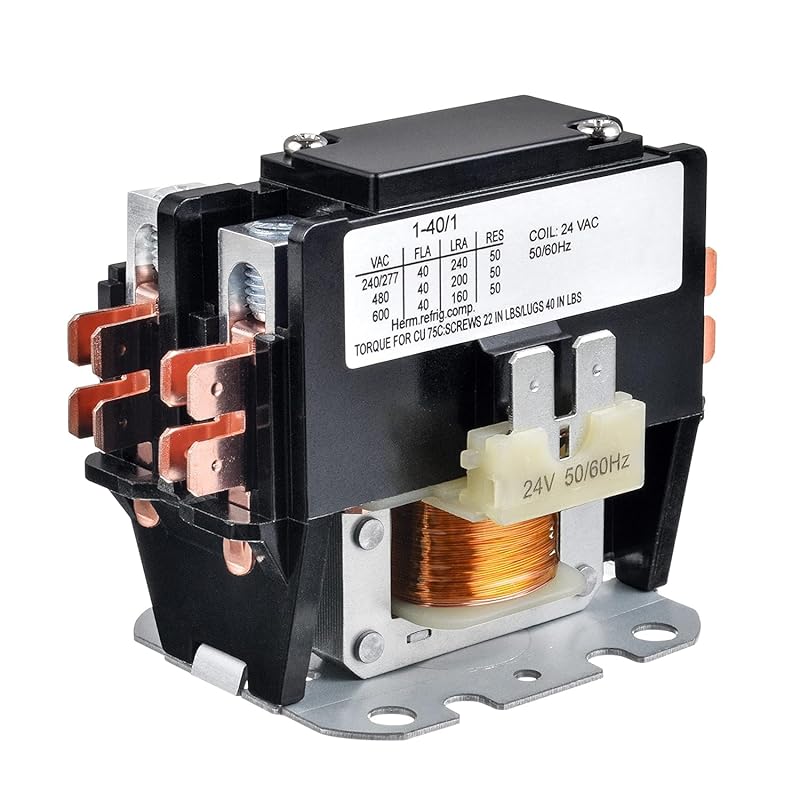
The Carrier air conditioner fan blade is a critical component that circulates cool air throughout your home. Designed for durability and smooth operation, it ensures your AC runs quietly and efficiently. Without a properly functioning fan blade, even the best HVAC system can’t deliver consistent comfort. This guide covers everything you need to know about identifying, maintaining, and replacing your fan blade for peak performance.
Key Takeaways
- Function: The fan blade draws air through the evaporator coil and pushes cooled air into your living space.
- Material Quality: Most Carrier blades are made from high-grade plastic or metal, designed to resist wear and corrosion.
- Common Issues: Cracks, warping, or imbalance in the blade can cause noise, reduced airflow, or system strain.
- Maintenance Tips: Clean regularly and inspect for damage every 6 months to extend lifespan.
- Replacement Signs: If your AC blows warm air, makes loud noises, or cycles frequently, check the fan blade first.
- Compatibility: Always verify part numbers when ordering replacements to ensure fit and performance.
- Professional Help: For complex models, consult an HVAC technician to avoid installation errors.
Quick Answers to Common Questions
What does the fan blade do in a Carrier AC?
It pulls warm air over the cold evaporator coil and blows the cooled air back into your home, enabling effective climate control.
How often should I clean my fan blade?
Every 2–3 months during peak usage seasons, or biannually with professional maintenance, to prevent dust buildup and maintain airflow.
Can I replace the fan blade myself?
Yes, if you have basic tools and follow safety procedures. Turn off power, remove the old blade, install the new one, and test before restoring electricity.
Why is my Carrier AC making a loud noise?
Loud sounds often stem from loose screws, unbalanced blades, or physical damage—common causes related to fan blade condition or mounting.
Will a damaged fan blade affect my energy bill?
Absolutely. A compromised blade forces the motor to work harder, increasing electricity consumption and shortening component lifespan.
📑 Table of Contents
Understanding the Role of the Carrier Air Conditioner Fan Blade
When you press the “cool” button on your thermostat, your Carrier air conditioning system springs into action. But have you ever stopped to think about what makes that cool breeze possible? At the heart of this process lies one often-overlooked but vital component: the Carrier air conditioner fan blade. This unassuming piece plays a starring role in delivering comfort to your home.
Unlike compressors or coils, which work behind the scenes, the fan blade is the face of your AC unit. It sits directly in the airflow path and does the heavy lifting—literally—by moving air across the cold evaporator coil and pushing it into your ductwork. Without it, your system might run, but it wouldn’t actually cool anything. Think of it as the lungs of your air conditioner: essential, powerful, and always in motion.
What makes Carrier’s fan blades stand out isn’t just their design—it’s the engineering behind them. These aren’t generic parts pulled from a shelf; they’re built to meet strict manufacturer specifications. That means they balance smoothly, resist heat and moisture, and last longer under real-world conditions. Whether you’re in a humid Florida summer or a dry Arizona spring, your Carrier fan blade helps keep things running like clockwork.
In the next sections, we’ll dive deeper into how these blades work, what goes wrong (and how to fix it), and why choosing the right replacement matters more than you might think.
How the Fan Blade Powers Your Cooling System

Visual guide about Carrier Air Conditioner Fan Blade
Image source: static.tnn.in
To appreciate the importance of the Carrier air conditioner fan blade, let’s break down the basics of how your AC works. When warm indoor air passes over the cold evaporator coil inside your furnace or air handler, heat transfers from the air to the coil, chilling the air. Then—here’s where the fan blade kicks in—it blows that cooled air back into your home.
This continuous cycle relies entirely on steady airflow. And that’s exactly what the fan blade provides. It’s mounted on the blower motor shaft and spins at high speed, pulling air in from one side and expelling it through the other. The shape, size, and pitch of the blade determine how much air moves and how quietly it does so.
Carrier designs its fan blades with aerodynamics in mind. Each blade has a specific angle and curve to maximize suction while minimizing resistance. This reduces strain on the motor and lowers energy use. In fact, an efficient fan blade can improve your system’s overall SEER rating by reducing the workload on other components.
Imagine trying to drink through a bent straw—harder than necessary, right? A damaged or misaligned fan blade acts just like that bent straw: it restricts airflow, forces the motor to work harder, and can lead to higher electricity bills or even premature failure.
That’s why regular inspection matters. Over time, dust builds up on the blades, throwing off their balance. Small cracks from debris impact can grow into big problems. And if the blade wobbles, it creates vibration that travels through the entire unit—sometimes leading to rattling noises or loose screws.
But don’t worry—these issues are usually fixable. With simple cleaning and a little attention, your Carrier fan blade can stay in top shape for years.
Signs You Need to Replace Your Fan Blade
Visual guide about Carrier Air Conditioner Fan Blade
Image source: jeffpippen.com
Like any mechanical part, the Carrier air conditioner fan blade doesn’t last forever—but knowing when it’s time to replace it can save you money and prevent bigger headaches. So how do you tell if your fan blade needs attention?
First, listen carefully. A healthy fan blade spins smoothly and quietly. If you hear grinding, buzzing, or a rhythmic thumping, that could signal imbalance or damage. Sometimes, a loose screw or a warped blade causes the sound. Either way, it’s worth checking before assuming the whole motor is faulty.
Second, monitor your cooling performance. If your home feels warmer than usual despite normal thermostat settings, the issue might not be refrigerant levels—it could be restricted airflow due to a dirty or broken fan blade. Reduced airflow means the evaporator coil doesn’t get enough cool air passing over it, which limits how much heat can be removed from your indoor air.
Third, look for visible damage during routine inspections. Cracks, chips, or bends in the blade are clear red flags. Even minor warping can disrupt airflow patterns and create hot spots in your system. If the blade looks uneven or has missing pieces, replacement is the safest bet.
Fourth, pay attention to how often your AC turns on and off. Frequent cycling (short bursts instead of long, steady runs) often points to airflow problems. When the fan can’t move enough air, the thermostat keeps kicking the system back on because it thinks the house isn’t cooling fast enough.
Lastly, check for dust buildup. While some accumulation is normal, excessive grime can weigh down the blade or clog the surrounding housing. This not only reduces efficiency but also encourages mold growth in damp areas.
If you notice several of these signs together, it’s smart to call an HVAC professional. They can assess whether the problem is truly with the fan blade or something else—like a failing motor or clogged filter—before you spend money on unnecessary repairs.
Choosing the Right Replacement Fan Blade
Replacing your Carrier air conditioner fan blade might seem straightforward, but getting the wrong part can lead to poor performance or even safety hazards. So how do you choose the correct replacement?
Start by consulting your owner’s manual or searching online using your model number. Carrier provides detailed diagrams and part lists for most systems. You can also contact Carrier customer service or a local dealer—they’re trained to match parts precisely.
Next, consider material. Original equipment manufacturer (OEM) blades are typically made from durable ABS plastic or aluminum. Aftermarket options may use cheaper materials that degrade faster under UV exposure or temperature swings. While OEM parts cost more upfront, they’re engineered to last longer and perform better.
Pay attention to blade count and dimensions. Most residential Carrier units use three- or four-blade fans with diameters ranging from 10 to 14 inches. A mismatch here will either prevent proper fitment or alter airflow characteristics, affecting system efficiency.
Also, check the hub design. Some blades snap onto the motor shaft, while others require set screws for secure attachment. Make sure the new blade matches your mounting style. Loose connections risk detachment during operation—a dangerous scenario if the blade breaks free.
Finally, don’t overlook warranty implications. Using non-OEM parts may void your HVAC system’s warranty, especially if damage occurs later. If your unit is still under coverage, it’s wise to stick with genuine Carrier components.
Once you’ve selected the right blade, installation should take about 30 minutes with basic tools. Turn off power at the breaker, remove the access panel, detach the old blade, install the new one, and reassemble. Always double-check alignment before restoring power.
Remember: even the best blade won’t help if other parts are worn out. Pair your new fan blade with clean filters, sealed ducts, and regular tune-ups for maximum benefit.
Maintaining Your Fan Blade for Long-Term Performance
Prevention is always better than cure—especially when it comes to your Carrier air conditioner fan blade. Routine maintenance not only extends its life but also improves your entire HVAC system’s reliability.
Begin by scheduling biannual inspections. During spring and fall, have a technician check the fan assembly for tightness, wear, and balance. They can spot subtle issues like micro-fractures or slight misalignment that you’d never notice otherwise.
At home, make it a habit to clean around the fan housing every few months. Use a vacuum hose or soft brush to remove dust and debris from the blades and nearby vents. Avoid submerging the blades in water or using abrasive cleaners—moisture can warp plastic, and harsh chemicals may degrade the surface over time.
If you notice persistent noise or reduced airflow, don’t ignore it. Addressing problems early prevents small cracks from spreading or dirt buildup from causing permanent imbalance. A quick fix today saves you from a costly replacement tomorrow.
Another tip: keep the area around your outdoor condenser unit clear. Leaves, twigs, and grass clippings can find their way into the indoor air handler during strong winds or storms. These foreign objects can strike the fan blade during rotation, chipping it or changing its weight distribution.
Also, ensure your return air ducts are unobstructed. Clogged returns force the fan to work harder, increasing stress on the blade and motor alike. Replace pleated filters every 90 days or sooner if you have pets or allergies.
For added peace of mind, consider installing a smart thermostat. These devices monitor system performance and alert you to irregularities—like unusual vibration patterns—that might indicate fan blade trouble before symptoms become obvious.
By combining professional service with smart home habits, you keep your Carrier air conditioner fan blade operating at peak efficiency year after year.
Troubleshooting Common Fan Blade Problems
Even with great care, unexpected issues can arise. Here’s how to tackle some frequent fan blade challenges:
Problem: Loud humming or rattling
Often caused by loose mounting screws or an unbalanced blade. Tighten all fasteners first. If the noise persists, manually spin the blade to see if it wobbles. Uneven rotation suggests warping—likely time for replacement.
Problem: Warm air despite full cooling cycle
Check the fan belt (if applicable) for slippage. On direct-drive models, confirm the blade isn’t clogged. Also verify that the drain pan isn’t overflowing, which can shut off the system as a safety measure.
Problem: Motor trips repeatedly
Excessive load from a heavy or damaged blade strains the motor. Inspect for physical defects and ensure proper clearance between the blade and housing.
Problem: Blade appears dusty but airflow seems fine
Light dust alone rarely impacts performance significantly. Focus instead on checking for hidden obstructions in ductwork or blocked vents upstream.
Problem: New blade still makes noise after installation
Double-check compatibility. An ill-fitting blade may vibrate due to incorrect diameter or hub size. Recheck manufacturer specs or consult a pro.
When in doubt, document the symptoms: note when the noise started, any recent changes, and whether it occurs during startup, steady operation, or shutdown. This info helps technicians diagnose accurately.
And remember: safety first. Never attempt repairs while the unit is energized. Always disconnect power at the circuit breaker before opening panels or handling internal components.
With patience and the right approach, most fan blade issues resolve quickly—keeping your Carrier system running cool and quiet.
Frequently Asked Questions
How long does a Carrier fan blade last?
Typically 8–15 years with proper maintenance, depending on usage frequency and environmental conditions. Regular cleaning and inspections extend service life.
Can a cracked fan blade cause system failure?
Yes, severe cracks or breaks can lead to motor overload, vibration damage, or even flying debris—posing safety risks and requiring immediate replacement.
Is it safe to clean the fan blade with water?
Only if the manufacturer approves it. Many plastic blades can warp when wet. Use compressed air or a dry cloth instead for routine cleaning.
Do I need special tools to replace the fan blade?
Basic tools like screwdrivers and wrenches usually suffice. Refer to your model’s manual for specific instructions and torque requirements.
Can aftermarket fan blades work as well as OEM?
Sometimes, but OEM parts are engineered for precise fit and performance. Aftermarket alternatives may save money short-term but risk reliability and warranty coverage.
What happens if the fan blade stops spinning?
The AC won’t cool effectively since no air flows over the evaporator coil. The system may shut down due to lack of airflow, preventing further damage.