
Understanding your Carrier air conditioner evaporator coil warranty can save you thousands in repair costs. This guide explains what’s covered, common exclusions, and how to file a claim. Whether you’re a homeowner or technician, knowing your warranty helps you make informed decisions about maintenance and repairs.
When it comes to keeping your home cool and comfortable, few components matter more than the evaporator coil in your Carrier air conditioning system. This unassuming part plays a vital role—it absorbs heat from indoor air, allowing refrigerant to evaporate and cool the space. But like any mechanical part, it can fail over time. That’s where the Carrier air conditioner evaporator coil warranty comes into play. Understanding what this warranty covers—and what it doesn’t—can save you from unexpected repair bills and help you maintain your system efficiently.
In this detailed guide, we’ll walk you through every aspect of the Carrier evaporator coil warranty. From standard coverage terms to common exclusions and maintenance tips, we’ll break down complex details into easy-to-understand information. Whether you’re a new Carrier owner curious about your warranty or someone facing a coil issue, this article will equip you with the knowledge to protect your investment and keep your AC running smoothly.
Key Takeaways
- Warranty Duration: Most Carrier evaporator coils are covered for 5–10 years under standard warranties, depending on the model and installation date.
- What’s Covered: The warranty typically includes replacement of defective coils due to manufacturing flaws, not wear from normal use.
- Exclusions Apply: Damage from lack of maintenance, power surges, improper installation, or natural disasters is usually not covered.
- Proof of Installation: A valid warranty requires proof of professional installation by an authorized Carrier dealer.
- Maintenance Matters: Regular cleaning and filter changes can prevent coil damage and keep your warranty valid.
- Claim Process: File a claim through your dealer or Carrier support with service records and photos of the issue.
- Extended Options: Consider extended service plans for longer protection beyond the standard warranty period.
Quick Answers to Common Questions
How long does the Carrier evaporator coil warranty last?
Most Carrier evaporator coils are covered for 5 to 10 years under standard warranties, depending on the model and when it was installed.
Is my evaporator coil covered if it leaks?
Yes, if the leak is due to a manufacturing defect and your system is within the warranty period, it’s typically covered—provided you have proof of professional installation and maintenance.
Can I clean my evaporator coil myself?
You can gently clean the coil with a soft brush or approved coil cleaner, but avoid harsh chemicals or high-pressure water. Always turn off the power first.
Does poor maintenance void my warranty?
Yes, skipping regular filter changes or neglecting annual tune-ups can invalidate your Carrier air conditioner evaporator coil warranty.
How do I prove my warranty is active?
Keep your installation receipt, service records, and serial number. You can verify coverage online at Carrier.com or by contacting your installer.
📑 Table of Contents
- What Is the Evaporator Coil and Why Does It Matter?
- Understanding the Standard Evaporator Coil Warranty
- Common Reasons Evaporator Coils Fail (and When They’re Warrantied)
- How to Maintain Your Evaporator Coil and Protect Your Warranty
- Filing a Warranty Claim: Step-by-Step Guide
- Extended Warranties and Protection Plans
- Real-Life Example: How a Homeowner Saved $2,500 Using Their Warranty
- Final Thoughts: Protect Your Investment
What Is the Evaporator Coil and Why Does It Matter?
The evaporator coil is located inside your indoor air handler unit. As warm air passes over it, the refrigerant inside absorbs heat and turns into a cold gas. This process cools the air before it circulates back into your home. Without a properly functioning coil, your air conditioner simply won’t cool effectively.
Carrier, one of the most trusted names in HVAC systems, designs its evaporator coils with precision and durability in mind. These coils are made from corrosion-resistant aluminum or copper and are engineered to handle daily wear. However, even high-quality parts can develop issues—especially if they’re exposed to poor airflow, dirty filters, or low refrigerant levels.
When the coil becomes clogged with debris or develops leaks, your system may struggle to cool your home. In some cases, it can lead to higher energy bills or even compressor failure. That’s why understanding your Carrier air conditioner evaporator coil warranty isn’t just smart—it’s essential.
Understanding the Standard Evaporator Coil Warranty
Most Carrier residential air conditioners come with a comprehensive warranty that includes coverage for the evaporator coil. The exact length and terms depend on the specific model and when it was installed. Generally, you can expect:
– 5-year limited warranty: Found on many older models and entry-level systems.
– 10-year limited warranty: Available on newer, higher-efficiency units, especially those with variable-speed compressors.
– Lifetime warranty (parts only): Some premium models offer lifetime coverage for the compressor and coil, but only if the original owner remains on the property.
It’s important to note that these warranties are “limited”—meaning they don’t cover everything. For example, while a cracked coil due to a factory defect might be covered, one damaged by a falling tree branch likely won’t be.
To qualify for warranty service, your system must have been professionally installed by a Carrier-authorized dealer. You’ll also need to provide proof of purchase and service records showing regular maintenance.
How to Verify Your Warranty Status
If you’re unsure whether your Carrier air conditioner evaporator coil warranty is still active, there are a few quick steps you can take:
1. Check your user manual: The warranty details are usually printed near the beginning.
2. Visit Carrier.com: Use their online warranty lookup tool with your model number and serial number.
3. Contact your installer: They should have a record of your system and warranty registration.
Having your serial number handy is crucial. It looks something like “CA-24ABC-12345” and is usually found on a metal plate inside the air handler. This number identifies your specific unit and confirms installation dates.
Common Reasons Evaporator Coils Fail (and When They’re Warrantied)
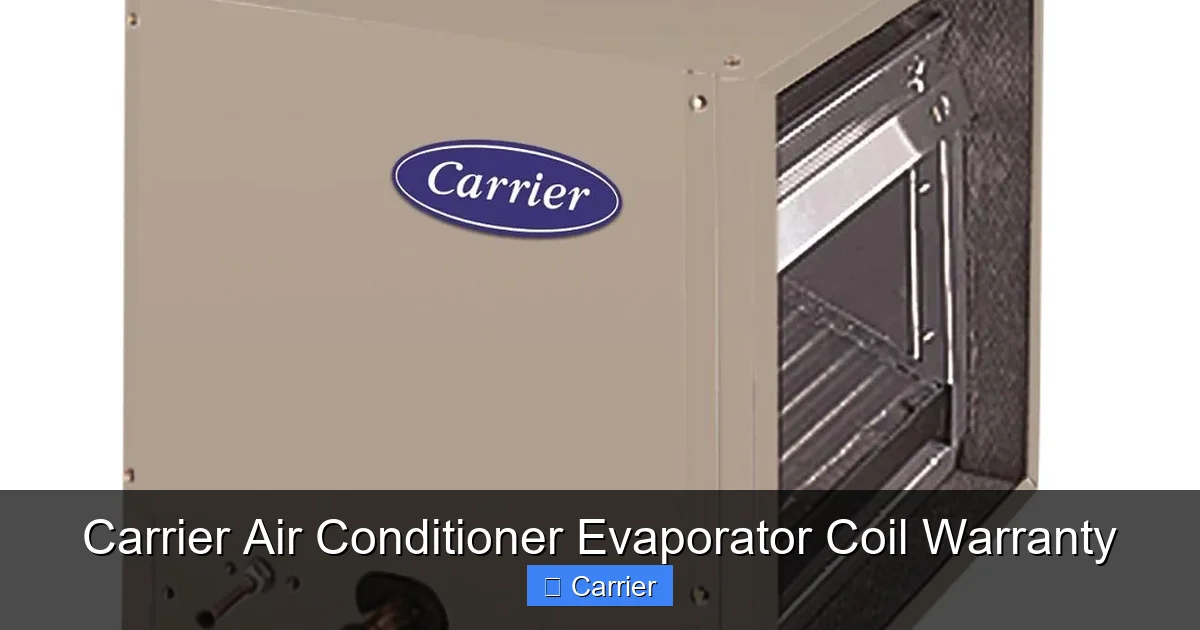
Visual guide about Carrier Air Conditioner Evaporator Coil Warranty
Image source: images.carriercms.com
Not all coil failures are created equal. Some are due to manufacturing defects—and those are often covered. Others result from neglect or external factors—and those usually aren’t.
Manufacturing Defects (Typically Covered)
These include:
– Cracks in the coil tubing
– Poor soldering joints
– Corrosion caused by internal flaws
If your coil fails within the warranty period due to such issues, Carrier will typically replace it at no cost—provided all other warranty conditions are met.
Environmental Damage (Usually Not Covered)
Examples:
– Tree branches damaging the coil during a storm
– Flooding or water intrusion
– Rodent infestation causing holes or blockages
While inconvenient, these types of damage fall outside standard warranty coverage. However, some homeowners insurance policies may help offset repair costs.
Neglect and Lack of Maintenance (Not Covered)
One of the most common reasons for denied warranty claims is insufficient maintenance. If your filter hasn’t been changed in six months or the coil has become heavily coated with dust and mold, the failure may be deemed preventable.
Regular maintenance includes:
– Changing air filters every 90 days
– Scheduling annual HVAC inspections
– Ensuring proper airflow around the outdoor and indoor units
Neglecting these tasks can void your Carrier air conditioner evaporator coil warranty—even if the failure wasn’t directly caused by dirt alone.
How to Maintain Your Evaporator Coil and Protect Your Warranty
Proper maintenance not only extends the life of your coil but also keeps your warranty valid. Here’s what you should do regularly:
Monthly Tasks
- Replace or clean air filters: Clogged filters restrict airflow, causing the coil to work harder and overheat.
- Inspect vents and registers: Make sure nothing blocks airflow into the return ducts.
Seasonal Tasks
- Schedule professional tune-ups: A licensed technician can check refrigerant levels, inspect the coil for leaks, and ensure everything runs efficiently.
- Clear debris around outdoor units: While this protects the condenser, it also prevents dirt from blowing into the indoor unit.
Annual Deep Cleaning (Optional but Recommended)
Some homeowners choose to gently clean the evaporator coil themselves using a soft brush or coil cleaner spray. Never use harsh chemicals or high-pressure water, as this can damage the fins.
Remember: even small actions like trimming shrubs near your outdoor unit or ensuring gutters drain away from your foundation can improve overall system performance and reduce strain on the coil.
Filing a Warranty Claim: Step-by-Step Guide
If your evaporator coil fails and you believe it’s covered under warranty, follow these steps to file a successful claim:
Step 1: Confirm Eligibility
Review your warranty terms. Ensure your system was installed by an authorized dealer and that you’ve kept up with required maintenance.
Step 2: Gather Documentation
Collect:
– Model and serial numbers
– Installation receipt
– Service records from annual tune-ups
– Photos of the failed coil (if possible)
Step 3: Contact Your Dealer or Carrier Support
Call your local Carrier dealer first. They’re trained to handle warranty requests and can submit the claim on your behalf. If you don’t have a dealer, call Carrier customer service at 1-800-CARRIER.
Step 4: Schedule an Inspection
A technician will visit to verify the issue and confirm it’s covered. Be ready to explain when the problem started and whether you’ve noticed any unusual sounds or reduced cooling.
Step 5: Receive Repair or Replacement
If approved, the dealer will either repair or replace the coil. Most warranty repairs are completed within a week or two.
Keep copies of all paperwork—you may need them for future reference or if you sell your home.
Extended Warranties and Protection Plans
While standard warranties offer solid coverage, many homeowners opt for extended service agreements (ESAs) or comprehensive protection plans. These can add 5–10 years of coverage and often include:
– Parts and labor coverage
– 24/7 emergency service
– Priority scheduling
– Coverage for accidental damage (depending on plan)
For example, Carrier offers the ComfortAssurance Extended Service Plan, which extends compressor and coil coverage up to 12 years. This is especially valuable if you live in an area with extreme temperatures or hard water, which can accelerate coil corrosion.
Before purchasing any extended plan, compare costs against potential out-of-pocket expenses. In some cases, paying for repairs privately may be cheaper than monthly ESA fees.
Tips for Choosing the Right Protection Plan
- Read the fine print—some plans exclude “wear items” like filters or belts.
- Check if the plan transfers to new homeowners (important if you plan to sell).
- Ask about deductibles and response times.
Real-Life Example: How a Homeowner Saved $2,500 Using Their Warranty
Sarah, a homeowner in Florida, noticed her Carrier AC unit wasn’t cooling as well as it used to. After a technician inspection, it turned out the evaporator coil had developed a leak due to a manufacturing flaw—but her 10-year warranty was still valid.
Because she’d kept detailed service records (including annual tune-ups), her dealer easily verified her eligibility. Within two weeks, a new coil was installed at no cost. Sarah saved over $2,500 compared to paying for a full replacement.
This case highlights how proper documentation and maintenance can turn a costly repair into a simple warranty claim.
Final Thoughts: Protect Your Investment
Your Carrier air conditioner evaporator coil warranty is more than just a piece of paper—it’s your financial safety net. By understanding what’s covered, maintaining your system regularly, and keeping good records, you can avoid unnecessary expenses and enjoy reliable cooling for years.
Remember: prevention is always better than cure. A few minutes of monthly filter changes and an annual professional check-up go a long way toward preserving both your comfort and your wallet.
If you ever have questions about your warranty or suspect a problem with your coil, don’t hesitate to reach out to Carrier or your trusted HVAC contractor. Knowledge is power—and in this case, it could mean hundreds or even thousands of dollars saved.
Frequently Asked Questions
What is included in the Carrier evaporator coil warranty?
The warranty typically covers replacement of defective coils due to manufacturing flaws, such as cracks or poor soldering, provided the system was professionally installed and maintained.
Are power surges covered under the warranty?
No, damage caused by power surges, lightning strikes, or electrical faults is generally excluded from standard warranty coverage.
Can I transfer my warranty if I sell my home?
Some warranty plans allow transfer to the new homeowner, but this depends on the specific terms. Check with Carrier or your dealer for details.
What happens if my coil fails after the warranty expires?
After the warranty ends, you’ll need to pay for repairs or replacement. Consider investing in an extended service plan to avoid future surprise costs.
Do I need a professional to install my Carrier AC to keep the warranty valid?
Yes, installation by a Carrier-authorized dealer is required to maintain warranty eligibility. DIY installations usually void the coverage.
Can mold or algae on the coil affect my warranty?
Heavy mold or algae buildup due to lack of maintenance may be considered preventable damage and could result in a denied claim. Regular cleaning helps avoid this.

