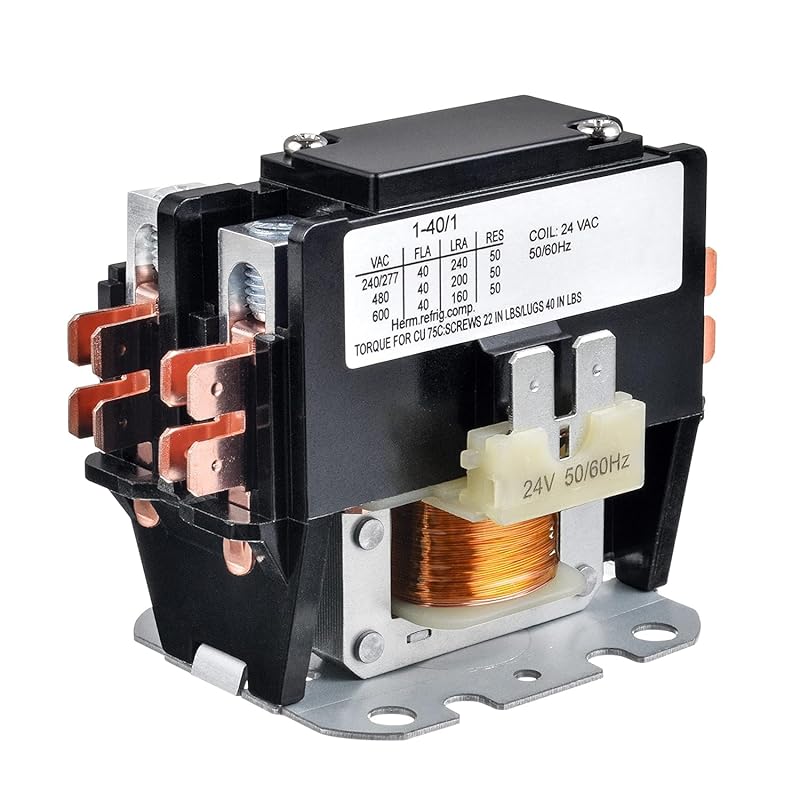
Replacing a Carrier air conditioner’s evaporator coil is one of the most expensive HVAC repairs, with costs typically ranging from $600 to $1,800. This essential component cools indoor air by absorbing heat, but corrosion, leaks, or refrigerant issues often demand full replacement. While DIY isn’t recommended due to refrigerant handling requirements and system complexity, knowing the cost breakdown helps you budget wisely and spot unnecessary markups.
Key Takeaways
- Average Cost Range: Carrier evaporator coil replacement typically costs between $600 and $1,800, depending on model, size, and labor rates.
- DIY Not Advisable: Handling refrigerants and electrical connections requires certification; improper installation can void warranties or damage your system.
- Labor Dominates Costs: Most of the price comes from technician labor—often $300–$700—not just the part itself.
- Location Matters: Prices vary by region; urban areas and extreme climates (hot or cold) increase service fees and availability of parts.
- Prevent Future Replacements: Regular maintenance, sealing ductwork, and using protective covers can extend coil life and reduce long-term costs.
- Warranty Impact: If your unit is under warranty, check if the coil failure qualifies for free or discounted replacement before paying out-of-pocket.
- Energy Efficiency Loss: A worn-out coil reduces cooling efficiency by up to 30%, raising monthly utility bills significantly.
Quick Answers to Common Questions
How much does a Carrier evaporator coil cost?
Expect to pay between $600 and $1,800 for a complete Carrier evaporator coil replacement, including parts and labor.
Is it worth replacing the evaporator coil?
Yes—if the coil is cracked, corroded, or leaking. A new coil restores cooling efficiency and prevents further system damage.
Can I replace the coil myself?
Not safely unless you’re EPA-certified. Refrigerant handling requires special training and equipment to avoid legal and safety issues.
Does insurance cover AC coil replacement?
Homeowners insurance rarely covers normal wear-and-tear. However, if damage was caused by a covered event (like a storm), it might apply.
How long does the replacement take?
Typically 2–4 hours for a licensed technician, depending on accessibility and whether additional repairs are needed.
📑 Table of Contents
- The True Cost of Replacing Your Carrier Air Conditioner Evaporator Coil
- What Is an Evaporator Coil and Why Does It Matter?
- Breaking Down the Carrier Evaporator Coil Replacement Cost
- Should You Replace or Repair the Evaporator Coil?
- How to Save Money on Evaporator Coil Replacement
- DIY vs. Professional Replacement: What’s Safe?
- Long-Term Value of a Quality Replacement
- Conclusion: Invest Smart, Stay Cool
The True Cost of Replacing Your Carrier Air Conditioner Evaporator Coil
If you’re reading this, chances are you’ve either had your Carrier air conditioner evaporator coil replaced—or you’re facing that dreaded repair call. Either way, you’re likely wondering: “How much does it really cost?” The truth is, replacing an evaporator coil isn’t just about slapping in a new part. It’s a complex process involving skilled technicians, specialized tools, and sometimes even system upgrades. And for many homeowners, it’s one of the priciest HVAC repairs they’ll ever make.
In this comprehensive guide, we’ll walk you through every aspect of Carrier air conditioner evaporator coil replacement cost—from what causes the failure in the first place, to how much you might pay, and what you can do to minimize surprises. Whether your unit is a 10-year-old model or brand new, understanding these costs empowers you to make smart decisions, avoid scams, and keep your home cool without breaking the bank.
What Is an Evaporator Coil and Why Does It Matter?
The Heart of Your AC System
Before diving into costs, let’s quickly explain what an evaporator coil does. In your Carrier air conditioning system, the evaporator coil is located inside your home—usually in the indoor air handler or furnace. Its job is to absorb heat from indoor air as it passes over the cold refrigerant circulating inside the coils. This process cools the air, which is then blown back into your living space.
Visual guide about Carrier Air Conditioner Evaporator Coil Replacement Cost
Image source: rniepl.com
The coil works hand-in-glove with your refrigerant lines, compressor, and condenser unit outside. When the refrigerant enters the evaporator coil as a low-pressure liquid, it rapidly expands and turns into a gas, pulling heat out of the air. Without a properly functioning coil, your AC simply won’t cool—even if everything else is working perfectly.
Common Causes of Evaporator Coil Failure
So why do evaporator coils fail? For Carrier systems—and most modern AC units—the main culprits include:
- Refrigerant Leaks: Low refrigerant levels due to leaks cause the coil to freeze over, then thaw unevenly, leading to cracks or corrosion.
- Corrosion and Rust: Especially in humid climates, moisture buildup inside the coil housing accelerates rust and mineral deposits.
- Poor Maintenance: Dirty filters, blocked condensate drains, or lack of annual servicing allow debris to clog the coil fins and reduce airflow.
- Overheating: Inconsistent thermostat signals or malfunctioning blower fans cause the coil to work harder than intended.
Each of these issues increases strain on the coil. Over time, microscopic cracks form, allowing refrigerant to escape and air to bypass the cooling process. That’s when you start seeing warm air blowing from vents—and hearing your energy bills climb.
Breaking Down the Carrier Evaporator Coil Replacement Cost
Average Price Range: $600 to $1,800
Most homeowners pay between $600 and $1,800 to replace a Carrier evaporator coil. But don’t assume that’s a flat rate—it’s actually a wide spectrum based on several variables. Let’s break it down.
Visual guide about Carrier Air Conditioner Evaporator Coil Replacement Cost
Image source: i.ytimg.com
| Cost Factor | Typical Range | Impact on Total Cost |
| Evaporator Coil Part | $300 – $900 | 25% – 40% of total cost |
| Labor & Installation | $300 – $700 | 50% – 60% of total cost |
| Additional Repairs | $100 – $500+ | Varies (see below) |
| Emergency Service Fees | $150 – $300 | Optional but common |
Why Labor Costs More Than the Part
You might be surprised to learn that the actual evaporator coil part usually costs less than half of the total bill. In fact, for a Carrier model like the 24SCB or 25VNA, you’ll find OEM coils priced between $350 and $850 online. However, hiring a licensed HVAC technician isn’t cheap—especially when they need to recover, evacuate, and recharge your refrigerant system.
Here’s what goes into the labor:
- Recovering refrigerant safely (required by EPA regulations)
- Disconnecting and removing the old coil
- Installing the new coil and reconnecting refrigerant lines
- Testing for leaks and recharging with proper refrigerant charge
- Calibrating system controls and verifying performance
That’s why labor often runs $4–$10 per hour—and can add up fast. Plus, not all contractors charge the same. Some include diagnostic fees ($75–$150), while others bundle it into the service call.
Factors That Influence Final Pricing
Several key factors affect how much you’ll ultimately pay:
- AC Unit Size (Tons): A 2-ton system needs a smaller coil than a 5-ton model. Larger coils cost more due to material and complexity.
- Model Series: Carrier offers different tiers—from standard Performance series to premium Infinity—with coil quality and compatibility varying.
- Refrigerant Type: Older systems use R-22 (phased out); newer ones use R-410A. R-410A coils are more expensive but more efficient.
- Accessibility: Tight crawlspaces, attics, or multi-story homes make installation harder and increase labor time.
- Geographic Location: Urban centers and regions with high demand (like Arizona or Florida) have steeper labor rates.
Regional Cost Comparison
Let’s look at real-world examples across the U.S.:
- Texas (Houston): Average cost: $900–$1,400. High humidity increases coil wear, so replacements are frequent.
- California (Los Angeles): $1,000–$1,600. Strong regulations mean only certified techs can handle refrigerants.
- Northeast (New York City): $1,100–$1,800. Cold winters stress systems differently, and parts shipping adds overhead.
- Southeast (Atlanta): $800–$1,300. Competitive market keeps prices lower but still above national average.
Remember: these are averages. Always get multiple quotes from licensed, insured contractors—especially if one quote seems unusually low.
Should You Replace or Repair the Evaporator Coil?
When Repair Is Possible
In some cases, you might not need a full replacement. Minor issues like bent fins or light corrosion can often be fixed with:
- Coil cleaning (using coil cleaner sprays)
- Fin straightening tools
- Sealant for small leaks (only if confirmed by professional testing)
However, Carrier recommends replacement if:
- The coil has major corrosion or pinhole leaks
- It’s been frozen repeatedly due to low refrigerant
- More than 30% of the surface area is damaged
Repairing a severely compromised coil risks refrigerant contamination and system failure within months.
Signs You Really Need a New Coil
Watch for these red flags:
- Ice buildup on the indoor coil (despite clean filters)
- Musty or moldy smell from vents
- Unusual hissing sounds near the air handler
- Sudden drop in cooling capacity
- High electric bills with normal usage
If any of these apply, schedule a diagnostic ASAP. Delaying replacement can damage other components like the compressor—which costs $1,200–$2,500 to fix.
How to Save Money on Evaporator Coil Replacement
Get Multiple Quotes
Never accept the first estimate. Call at least three local HVAC companies certified by NATE or ACCA. Ask specifically about:
- Whether they use OEM (Original Equipment Manufacturer) parts
- If they include refrigerant recovery and disposal
- Warranty coverage on both labor and parts
Be wary of salespeople who pressure you into immediate decisions or upsell unnecessary ductwork repairs.
Consider Financing Options
Many Carrier dealers offer financing through brands like Wells Fargo Home Improvement or CareCredit. These plans often feature:
- 0% APR for 12–24 months
- No prepayment penalties
- Same-day approval
This spreads the cost over time instead of paying everything upfront.
Maintain Your System Proactively
Prevention is cheaper than cure. Stick to this maintenance routine:
- Change air filters every 1–3 months
- Clean condensate drain lines annually
- Schedule biannual tune-ups (spring and fall)
- Install a whole-house dehumidifier in humid climates
A well-maintained coil can last 10–15 years—even longer with proper care.
Check Your Warranty First
If your Carrier unit is under warranty (typically 5–10 years depending on model), contact Carrier Comfort Network or the dealer immediately. Defective coils may be covered—even if caused by manufacturing flaws. Don’t assume age alone voids coverage.
DIY vs. Professional Replacement: What’s Safe?
Why DIY Is Risky
While it’s technically possible to replace the coil yourself, it’s strongly discouraged unless you’re a certified HVAC technician. Here’s why:
- Refrigerant Handling: Only EPA Section 608 certified individuals can legally recover and recycle refrigerant.
Working near live circuits increases shock risk—especially in older homes. Improper alignment or vacuuming can introduce moisture, causing internal corrosion.
Even experienced DIYers should hire a pro for refrigerant work. Doing it wrong could invalidate your warranty and shorten your system’s lifespan.
When to Call a Pro
Always choose a licensed contractor if:
- Your system uses R-410A refrigerant
- The coil is rusted or leaking
- You’ve never worked on HVAC systems before
- You want a warranty on the installation
Look for contractors with:
- Valid state license and insurance
- Positive reviews on Google or Angi
- Membership in AHRI or NATE
Long-Term Value of a Quality Replacement
Improved Efficiency and Lower Bills
A new evaporator coil restores your system’s SEER rating—Carrier’s top-tier models achieve up to 26 SEER. That means better energy savings over time. On average, upgrading a worn coil can reduce cooling costs by 15–30%.
Extended System Life
Replacing the coil early prevents strain on the compressor and blower motor. Many Carrier systems last 15–20 years with proper care—but neglect can cut that in half.
Better Indoor Air Quality
A clean, functional coil improves airflow and reduces mold growth in the drain pan. That translates to fresher, healthier air in your home.
Conclusion: Invest Smart, Stay Cool
Replacing your Carrier air conditioner’s evaporator coil is undeniably expensive—but necessary when the alternative is no cooling at all. By understanding the true cost drivers, getting competitive quotes, and maintaining your system, you can navigate this repair with confidence. Remember: the cheapest option isn’t always the best. Prioritize quality parts, certified installers, and ongoing maintenance to protect your investment.
Whether you’re dealing with a sudden breakdown or planning ahead, now you know exactly what to expect—and how to control those costs. Keep your home comfortable, your bills reasonable, and your peace of mind intact.
Frequently Asked Questions
How long does a Carrier evaporator coil last?
With proper maintenance, a Carrier evaporator coil typically lasts 10–15 years. Poor ventilation, low refrigerant, or high humidity can shorten its lifespan.
Can a dirty evaporator coil be cleaned instead of replaced?
Minor dirt or bent fins can often be cleaned or straightened. But if there are cracks, leaks, or severe corrosion, replacement is the only safe option.
Will a new evaporator coil improve my energy bills?
Yes. A functioning coil ensures optimal refrigerant flow and heat absorption, improving your system’s SEER rating and reducing monthly cooling costs by 15–30%.
Do I need to replace both coils when replacing one?
No—only the failed coil needs replacement. The outdoor condenser coil usually remains unaffected unless there’s a matching issue.
What brand evaporator coils work with Carrier systems?
OEM Carrier coils are recommended for warranty compliance and reliability. Aftermarket brands like Goodman, Rheem, or Trane may fit but could void warranties or reduce efficiency.
How soon after replacement should I run the AC?
Wait 24 hours after installation to allow the system to stabilize. Then monitor performance and temperature differentials to ensure proper operation.