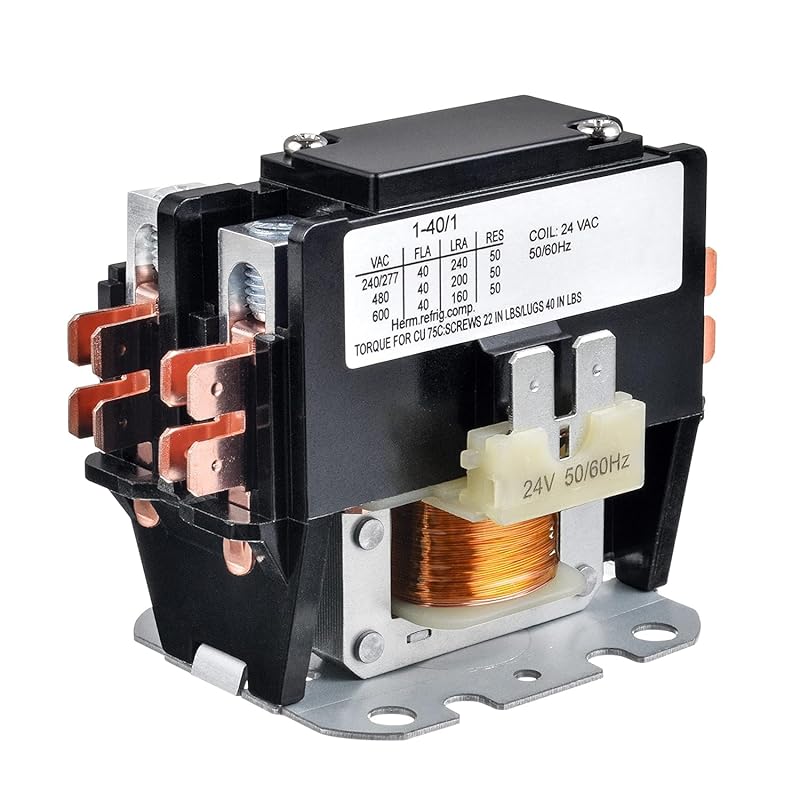
Carrier air conditioner evaporator coils are essential for cooling efficiency and comfort. Knowing the typical Carrier evaporator coil price helps you budget wisely for repairs or upgrades. This guide walks you through costs, maintenance tips, and signs it’s time for a replacement—keeping your home cool without overspending.
Key Takeaways
- Evaporator coil function: It absorbs heat from indoor air, making your AC run cooler and more efficiently.
- Typical price range: Carrier evaporator coils usually cost between $300 and $900, including parts and labor.
- Factors affecting cost: Model size, location, refrigerant type, and whether it’s a DIY or professional install influence final price.
- Maintenance saves money: Regular cleaning and inspections can extend coil life and prevent costly replacements.
- Warranty matters: Many Carrier units come with limited warranties that may cover coil defects under certain conditions.
- DIY vs. pro install: Hiring a licensed technician ensures proper handling of refrigerants and avoids safety risks.
- Signs of failure: Reduced airflow, ice buildup, or warm air suggest the coil needs attention or replacement.
Quick Answers to Common Questions
How much does a Carrier evaporator coil cost?
Prices typically range from $300 to $900, depending on model, size, and refrigerant type. Labor adds another $200–$400 for professional installation.
Can I replace the evaporator coil myself?
No—handling refrigerants requires EPA certification and specialized tools. Improper installation can damage your system and void warranties. Hire a licensed HVAC technician instead.
Is it worth replacing a corroded evaporator coil?
Yes, if corrosion is severe or widespread. Minor damage may be repaired, but ongoing issues suggest full replacement is safer and more efficient long-term.
Do Carrier coils come with warranties?
Many genuine Carrier evaporator coils include limited warranties (usually 1–2 years). Check with your installer or dealer for specific coverage details.
How often should I clean my evaporator coil?
Aim to inspect and clean the coil once per year as part of routine HVAC maintenance. More frequent checks help catch problems early.
📑 Table of Contents
- The Heart of Your Cool: Understanding Carrier Air Conditioner Evaporator Coils
- What Is an Evaporator Coil and Why Does It Matter?
- Carrier Evaporator Coil Price: What You Can Expect
- Factors That Influence Carrier Evaporator Coil Pricing
- How Long Should a Carrier Evaporator Coil Last?
- Signs It’s Time to Replace Your Carrier Evaporator Coil
- Maintaining Your Carrier Evaporator Coil: Tips to Save Money
- Should You Repair or Replace the Evaporator Coil?
- Where to Buy Genuine Carrier Evaporator Coils
- Final Thoughts: Invest Smart, Stay Cool
The Heart of Your Cool: Understanding Carrier Air Conditioner Evaporator Coils
When your Carrier air conditioner kicks on, you expect instant relief from the summer heat. But behind that cool breeze lies a crucial component working hard—your evaporator coil. Often called the “heart” of the system, this part plays a pivotal role in removing warmth from indoor air. Yet many homeowners don’t realize how vital it is until something goes wrong.
Replacing a Carrier air conditioner evaporator coil isn’t just about swapping out a part—it’s about restoring your entire system’s performance. That’s why knowing the typical Carrier evaporator coil price and understanding what drives those costs is so important. In this guide, we’ll walk you through everything from pricing ranges to maintenance tips, helping you make smart decisions for your home and wallet.
What Is an Evaporator Coil and Why Does It Matter?
Visual guide about Carrier Air Conditioner Evaporator Coil Price
Image source: i.pinimg.com
Your Carrier air conditioning system has two main coils: the outdoor condenser coil and the indoor evaporator coil. While the condenser releases heat outside, the evaporator coil absorbs heat inside your home. As warm air passes over the cold coil, moisture condenses into water (which drains away), leaving you with dry, cool air.
This process happens in the indoor unit, usually mounted in your furnace or near your central air handler. The coil is coated with refrigerant—a chemical that changes state quickly between liquid and gas. When the refrigerant evaporates inside the coil, it pulls heat directly from the air blowing across it. Without a clean, functioning evaporator coil, your AC won’t cool effectively, and energy bills will rise.
Over time, dirt, dust, and even mold can coat the fins of the coil, blocking airflow. This forces your system to work harder, reducing efficiency and potentially damaging other components like the compressor.
Carrier Evaporator Coil Price: What You Can Expect
Visual guide about Carrier Air Conditioner Evaporator Coil Price
Image source: gamblingchooser.com
So, what does a Carrier evaporator coil actually cost? Prices vary based on several factors, but here’s a general breakdown:
– **Basic residential models**: $300–$500
– **Mid-range systems**: $500–$700
– **High-efficiency or oversized units**: $700–$900+
These figures typically include only the coil itself. Labor for removal and installation often adds another $200–$400, depending on complexity. If your system uses R-410A refrigerant (the standard since 2010), expect slightly higher prices than older R-22 units—though R-22 systems are largely obsolete now.
Keep in mind that Carrier offers a wide range of coils designed for different climates, home sizes, and SEER ratings. A smaller apartment-style unit may use a compact coil costing closer to $300, while a whole-house setup serving a large home could approach $800–$900.
Also, if you’re replacing due to damage rather than age, insurance or manufacturer warranty might offset some costs. Always get multiple quotes from licensed HVAC contractors before committing.
Factors That Influence Carrier Evaporator Coil Pricing
Several variables affect how much you’ll pay for a Carrier evaporator coil:
System Size and Compatibility
Not all coils fit every Carrier model. You need one matched precisely to your AC’s tonnage and design. For example, a 2-ton unit requires a different coil than a 4-ton model. Using the wrong size leads to poor performance and potential system failure.
Location and Accessibility
If your indoor unit sits in a cramped attic or tight closet, installation becomes more labor-intensive. Contractors charge extra for difficult access—sometimes adding $100 or more to the total bill.
Type of Refrigerant
Modern Carrier systems use environmentally friendly R-410A. Older models may still have R-22, but these are being phased out globally. Replacing an R-22 coil means upgrading to a newer system entirely, which bumps up the overall cost significantly.
DIY vs. Professional Installation
While DIY might save on labor, handling refrigerants yourself is illegal in most states and unsafe without EPA certification. Plus, improper installation voids warranties and risks damaging your new coil. Most experts recommend hiring a licensed pro—especially for complex jobs involving electrical connections and refrigerant lines.
Geographic Location
HVAC prices vary by region due to demand, local regulations, and contractor rates. Urban areas like New York or San Francisco often see higher labor costs than rural communities.
Additional Repairs Needed
Sometimes the coil fails because of related issues—like a clogged drain line or failing blower motor. Fixing these beforehand prevents repeat problems and keeps your new coil running smoothly.
How Long Should a Carrier Evaporator Coil Last?
On average, a well-maintained Carrier evaporator coil lasts 10–15 years. However, neglect can shorten its lifespan dramatically. Dirty coils force the compressor to overwork, leading to premature wear. Ice buildup indicates restricted airflow—a common sign of coil trouble.
To maximize longevity:
– Replace air filters every 1–3 months
– Schedule annual HVAC maintenance
– Keep the area around the indoor unit clear of debris
– Address leaks or drainage issues promptly
If your coil shows signs of corrosion, especially in humid climates, consider replacing it sooner rather than later. Corroded aluminum fins can compromise structural integrity and reduce efficiency.
Signs It’s Time to Replace Your Carrier Evaporator Coil
Ignoring coil problems leads to bigger headaches. Watch for these red flags:
– **Weak or warm airflow**: Even when the thermostat calls for cool air, rooms feel stuffy.
– **Frozen indoor unit**: Ice forms on the coil during normal operation—usually due to blocked airflow or low refrigerant.
– **Unusual noises**: Rattling or gurgling sounds suggest internal damage or blockages.
– **Higher utility bills**: A struggling coil forces the system to run longer cycles.
– **Water leakage**: While some condensation is normal, pooling water signals a clogged drain line or cracked pan.
If you notice any of these, call an HVAC technician immediately. They’ll inspect the coil and determine if repair or replacement is needed.
Maintaining Your Carrier Evaporator Coil: Tips to Save Money
Prevention beats cure when it comes to HVAC systems. Simple habits keep your evaporator coil in top shape:
Clean Around the Indoor Unit
Vacuum or brush away dust from vents and grilles twice a year. Never obstruct the return air path—it starves the coil of needed airflow.
Check Drain Lines Regularly
Clogged condensate drains cause backups and overflows. Flush them annually with vinegar or a specialized cleaner.
Upgrade to a Smart Thermostat
Programs help avoid extreme temperature swings that stress the coil. Some models also monitor humidity levels, giving you early warnings about coil performance.
Consider a UV Light Installation
UV lights kill mold and bacteria growing inside your ductwork—reducing contamination that reaches the coil.
Remember: even minor improvements in coil cleanliness boost efficiency by up to 15%. That translates to lower bills and fewer emergency repairs.
Should You Repair or Replace the Evaporator Coil?
This is a common dilemma. Here’s how to decide:
**Repair** makes sense if:
– The coil has minor surface corrosion
– Only a few fins are bent
– The issue stems from external causes (e.g., clogged filter)
**Replace** when:
– The coil is severely corroded or rusted
– Multiple fins are damaged
– The system is over 10 years old and showing other wear signs
Cost-wise, repairs rarely exceed $150–$200. But if the underlying problem isn’t fixed, you’ll likely face another breakdown soon. Replacement offers peace of mind and better long-term value.
Always ask your contractor for a written estimate outlining all potential issues. Transparency builds trust and helps you avoid surprise charges.
Where to Buy Genuine Carrier Evaporator Coils
Buying counterfeit or off-brand coils risks voiding your warranty and shortening system life. Stick with certified Carrier parts from reputable sources:
– Authorized Carrier dealers (check carrier.com for local partners)
– Trusted online retailers like HVACDirect or AirPartsNow
– Local HVAC supply stores with licensed staff
Verify authenticity by looking for:
– Carrier branding and serial numbers
– Proper packaging with installation manuals
– Certifications matching your original unit
Avoid deep-discount sites offering suspiciously low prices—they’re often selling used or imitation products.
Final Thoughts: Invest Smart, Stay Cool
Your Carrier air conditioner evaporator coil is more than just a metal fin array—it’s the unsung hero keeping your home comfortable year-round. Understanding the typical Carrier evaporator coil price empowers you to plan ahead, avoid emergencies, and protect your investment.
Whether you’re comparing quotes, scheduling maintenance, or deciding between repair and replacement, knowledge is your best tool. Prioritize quality, hire qualified professionals, and stay proactive with upkeep. With proper care, your coil—and your wallet—will thank you.
Frequently Asked Questions
What is the average lifespan of a Carrier evaporator coil?
A properly maintained Carrier evaporator coil typically lasts 10 to 15 years. Factors like humidity, air quality, and maintenance frequency can affect longevity.
Why is my Carrier AC blowing warm air?
Warm airflow often indicates a faulty evaporator coil, blocked airflow, or low refrigerant levels. Have a technician diagnose whether the coil needs cleaning, repair, or replacement.
Can dirty evaporator coils cause higher electric bills?
Absolutely. A clogged coil restricts airflow, forcing your AC to work harder and consume more energy. Regular cleaning improves efficiency and reduces costs.
Are there any rebates available for replacing an evaporator coil?
Some utility companies offer rebates for high-efficiency HVAC upgrades. Ask your contractor about current programs in your area—especially if upgrading to a SEER 16+ unit.
What’s the difference between R-410A and older refrigerant coils?
R-410A is the modern, eco-friendly refrigerant used in all new Carrier systems since 2010. Older R-22 systems are being discontinued and require complete replacements when coils fail.
How do I know if my evaporator coil is frozen?
If you see ice on the indoor unit, hear reduced airflow, or notice water leaking, the coil may be frozen. Turn off the AC immediately and let it thaw before calling a pro.