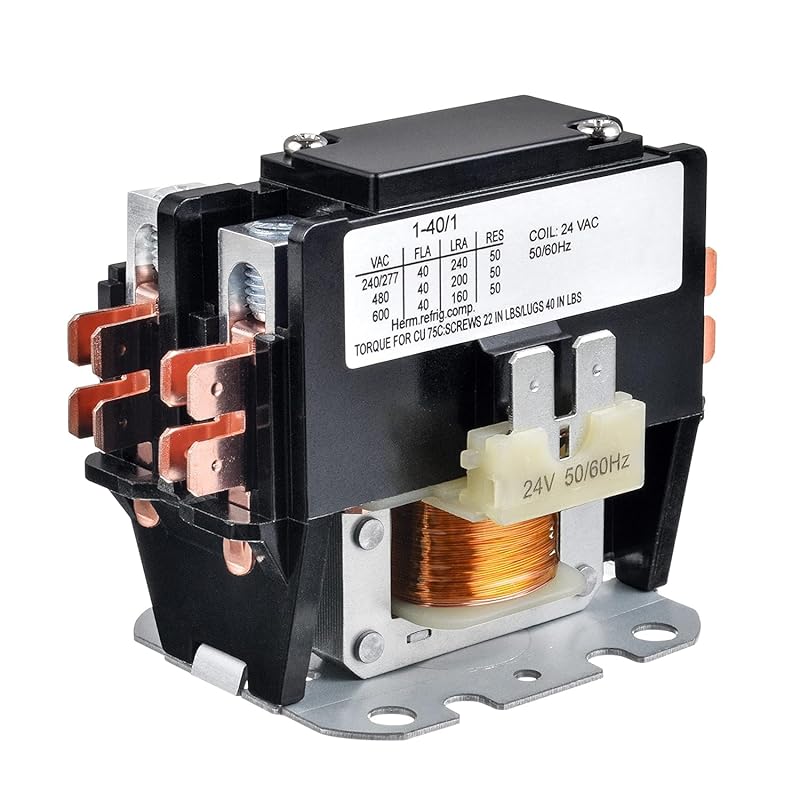
Carrier air conditioner repair ensures your home stays cool and energy-efficient year-round. Whether it’s a noisy unit, weak airflow, or rising bills, our certified technicians deliver fast, trustworthy fixes using genuine parts and proven techniques. With 24/7 support and same-day service in most areas, you can count on Carrier to keep your system running smoothly—without the hassle.
Key Takeaways
- Professional diagnosis is key: Carrier-certified technicians use advanced tools to pinpoint issues like refrigerant leaks, compressor failure, or dirty coils.
- Regular maintenance saves money: Simple tasks like cleaning filters and checking thermostats can prevent costly repairs and extend your AC’s life.
- Genuine parts matter: Using OEM (Original Equipment Manufacturer) components ensures compatibility, efficiency, and warranty protection.
- Energy efficiency improves over time: Upgrading old systems or repairing faulty parts reduces power usage and lowers utility bills.
- Emergency repairs are available: Many Carrier service plans include 24/7 support for urgent issues like sudden breakdowns or no cooling.
- Warranty coverage applies: Most Carrier units come with warranties that cover labor and parts—but only when repaired by authorized professionals.
- DIY isn’t always safe: While minor tasks like replacing filters are fine, complex repairs require licensed experts to avoid injury or further damage.
Quick Answers to Common Questions
How much does Carrier air conditioner repair cost?
Repair costs vary by issue—expect $150–$600 for common fixes like capacitor replacement or coil cleaning. Complex jobs like compressor repair may run $800–$1,500. Always request a written estimate before work begins.
Can I repair my Carrier AC myself?
Minor tasks like filter changes or clearing debris are safe for homeowners. However, refrigerant handling, electrical repairs, or compressor work require EPA-certified professionals due to safety and legal requirements.
How often should I service my Carrier AC?
Biannual maintenance is ideal: once before peak cooling season (spring) and once after (fall). This prevents breakdowns and maintains efficiency. More frequent use may warrant quarterly checks.
Is it worth repairing an older Carrier AC?
If your unit is under 15 years old and repairs cost less than 50% of a new system’s price, yes—it’s usually economical. Beyond that, upgrading to an ENERGY STAR model saves long-term energy costs.
Do Carrier warranties cover repairs?
Yes—but only if performed by authorized dealers using OEM parts. DIY repairs or third-party services void warranty coverage. Check your manual for exact terms and expiration dates.
📑 Table of Contents
- Understanding Carrier Air Conditioner Repair: A Complete Guide
- Common Signs Your Carrier Air Conditioner Needs Repair
- What Happens During a Professional Carrier AC Repair?
- DIY Troubleshooting Tips Before Calling a Technician
- Why Choose Genuine Carrier Parts for Repairs?
- Preventive Maintenance: Keep Your Carrier AC Running Smoothly
- Choosing the Right Carrier Service Provider
- Conclusion: Trust the Experts for Reliable Carrier Air Conditioner Repair
Understanding Carrier Air Conditioner Repair: A Complete Guide
If your Carrier air conditioner has stopped blowing cold air, started making strange noises, or just isn’t keeping up with the summer heat, you’re not alone. Millions of homeowners rely on Carrier systems every year—and when they act up, timely carrier air conditioner repair is essential to restore comfort and protect your investment. This guide walks you through everything you need to know about diagnosing, fixing, and maintaining your Carrier AC unit so you can make informed decisions and get back to enjoying a cool, comfortable home.
Carrier has been a trusted name in climate control since 1915, known for innovation, durability, and performance. Their air conditioners combine cutting-edge technology with reliable engineering—but even the best systems wear out or develop issues over time. Whether you own a split-system central AC, a ductless mini-split, or a window unit, understanding common problems and how to address them can save you time, money, and stress.
In this article, we’ll explore the most frequent reasons your Carrier AC might need attention, what to expect during a professional repair, tips for DIY troubleshooting, and how to choose the right service provider. By the end, you’ll feel confident handling minor issues and knowing when to call in the pros.
Common Signs Your Carrier Air Conditioner Needs Repair
Spotting early warning signs can prevent small problems from turning into major breakdowns. Here are five red flags that indicate it’s time to schedule a carrier air conditioner repair:
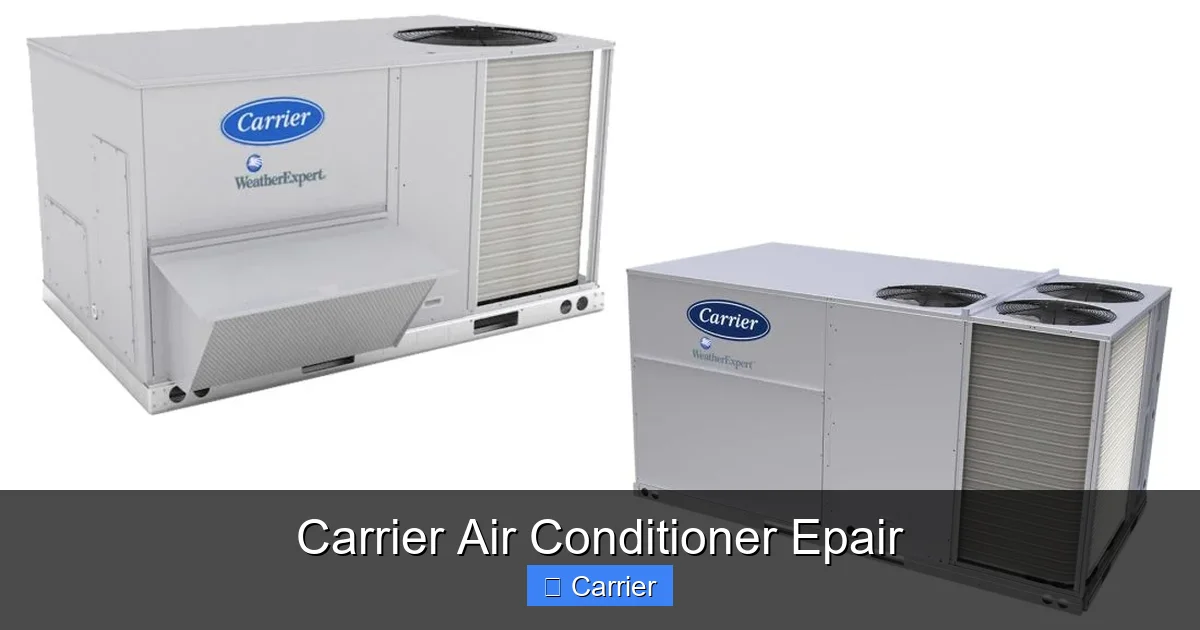
Visual guide about Carrier Air Conditioner Epair
Image source: images.carriercms.com
1. Weak or No Cool Air
The #1 symptom of an AC issue is warm air coming out of the vents—or worse, hot air. This could mean low refrigerant levels, a clogged filter, or a failing compressor. If your thermostat is set correctly but the room still feels stuffy, the problem lies inside the unit.
2. Unusual Noises
Rattling, grinding, squealing, or banging sounds often point to loose parts, debris in the fan, or mechanical wear. For example, a rattling noise near the outdoor condenser may signal a broken fan blade, while a high-pitched whine could mean the compressor is struggling.
3. Water Leaks or Excess Humidity
Condensation is normal, but pooling water around your indoor unit or seeing mold growth suggests a blocked drain line. When the condensate drain gets clogged with algae or dirt, water backs up and drips indoors—a sign your system needs immediate attention.
4. High Energy Bills
If your electricity bill spikes without explanation, your AC might be working harder than necessary. Dirty coils, incorrect refrigerant charge, or a malfunctioning thermostat all reduce efficiency and drive up costs. A professional tune-up can often reverse this trend.
5. Frequent Cycling
Your AC should run for consistent intervals based on humidity and temperature. But if it turns on and off every few minutes, it’s likely overheating due to restricted airflow or electrical faults. This short-cycling wears out components faster and wastes energy.
Don’t ignore these symptoms. Early intervention prevents costly replacements and keeps your home safe and comfortable.
What Happens During a Professional Carrier AC Repair?
When you book a carrier air conditioner repair service, you’re getting more than just someone turning wrenches. Authorized Carrier technicians follow a thorough diagnostic process designed to identify root causes—not just treat symptoms. Here’s what typically happens during a visit:
Step 1: Initial Assessment
The technician arrives with specialized tools and checks basic settings first. They verify thermostat calibration, inspect circuit breakers, and assess overall system operation. This helps determine whether the issue is electrical, mechanical, or related to refrigerants.
Step 2: System Inspection
Next comes a visual and tactile examination. The tech looks at the evaporator and condenser coils for dirt buildup, examines refrigerant lines for leaks, checks fan motors and belts, and tests capacitor function. Every component is evaluated for wear, damage, or misalignment.
Step 3: Diagnostic Testing
Using digital gauges and multimeters, the technician measures voltage, amperage, pressure, and temperature differentials. These readings reveal imbalances that aren’t visible to the naked eye—like low refrigerant levels or failing compressors.
Step 4: Repair Plan & Approval
Before doing any work, the technician explains findings and proposed solutions. You’ll receive a detailed estimate covering parts, labor, and estimated completion time. Only after your approval does the repair begin.
Step 5: Replacement & Reassembly
Repairs may involve tightening connections, replacing capacitors, cleaning coils, recharging refrigerant (if needed), or swapping worn-out parts. All work follows manufacturer specifications and safety protocols.
Step 6: Final Testing & Cleanup
Once repairs are complete, the technician runs the system to confirm proper airflow, cooling capacity, and efficiency. They also clean up the workspace and provide tips for future maintenance.
This structured approach ensures lasting results and preserves your system’s warranty—something DIY attempts can void.
DIY Troubleshooting Tips Before Calling a Technician
While serious electrical or refrigerant issues require professionals, some simple fixes can buy you time or prevent unnecessary service calls. Try these steps before scheduling a carrier air conditioner repair:
Check and Replace Air Filters
A clogged filter restricts airflow and forces the compressor to work harder. Most Carrier models recommend changing filters every 1–3 months during heavy use. Simply locate the return air grille, remove the old filter, slide in a new one (matching size and MERV rating), and secure it tightly.
Clear Obstructions Around Outdoor Unit
Debris like leaves, grass clippings, or toys can block airflow around the condenser coil. Turn off power to the unit, gently sweep away dirt, and trim nearby plants so there’s at least 2 feet of clearance on all sides.
Inspect Thermostat Settings
Make sure your thermostat is set to “cool,” the temperature is lower than ambient room temp, and it’s not in “fan-only” mode. Test it by setting it 8 degrees below current temperature—your AC should kick on within 5–10 minutes.
Listen for Strange Noises
If you hear buzzing near the indoor unit, it could be a loose wire or failing motor. Don’t open panels yourself unless trained—electrical hazards are real. But noting the sound type helps your technician diagnose faster.
Monitor Circuit Breakers
If the breaker trips repeatedly, unplug non-essential devices and reset it. If it flips again immediately, shut everything off and call an electrician. Never bypass breakers—this risks fire hazards.
Remember: if your system still won’t cool after basic checks, it’s best to stop and call a pro. Attempting complex repairs without certification voids warranties and may violate environmental regulations (especially when handling refrigerants).
Why Choose Genuine Carrier Parts for Repairs?
Not all replacement parts are created equal. When your Carrier air conditioner needs a part—whether it’s a capacitor, blower motor, or control board—using Original Equipment Manufacturer (OEM) components makes a huge difference. Here’s why:
- Perfect Fit: OEM parts are engineered specifically for your model, ensuring seamless integration and optimal performance.
- Safety Compliance: Third-party parts may lack rigorous testing and could compromise system safety or efficiency.
- Warranty Protection: Carrier warranties only apply if repairs use genuine parts installed by authorized technicians.
- Longevity: Quality materials mean fewer repeat failures and longer service life between repairs.
Cheaper alternatives might seem tempting, but they often lead to premature breakdowns and higher long-term costs. A $20 third-party capacitor might fail in weeks; a $60 OEM version lasts years. Plus, improper installation can damage other components—turning a $100 fix into a $2,000 replacement.
Always ask your technician if they use OEM parts. Reputable companies proudly display their Carrier authorization status and explain part origins upfront.
Preventive Maintenance: Keep Your Carrier AC Running Smoothly
Regular maintenance is the single best way to avoid unexpected breakdowns and extend your Carrier system’s lifespan. Think of it like oil changes for your car—small investments now prevent big headaches later. Here’s how to stay ahead:
Biannual Professional Tune-Ups
Schedule inspections twice yearly—once before summer (April–May) and once before winter (October). Certified techs will:
- Clean evaporator and condenser coils
- Check refrigerant levels and leak detectors
- Tighten electrical connections
- Lubricate moving parts
- Test safety controls and thermostat accuracy
This routine catches hidden issues early and improves efficiency by 15–20%.
Monthly Homeowner Tasks
You can do these safely:
- Replace or wash reusable filters monthly
- Vacuum vents and registers
- Keep outdoor unit clear of debris
- Monitor unusual sounds or odors
Keep a maintenance log to track filter changes and note any changes in performance.
Upgrade When Needed
Even well-maintained systems eventually age out. Carrier recommends replacing central AC units every 15–20 years. If yours is past decade 10 and repair costs exceed 50% of a new unit’s value, consider upgrading to a modern, ENERGY STAR® model with smart features like Wi-Fi controls and variable-speed compressors.
Investing in preventive care pays dividends—both financially and in peace of mind.
Choosing the Right Carrier Service Provider
With dozens of HVAC contractors offering “Carrier repair” services, how do you pick a trustworthy partner? Follow these criteria:
Verify Authorization
Only Carrier-authorized dealers undergo official training and must pass background checks. Look for “Authorized Carrier Dealer” logos on websites or business cards. Non-authorized shops can’t access proprietary diagnostic software or guaranteed parts pricing.
Check Licensing and Insurance
Ensure the company holds valid contractor licenses and carries liability + workers’ comp insurance. Ask for proof—uninsured repairs leave you liable for accidents or property damage.
Read Reviews and Ask References
Browse Google, Yelp, and Angi for recent feedback. Pay attention to complaints about hidden fees, poor communication, or unfinished jobs. Call references to hear real experiences.
Get Multiple Quotes
Compare written estimates from at least three providers. Be wary of extremely low bids—they often cut corners. Focus on transparency: clear itemization of labor, parts, permits, and cleanup.
Ask About Warranties
Reputable carriers offer labor warranties (usually 1–2 years) and parts guarantees aligned with your unit’s coverage. Avoid companies that refuse to put promises in writing.
Taking time to vet your technician ensures quality work and protects your home and wallet.
Conclusion: Trust the Experts for Reliable Carrier Air Conditioner Repair
Your Carrier air conditioner is a vital part of your home’s comfort and health. When it falters, swift, skilled carrier air conditioner repair restores performance and prevents bigger problems. From diagnosing refrigerant leaks to replacing worn motors, certified technicians bring precision, safety, and warranty compliance to every job.
Whether you’re dealing with weak airflow, strange noises, or skyrocketing bills, remember: most issues have solutions—and waiting too long rarely helps. Combine professional servicing with simple DIY habits, use genuine Carrier parts, and choose authorized providers to maximize your system’s life and efficiency.
Stay cool, save money, and breathe easy knowing expert help is just a call away.
Frequently Asked Questions
How long does a typical Carrier AC repair take?
Most repairs finish within 1–3 hours depending on complexity. Simple fixes like filter replacement take 15 minutes; refrigerant recharge or compressor work may require half a day. Technicians provide timelines upfront.
Why is my Carrier AC leaking water?
Water leaks usually stem from a clogged condensate drain line or frozen evaporator coils. Both cause moisture backup. Turn off the unit immediately to prevent damage, then call a pro—don’t attempt internal disassembly yourself.
Can dirty coils cause poor cooling?
Absolutely. Dust and grime coat coils, reducing heat transfer efficiency by up to 30%. This forces the compressor to overwork, lowering output and raising energy bills. Professional coil cleaning restores performance.
Should I replace or repair my Carrier unit?
Repair if your AC is under 15 years old and the issue is minor. Replace if it’s older, frequently breaks down, or repair quotes exceed half the cost of a new ENERGY STAR model with better SEER ratings.
Are Carrier ACs energy efficient?
Modern Carrier units feature high SEER (Seasonal Energy Efficiency Ratio) ratings—up to 26 for inverter-driven mini-splits. Regular maintenance boosts efficiency by 15–20%, reducing annual operating costs significantly.
What’s included in a biannual maintenance plan?
Plans typically cover coil cleaning, refrigerant checks, electrical inspection, belt lubrication, thermostat calibration, and filter replacement. Some include priority scheduling and discounts on repairs—ideal for busy households.