Can I Drive My Car With a Bad AC Compressor
Driving a car with a bad AC compressor is not recommended due to potential risks to other components of the car and uncomfortable driving conditions. However, it is technically possible to drive with a faulty AC compressor if necessary, but it's crucial to consider the potential consequences.
Image shows a vehicle in winter conditions, used to illustrate driving safety.
Credit: www.kbb.com
Symptoms of a Bad AC Compressor
Before deciding whether you should drive with a bad AC compressor, it's essential to recognize the symptoms. Common signs of a bad AC compressor include:
Odd noises
Worn out serpentine belt
Warm air coming from the vents
Leaking refrigerant
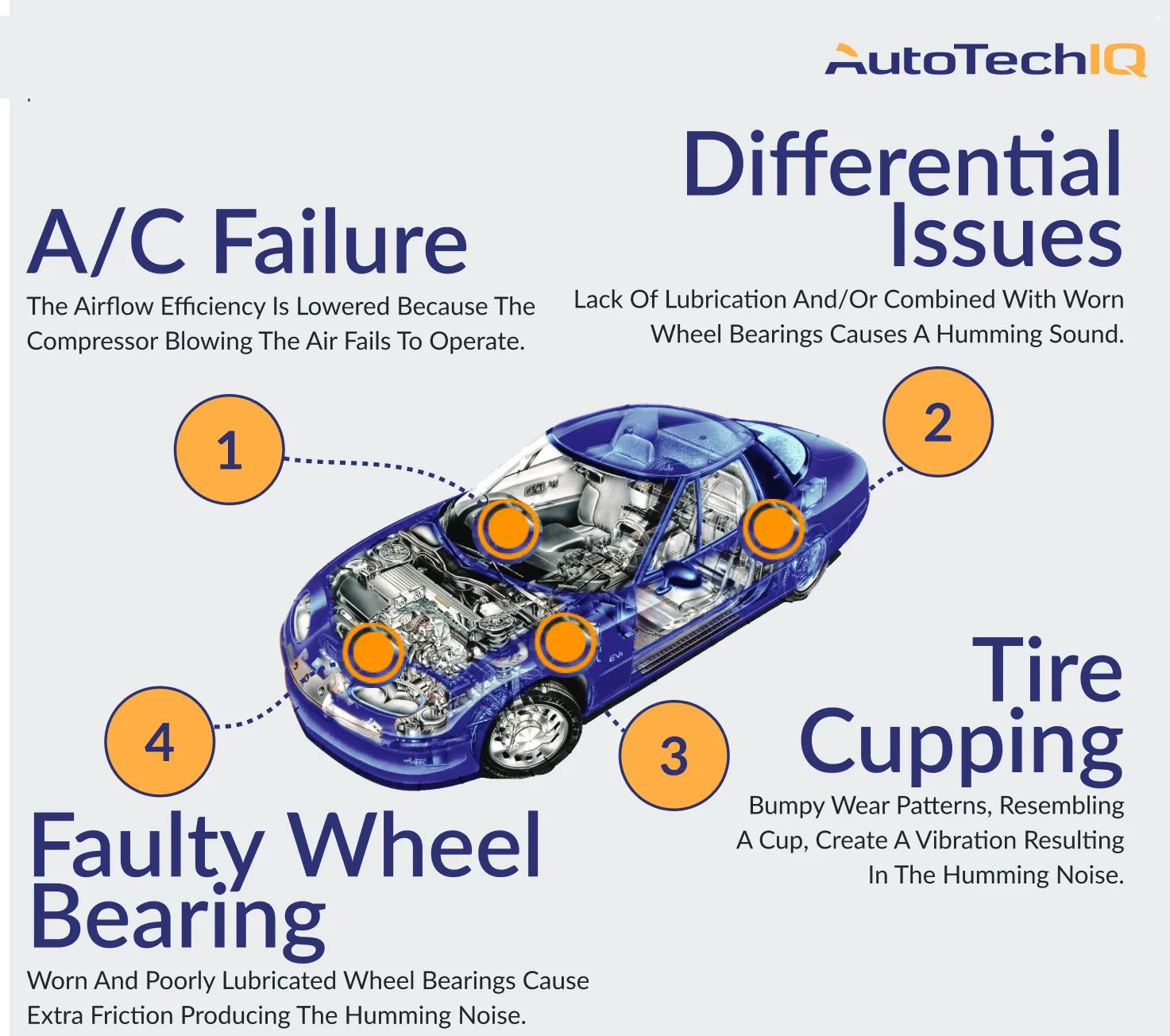
Close-up of a humming AC compressor indicating internal wear.
Credit: www.autotechiq.com
How to Confirm the Compressor Is the Culprit
A quick visual inspection can reveal oil stains around the compressor clutch or a seized pulley. Listening for a metallic grinding when the AC engages helps differentiate compressor failure from a simple belt issue. If you’re comfortable, you can also check refrigerant pressure with a gauge set; abnormally high low‑side pressure often points to a compressor that isn’t pumping. For a step‑by‑step guide, see the troubleshooting steps for warm‑air AC problems.
Potential Risks
While it's possible to operate a vehicle with a faulty AC compressor, it's important to understand the potential risks involved. When the compressor is not functioning properly, it may cause the engine to work overtime, leading to accelerated wear. Continuing to drive with a damaged AC compressor can result in additional damage to the car's engine and the entire air conditioning system.
https://www.youtube.com/watch?v=ucyfAB6qj6A
Short‑Term Workarounds
If you must drive before a repair, turn the AC off and run the blower on “vent” to keep airflow without engaging the compressor. In some vehicles you can also disconnect the compressor clutch relay (consult the owner’s manual) to eliminate the load on the serpentine belt. These measures reduce strain but do not fix the underlying problem.
Effects on Engine
When the AC compressor breaks or malfunctions, it can impose additional strain on the engine, potentially causing it to wear out more quickly. If the compressor seizes, it can contaminate the entire AC system and may damage the serpentine belt. The engine may overheat, and parts of the compressor could even fall into the moving components of the engine, causing even more significant damage.
Impact on Fuel Economy
A dragging compressor forces the engine to burn extra fuel — typically 1–3 % more in city driving — because the belt must overcome the seized pulley. Over a year of daily commuting that can add up to several gallons of wasted fuel. Addressing the compressor promptly restores normal fuel consumption.
Expert Recommendations
Contacting an experienced mechanic or HVAC technician as soon as you notice issues with the AC compressor is crucial. Driving with a bad compressor should be avoided whenever possible to prevent further damage to the vehicle and ensure the safety of the occupants. A professional can diagnose the problem and provide the necessary repairs to avoid potential costly repairs down the line.
Choosing a Qualified Technician
Look for a shop that holds ASE certification in A/C systems and uses refrigerant‑recovery equipment compliant with EPA Section 608. Ask whether they perform a full system flush when replacing a compressor; skipping this step often leads to repeat failures. The seasonal maintenance checklist includes a compressor health check you can request.
Can I Drive My Car With a Faulty AC Compressor?
It’s not advisable to drive with a bad AC compressor, as it can pose risks to other components of the car and lead to uncomfortable driving conditions. While it might be technically possible to operate the vehicle with a faulty compressor, especially for short distances, it's important to address the issue promptly to prevent additional damage and costly repairs.
Cost Comparison: Repair vs. Replace
A compressor clutch replacement averages $350–$600 (parts + labor), while a full compressor swap runs $800–$1,200 on most midsize sedans. If the system is contaminated, a flush and new receiver‑drier add another $150–$250. In many cases, replacing the compressor outright is more economical long‑term because it eliminates the risk of debris circulating through the condenser and evaporator. For help sizing the right unit, see how to choose the right air conditioner for your home — the same principles apply to vehicle systems.
Frequently Asked Questions Of Can I Drive My Car With A Bad Ac Compressor : Safety Tips
Will A Bad Ac Compressor Affect The Engine?
A bad AC compressor can strain the engine, leading to premature wear. Driving with a faulty compressor can damage your car's engine and AC system.
Is It Safe To Run An Ac With A Bad Compressor?
Driving with a bad AC compressor is not recommended. It can cause the engine to work harder and potentially wear out faster. Additionally, running the AC with a faulty compressor can lead to further damage to the entire air conditioning system.
It is best to contact an HVAC technician for assistance to avoid potential disasters.
Can You Drive With Ac Compressor Not Working?
Yes, you can drive your car with a non-functioning AC compressor as long as it does not cause any belt interruptions or seize. However, it is not advisable as it may lead to discomfort and potential risks to other components of the car.
Contact an HVAC technician to address the issue.
Can A Bad Ac Compressor Cause Car To Break Down?
A bad AC compressor can cause a car to break down by putting strain on the engine, potentially leading to damage.
How Long Can I Safely Drive With a Failing Compressor?
There is no fixed mileage; the moment the clutch begins to slip or the pulley seizes, the serpentine belt can shred, leaving you stranded. Plan to have the vehicle inspected within a few days of noticing symptoms.
Does a Bad Compressor Trigger the Check Engine Light?
Usually not directly, but if the compressor seizure causes a loss of belt tension, the alternator may under‑charge and set a charging‑system code. A scan tool can confirm whether the light is related.
Conclusion
Driving a car with a bad AC compressor can lead to a range of potential problems, including accelerated engine wear, damage to the entire air conditioning system, and uncomfortable driving conditions. If you suspect issues with your AC compressor, it’s best to consult a qualified professional for an accurate diagnosis and timely repairs to ensure the safety and functionality of your vehicle.
Schedule a professional AC inspection today to avoid costly engine damage.
For more on keeping your vehicle’s climate system efficient, review the best air‑conditioning settings for energy efficiency.
According to the National Highway Traffic Safety Administration, maintaining proper HVAC function contributes to driver alertness and overall vehicle safety (https://www.nhtsa.gov/vehicle-safety).
Preventive Maintenance Tips to Extend Compressor Life
Regular maintenance can prevent premature compressor failure. Replace the cabin air filter annually, keep condenser fins clean, and run the AC for 10 minutes monthly even in winter to circulate oil. Schedule a professional system check every two years to catch leaks early. For more on emerging compressor technologies, see recent advances in AC systems.