It’s a sweltering summer day, and you’ve just cranked up the air conditioning for some much-needed relief. But then, you start feeling that familiar pressure in your sinuses. Could your cool, comfortable air actually be the culprit? This article explores the potential link between air conditioning and sinus infections , helping you understand the risks, preventative measures, and how to best protect your respiratory health during those hot summer months.
Air Conditioning and Sinus Health: The Connection
This section explores the relationship between air conditioning use and the development of sinus infections. We’ll examine how changes in air temperature, humidity, and air quality can impact your sinuses and increase your susceptibility to illness. Understanding these factors can help you minimize your risk.
Dry Air and Sinus Irritation
Air conditioning systems often dry out the air, reducing humidity levels. This dry air can irritate the delicate membranes lining your nasal passages and sinuses, making them more vulnerable to infection.
Dry air can thicken mucus, making it more difficult for your body to clear irritants and pathogens from your sinuses efficiently. This increased mucus viscosity can lead to congestion and the development of infection.
Ideal indoor humidity for sinus health sits between 30% and 50%. Below 30%, mucous membranes dry out and crack; above 50%, dust mites and mold thrive. A inexpensive hygrometer lets you monitor this in real time. In practice, many homes run 20–25% in summer without a humidifier — well into the irritation zone.
Temperature Fluctuations and Sinus Pressure
Rapid transitions between hot, humid outdoor air and the cool, dry air conditioned environment can trigger sinus pressure changes and headaches, creating a breeding ground for infections. Frequent temperature changes stress your immune system, making you susceptible to illness.
The resulting sinus pressure and inflammation can make your sinuses more vulnerable to bacterial or viral infections. The discomfort of sinus pressure itself is often a significant issue.
A common mistake is setting the thermostat more than 10–12°F below the outdoor temperature. Stepping from 95°F into a 68°F room shocks nasal vasculature. Instead, aim for a 7–10°F differential and give your body 5–10 minutes in a transitional space (garage, shaded porch) when possible.
Poor Air Quality and Allergens
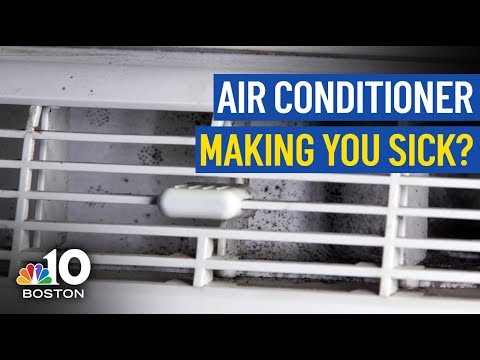
If your air conditioning system is not properly maintained, it can circulate dust, mold, and other allergens. These irritants can worsen existing sinus problems and even trigger a sinus infection.
Older air conditioning systems may contain mold and mildew buildup within the ducts and vents, leading to the propagation of harmful microorganisms directly into your breathing air. Regular maintenance greatly reduces this.
Ducted systems accumulate dust and microbial growth in ductwork over years; ductless mini-splits avoid duct reservoirs but need coil and filter attention on each head. Either way, a professional coil cleaning every 2–3 years removes biofilm that routine filter changes miss.
Preventing Air Conditioning-Related Sinus Infections
This section will cover practical strategies to mitigate the negative effects of air conditioning on your sinus health, focusing on proactive measures to reduce your risk of infection. We will explore ways to maintain proper indoor humidity and air quality.
Maintaining Optimal Humidity Levels
Use a humidifier to add moisture to the air, especially in dry climates or during prolonged air conditioning use. This helps prevent nasal passages from drying out.
A properly humidified environment makes your nasal mucus less viscous and easier to expel, preventing congestion.
Pair a whole-house humidifier (if you have central air) or a room-scale ultrasonic unit with a digital hygrometer. Target 40% RH. Clean humidifier tanks weekly with diluted vinegar to prevent becoming a mold source themselves. Many newer smart thermostats and innovative air conditioning systems now integrate humidity sensors and can drive a humidifier automatically.
Regular Air Conditioning Maintenance
Schedule regular maintenance checks for your air conditioning system to ensure proper air filtration and prevent the buildup of dust, mold, and other allergens.
Cleaning or replacing air filters frequently reduces the amount of irritants circulating in the air, improving overall air quality and reducing allergy symptoms.
A practical monthly checklist: (1) inspect filter — replace if gray or clogged; (2) vacuum return grilles; (3) flush condensate drain line with ¼ cup vinegar; (4) check outdoor coil for debris. Deeper tasks — coil cleaning, refrigerant check, blower wheel inspection — belong on a seasonal air conditioning maintenance tips schedule with a licensed tech.
Improving Indoor Air Quality
Consider using air purifiers with HEPA filters to remove airborne particles, including dust, pollen, and mold spores.
Regular cleaning of your home, especially areas with high dust accumulation, prevents the spread of irritants and reduces the risk of respiratory ailments.
Place a HEPA purifier in the bedroom where you sleep 7–8 hours; that’s the highest-impact single location. Run it on low continuously rather than high intermittently. For whole-home coverage, a MERV 11–13 filter in the return (if your blower can handle the pressure drop) captures far more than a standard MERV 6 panel. The EPA notes that source control and ventilation remain the primary strategies, with filtration as a supplement (EPA Indoor Air Quality).
Understanding Sinus Infections
This section delves into the nature of sinus infections (sinusitis), explaining the various types, symptoms, and contributing factors beyond air conditioning. Understanding this will provide a more complete picture of sinus health.
Types of Sinusitis
Acute sinusitis: This is a short-term infection, usually lasting less than four weeks. Symptoms typically include facial pain, pressure, congestion, and fever.
Subacute sinusitis: This lasts between four and twelve weeks. Symptoms are similar to acute sinusitis, but the duration is longer.
Chronic sinusitis: This is a long-term infection, lasting longer than twelve weeks. It can cause persistent symptoms and may require long-term treatment.
Symptoms of Sinusitis
Common symptoms include facial pain or pressure, nasal congestion, runny nose (often thick, discolored mucus), decreased sense of smell, headache, fever, and cough. The severity of symptoms varies depending on the type and severity of the infection.
Causes of Sinusitis
Sinus infections are most commonly caused by viral infections, such as the common cold. Bacterial infections can also cause sinusitis, especially if a viral infection has weakened the immune system. Allergies and nasal polyps can also contribute to sinus inflammation and infection.
Treating a Sinus Infection
Treatment for sinusitis depends on the type of infection and its severity. Viral infections often resolve on their own with supportive care, such as rest, fluids, and over-the-counter pain relievers. Bacterial infections may require antibiotics.
High-Risk Groups and Special Considerations
Certain populations feel AC-related sinus effects more acutely. Young children have narrower nasal passages that swell shut faster. Older adults often have reduced mucociliary clearance and take medications that dry mucosa further. People with asthma, cystic fibrosis, or immunocompromising conditions face higher complication rates from any sinus insult. If you fall in these groups, keep humidity at the upper end of the 30–50% range, use saline irrigation daily during heavy AC season, and discuss a personalized plan with your ENT or allergist.
Choosing an AC System for Sinus Health
When it’s time to replace or upgrade, features that protect sinuses overlap with energy efficiency and comfort. The table below compares common residential options on sinus-relevant criteria.
| System Type | Humidity Control | Filtration Potential | Duct Reservoir Risk | Typical Install Cost | Best For |
|---|---|---|---|---|---|
| Central ducted (variable-speed) | Excellent with integrated humidifier/dehumidifier | MERV 11–13 + UV add-on possible | Moderate (ducts need cleaning) | $$$$ | Whole-home, existing ductwork |
| Ductless mini-split (multi-head) | Good per-zone, no central humidifier | Washable mesh + optional HEPA cartridge | Low (no ducts) | $$$ | Add-ons, no ducts, zone control |
| High-velocity small-duct | Good, dedicated dehumidification mode | MERV 8–11 typical | Low (small ducts, less surface) | $$$$ | Retrofits, historic homes |
| Window / portable | Poor (on/off only) | Basic mesh only | None | $ | Single room, rental, budget |
In practice, variable-speed central systems with a communicating thermostat maintain the steadiest humidity because they run longer at lower capacity — pulling more moisture per cycle. If you’re comparing quotes, ask each contractor how the proposed equipment handles latent (humidity) load at part-load conditions. Our guide on how to choose the right air conditioner for your home walks through sizing and feature trade-offs in more detail.
Daily Habits to Protect Your Sinuses While Using AC
- Saline rinse once daily (neti pot or squeeze bottle) during peak AC season — flushes irritants, restores moisture.
- Hydrate — aim for 2–3 L water daily; mucus is 98% water.
- Nasal gel or spray (saline with xylitol) before bed if you wake congested.
- Limit directional airflow — don’t sleep or work directly under a supply register; deflectors cost $5.
- Ventilate briefly — open windows 10 minutes morning/evening when outdoor dew point is below 60°F to reset indoor microbiome.
- Filter reminders — set a phone calendar alert every 30 days for 1″ filters, 90 days for 4″ media.
Debunking Myths About Air Conditioning and Sinus Infections
This section will clarify common misconceptions about air conditioning and its impact on sinus health. We will address misleading beliefs and provide accurate information.
Myth 1: Air conditioning always causes sinus infections.
False. While air conditioning can contribute to sinus problems by drying out the air and circulating allergens, it doesn’t directly cause infections. Infections are caused by viruses, bacteria, or fungi.
Myth 2: Turning off air conditioning completely will eliminate the risk.
False. Extreme heat and humidity can be equally, if not more, detrimental to sinus health. The key is proper maintenance and humidity control, not complete avoidance of air conditioning.
Myth 3: All air conditioners are equally detrimental to sinus health.
False. Well-maintained systems with proper filtration can significantly minimize the risk compared to older, poorly maintained units.
FAQ
Can cold air directly cause a sinus infection?
No, cold air itself cannot directly cause a sinus infection. However, very cold, dry air can irritate the nasal passages and make them more susceptible to infection by viruses or bacteria.
How can I tell if my sinus infection is caused by air conditioning?
It’s difficult to definitively say an infection is solely due to air conditioning. However, if your symptoms started soon after increased air conditioning use, and you notice dry air or poor air quality, it could be a contributing factor.
What are the long-term effects of neglecting sinus infections?
Untreated sinus infections can lead to chronic sinusitis, which causes persistent symptoms and may lead to complications like infections of the eyes or bones surrounding the sinuses.
Are there any specific air conditioners that are better for sinus sufferers?
Air conditioners with HEPA filters and humidifiers offer superior air quality, potentially reducing sinus irritation. Look for units that allow for humidity control.
Should I see a doctor if I suspect an air conditioning-related sinus infection?
Yes, it’s best to consult a doctor if you experience persistent sinus symptoms. They can properly diagnose the condition and recommend appropriate treatment.
Is it possible to prevent sinus infections entirely?
While complete prevention is difficult, maintaining good hygiene, strengthening your immune system, and managing environmental factors like air quality and humidity can significantly reduce your risk.
What if I experience sinus pain after using the air conditioner?
Sinus pain after air conditioning use suggests sinus irritation from dry air. Try using a humidifier or saline nasal spray to alleviate discomfort.
Can oversized air conditioners make sinus problems worse?
Yes. An oversized unit short-cycles — it cools the air quickly but doesn’t run long enough to remove meaningful moisture. The result: cold, clammy air that feels damp yet leaves nasal passages irritated. Proper sizing (Manual J calculation) is critical; see our AC installation guide for what to ask your contractor.
Do smart thermostats help with sinus health?
They can. Models with humidity sensors and “dry air” or “comfort” modes will over-cool slightly to pull extra moisture, then reheat — maintaining a tighter RH band without manual humidifier tweaks. Pair with a best air conditioning settings for energy efficiency strategy to avoid bill shock.
Is there a difference between heating and cooling season sinus risks?
Absolutely. Winter heating dries air even more aggressively (often 10–15% RH indoors). The same humidification, filtration, and hydration habits apply year-round. If you have a heat pump, the defrost cycle in winter can blast cold, dry air — a whole-house humidifier on the supply plenum solves this.
Final Thoughts
While air conditioning itself doesn’t directly cause sinus infections, it can create an environment that makes you more susceptible. By understanding the relationship between air conditioning and sinus health, and by implementing the preventative measures discussed, you can significantly reduce your risk. Remember to prioritize proper humidity levels, regular air conditioning maintenance, and good indoor air quality to protect your respiratory health, especially during the hotter months. If you experience persistent sinus problems, consult a healthcare professional for diagnosis and treatment.
Ready to upgrade to a system that manages humidity and filtration automatically? Explore the latest air conditioning innovations or browse top-rated residential HVAC systems matched to your climate and budget.