Aire Acondicionado Essentials: Cool Tips for Peak Performance
Aire Acondicionado: Everything You Need to Know
Air conditioning is essential for many homes and offices. It keeps us cool in hot weather. But there is more to learn about air conditioning. Let’s explore its benefits, types, and how to take care of it.
What is Aire Acondicionado?
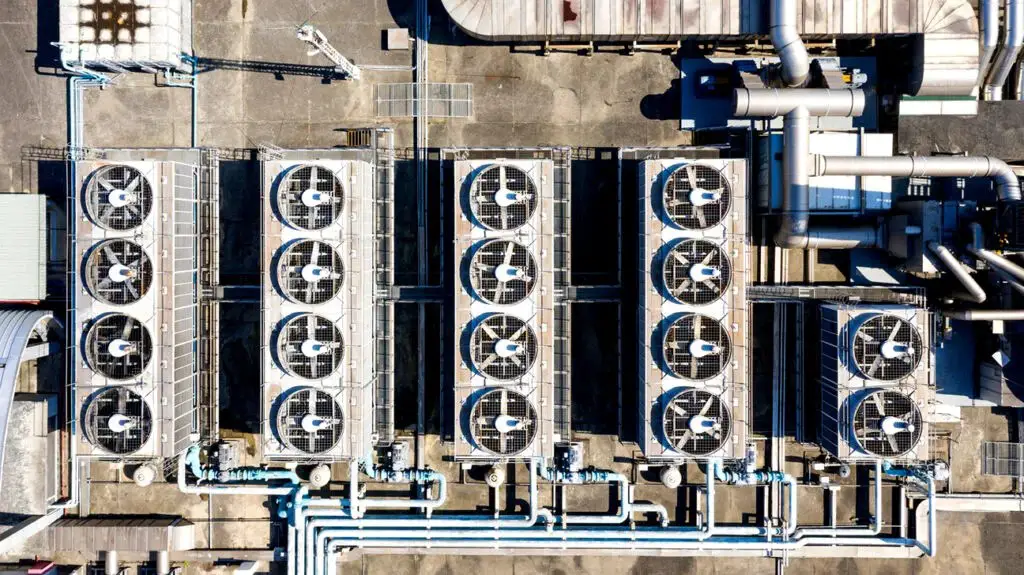
Aire acondicionado, or air conditioning, cools the air in a room or building. It removes heat and humidity, making the space comfortable. Air conditioning is common in homes, schools, and offices.
https://www.youtube.com/watch?v=idSKb7zzOeM
Benefits of Air Conditioning
Air conditioning has many benefits for us. Here are some of them:
Comfort: It keeps the indoor temperature cool.
Air Quality: It filters dust and allergens from the air.
Better Sleep: Cool air helps us sleep well.
Increased Productivity: Comfortable temperatures help us work better.
Types of Air Conditioners
There are different types of air conditioners. Each type has its pros and cons. Let’s look at the most common ones:
1. Window Air Conditioners
Window air conditioners fit in a window. They are easy to install and remove. They cool one room at a time. They are a good choice for small spaces.
2. Split Air Conditioners
Split air conditioners have two parts: an indoor unit and an outdoor unit. The indoor unit cools the room. The outdoor unit releases hot air. They are quiet and efficient.
3. Portable Air Conditioners
Portable air conditioners are easy to move. They have wheels, so you can move them from room to room. They are good for temporary cooling needs.
4. Central Air Conditioning
Central air conditioning cools the entire building. It has a big system with ducts in the walls. It is the most effective for large spaces.
Type Pros Cons
Window Easy to install, Affordable Only cools one room, Noisy
Split Quiet, Efficient Expensive, Needs professional installation
Portable Movable, Easy to set up Less efficient, Takes up floor space
Central Cools entire building, Efficient Very expensive, Complex to install
 LG inverter model highlighting energy-saving technology
Sizing Your Air Conditioner Correctly
Choosing the correct capacity is the single biggest factor in comfort and efficiency. A rule of thumb is 20 BTU per square foot of living space, but ceiling height, insulation, window orientation, and local climate all shift the number. For a precise figure, run a Manual J load calculation or consult a qualified HVAC technician. For a quick reference, see our guide on selecting the right unit.
Understanding SEER and SEER2 Ratings
SEER (Seasonal Energy Efficiency Ratio) measures cooling output divided by energy consumed over a typical season. Since 2023 the U.S. has transitioned to SEER2, which uses a more realistic test procedure and generally yields slightly lower numbers. Higher SEER2 ratings mean lower operating costs; many utility rebates now require a minimum of 15 SEER2 for split systems. Look for the yellow EnergyGuide label and consider Energy Star certified models for the best balance of performance and savings.
How to Choose the Right Air Conditioner
Choosing the right air conditioner depends on your needs. Here are some tips to help you decide:
Room Size: Measure the room’s size. This helps you pick the right unit.
Budget: Set a budget. Air conditioners come in different price ranges.
Energy Efficiency: Look for energy-efficient models. They save money on electricity bills.
Noise Level: Check the noise level. Some units are quieter than others.
Installation: Consider the installation process. Some units need professional help.
Ready to find the perfect unit? Explore our guide on selecting the right unit.
Smart Thermostats and Automation
Smart thermostats learn your schedule, adjust temperatures when you’re away, and can be controlled from a phone. They often integrate with utility demand‑response programs for extra bill credits. Pairing a smart thermostat with a variable‑speed compressor can shave 10‑15 % off cooling costs. Learn more about optimal thermostat settings for your system.
Refrigerant Types and Environmental Impact
Most residential units now use R‑410A, but the industry is shifting to lower‑GWP refrigerants like R‑32 and R‑454B. These alternatives reduce global‑warming potential by 60‑80 % while delivering comparable capacity. New installations should specify the refrigerant type, and technicians must be EPA‑certified to handle them. For details on current rules, review the refrigerant regulations.
Maintaining Your Air Conditioner
Keeping your air conditioner in good shape is important. Regular maintenance helps it work better and last longer. Here are some maintenance tips:
1. Clean The Filters
Dirty filters reduce airflow and efficiency. Clean or replace them every month.
2. Check The Coils
Coils can get dirty over time. Clean them at least once a year. This helps the unit cool better.
3. Inspect The Fins
The fins on the coils can bend. Use a fin comb to straighten them. This improves airflow.
4. Clear The Drain
Check the drain for clogs. A clogged drain can cause water damage. Clear it regularly.
5. Schedule Professional Maintenance
Have a professional check your air conditioner once a year. They can fix any problems and keep it running smoothly.
Seasonal Maintenance Checklist
A concise seasonal plan prevents surprise breakdowns:
- Spring – Replace filters, clean outdoor coil, verify refrigerant charge, test thermostat calibration.
- Summer – Check condensate drain weekly, monitor airflow at registers, listen for unusual noises.
- Fall – Clear debris from around the condenser, inspect insulation on suction line, schedule professional tune‑up.
- Winter – Cover the outdoor unit (if recommended by manufacturer), shut off power to the condenser, store portable units indoors.
For a printable version, see our seasonal upkeep checklist.
Installation Best Practices
Proper installation determines both performance and longevity. Keep these points in mind:
- Locate the outdoor unit on a level pad with at least 12 inches of clearance on all sides for airflow.
- Run refrigerant lines with minimal bends; use flared connections and torque to spec.
- Seal all ductwork with mastic or UL‑181 tape; avoid duct tape.
- Verify electrical circuit matches the nameplate rating and install a dedicated disconnect.
- Pull a vacuum to 500 microns before charging; weigh in refrigerant per manufacturer’s chart.
For central systems, follow the central system setup guide. For ductless splits, review split system mounting tips.
Energy Efficiency and Air Conditioning
Energy efficiency is important for air conditioners. It helps save money and the environment. Here are some tips to make your air conditioner more energy-efficient:
Use a Programmable Thermostat: Set it to adjust the temperature when you’re not home.
Seal Doors and Windows: Prevent cool air from escaping.
Use Fans: Ceiling fans help circulate cool air.
Close Curtains: Block sunlight to keep the room cool.
Maintain Your Unit: Regular maintenance keeps it running efficiently.
Want to cut your cooling costs further? Check the optimal thermostat settings for maximum savings.
Advanced Energy-Saving Strategies
Beyond the basics, consider these upgrades:
- Variable‑speed compressors modulate capacity to match load, eliminating short‑cycling losses.
- Zoning systems with motorized dampers let you cool only occupied zones.
- High‑R‑value insulation and low‑E windows reduce the cooling load at the source.
- Demand‑controlled ventilation brings in fresh air only when CO₂ levels rise.
Stay current on emerging tech with our roundup of latest cooling technologies.
Common Air Conditioning Problems
Sometimes, air conditioners can have problems. Here are some common issues and how to fix them:
1. Air Conditioner Not Cooling
Check the thermostat settings. Make sure the filter is clean. If it still doesn’t cool, call a professional.
2. Water Leaking
Check the drain for clogs. Make sure the unit is level. If it still leaks, call a professional.
3. Strange Noises
Noises can mean a problem with the fan or motor. Turn off the unit and call a professional.
4. Bad Smells
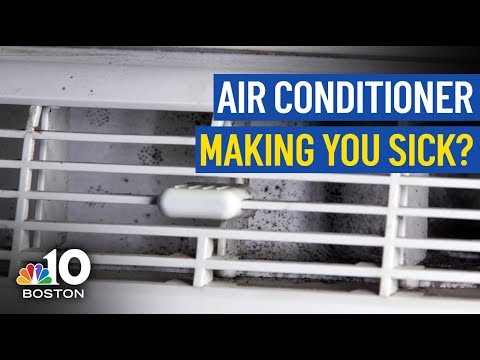
Bad smells can come from mold or dirt. Clean the unit and replace the filter. If the smell persists, call a professional.
Troubleshooting Flowchart
A quick decision tree can narrow the fault before you call a technician:
- No power → Check breaker, disconnect, thermostat batteries.
- Runs but no cooling → Verify filter, outdoor coil clean, refrigerant pressure.
- Short cycles → Inspect thermostat location, oversize check, refrigerant charge.
- Water leak → Clear condensate line, ensure unit level, check drain pan.
- Odd noises → Isolate fan vs. compressor; lubricate or replace bearings.
If the issue persists, review our guide on diagnosing warm airflow.
When to Call a Professional
Call a licensed HVAC contractor when you encounter:
- Refrigerant leaks or low charge (requires EPA‑certified handling).
- Compressor or capacitor failure (high‑voltage components).
- Persistent electrical tripping (possible wiring fault).
- Mold growth inside the air handler (health hazard).
- System age > 15 years with frequent repairs (cost‑benefit replacement).
For condenser‑specific diagnostics, see condenser issue diagnosis.
 Portable AC unit with wheels for mobility
Frequently Asked Questions
What Is An Air Conditioner?
An air conditioner cools indoor spaces by removing heat and humidity.
How Does An Air Conditioner Work?
It circulates refrigerant to absorb and expel heat, cooling the air.
What Are The Types Of Air Conditioners?
Types include window units, split systems, portable units, and central AC.
How To Maintain An Air Conditioner?
Regularly clean filters, check refrigerant levels, and inspect components.
What Size Air Conditioner Do I Need?
Use the 20 BTU per square foot rule as a starting point, then adjust for ceiling height, insulation, and climate. A professional Manual J calculation gives the most accurate sizing.
How Often Should I Replace the Air Filter?
Standard 1‑inch filters should be checked monthly and replaced at least every 90 days; high‑efficiency pleated filters can last 6‑12 months but still need periodic inspection.
Can I Install a Split System Myself?
While handy homeowners can mount the indoor unit, refrigerant line brazing, vacuum evacuation, and charge weighing require EPA‑certified tools and training. Most manufacturers void the warranty if a licensed contractor does not perform the install.
What Is SEER2 and Why Does It Matter?
SEER2 is the updated efficiency metric (effective 2023) that reflects real‑world conditions more accurately than the old SEER. Higher SEER2 ratings qualify for larger rebates and lower lifetime operating costs.
Are Smart Thermostats Worth the Investment?
For most homes, a smart thermostat pays for itself in 1‑2 years through schedule optimization and utility demand‑response incentives, especially when paired with a variable‑speed system.
Looking for a step‑by‑step install walkthrough? See our central system setup guide.
Conclusion
Air conditioning is important for comfort and health. There are different types to choose from. Regular maintenance keeps your unit running well. Energy efficiency helps save money and the environment. If you have problems, don’t hesitate to call a professional. Enjoy the cool air and stay comfortable!