Air Conditioner Service: Everything You Need to Know
An air conditioner keeps your home cool and comfortable. But, like any machine, it needs regular service. This article will help you understand all about air conditioner service.
Why is Air Conditioner Service Important?
Servicing your air conditioner has many benefits. Here are some key reasons:
Improves Efficiency: A well-serviced AC works better and uses less energy.
Following the latest Energy Star guidelines can further reduce consumption. Energy Star guidelines For more on this, see our guide on air conditioner vs heat pump cost.Extends Lifespan: Regular service helps your air conditioner last longer.
Prevents Breakdowns: Routine checks can catch problems before they become big issues.
Maintains Air Quality: Clean filters and parts mean cleaner air in your home.
Additional health benefit: Consistent maintenance reduces mold and allergen buildup, which is especially valuable for households with asthma or allergy sufferers.
How Often Should You Service Your Air Conditioner?
Most experts recommend servicing your air conditioner once a year. The best time to do this is in the spring. This ensures your AC is ready for the hot summer months. If your AC is used heavily, consider servicing it twice a year. For more on this, see our guide on air conditioner versus heat pump.
In hotter climate zones or for systems that run continuously, a seasonal upkeep checklist in early spring and early fall helps catch wear before peak demand. seasonal upkeep checklist
Schedule your spring tune‑up today to avoid summer surprises.
Steps Involved in Air Conditioner Service
Air conditioner service involves several steps. Here is what you can expect:
1. Inspection
The technician will inspect the entire unit. They will check for any visible damage or wear and tear.
2. Cleaning
The technician will clean the coils, filters, and other parts. Clean parts help the AC work more efficiently.
3. Refrigerant Level Check
The refrigerant is the fluid that cools the air. The technician will check the level and refill it if necessary.
Modern units often use R‑410A or newer low‑GWP blends; technicians should verify the correct type for your model.
4. Thermostat Check
The technician will check if the thermostat is working correctly. They will calibrate it if needed.
5. Electrical Component Check
The technician will inspect the electrical connections and components. They will fix any loose or damaged wires.
6. Lubrication
Moving parts need lubrication to work smoothly. The technician will lubricate the motor and other moving parts.
7. Performance Test
Finally, the technician will test the AC to ensure it is working correctly. They will measure the airflow and temperature.
Service Step Description
Inspection Check the entire unit for damage.
Cleaning Clean coils, filters, and other parts.
Refrigerant Level Check Check and refill refrigerant if needed.
Thermostat Check Ensure the thermostat works correctly.
Electrical Component Check Inspect and fix electrical connections.
Lubrication Lubricate moving parts.
Performance Test Test the AC for proper operation.
https://www.youtube.com/watch?v=s6NHxfKUkUo
Technician checking the condenser coil during a routine service.
DIY Air Conditioner Maintenance Tips
While professional service is important, you can also do some maintenance yourself. Here are some tips:
1. Change The Filters
Filters should be changed every 1-3 months. Clean filters improve air quality and efficiency.
2. Clean The Coils
Coils can get dirty over time. Use a soft brush to clean them gently.
3. Check The Thermostat
Ensure your thermostat is set to the right temperature. Consider upgrading to a programmable thermostat.
Setting the thermostat to 78 °F (26 °C) when home and higher when away follows optimal temperature settings for 2026. optimal temperature settings
4. Keep The Area Around The Unit Clear
Remove any debris or plants around the outdoor unit. This helps with proper airflow.
Safety note: Always shut off power at the breaker before cleaning coils or accessing internal components.
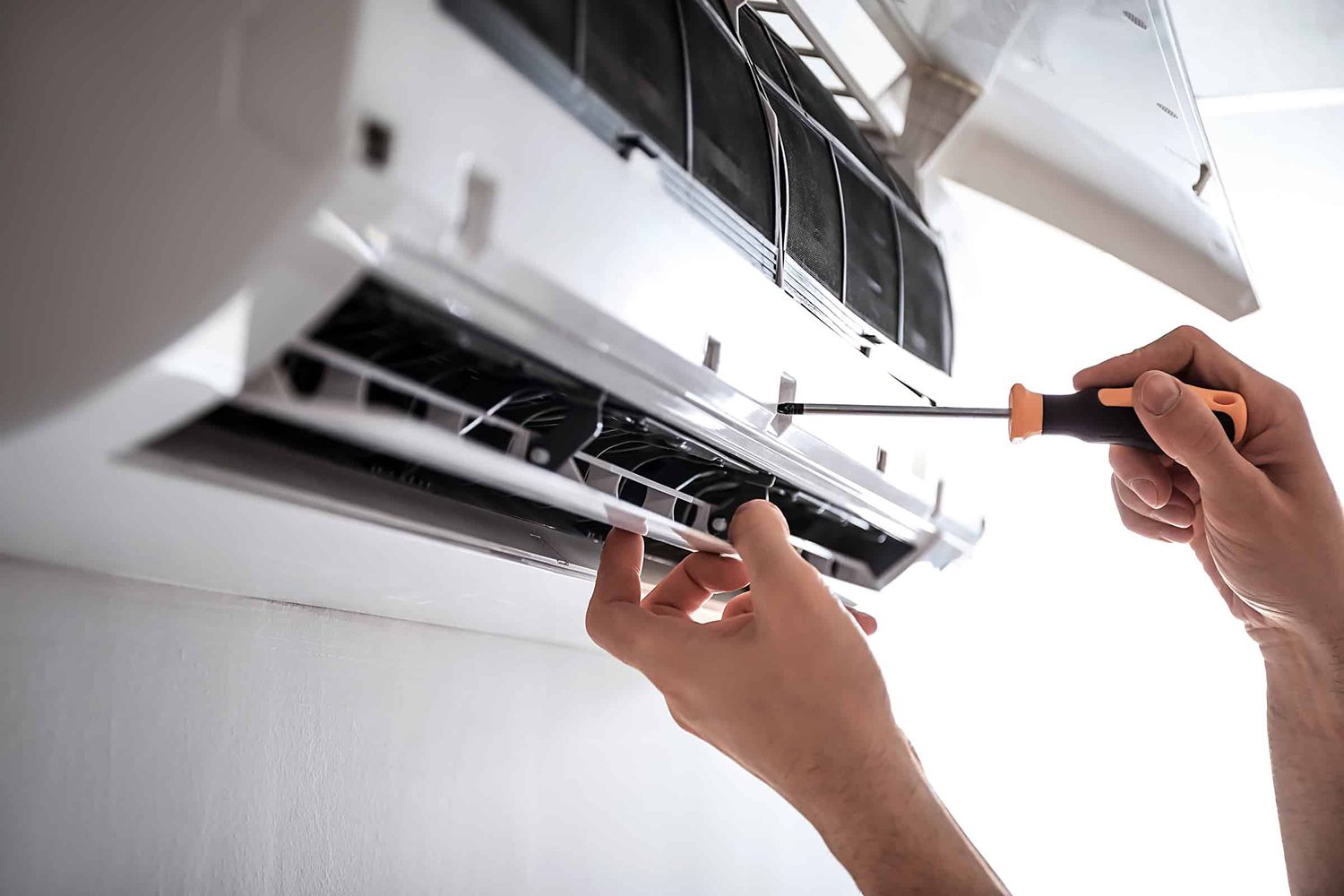 Clearing leaves and grass from around the outdoor unit improves airflow.
When to Call a Professional
Some issues need a professional. Here are some signs you should call for help:
Strange Noises: If your AC makes unusual sounds, call a technician.
Poor Cooling: If your home isn't cooling properly, get it checked.
High Energy Bills: A sudden increase in bills may mean your AC needs service.
Frequent Cycling: If the AC turns on and off frequently, call a professional.
Refrigerant leak warning: A hissing sound or ice buildup on the evaporator coil often signals a leak — this requires certified handling and should never be attempted as DIY.
Choosing the Right Air Conditioner Service Provider
It's important to choose the right service provider. Here are some tips:
1. Check Reviews And Ratings
Look for reviews online. High ratings and good reviews are a positive sign.
2. Ask For Recommendations
Ask friends or family for recommendations. Personal experiences can be very helpful.
3. Verify Credentials
Ensure the technician is licensed and insured. This protects you in case of any issues.
4. Get Multiple Quotes
Ask for quotes from several providers. Compare prices and services offered.
Warranty tip: Confirm that the service visit won’t void any manufacturer warranty; many brands require authorized technicians for covered repairs.
Compare local technicians now for the best value.
Cost Considerations for Professional Service
Typical residential AC tune‑up costs range from $80 to $150, depending on system size and region. Additional charges may apply for refrigerant top‑offs, coil cleaning, or parts replacement. Request an itemized estimate before work begins to avoid surprises.
Seasonal Maintenance Checklist
- Spring: Professional inspection, coil cleaning, refrigerant check, thermostat calibration.
- Summer: Monthly filter changes, keep outdoor unit clear, monitor energy bills.
- Fall: Second professional visit if heavy use, inspect ductwork for leaks.
- Winter: Cover outdoor unit (if applicable), run the system briefly monthly to keep seals lubricated.
Energy‑Saving Settings for 2026
- Set thermostat to 78 °F (26 °C) when occupied; raise 5‑7 °F when away.
- Enable “eco” or “energy‑saver” mode on smart thermostats.
- Use ceiling fans to allow a higher thermostat setting without comfort loss.
- Seal duct leaks and add insulation where accessible.
Emerging Cooling Technologies
Variable‑speed compressors, inverter‑driven units, and refrigerant‑free solid‑state cooling are entering the residential market. These innovations can cut energy use by 20‑30 % compared with conventional single‑speed systems. Staying informed about latest cooling tech helps when planning a replacement. latest cooling tech
Frequently Asked Questions
What Is Air Conditioner Servicing?
Air conditioner servicing involves cleaning, inspecting, and maintaining your AC to ensure optimal performance and longevity.
How Often Should Ac Be Serviced?
Service your air conditioner at least once a year to maintain efficiency and prevent breakdowns.
Why Is Ac Servicing Important?
Regular servicing improves efficiency, extends lifespan, and prevents costly repairs by identifying issues early.
Can I Service My Ac Myself?
Basic tasks like cleaning filters can be DIY. However, professional servicing ensures thorough maintenance and safety.
Additional FAQs
What Is the Typical Cost of an Annual Tune‑Up?
Most homeowners pay between $80 and $150 for a standard maintenance visit; prices vary by region and system complexity.
Does Regular Maintenance Void the Manufacturer Warranty?
No — routine maintenance performed by a licensed technician typically preserves warranty coverage; always keep service records.
How Can I Tell If My Refrigerant Is Low?
Signs include reduced cooling, ice on the evaporator coil, and a hissing noise. A professional pressure test confirms the level.
Are Smart Thermostats Worth the Investment?
Yes — they automate temperature schedules, provide usage insights, and can reduce cooling costs by 10‑15 % when used correctly.
Conclusion
Regular air conditioner service is essential. It improves efficiency, extends the lifespan, and maintains air quality. Follow our DIY tips and know when to call a professional. Choose a reliable service provider for the best results. Stay cool and comfortable all year round!