Title: Air Conditioner Sales Skyrocket: Beat the Heat!
Air Conditioner Sales: Your Ultimate Guide
Are you looking to buy an air conditioner? This guide will help you. Air conditioners keep us cool. They are important for comfort. This guide covers all you need to know.
As of 2026, the market continues to expand with higher SEER standards and a growing selection of smart‑connected models. For the latest federal efficiency guidelines, see the U.S. Department of Energy’s seasonal purchasing guide. For more on this, see our guide on air conditioner vs heat pump cost.
Why Buy an Air Conditioner?
Air conditioners make hot days bearable. They cool the air in your home. This makes you feel comfortable. They also clean the air. This is good for your health.
Comfort: Air conditioners keep your home cool.
Health: They filter out dust and allergens.
Sleep: Cool air helps you sleep better.
Types of Air Conditioners
There are different types of air conditioners. Each type has its own benefits. Here are the main types:
Window Air Conditioners
Window air conditioners fit in a window. They are easy to install. They are good for cooling one room.
Split Air Conditioners
Split air conditioners have two parts. One part is inside. The other part is outside. They are quiet and efficient.
Portable Air Conditioners
Portable air conditioners can be moved. They are good for small spaces. They do not need to be installed.
Central Air Conditioners
Central air conditioners cool the whole house. They use ducts to spread cool air. They are best for large homes.
Choosing the Right Air Conditioner
Choosing the right air conditioner is important. Here are some things to consider:
When selecting the proper size, it helps to review a detailed buying guide that walks through load calculations and climate adjustments. For more on this, see our guide on air conditioner versus heat pump.
Room Size
The size of your room matters. A small air conditioner won’t cool a big room. Measure your room before you buy.
Room Size (sq. ft.) BTUs Needed
100-150 5,000
150-250 6,000
250-300 7,000
300-350 8,000
350-400 9,000
Adjust the baseline BTU figure upward for high ceilings, heavy sun exposure, or poor insulation; a quick rule of thumb adds roughly 10 % for each factor.
Energy Efficiency
Energy-efficient air conditioners save money. Look for the Energy Star label. This means the unit uses less energy.
SEER (Seasonal Energy Efficiency Ratio) and EER (Energy Efficiency Ratio) are the key metrics — higher numbers indicate lower operating cost. The ENERGY STAR program publishes current minimum SEER requirements for each product class. For optimal thermostat settings that maximize savings, consult the recommended temperature setpoints guide.
Budget
Air conditioners come in different prices. Set a budget before you shop. This will help you choose the best unit for your money.
Remember to factor in installation, any required electrical upgrades, and long‑term electricity costs; a total‑cost‑of‑ownership view often reveals that a higher‑priced, high‑SEER unit pays back within a few years. An installation cost overview can help you estimate those extras.
Features
Modern air conditioners have many features. Some have remote controls. Others have timers. Choose the features you need.
Smart controllers, Wi‑Fi connectivity, and voice‑assistant integration are now common on mid‑range models, allowing you to adjust temperature remotely and set schedules from a phone app. The latest smart controls also support geofencing and energy‑usage reporting.
Where to Buy Air Conditioners
You can buy air conditioners in many places. Here are some options:
Online Stores
Online stores have many choices. You can read reviews from other buyers. This helps you make a good choice.
Electronics Stores
Electronics stores sell many air conditioners. You can see the units before you buy. Store staff can help you choose.
Home Improvement Stores
Home improvement stores have many options. They often have sales. This can save you money.
Comparing prices across multiple retailers, checking return policies, and reading verified purchaser reviews are the quickest ways to avoid overpaying. The latest buying tips roundup highlights current promo cycles and reputable dealers.
 Promotional banner highlighting seasonal air conditioner discounts.
When to Buy an Air Conditioner
The best time to buy an air conditioner is before summer. Prices are lower in the off-season. Stores have more choices.
https://www.youtube.com/watch?v=otO8h7jFL1I
Retailers typically clear inventory in early spring and again after Labor Day, offering the deepest discounts and the widest selection. The DOE’s seasonal purchasing guide confirms that off‑season purchases can shave 10‑20 % off peak‑season prices.
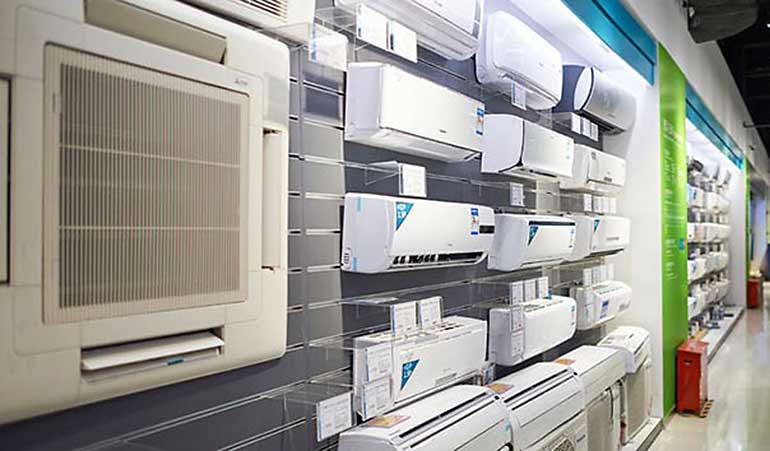 A split‑system air conditioner on display in a retail showroom.
Installing Your Air Conditioner
Installing an air conditioner is important. Some units are easy to install. Others need professional help.
Window Units
Window units are easy to install. Follow the instructions that come with the unit. You may need help lifting it.
Check local building codes — some municipalities require a support bracket for units above a certain weight. The NYC bracket requirement page outlines when brackets are mandatory.
Split Units
Split units need professional installation. The technician will install the indoor and outdoor units. They will connect the two parts.
A licensed HVAC contractor will handle refrigerant charging, electrical connections, and proper mounting of both the indoor and outdoor modules. The Mitsubishi split AC installation guide provides a manufacturer‑specific walkthrough, while the split AC outdoor unit installation guide covers best practices for condenser placement.
Portable Units
Portable units are easy to set up. They come with a hose for the window. Follow the instructions to install the hose.
Maintaining Your Air Conditioner
Maintaining your air conditioner is important. This keeps it working well. Here are some tips:
Clean The Filters
Clean the filters regularly. Dirty filters make the unit work harder. This uses more energy.
Check The Coils
The coils can get dirty. Clean them to keep the unit efficient. Follow the instructions in the manual.
Check The Thermostat
Make sure the thermostat works. This helps the unit maintain the right temperature.
Scheduling an annual professional tune‑up — cleaning coils, checking refrigerant charge, and verifying airflow — can extend equipment life by several years. The annual maintenance checklist outlines the key tasks a technician should perform each spring.
Benefits of Buying a New Air Conditioner
Buying a new air conditioner has many benefits. Here are some:
Better Efficiency: New units use less energy.
Improved Comfort: New units cool better.
Advanced Features: New units have modern features.
Many utilities and state programs offer rebates or tax credits for high‑SEER replacements, further reducing the effective price. Comparing system types can clarify whether a central, ductless, or hybrid setup best fits your home.
Emerging Trends in Air Conditioning
The industry is moving toward refrigerants with lower global‑warming potential, variable‑speed compressors that modulate output, and AI‑driven predictive maintenance alerts. Manufacturers are also integrating air‑quality sensors that automatically adjust ventilation rates. The newest smart platforms, next‑generation refrigerant designs, and modular ductless architectures illustrate where the market is headed. ASHRAE’s technical resources provide deeper insight into these evolving standards.
Frequently Asked Questions
What Factors Affect Air Conditioner Prices?
Several factors like brand, energy efficiency, features, and installation costs influence air conditioner prices.
How To Choose The Right Ac Size?
Consider room size, insulation, and climate. Use a BTU calculator for accurate sizing.
Are Energy-efficient Acs Worth It?
Yes, they reduce energy bills and have a lower environmental impact, saving money long-term.
What Is The Best Time To Buy An Ac?
Early spring or fall often have the best discounts and selections.
Can I Install A Split System Myself?
Most split systems require a certified HVAC technician for refrigerant handling and electrical work; DIY installation can void warranties and violate local codes.
How Often Should I Replace The Air Filter?
Replace or clean the filter every 1‑3 months during heavy use, or per the manufacturer’s recommendation, to maintain airflow and efficiency.
Conclusion
Buying an air conditioner is a good investment. It keeps you cool and comfortable. Follow this guide to make the best choice. Stay cool!
Ready to upgrade? Check out our full buying guide for step‑by‑step help.