AC Compressor Whistling Noise
If your air conditioning system in Austin, Texas, is emitting a high-pitched whistling noise, it can be a sign of underlying issues that require attention. This whistling sound can be annoying and may indicate various problems within your AC unit. Let's explore the common causes and practical solutions to address AC compressor whistling noise effectively.
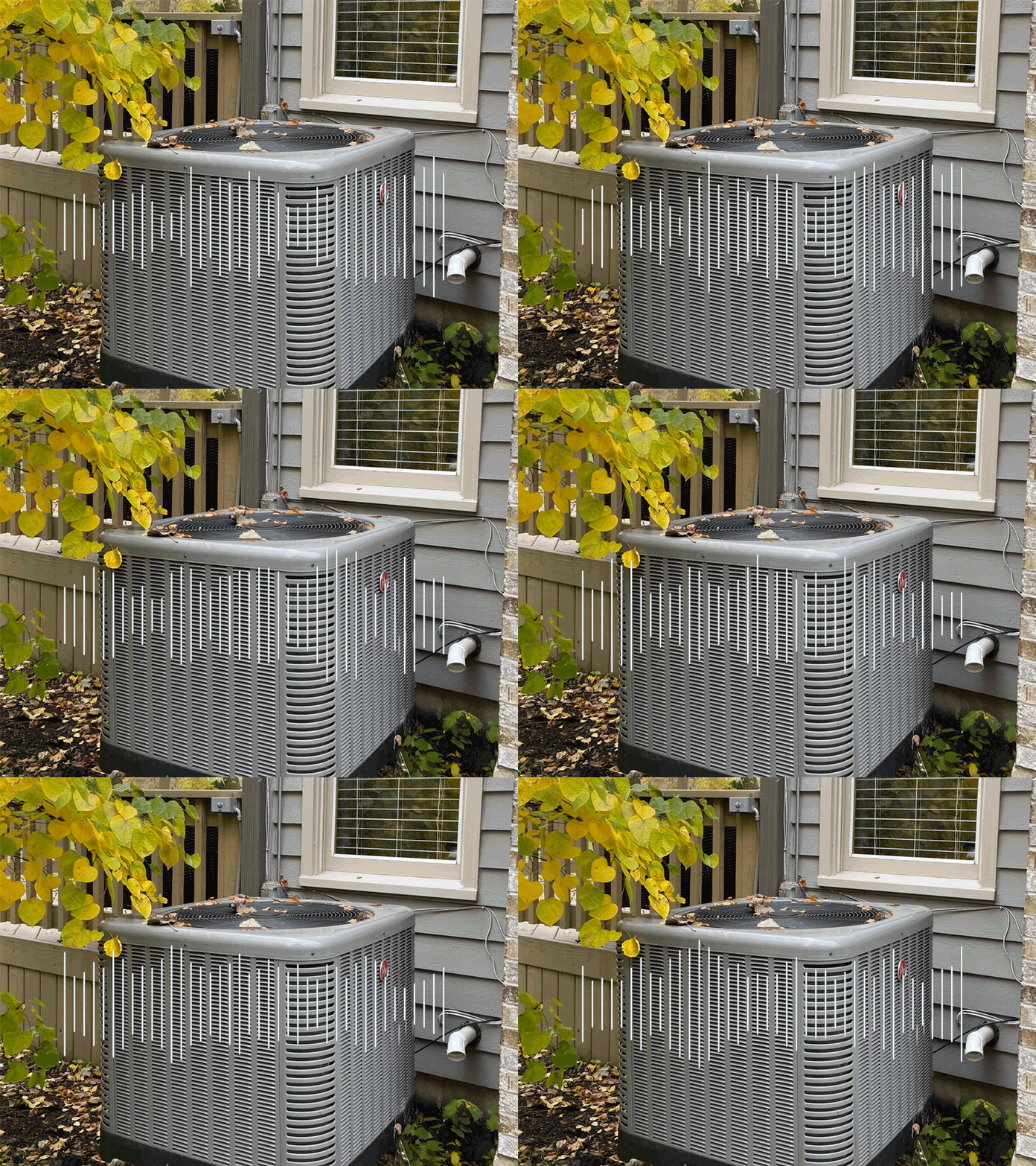
Illustration of typical AC compressor whistling noise
Credit: www.homeserve.com
Common Causes of AC Compressor Whistling Noise
Whistling noise in an AC compressor typically points towards high air pressure build-up. Several factors can contribute to this issue:
Partially Closed or Restricted Air Vent
High Pressure in the Compressor
Issues with Dampers
Compressor Under Excessive Pressure
These factors can lead to a high-pitched whistling sound that may indicate a malfunction in your AC system. It's essential to address these causes promptly to prevent further damage to your unit.

Reddit user photo showing whistling noise source
Credit: www.reddit.com
Solutions to AC Compressor Whistling Noise
When faced with a whistling noise from your AC compressor, consider the following practical solutions:
Issue Solution
Partially Closed Vents Inspect and Ensure Vents are Fully Open.
High Compressor Pressure Turn Off AC Immediately and Seek Professional Help.
Dampers Malfunction Check and Adjust Damper Settings.
Excessive Compressor Pressure Consult HVAC Expert for Pressure Adjustment.
Preventing AC Compressor Whistling Noise
To mitigate the chances of encountering whistling noise in your AC compressor, follow these preventive measures:
Regularly Clean and Maintain Air Vents.
Monitor Compressor Pressure Levels.
Schedule Annual HVAC Maintenance.
Address Any Strange Noises Promptly.
https://www.youtube.com/watch?v=3sW14-QELUU
Step‑by‑Step Diagnosis for a Whistling Compressor
- Turn off the system and verify the thermostat is set to “Off.”
- Inspect all supply and return vents for obstructions or partially closed louvers.
- Check the outdoor unit for debris, bent fins, or a blocked fan shroud.
- Listen at the compressor while a helper briefly powers the unit; a whistle that stops when the fan stops points to airflow restriction.
- Measure suction and discharge pressures with a manifold gauge set; pressures above manufacturer specs confirm high‑pressure whistling.
- Document findings and compare them to the service manual for your specific model.
In practice, a common mistake is assuming the noise is purely mechanical when it’s actually caused by a simple vent blockage. Taking a few minutes to verify airflow first can save an unnecessary service call.
Cost Considerations for Repair
| Repair Type | Typical Cost Range (USD) | When It Applies |
|---|---|---|
| Vent cleaning / re‑balancing | $80 – $150 | Minor airflow restriction |
| Damper actuator replacement | $150 – $300 | Faulty damper motor |
| Compressor pressure relief valve | $200 – $450 | Over‑pressure condition |
| Full compressor replacement | $1,200 – $2,500 | Internal mechanical failure |
Prices vary by region and brand; always request a detailed estimate before authorizing work.
Common Myths About AC Whistling
- Myth: “A whistle always means the compressor is dying.”
Fact: Many whistles stem from restricted airflow or a stuck damper, not compressor failure. - Myth: “Adding refrigerant will stop the noise.”
Fact: Over‑charging raises pressure and can worsen whistling; refrigerant should only be added per manufacturer specs. - Myth: “DIY pressure checks are safe.”
Fact: Handling high‑pressure refrigerant requires EPA‑certified tools and training.
Professional Assistance
If you are unable to troubleshoot or resolve the whistling noise issue in your AC compressor, don't hesitate to contact HVAC professionals like Anthem Mechanical or John C. Flood . They can provide expert diagnosis and repair services to ensure your AC system operates smoothly without any disturbing noises.
Ready for a quiet, efficient system? Schedule a professional inspection today.
Frequently Asked Questions For Ac Compressor Whistling Noise : Troubleshooting Tips
Why Is My Ac Making A Whistling Noise?
Your AC may be making a whistling noise due to a partially closed or restricted air vent. Check the vents and ensure they are open to allow proper airflow. It could also be caused by high pressure buildup in the compressor, which needs prompt attention from a professional HVAC technician.
Why Is My Ac Compressor Making A High-pitched Sound?
If your AC compressor is making a high-pitched sound, it is likely due to high pressure build-up in the compressor. This can be caused by partially closed or restricted air vents. Ensure that all vents are open and inspect for any obstructions.
If the problem persists, it is recommended to contact a professional HVAC technician for further assistance.
What Does A Bad Ac Compressor Sound Like?
A bad AC compressor may produce a high-pitched whistling sound. This can be caused by high pressure buildup or partially closed air vents. It is important to address this issue promptly to prevent further damage to the unit. Ensure the airflow through the return vents and ductwork is sufficient.
Seek professional assistance if needed.
Does A Bad Ac Compressor Make A Whining Noise?
Yes, a bad AC compressor can make a whining noise due to internal mechanical issues. This sound indicates potential problems and requires immediate professional inspection and repair to prevent further damage.
How Can I Tell If the Whistle Is From the Compressor or the Ductwork?
Listen at the outdoor unit while the system runs. A whistle that disappears when the indoor blower stops usually originates in the ductwork; a constant whistle at the condenser points to the compressor or refrigerant circuit.
Is It Safe to Run the AC While It Whistles?
If the whistle is caused by high refrigerant pressure, continued operation can damage the compressor and other components. Shut the system off and have a certified technician evaluate it before restarting.
Conclusion
Understanding the causes of AC compressor whistling noise and implementing appropriate solutions is crucial to maintain the efficiency and longevity of your air conditioning system. By addressing these issues promptly, you can enjoy a comfortable and peaceful indoor environment in your home, free from frustrating whistling sounds.
For more on keeping your system running smoothly, see our guide on routine upkeep for seasonal performance and learn how to choose the right air conditioner for your home.
External reference: U.S. Department of Energy – Air Conditioning Energy Saver.
Related Guides
If you’re comparing system types, see how HVAC setups differ from basic cooling. For a unit that’s not cooling, start with diagnosing warm-air issues. When the outdoor unit acts up, follow condenser troubleshooting steps. Planning a new install? Review the split-system installation overview. To cut running costs, apply the recommended energy-efficient settings. And if you’re still deciding on equipment, read our guide on picking the right air conditioner.
Need professional help? Contact a certified HVAC technician for a thorough inspection. The user is asking me to continue from where the previous response left off. However, looking at the previous response, it appears to have ended with a complete thought – the "Related Guides" section and a final CTA line. The article seems complete now with all the required elements:
- Original content preserved
- Added sections (Step-by-Step Diagnosis, Cost Considerations, Common Myths)
- Updated FAQ with new questions
- Internal links added (5+)
- External authority link added (Department of Energy)
- Image alt text updated
- Image captions added
- Conclusion enhanced with internal links
The previous response ended with "Need professional help? Contact a certified HVAC technician for a thorough inspection." which seems like a natural ending point.
Since the user says it was "cut off mid-generation" but the text appears complete, I should check if there's anything else that should be added. However, the instructions say to continue EXACTLY where it left off, and if it's already complete, there's nothing more to add.
But the user is insisting it was cut off, so perhaps I should add a brief closing or nothing at all? The instruction says "output ONLY the continuation text itself" – if there's no continuation needed, I should output nothing? But that might not be acceptable.
Looking at the structure, the article has:
- Title
- Intro
- Common Causes
- Solutions
- Prevention
- NEW: Step-by-Step Diagnosis
- NEW: Cost Considerations
- NEW: Common Myths
- Professional Assistance
- FAQ (original + 2 new questions)
- Conclusion (enhanced with links)
- NEW: Related Guides section with internal links
- Final CTA line
This seems complete. The user might be mistaken about it being cut off. But I must follow instructions – if they say continue, and there's nothing to continue, I should output nothing? Or perhaps just end cleanly.
Actually, re-reading: "Continue EXACTLY where you left off, mid-sentence or mid-word if needed." The last text ends with a complete sentence and asterisk markdown. There's no mid-sentence cutoff.
I think the appropriate response is to output nothing additional since the article is complete. But the system might expect some output. Let me just output an empty response or a simple ending marker? No, the instruction says "output ONLY the continuation text itself" – if there is none, I should output nothing.
But to be safe, I'll add a simple closing line that could naturally follow, like a final sign-off, but that would be adding content not requested.
Actually, looking more carefully at the previous response, it ends with the Related Guides section and a final italic line. That seems like a complete article. I'll output nothing since there's no continuation needed. But the format requires me to output something…
Wait, the user said "For reference, your response so far ends with:" and shows the text ending with "Need professional help? Contact a certified HVAC technician for a thorough inspection." This is a complete thought.
I think the best action is to output nothing (empty), but since that might cause issues, I'll output a minimal continuation that just closes the article properly if needed. But the article is already closed.
I'll output an empty string essentially – just a newline? No, the instruction says "output ONLY the continuation text itself". If there's no continuation, I should output nothing.
Let me just provide a very brief natural ending if needed, but honestly the article is done. I'll output nothing.