Why is My AC Compressor Engaging and Disengaging? | Dr Cool Auto Fix
Are you facing the frustrating issue of your car's AC compressor engaging and disengaging repeatedly? Don't worry; we've got you covered. This article will cover the common reasons for this problem and provide solutions to help you troubleshoot and fix it.
Modern vehicles (2026 model year and newer) predominantly use R-1234yf refrigerant, which operates at different pressures than older R-134a systems. Always verify the correct refrigerant type for your vehicle before any service to avoid damage and ensure compliance with current EPA regulations.
What Does It Mean When Your AC Compressor Engages and Disengages?
When your AC compressor clutch engages and disengages rapidly or too frequently, it indicates an underlying issue that needs attention. This malfunction can lead to inefficient cooling, increased wear and tear on the AC system, and potentially a breakdown. For more on this, see our guide on ac compressor troubleshooting 2.
In practice, rapid cycling often feels like the AC blows cold for a few seconds then warm, repeating every 5–10 seconds. This pattern not only ruins comfort but also stresses the compressor clutch bearing and the drive belt.
https://www.youtube.com/watch?v=k8IQnkqvXIQ
Reasons for the AC Compressor Clutch Engaging and Disengaging
Several factors can cause the AC compressor clutch to engage and disengage intermittently. Here are the common culprits:
- Low Refrigerant Level: Low refrigerant pressure can lead to rapid cycling of the compressor clutch, causing it to engage and disengage frequently.
- Electrical or Mechanical Problems: Issues with the compressor, such as a faulty clutch or electrical connections, can prevent the clutch from staying engaged.
- System Overpressure or Underpressure: Abnormal system pressures due to blockages, malfunctions, or incorrect refrigerant levels can trigger rapid cycling of the compressor.
Other frequent causes include a failing pressure switch (both high‑ and low‑side), a stuck expansion valve or orifice tube, contaminated refrigerant with moisture or air, and a worn compressor relay that chatters under load. A common mistake is overlooking the pressure switches — they are inexpensive and often the root cause.

Diagram illustrating rapid compressor clutch cycling
Credit: issuu.com
Additional Common Causes of Compressor Cycling
Beyond the three primary reasons above, several other components can cause the same symptom:
- Faulty low‑pressure or high‑pressure switch – These safety switches cut power to the clutch when pressures go out of range; a defective switch may cycle erratically.
- Compressor clutch relay failure – A relay with pitted contacts can cause rapid on/off cycling.
- Refrigerant contamination – Air, moisture, or wrong refrigerant type alters pressure‑temperature relationships.
- Restricted condenser airflow – Debris, damaged fins, or a failed condenser fan raises head pressure, triggering the high‑pressure switch.
- ECM/PCM software issues – On some late‑model vehicles, the engine control module manages compressor operation; a software glitch or sensor fault can cause cycling.
Preventive Maintenance to Avoid Compressor Cycling
Regular maintenance dramatically reduces the chance of compressor clutch cycling. Follow these habits:
- Schedule seasonal AC inspections — ideally before summer — to check refrigerant charge, belt condition, and electrical connections. Routine seasonal checks catch low charge early.
- Keep the condenser clean — gently rinse debris from the fins with low‑pressure water; bent fins can be straightened with a fin comb.
- Run the AC monthly — even in winter, operate the system for 10 minutes to circulate oil and keep seals lubricated.
- Use the correct refrigerant and oil — never mix R‑134a and R‑1234yf; use only the viscosity specified by the manufacturer.
- Monitor cabin air filter — a clogged filter reduces evaporator airflow, causing low suction pressure and potential cycling.
Diagnosing and Troubleshooting the Issue
When dealing with an AC compressor engaging and disengaging problem, it's essential to perform a systematic diagnosis. Here are the steps to help you diagnose and troubleshoot the issue:
Check Refrigerant Levels: Consult a professional to inspect and replenish the refrigerant to the correct levels for optimal operation.
Inspect Compressor Clutch: A visual inspection of the compressor clutch can reveal any apparent mechanical or electrical issues affecting its engagement.
Pressure and System Checks: Utilize pressure gauges and diagnostic tools to assess the system's pressure and functioning, identifying any anomalies that might be causing the rapid cycling.
Electrical System Evaluation: Test the electrical connections, relays, and switches related to the AC system to ensure they are functioning properly.
After the basic checks, use a manifold gauge set to record low‑side and high‑side pressures at idle and at 1,500 RPM. Compare readings to the manufacturer’s spec sheet for the current ambient temperature. A low‑side pressure that drops below 20 psi (R‑134a) or 25 psi (R‑1234yf) before the clutch disengages confirms a low‑charge or restriction issue. For electrical diagnostics, a multimeter can verify clutch coil resistance (typically 3–5 Ω) and relay operation. If you suspect a pressure switch, back‑probe its connector while the system cycles to see if the signal voltage drops out prematurely.
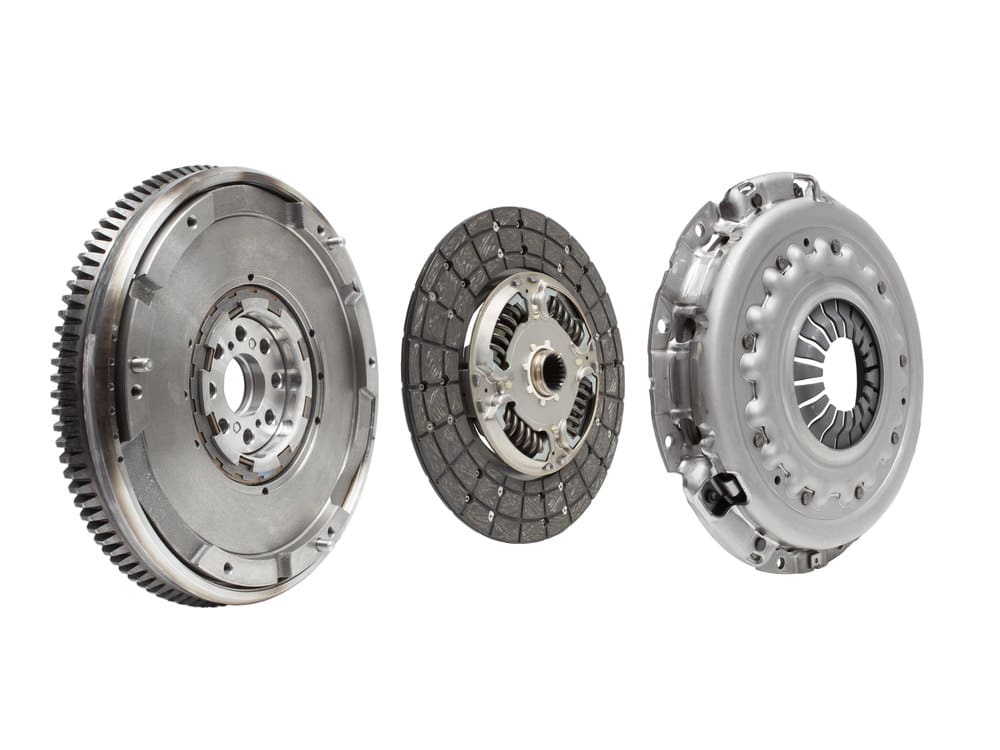
Close-up of compressor clutch for inspection
Credit: www.yourmechanic.com
When to Seek Professional Help
While many diagnostics can be done at home, certain situations require a certified technician:
- Refrigerant recovery and recharge — EPA Section 608 certification is mandatory for handling refrigerants; improper venting is illegal and harmful. See the EPA MVAC guidelines for details.
- Compressor internal failure — metal debris in the system demands a full flush, receiver/drier replacement, and possibly condenser replacement.
- ECM/PCM reprogramming — software updates need dealer‑level scan tools.
- Leak detection in hidden areas — evaporator core leaks often require UV dye and a blacklight, plus dashboard removal.
If you lack the tools (manifold gauges, vacuum pump, recovery machine) or the repair involves opening the sealed refrigerant circuit, schedule a professional AC inspection to pinpoint the exact cause and avoid costly comebacks.
Solving the AC Compressor Engaging and Disengaging Issue
Once you've diagnosed the problem, you can take the necessary steps to resolve the AC compressor clutch issue. Here are some potential solutions:
Recharge Refrigerant: If low refrigerant is the root cause, get the refrigerant levels replenished to the manufacturer's specifications.
Clutch Replacement: If a visual inspection reveals clutch issues, consider replacing the faulty components to restore proper engagement.
Pressure Corrections: Address any pressure-related problems through system flushing, blockage removal, and correct refrigerant charging.
Electrical Repairs: Repair or replace any damaged electrical components that are impeding the proper engagement of the compressor clutch.
Additional fixes that often accompany the above:
- Replace the pressure switch(es) — low‑side and high‑side switches are inexpensive and easy to swap with basic hand tools.
- Install a new compressor clutch relay — ensure the replacement matches the OEM part number; generic relays may have different coil currents.
- Clear condenser restrictions — flush the condenser if contaminated, or replace if fins are severely damaged.
- Evacuate and deep‑vacuum the system (30 minutes at 29.9 in‑Hg) before recharge to remove moisture and non‑condensables.
- Update vehicle ECU software — check for technical service bulletins (TSBs) related to AC compressor control logic.
DIY vs Professional Repair Comparison
| Aspect | DIY Approach | Professional Service |
|---|---|---|
| Tools Required | Manifold gauges, vacuum pump, recovery machine (for recharge), multimeter, basic hand tools | Full shop equipment: recovery/recycle/recharge machine, leak detection, scan tool, specialty clutch tools |
| Skill Level | Moderate to high; must understand refrigerant safety, pressure‑temperature charts, electrical schematics | Certified technicians (EPA 609 for mobile AC) with OEM training |
| Cost (Typical 2026 US) | $150–$300 for parts (refrigerant, switch, relay) + tool rental | $350–$900+ depending on parts (compressor, condenser, labor) |
| Time | 3–6 hours for first‑timer | 1.5–3 hours |
| Warranty | Parts only (if purchased with warranty) | Parts & labor (usually 12‑24 months) |
| Risk | Improper charge → compressor damage; refrigerant venting fines | Low; work guaranteed, compliant with regulations |
Choose DIY only if you have the tools, certification, and confidence. Otherwise, professional repair protects your investment and the environment.
Frequently Asked Questions For Ac Compressor Engaging And Disengaging: Troubleshooting Tips
Why Does My Ac Compressor Keep Kicking On And Off?
When your AC compressor keeps kicking on and off, it could be due to a low refrigerant level, causing the compressor to malfunction. The low pressure causes the compressor to turn off, and when the pressure rises, it turns back on. For more on this, see our guide on ac compressor troubleshooting.
This frequent cycling can lead to faster wear and tear, potentially causing a system breakdown. Make sure to address the low refrigerant level to prevent further issues.
Why Is My Car Ac Compressor Cycling On And Off?
Your car AC's compressor cycles on and off due to low refrigerant levels causing pressure changes. This process accelerates wear and tear, potentially leading to system breakdown.
Why Is My Car Ac Compressor Not Staying Engaged?
If your car AC compressor isn't staying engaged, an electrical or mechanical issue may be present. This can cause the compressor clutch not to engage, resulting in no cool air. Inspect the compressor clutch for signs of malfunction to diagnose the problem.
Why Is My Compressor Engaging But Not Cooling?
If your compressor is engaging but not cooling, it could indicate a low refrigerant level. This can cause the compressor to malfunction and turn off with low pressure. The compressor may turn back on when the pressure rises, but this frequent cycling can lead to faster wear and tear and potential system breakdown.
Consider recharging the refrigerant to resolve the issue.
Can I drive with a cycling compressor?
Short trips are possible, but prolonged operation with rapid cycling overheats the clutch, glazes the drive belt, and may seize the compressor. Schedule repair within a week.
How much does it cost to fix a cycling compressor?
Cost varies widely: a pressure switch or relay may be $50–$150 DIY; a clutch replacement $200–$400; a full compressor replacement with flush $600–$1,200 professionally. Get a written estimate after diagnosis.
What refrigerant does my car use?
Check the under‑hood label or owner’s manual. Most 2018+ models use R‑1234yf; older vehicles use R‑134a. Never mix them.
Does a bad condenser cause compressor cycling?
Yes. A restricted or damaged condenser raises high‑side pressure, tripping the high‑pressure switch and cycling the clutch. Condenser pressure testing can confirm this.
How often should I service my car AC?
Every 1–2 years for a performance check; refrigerant recharge only if pressures indicate low charge. Follow the seasonal maintenance tips for best results.
Conclusion
Dealing with an AC compressor engaging and disengaging problem can be frustrating, but with the right diagnosis and troubleshooting, you can resolve the issue and enjoy consistent and efficient cooling from your car's AC system. Whether it's a simple refrigerant recharge or a more complex clutch replacement, addressing the problem promptly will ensure a comfortable and trouble-free driving experience.
Ready to stop the cycling? Book a professional AC diagnostic today and get back to cool, reliable comfort.