Title: AC Compressor Engages And Disengages: Troubleshooting Tips
Understanding AC Compressor Engages and Disengages
In the scorching heat of Austin, Texas, a malfunctioning air conditioning system in your car can be a harrowing experience. One common issue that you might encounter is the AC compressor engaging and disengaging frequently.
When the AC compressor constantly engages and disengages, it could be indicative of various underlying problems. This blog post will explore the reasons behind this issue and provide insights on how to diagnose and resolve it. For more on this, see our guide on ac compressor clutch engages and disengages every 5.
Why Does the AC Compressor Engage and Disengage?
The constant cycling of the AC compressor can be attributed to several factors:
Dirty, damaged, or failing components
Electrical and mechanical issues
Leak in supply lines or air connections
Low refrigerant pressure

Diagram showing the compressor clutch engagement cycle.
Credit: issuu.com
Common Causes in Detail
Low refrigerant pressure remains the most frequent trigger, but a clogged expansion valve or a failing pressure switch can produce the same symptom. In practice, a common mistake is topping off refrigerant without first confirming the system holds pressure — this only masks a leak. Electrical gremlins such as a corroded clutch relay or a worn‑out compressor control module also cause rapid on/off cycling. Mechanical wear, especially a glazed clutch plate, reduces the magnetic holding force and leads to premature disengagement.
Impact of AC Compressor Cycling
These frequent engagements and disengagements can have adverse effects on the efficiency and longevity of your car's AC system. The constant cycling can lead to premature wear and tear of the compressor clutch and other related components. For more on this, see our guide on ac compressor troubleshooting 2.
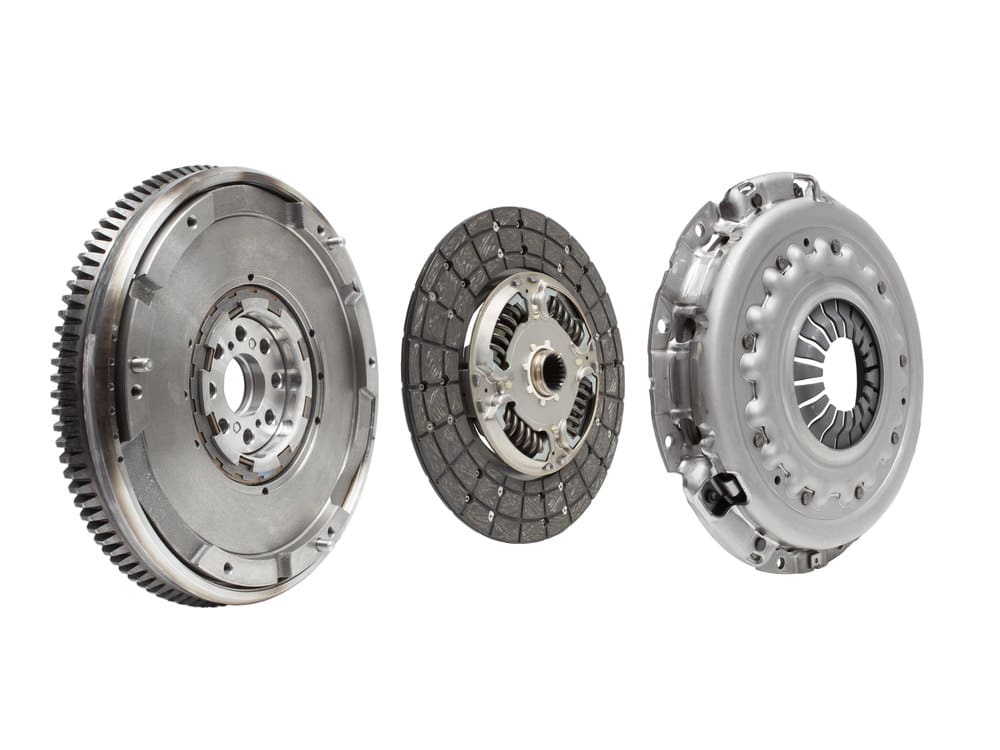
Illustration of the clutch engaging and disengaging during operation.
Credit: www.yourmechanic.com
Long‑Term Consequences
Repeated cycling stresses the clutch bearing, the electromagnetic coil, and the drive belt. Over time this can cause the belt to slip or snap, and the coil to overheat, resulting in a complete compressor failure. The refrigerant oil also degrades faster because the compressor never runs long enough to circulate it properly, which accelerates internal wear.
Diagnosing the Issue
If your AC compressor is exhibiting rapid cycling, it's essential to perform a comprehensive diagnosis to identify the root cause. The following steps can be taken to diagnose the problem:
Check the refrigerant level: Insufficient refrigerant can lead to rapid clutch cycling.
Inspect for leaks: Any leaks in the system can cause pressure variations, leading to frequent engagements and disengagements.
Test the compressor clutch: A faulty compressor clutch can result in erratic cycling.
Tools You’ll Need
A manifold gauge set, an electronic leak detector (or UV dye kit), a multimeter for clutch coil resistance, and a scan tool capable of reading HVAC pressure sensor data are the minimum toolkit. Many shops also use a refrigerant identifier to confirm the correct refrigerant type — especially important as 2026 vehicles increasingly use R‑1234yf.
Step‑by‑Step Testing Procedure
- Connect the manifold gauges and record low‑ and high‑side pressures with the engine at idle and the AC on max.
- Compare readings to the manufacturer’s specifications (usually found on the under‑hood label).
- Activate the clutch manually with a jumper wire; if it engages smoothly, the coil and mechanical clutch are likely good.
- Use the leak detector on all fittings, the condenser, evaporator, and service ports.
- Verify the pressure‑switch signal with the scan tool; an erratic signal often points to a faulty switch or wiring harness.
If you’re unsure about any step, schedule a professional inspection today.
Resolving the Problem
Once the issue has been diagnosed, appropriate measures can be taken to rectify the problem:
Issue Resolution
Low Refrigerant Level Top up the refrigerant and fix any leaks in the system.
Faulty Compressor Clutch Replace the compressor clutch with a new, reliable component.
Electrical/ Mechanical Issues Seek professional assistance to diagnose and repair any electrical or mechanical problems.
https://www.youtube.com/watch?v=DbhMPxC04Bw
When to Replace the Entire Compressor
If the clutch coil tests open‑circuit, the compressor housing shows scoring, or the unit has been run dry for an extended period, a full compressor replacement is usually more cost‑effective than a clutch‑only repair. In 2026, many OEM compressors are sold as sealed units, making clutch‑only service rare.
Cost Overview (U.S. averages, 2026)
- Refrigerant recharge & leak repair: $150‑$350
- Clutch assembly replacement (labor + parts): $300‑$550
- Full compressor replacement (incl. refrigerant): $800‑$1,300
Prices vary by vehicle make and region; always request a written estimate before authorizing work.
The Importance of Timely Maintenance
To prevent the AC compressor from engaging and disengaging frequently, regular maintenance of the entire AC system is imperative. This includes periodic checks for refrigerant levels, system leaks, and the overall health of the compressor and its clutch.
Preventive Maintenance Checklist
- Seasonal pressure check – before summer and winter (see seasonal air conditioning maintenance tips).
- Visual inspection of hoses, condenser fins, and clutch wiring for corrosion or damage.
- Run the AC for at least 10 minutes monthly, even in cooler months, to keep seals lubricated.
- Replace cabin air filter annually to maintain airflow and reduce evaporator load.
- Verify refrigerant type on the under‑hood label; never mix R‑134a with R‑1234yf.
Frequently Asked Questions For Ac Compressor Engages And Disengages: Troubleshooting Tips
What Does It Mean When The Ac Clutch Engages And Disengages?
When the AC clutch engages and disengages, it means your compressor is cycling on and off. This can be caused by various issues like low refrigerant or a failing compressor.
Why Does My Ac Compressor Turn On And Then Off?
The AC compressor turning on and off repeatedly is a common issue homeowners face. This can be due to dirty or damaged components, electrical or mechanical factors, or short cycling. It's important to address this problem as it can lead to inefficiency.
If your AC unit frequently turns on and off, it's recommended to seek professional assistance to diagnose and resolve the issue.
Why Does My Ac Compressor Keep Clicking On And Off?
The AC compressor may click on and off due to a leak in the supply lines or air connections, dirty or damaged components, or electrical and mechanical issues. This can cause short cycling, where the unit turns on and off repeatedly.
If you're experiencing this problem, it's best to have a professional inspect and repair the system.
What Component Engages And Disengages The Ac Compressor?
The AC compressor engages and disengages via the compressor clutch controlled by an electromagnetic component.
Can a Bad Pressure Switch Cause Rapid Cycling?
Yes. A failing high‑ or low‑pressure switch sends erratic signals to the ECU, commanding the clutch to engage/disengage repeatedly. Testing the switch with a multimeter (continuity at spec‑defined pressures) confirms the fault.
Is It Safe to Drive With a Cycling Compressor?
Short trips are generally safe, but prolonged operation stresses the belt and clutch, increasing the risk of a sudden breakdown. Address the root cause promptly.
Conclusion
Understanding the reasons behind the frequent engagement and disengagement of the AC compressor is crucial for maintaining a functional and efficient air conditioning system in your car. By diagnosing and addressing the underlying issues in a timely manner, you can ensure a comfortable and hassle-free driving experience, even in the sweltering Texas heat.
For more on selecting the right system for your vehicle, see how to choose the right air conditioner for your home.
External references
- EPA Section 608 refrigerant handling guidelines: https://www.epa.gov/section608
- NHTSA vehicle safety standards for HVAC components: https://www.nhtsa.gov/vehicle-safety