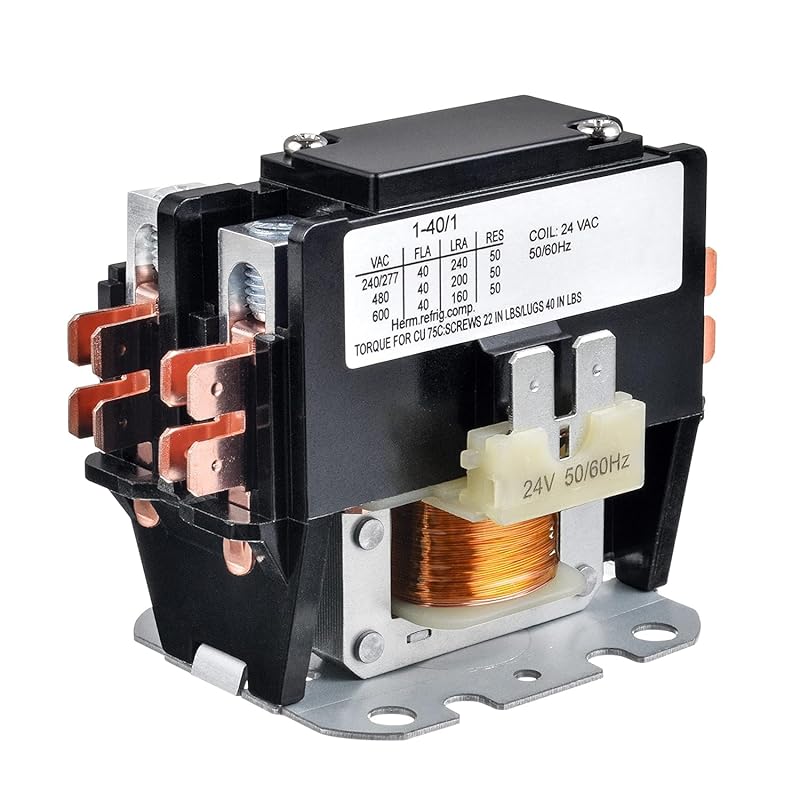
Your Carrier air conditioner should keep you cool—but if it’s not, don’t panic. Common culprits include clogged air filters, low refrigerant levels, or a malfunctioning thermostat. With a few simple checks and DIY fixes, you can often restore full cooling power without calling a technician right away.
Have you stepped into your home on a sweltering day only to find your Carrier air conditioner blowing warm air? It’s frustrating—especially when you rely on your AC to keep your space comfortable year-round. Whether you’ve just noticed the problem or it’s been creeping up over days, knowing why your Carrier isn’t cooling can save you time, money, and stress.
Carrier air conditioners are built for reliability and long-term performance, but like any mechanical system, they’re not immune to hiccups. The good news? Most cooling failures stem from identifiable causes that homeowners can troubleshoot themselves. From simple fixes like changing a filter to more complex issues like refrigerant leaks, understanding what’s going on empowers you to take action—and sometimes avoid an expensive service call altogether.
In this guide, we’ll walk through every likely reason your Carrier air conditioner isn’t cooling, how to spot the signs, and what you can do about it. We’ll also share tips to prevent future breakdowns so your home stays cool when it matters most.
Key Takeaways
- Dirty air filters restrict airflow: A clogged filter reduces efficiency and can trigger the system to shut off, cutting cooling short.
- Refrigerant leaks lower cooling capacity: Low refrigerant means your unit can’t absorb heat effectively—this usually needs a licensed pro to fix.
- Thermostat issues cause false readings: Incorrect settings or dead batteries trick the AC into thinking the room is already cool.
- Condensate drain clogs lead to shutdowns: Water buildup from a blocked drain pan can trip safety sensors and stop operation.
- Outdoor unit obstructions reduce performance: Leaves, dirt, or debris near the condenser block airflow and strain the compressor.
- Capacitor problems affect startup: A failing capacitor makes the fan or compressor struggle to turn on, preventing cooling.
- Regular maintenance prevents most issues: Seasonal tune-ups keep your Carrier running smoothly and extend its lifespan.
📑 Table of Contents
Why Is My Carrier Air Conditioner Not Cooling?
When your Carrier unit suddenly stops delivering cold air, it’s rarely due to a single, catastrophic failure. More often, it’s a combination of small issues compounding over time. Before diving into repairs, let’s start with the basics: your AC works by pulling hot air from inside your home, passing it over cold evaporator coils filled with refrigerant, and blowing cool air back into the room. If any part of this process is interrupted, cooling stops.
The first step in diagnosing the problem is checking the obvious. Is the unit powered on? Is the thermostat set correctly? These may seem too simple to matter—but surprisingly, many people overlook them. Once you confirm the basics are working, you can move on to inspecting components like filters, coils, and drainage systems. Let’s break down each potential cause in detail.
1. Dirty or Clogged Air Filters
One of the most common reasons your Carrier air conditioner isn’t cooling is a dirty air filter. Over time, dust, pet dander, pollen, and other airborne particles accumulate in the filter, restricting airflow. When airflow drops below safe levels, your AC’s internal safety sensors detect the issue and shut the system down to prevent damage.
For example, imagine running a marathon while wearing a tight scarf around your neck—your breathing gets harder, your body overheats, and eventually, you collapse. That’s essentially what happens when your filter is clogged. The compressor works overtime trying to pull air through a narrow opening, which strains the motor and reduces cooling efficiency.
Most Carrier models recommend replacing flat-panel filters every 30–90 days during heavy use. Pleated or HEPA-style filters may last longer but still need regular inspection. If your filter looks gray instead of white or has visible dirt buildup, swap it out immediately.
Tip: Keep a calendar reminder or mark your phone to check filters monthly, especially during summer months when your AC runs constantly.
2. Refrigerant Leaks or Low Levels
Refrigerant is the lifeblood of your air conditioning system. It absorbs heat from indoor air as it evaporates in the evaporator coil, then releases that heat outdoors through the condenser coil. If refrigerant levels drop due to a leak, your AC simply can’t absorb enough heat to cool your home effectively.
Signs of low refrigerant include:
– Warm air blowing consistently
– Ice forming on the evaporator coil (visible behind the indoor unit)
– Hissing sounds near refrigerant lines
– Higher-than-normal energy bills
Unlike a dirty filter, refrigerant issues require professional attention. Technicians use specialized gauges to measure pressure and pinpoint leaks using electronic detectors or UV dye. They then repair the leak and recharge the system with the correct amount of refrigerant—never overcharging, which can damage components.
Important: Never attempt to add refrigerant yourself. Improper handling can harm the environment and void your warranty.
3. Thermostat Malfunction or Incorrect Settings
Your thermostat tells your Carrier AC when to turn on and off based on the temperature you set. If it’s misconfigured or faulty, your unit won’t respond properly—even if everything else is fine.
Common thermostat-related problems include:
– Dead batteries causing inaccurate readings
– Wrong mode selected (e.g., “Fan Only” instead of “Cool”)
– Calibration drift where the thermostat thinks the room is cooler than it actually is
– Placement near heat sources like lamps or electronics
To test your thermostat:
1. Check if it shows the current room temperature accurately.
2. Replace batteries if it’s battery-operated.
3. Ensure the mode is set to “Cool” and the fan is on “Auto.”
4. Try lowering the temperature by several degrees to see if the AC kicks on.
If your Carrier still doesn’t cool after confirming these settings, consider upgrading to a smart thermostat like those from Nest or Ecobee. They offer remote access, scheduling, and precise temperature control that older models lack.
4. Blocked Condensate Drain Line
During operation, your AC removes moisture from the air and collects it in a drain pan beneath the indoor unit. This water flows through a PVC pipe called the condensate drain line and exits outside. But if the line gets clogged with algae, mold, or debris, water backs up into the pan.
When the drain pan overflows, water can drip onto electrical components or trigger a float switch—a safety device that cuts power to prevent flooding. This results in your Carrier shutting down completely, even though the compressor is still running.
How to clear a clogged drain:
– Locate the drain line (usually near the indoor unit).
– Remove the access panel.
– Use a wet/dry vacuum to suck out blockages.
– Pour a mixture of one cup bleach and one gallon of water down the line to kill mold and algae.
– Flush with clean water afterward.
Prevention tip: Install an antimicrobial drain line cleaner every 6–12 months to keep the line clear.
5. Outdoor Unit Obstruction or Debris Buildup
The outdoor condenser unit plays a critical role in releasing heat. It has metal fins and fans designed to draw in fresh air and expel hot vapor. But if these fins are bent, covered in leaves, or surrounded by lawn furniture, airflow gets restricted.
Even worse, dirt and grime can accumulate on the coils, acting like insulation and trapping heat. Over time, this reduces efficiency by up to 30%, making your AC work harder without delivering better cooling.
To clean your outdoor unit:
– Turn off power at the breaker.
– Remove loose debris with a broom or leaf blower.
– Gently brush fins with a fin comb to straighten bent ones.
– Rinse coils with a hose (avoid high pressure, which can damage them).
– Trim nearby bushes or plants so nothing blocks airflow.
Proper clearance: Maintain at least 24 inches of open space around the entire unit for optimal performance.
6. Failing Capacitor or Motor Issues
Every Carrier AC has capacitors that store electrical energy and help motors start and run smoothly. Like batteries, capacitors degrade over time. A failing capacitor can prevent the fan or compressor from starting, leading to no airflow or complete system shutdown.
Symptoms of a bad capacitor include:
– Clicking or humming noises when power is applied
– Fans spinning slowly or not at all
– Compressor struggling to engage
You can test capacitors with a multimeter (requires basic electrical knowledge). However, since capacitors store dangerous voltage even when unplugged, it’s safest to hire a licensed technician for diagnosis and replacement.
Note: Replacing a capacitor is relatively inexpensive—usually under $100 including labor—but skipping it risks damaging other components.
7. Electrical Connection Problems
Loose or corroded wiring connections can disrupt communication between your thermostat, control board, and compressor. This often manifests as intermittent cooling, strange noises, or total system failure.
Check these areas:
– Circuit breaker panel: Ensure the breaker hasn’t tripped.
– Terminal screws inside the indoor unit: Tighten if loose.
– Control board: Look for burn marks or swollen capacitors.
Always turn off power before touching any electrical components. If you’re unsure, consult a professional.
8. Oversized or Undersized System
Sometimes, the root cause isn’t mechanical—it’s sizing. An oversized AC cools rooms too quickly, cycling on and off frequently. This short-cycling prevents proper humidity removal and wears out components faster. Conversely, an undersized unit struggles to meet demand, leaving rooms uncomfortably warm.
If your Carrier was installed recently and still isn’t cooling well, verify it matches your home’s square footage and insulation quality. Only certified HVAC contractors can perform accurate load calculations.
When to Call a Professional
Visual guide about Why Is My Carrier Air Conditioner Not Cooling
Image source: healthsoothe.com
While many Carrier AC issues are DIY-friendly, some situations demand expert help:
– You suspect a refrigerant leak
– The system won’t turn on despite checking power and settings
– Strange noises (banging, grinding) persist after basic troubleshooting
– You smell burning or see sparks
– Cooling improves temporarily but returns within hours
Licensed technicians have tools to diagnose hidden problems like micro-leaks, faulty control boards, or compressor failures. Plus, they ensure repairs comply with local codes and manufacturer warranties.
Most reputable companies offer same-day emergency service, so don’t delay if comfort is urgent.
Preventive Maintenance Tips
Visual guide about Why Is My Carrier Air Conditioner Not Cooling
Image source: png.pngtree.com
The best way to avoid cooling problems is through routine care. Here’s what to do seasonally:
Monthly: Inspect and replace air filters; check thermostat settings
Bimonthly (every 2 months):** Clean indoor vents and registers
Quarterly:** Vacuum return-air grilles; inspect drain line
Annually:** Schedule professional tune-up including coil cleaning, refrigerant check, and electrical inspection
Many Carrier owners invest in extended warranties or maintenance plans that include annual services. These not only prevent breakdowns but often qualify you for priority scheduling during peak demand periods.
Final Thoughts
Your Carrier air conditioner is a sophisticated piece of equipment designed to deliver years of reliable cooling—but it’s not indestructible. When it stops cooling, remember: most causes are fixable with patience and basic tools. Start with the easy stuff—filters, thermostats, and drainage—then escalate only if needed.
By understanding why your Carrier isn’t cooling and taking proactive steps, you protect your investment, improve indoor air quality, and maintain comfort when temperatures rise. And when in doubt, reach out to a trusted HVAC professional who knows Carrier systems inside and out.
Stay cool!
Frequently Asked Questions
Why is my Carrier AC blowing warm air even though it’s running?
This usually points to restricted airflow from a dirty filter or blocked drain line, low refrigerant, or thermostat issues. Check your filter first—replace it if clogged. Then verify the thermostat is in “Cool” mode and the temperature setting is lower than the room. If those look good, inspect the drain pan for standing water or clogs.
Can a dirty air filter really stop my Carrier from cooling?
Yes! A heavily clogged filter restricts airflow so severely that safety sensors shut off the compressor to prevent overheating. Even moderately dirty filters reduce efficiency by 15–20%, making your system work harder without delivering better cooling. Replace filters every 1–3 months depending on usage.
How do I know if my Carrier has a refrigerant leak?
Signs include warm air despite long run times, ice on the indoor coil, hissing sounds near refrigerant lines, or unusually high utility bills. Only a licensed technician can safely detect and repair refrigerant leaks using specialized tools—never try to add refrigerant yourself.
What should I do if my Carrier won’t turn on at all?
First, check the circuit breaker—it may have tripped. Reset it and see if the unit responds. Next, ensure the thermostat is powered (replace batteries if applicable) and set correctly. If it still won’t start, inspect for loose wires or consult a pro, as this could indicate a serious electrical issue.
Is it safe to clean my Carrier’s outdoor unit myself?
Yes, as long as you follow safety steps: turn off power at the breaker, wear gloves, and avoid high-pressure water on delicate fins. Never operate the unit while cleaning. Straightening bent fins with a fin comb and removing debris improves airflow and efficiency significantly.
How often should I schedule professional maintenance for my Carrier AC?
At minimum once per year—ideally before summer begins. Annual tune-ups include coil cleaning, refrigerant level checks, electrical inspections, and drain line flushing. Regular service extends lifespan, improves efficiency by 10–15%, and maintains warranty coverage.