Your Carrier air conditioner leaking water can signal a simple issue or something more serious. Common causes include clogged drain lines, dirty filters, or improper installation. Most leaks are fixable with basic maintenance, but ignoring them risks mold and damage.
Have you ever noticed water pooling around your Carrier air conditioner? Maybe you hear dripping inside the wall, or you spot a puddle near the indoor unit. While a little condensation is normal, consistent or excessive water leakage isn’t—and it’s definitely not something to ignore. Carrier is known for reliable performance and energy efficiency, but even top-tier systems can develop issues if not maintained. One of the most common complaints from homeowners is a Carrier AC leaking water. It’s frustrating, inconvenient, and potentially damaging if left unchecked. But here’s the good news: in most cases, a leaking Carrier air conditioner is fixable with a little troubleshooting and care. In this guide, we’ll walk through everything you need to know about why your Carrier AC is leaking water—what’s causing it, how to diagnose the problem, and what you can do to stop it for good.
Water leakage from an air conditioning system might seem like a minor nuisance, but it can point to underlying problems. For instance, if the condensate drain line gets blocked, water has nowhere to go and starts backing up. This can lead to water spilling over the edge of the drain pan, often right onto your floor or into your ceiling. Over time, standing water promotes mold growth and can damage drywall, flooring, or insulation. Plus, if the leak is coming from inside the wall, it could mean your ductwork is compromised or there’s structural damage. That’s why understanding the root cause matters. Is it a simple filter issue, or is it something that requires professional attention? Let’s break down the most likely reasons your Carrier AC is leaking water and how to address them.
Key Takeaways
- Clogged condensate drain line: The most frequent cause of leaks—blockages prevent proper drainage and cause water to overflow.
- Dirty air filters: Restrict airflow, reducing efficiency and creating excess moisture that leads to condensation and leaks.
- Improper unit leveling: If the AC isn’t perfectly level, water pools in the pan and spills out instead of draining properly.
- Frozen evaporator coil: Ice buildup melts unevenly, releasing large amounts of water suddenly.
- Cracked or damaged drain pan: Over time, corrosion or impact can create holes or cracks allowing water to leak.
- Low refrigerant levels: Can cause the coil to freeze, leading to melting water and potential system damage.
- Excess humidity or oversize unit: A unit too big for the space cools quickly but doesn’t dehumidify well, creating extra moisture.
📑 Table of Contents
Common Causes of Water Leaks in Carrier Air Conditioners
When your Carrier air conditioner starts leaking water, it’s usually due to one of several predictable issues. These problems range from easy fixes to more complex repairs. Most homeowners can tackle the simpler ones with basic tools and a little know-how. The key is to identify the source quickly so you don’t end up with bigger headaches down the road.
Clogged Condensate Drain Line
One of the most frequent culprits behind water leaks in Carrier AC units is a clogged condensate drain line. Here’s how it works: as your AC runs, it removes heat and humidity from the air inside your home. This process creates condensation on the cold evaporator coils. That moisture drips into a small pan located beneath the indoor unit—called the drain pan. From there, it travels through a PVC pipe called the condensate drain line, which leads outside your home. But over time, algae, mold, dust, or debris can build up inside this pipe, eventually blocking the flow. When the drain line is blocked, water backs up and overflows the drain pan, spilling onto your floor or ceiling.
For example, imagine you live in a humid climate and rarely change your air filter. Dust and pollen accumulate in the system, including the drain line. After several weeks, the blockage worsens until water can’t exit at all. Suddenly, during a hot afternoon, your AC kicks on and starts leaking. You might see water dripping from the bottom of the unit or notice a wet patch near the wall. This is a classic sign of a clogged drain line—and the good news is it’s often easy to clear with a simple solution.
Dirty or Clogged Air Filters
Another common reason your Carrier AC is leaking water is due to dirty or clogged air filters. Your air filter plays a crucial role in maintaining airflow across the evaporator coils. When the filter becomes saturated with dust, pet dander, or other particles, it restricts airflow. Reduced airflow means the coils don’t get enough warm air passing over them, so they cool faster than intended. This rapid cooling causes the coils to drop below the dew point of the surrounding air, creating excess condensation. In some cases, the coils become so cold that ice forms. Once the AC cycles off, the ice melts quickly, sending a sudden rush of water into the drain pan. If the pan is already full or the drain line is partially blocked, that water has nowhere to go—and it leaks.
For instance, let’s say you have a pet and haven’t changed the filter in three months. The filter traps hair and dander, restricting airflow. After a week of high humidity, the coils begin to frost over. When the system shuts down, the ice melts rapidly, producing more water than the drain can handle. You wake up to a flooded room. Regular filter changes—every 1–3 months depending on usage—can prevent this entirely.
Improper Unit Leveling
If your Carrier air conditioner isn’t installed level, it can cause water to pool in the drain pan instead of flowing out smoothly. During installation, technicians use a level to ensure the indoor unit is perfectly horizontal. If even a slight tilt remains, gravity won’t help water flow toward the drain outlet. Instead, it collects in low spots of the pan and eventually overflows. This is especially common in older homes where the support structure shifts over time or after renovations.
Picture this: your AC was installed five years ago by a reputable company, but the floor beneath it settled slightly. Now, the unit is tilted just enough that water sits in the center of the pan instead of draining toward the outlet. Even with a clear drain line and clean filter, you still get leaks. In such cases, adjusting the mounting brackets or shimming the unit may be necessary. While some homeowners attempt this themselves, it’s best done by a licensed technician to avoid further damage.
Frozen Evaporator Coil
A frozen evaporator coil is another serious issue that leads to water leakage. As mentioned earlier, restricted airflow from a dirty filter or closed dampers can cause the coil to freeze. But other factors can contribute too, such as low refrigerant levels or malfunctioning blower motors. When the coil freezes, it acts like a sponge, absorbing moisture from the air. Once the AC stops running, the ice melts quickly, often producing a large volume of water in a short time.
For example, suppose your blower fan isn’t working efficiently because of worn bearings. The air moves slowly across the coils, causing them to drop below freezing. After several hours, a thick layer of ice forms. When the fan finally kicks back on or the thermostat turns off the compressor, the coil begins melting rapidly. The resulting flood can overwhelm the drain system, leading to leaks. Addressing a frozen coil isn’t just about stopping the leak—it’s about diagnosing why the coil froze in the first place. Ignoring this can result in compressor failure or refrigerant leaks, both costly to repair.
Cracked or Damaged Drain Pan
The drain pan is made of lightweight material like galvanized steel or plastic, designed to catch condensation safely. However, over time, it can corrode, crack, or become brittle—especially if exposed to harsh chemicals or physical impacts. A cracked pan allows water to escape directly without draining, regardless of whether the rest of the system is functioning properly. This type of leak is harder to detect because it doesn’t always follow the usual patterns. You might find water only near the base of the unit, even after cleaning the drain line and replacing the filter.
Consider a scenario where your Carrier AC was hit by a falling branch during a storm. The impact cracked the drain pan, but no visible damage occurred elsewhere. The unit continued operating normally, but every time it ran, water seeped out. In this case, replacing the entire pan is the only permanent solution. While some DIYers attempt epoxy repairs, these are temporary fixes that may fail under pressure.
Low Refrigerant Levels
Refrigerant circulates through the AC system, absorbing heat from indoor air and releasing it outside. If refrigerant levels drop too low—due to a leak in the lines—the pressure inside the system decreases. This lowers the temperature of the evaporator coils, making them colder than usual. As a result, the coils can freeze even under normal operating conditions. When the ice melts, it produces more water than the system was designed to handle, leading to leaks.
Detecting low refrigerant isn’t always obvious. You might notice reduced cooling performance, longer run times, or ice buildup on the refrigerant lines. Unlike other issues, this requires specialized equipment to diagnose accurately. Only a licensed HVAC technician can safely recharge the system or locate the leak. Attempting to add refrigerant yourself can void warranties and cause environmental harm.
Excess Humidity or Oversized Unit
Sometimes, the problem isn’t mechanical—it’s environmental or design-related. If your home has unusually high humidity levels, your Carrier AC may struggle to remove enough moisture, leading to excessive condensation. Similarly, if the unit is oversized for the space it’s cooling, it cycles on and off frequently. Each cycle brings in warm, moist air, which the system tries to cool rapidly. This quick cooling generates more condensation than a properly sized unit would. Over time, this constant moisture buildup increases the risk of leaks.
For example, installing a 5-ton AC in a 1,200-square-foot home might seem logical, but it actually cools the space too quickly. The system shuts off before removing enough humidity, leaving the air damp. Meanwhile, the coils remain cold, promoting condensation and potential leaks. Proper sizing based on load calculations ensures balanced operation and efficient dehumidification.
How to Diagnose and Fix a Leaking Carrier Air Conditioner
Now that you understand the common causes, let’s talk about how to identify and resolve the issue. Most leaks fall into two categories: those you can fix yourself and those that require professional help. Start with the simplest checks first, then move to more involved steps if needed.
Begin by turning off the power to the unit at the breaker box. Safety first! Then, inspect the area around the indoor unit for signs of water damage, mold, or mineral buildup. Look closely at the drain pan—is it cracked? Check the drain line by pouring a cup of water into the overflow tray. If it flows smoothly out the pipe, the drain line is clear. If not, you likely have a blockage.
Next, examine the air filter. If it’s dirty, replace it immediately. While you’re at it, vacuum any visible debris from the grille and vents. Reinstall the filter and turn the power back on. Run the AC for 15–20 minutes and observe whether the leak persists. If it stops, you’ve solved the problem.
If the leak continues, consider checking the unit’s level. Use a bubble level on the sides of the indoor unit. If it’s tilted, adjust the mounting brackets carefully. Be cautious not to overtighten screws, which could warp the frame.
For frozen coils or suspected refrigerant issues, it’s best to call a licensed technician. They’ll check for ice, measure refrigerant levels, and perform pressure tests if necessary.
Preventive Maintenance Tips for Carrier AC Systems
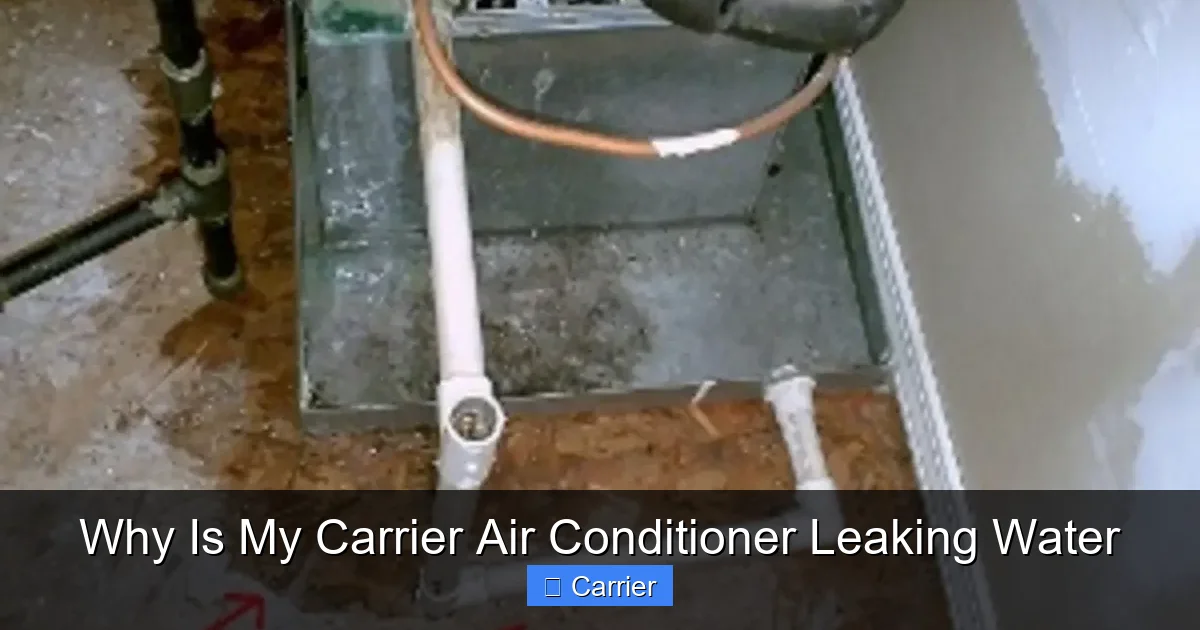
Visual guide about Why Is My Carrier Air Conditioner Leaking Water
Image source: patch.com
Prevention is always better than cure. By following a regular maintenance routine, you can avoid many common causes of water leaks—and keep your Carrier air conditioner running smoothly for years.
Start with monthly filter checks. Replace or clean reusable filters according to the manufacturer’s guidelines. In homes with pets or allergies, consider upgrading to high-efficiency pleated filters. Next, schedule annual professional tune-ups. Technicians will inspect the drain line, test refrigerant levels, and ensure all components are functioning correctly.
Also, keep the outdoor condenser unit clean. Trim back vegetation, remove leaves and debris, and hose off the fins periodically. Dirty fins reduce airflow and strain the system, increasing the risk of component failure.
Finally, monitor your home’s humidity levels. Using a hygrometer, aim to keep indoor humidity between 30% and 50%. Dehumidifiers can help in particularly damp climates.
When to Call a Professional
While many leaks are DIY-friendly, some situations demand expert intervention. If you suspect refrigerant loss, electrical faults, or major internal damage, contact a licensed HVAC contractor immediately. Signs that you need professional help include:
– Persistent leaks after trying basic fixes
– Strange noises or odors from the unit
– Reduced cooling performance
– Visible ice on refrigerant lines
– Frequent cycling on and off
Professional technicians have the tools and training to diagnose complex issues safely. They can also offer advice tailored to your specific model and home setup.
Conclusion: Keep Your Carrier AC Running Smoothly
A leaking Carrier air conditioner doesn’t have to ruin your day—or your budget. Most water leaks stem from manageable causes like clogged drains, dirty filters, or misaligned units. With regular maintenance and a little attention to detail, you can prevent many of these problems before they start. Remember, early detection saves money and prevents damage. Whether you choose to tackle the issue yourself or call in a pro, addressing leaks promptly ensures your system operates efficiently and lasts longer. Stay proactive, stay informed, and enjoy the cool, dry comfort your Carrier AC is meant to provide.
Frequently Asked Questions
Why is my Carrier air conditioner leaking water indoors?
Indoor leaks usually occur due to a clogged condensate drain line, a dirty air filter restricting airflow, or an improperly leveled unit. These issues prevent proper drainage, causing water to overflow from the drain pan.
Can a dirty air filter cause my Carrier AC to leak?
Yes. A dirty filter reduces airflow over the evaporator coils, causing them to freeze. When the ice melts, it releases a large amount of water that can exceed the drain capacity, leading to leaks.
How do I unclog a blocked condensate drain line?
Turn off the power, locate the drain line access port, and flush it with a mixture of water and vinegar or use a wet/dry vacuum to clear the blockage. Pour a cup of water into the overflow tray to test flow afterward.
Is it safe to run my Carrier AC if it’s leaking water?
No. Continuing to run a leaking unit can worsen damage, promote mold growth, and risk electrical hazards. Turn off the system and address the issue before using it again.
Should I replace the drain pan myself if it’s cracked?
It’s possible, but not recommended unless you’re experienced. Incorrect replacement can lead to poor sealing or improper alignment. A licensed technician ensures the new pan fits securely and the unit stays level.
How often should I service my Carrier air conditioner?
At least once per year, ideally before the cooling season begins. Annual maintenance includes filter inspection, drain line cleaning, coil cleaning, and system performance checks by a certified technician.