Carrier air conditioners are among the most reliable HVAC systems on the market, but they still need regular professional servicing to maintain peak performance. Only authorized Carrier service providers have access to genuine parts, specialized tools, and manufacturer training—making them essential for warranty compliance and long-term efficiency. Whether you own a central AC unit or a ductless mini-split, choosing the right technician ensures cleaner air, lower energy bills, and fewer emergency repairs.
If your home feels like an oven in July—or worse, your Carrier air conditioner has stopped blowing cold air—you’re probably wondering: *Who services Carrier air conditioners?* It’s a smart question. Carrier is one of the most trusted names in residential and commercial HVAC systems, known for durability, innovation, and strong customer satisfaction. But even the best-made machines need expert care. And when it comes to servicing Carrier units, not every HVAC technician is equal.
This comprehensive guide walks you through everything you need to know about finding qualified professionals who can keep your Carrier AC running smoothly, safely, and efficiently. From understanding why brand-specific expertise matters to spotting red flags in potential service providers, we’ve got you covered. Let’s dive in.
Key Takeaways
- Authorized vs. General Technicians: Not all HVAC pros can legally service Carrier units—only those certified through Carrier’s official network.
- Warranty Protection: Using unauthorized servicers may void your equipment warranty.
- Local Resources Matter: Use Carrier’s online directory to find nearby, pre-vetted technicians.
- Regular Maintenance Saves Money: Annual tune-ups improve efficiency by 15% and extend lifespan by years.
- DIY Checks Are Helpful—But Limited: You can clean filters and check airflow, but refrigerant handling requires EPA certification.
- Red Flags to Watch For: High-pressure sales tactics, lack of licensing, or refusal to show credentials are warning signs.
- Emergency Support Is Available: Many authorized providers offer 24/7 repair services for urgent issues.
📑 Table of Contents
- Why Brand-Specific Service Matters for Carrier Air Conditioners
- How to Find Authorized Carrier Service Providers Near You
- What Happens During a Professional Carrier AC Service Visit?
- DIY vs. Professional Servicing: What You Can—and Can’t—Do Yourself
- Warning Signs Your Carrier AC Needs Immediate Attention
- Cost Considerations: Is Paid Maintenance Worth It?
- Choosing Between Local HVAC Companies and National Brands
Why Brand-Specific Service Matters for Carrier Air Conditioners
Carrier isn’t just a brand—it’s a legacy. Founded in 1902 by Willis Carrier (the “father of modern air conditioning”), the company pioneered refrigeration technology that revolutionized indoor climate control. Over a century later, Carrier continues to innovate with energy-efficient models like the Infinity® series, Performance™ line, and advanced inverter-driven compressors.
What does this mean for you as a homeowner? Simply put: **Carrier systems are engineered with precision**, often featuring proprietary components such as:
– Specialized compressor designs
– Custom coil configurations
– Advanced thermostats (like the Comfort™ Touch)
– Refrigerant blends (like Puron® R-410A)
These aren’t generic parts you can swap out at any hardware store. Attempting DIY repairs or hiring uncertified techs risks damaging sensitive internals or voiding your warranty. That’s why Carrier maintains a strict network of **authorized service providers**—technicians who undergo rigorous training, use genuine OEM parts, and adhere to brand-specific protocols.
Think of it like taking your luxury car to a dealership versus a local mechanic who works on all makes. Sure, both might fix the issue—but only the dealer understands the nuances of that specific engine and keeps your factory warranty intact.
How to Find Authorized Carrier Service Providers Near You

Visual guide about Who Services Carrier Air Conditioners
Image source: embed.pixiv.net
The good news? Finding a qualified Carrier technician is easier than ever. The company offers several resources designed to connect homeowners with vetted local experts:
1. Carrier’s Official Service Locator
Visit [Carrier’s website](https://www.carrier.com/residential/en/us/) and navigate to their “Service & Support” section. There, you’ll find a searchable directory where you can enter your zip code to locate nearby authorized dealers and contractors. These businesses display the Carrier logo proudly because they meet strict criteria—including:
– Valid business licenses
– Certified technicians (often NATE-certified)
– Access to Carrier’s technical support hotline
– Participation in ongoing training programs
2. Ask About Certification
When calling potential providers, ask directly:
*”Are your technicians certified to service Carrier equipment?”*
Legitimate answers will include references to:
– Factory training completion
– Membership in the Carrier Contractor Network
– Proof of insurance and bonding
Avoid anyone who hesitates or says things like, “I’ve worked on Carriers before—it’s just like other brands.” That’s a red flag.
3. Check Online Reviews and Ratings
Platforms like Google Reviews, HomeAdvisor, and Angie’s List can give you insight into real customer experiences. Look for patterns—not just single glowing reviews—but consistent praise for responsiveness, transparency, and technical skill. Pay attention to how companies respond to negative feedback too; a truly reputable firm addresses concerns professionally.
What Happens During a Professional Carrier AC Service Visit?
Visual guide about Who Services Carrier Air Conditioners
Image source: nrs.vegas
A typical annual maintenance visit usually takes 60–90 minutes and includes these key tasks:
Inspection of Key Components
Technicians examine:
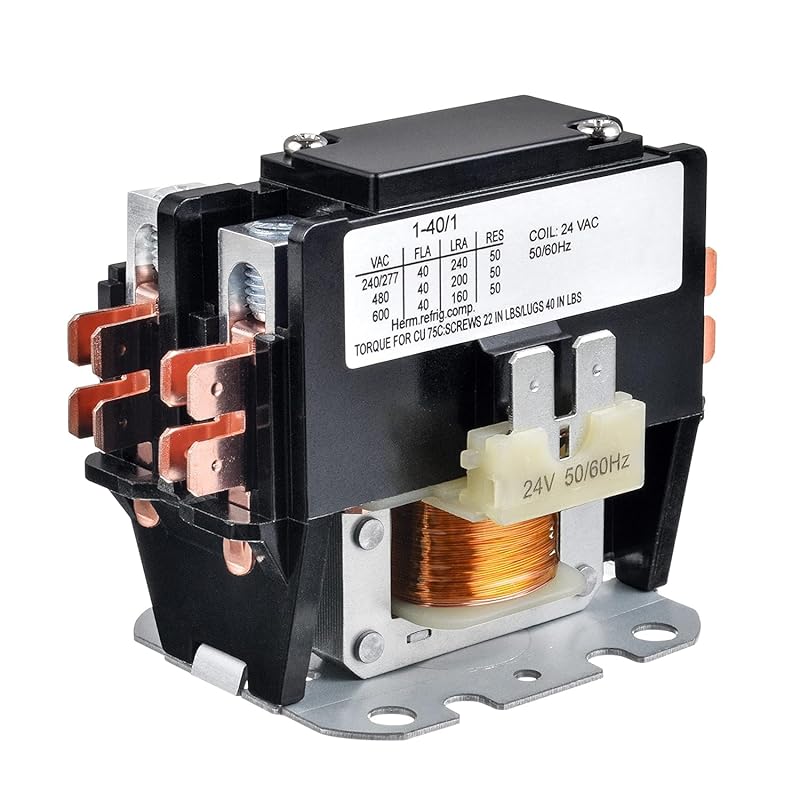
– Electrical connections for corrosion or looseness
– Refrigerant levels (using calibrated gauges)
– Blower motor operation
– Drain lines for clogs
– Thermostat calibration
Cleaning and Lubrication
Dirty coils reduce heat transfer efficiency by up to 30%. Techs clean evaporator and condenser coils using non-abrasive solutions. Moving parts like motors and fans get lubricated with manufacturer-recommended oils.
Performance Testing
Using diagnostic tools, professionals measure:
– Cooling output (via temperature differential tests)
– Energy consumption
– Airflow velocity across vents
They also verify proper refrigerant charge—critical since undercharged systems waste electricity and shorten compressor life.
Preventative Recommendations
After the inspection, expect a clear summary of findings. If minor issues were spotted (like a loose belt or clogged filter), they’ll explain how fixing them now prevents bigger problems later.
Pro tip: Request written documentation of the service. This becomes especially important if you need proof for warranty claims or resale purposes.
DIY vs. Professional Servicing: What You Can—and Can’t—Do Yourself
Many homeowners enjoy tackling basic upkeep tasks around the house. With Carrier AC units, here’s what’s safe to do:
✅ **Replace or clean air filters monthly**
Clogged filters restrict airflow, forcing the system to work harder and increasing energy bills by 5–15%.
✅ **Clear debris from outdoor condenser unit**
Trim vegetation at least two feet away and remove leaves, dirt, or grass clippings surrounding the unit.
✅ **Check thermostat batteries and settings**
Ensure it’s set to “cool” mode and schedule programmed temps align with your routine.
❌ **Never handle refrigerants yourself**
Refrigerant (especially R-410A) requires EPA Section 608 certification to manage legally. Improper handling causes environmental harm and system damage.
❌ **Don’t attempt electrical repairs**
Unless you’re a licensed electrician, avoid opening panels or touching internal wiring. Safety first!
Remember: While DIY helps maintain baseline functionality, **professional servicing addresses hidden inefficiencies** that only trained eyes and tools can detect.
Warning Signs Your Carrier AC Needs Immediate Attention
Sometimes, your intuition tells you something’s off before symptoms become severe. Here are common indicators that it’s time to call a technician:
– **Uneven cooling**: Warm spots in certain rooms suggest airflow imbalance or blocked ducts.
– **Strange noises**: Grinding, banging, or high-pitched whining often signal failing fan motors or loose components.
– **Frequent cycling**: If your unit turns on/off every few minutes, it could be overheating due to dirty coils or low refrigerant.
– **Excessive humidity**: Even after cooling, high indoor humidity means the dehumidification function isn’t working properly.
– **Water leaks indoors**: This usually points to a clogged condensate drain line—a quick fix if caught early.
Ignoring these signs risks costly breakdowns. For example, a neglected refrigerant leak can permanently damage the compressor within months.
Cost Considerations: Is Paid Maintenance Worth It?
Let’s address the elephant in the room: money. Annual AC maintenance typically costs between $100 and $250 depending on region and system complexity. At first glance, that might seem unnecessary if your unit seems fine.
But consider the return on investment:
– **Energy savings**: Clean systems use 10–15% less electricity.
– **Longer lifespan**: Properly maintained ACs last 15–20 years instead of 10–12.
– **Warranty compliance**: Most manufacturers require documented annual service to keep coverage active.
– **Avoidance of emergency repairs**: Small fixes prevent major breakdowns that cost thousands.
For context, replacing a central Carrier AC averages $4,000–$7,000. Spending $200/year on maintenance is far smarter than risking a mid-summer replacement bill.
Plus, many authorized dealers offer maintenance plans—monthly or quarterly visits at discounted rates—that bundle diagnostics, priority scheduling, and extended labor warranties.
Choosing Between Local HVAC Companies and National Brands
You might wonder: Should I go with a mom-and-pop shop or a national chain like Carrier Comfort Experts?
Both can be excellent—if they’re authorized. Here’s how to decide:
**Local Pros Advantages:**
– Often faster response times
– Personalized customer service
– Deep knowledge of regional climate challenges (e.g., coastal corrosion in Florida)
**National Brands Advantages:**
– Standardized training across locations
– Backed by corporate customer service teams
– Larger parts inventories for rare replacements
Regardless of size, always confirm authorization status first. A local company without Carrier certification won’t have access to critical technical bulletins or parts pricing.
—
In today’s world, where energy costs keep climbing and extreme weather events grow more frequent, investing in professional AC maintenance isn’t optional—it’s essential. Your Carrier air conditioner deserves the same care as your car: regular oil changes, tire rotations, and inspections by certified mechanics.
By selecting a Carrier-authorized service provider, you ensure your system operates at peak efficiency, delivers consistent comfort, and protects your family’s health through cleaner indoor air. Remember: When it comes to servicing Carrier air conditioners, quality matters more than convenience.
Stay cool—and keep reading our tips below!
Frequently Asked Questions
Can I service my Carrier air conditioner myself?
Basic tasks like changing filters and clearing debris are safe to do yourself. However, handling refrigerants, electrical components, or internal cleaning requires specialized training and EPA certification. For anything beyond surface-level maintenance, hire a professional.
Will using a non-Carrier technician void my warranty?
Yes, most Carrier warranties require servicing only by authorized providers using genuine parts. Unauthorized repairs or modifications typically void coverage, leaving you responsible for future repairs.
How often should I service my Carrier AC?
We recommend annual professional maintenance before each cooling season (spring). Some complex systems benefit from biannual visits. Always follow the manufacturer’s recommendations in your owner’s manual.
What’s included in a standard AC tune-up?
A typical service includes coil cleaning, filter replacement, refrigerant level checks, electrical connection tightening, blower inspection, thermostat calibration, and drainage testing. Exact services vary by provider.
How do I verify if my HVAC company is authorized by Carrier?
Ask directly during your consultation. Legitimate providers will proudly display Carrier branding, provide proof of certification, and direct you to Carrier’s official service locator for confirmation.
Are Carrier maintenance plans worth the cost?
Absolutely. Plans often include priority scheduling, discounted rates, multi-point inspections, and extended labor guarantees. They save money long-term by preventing breakdowns and improving efficiency.