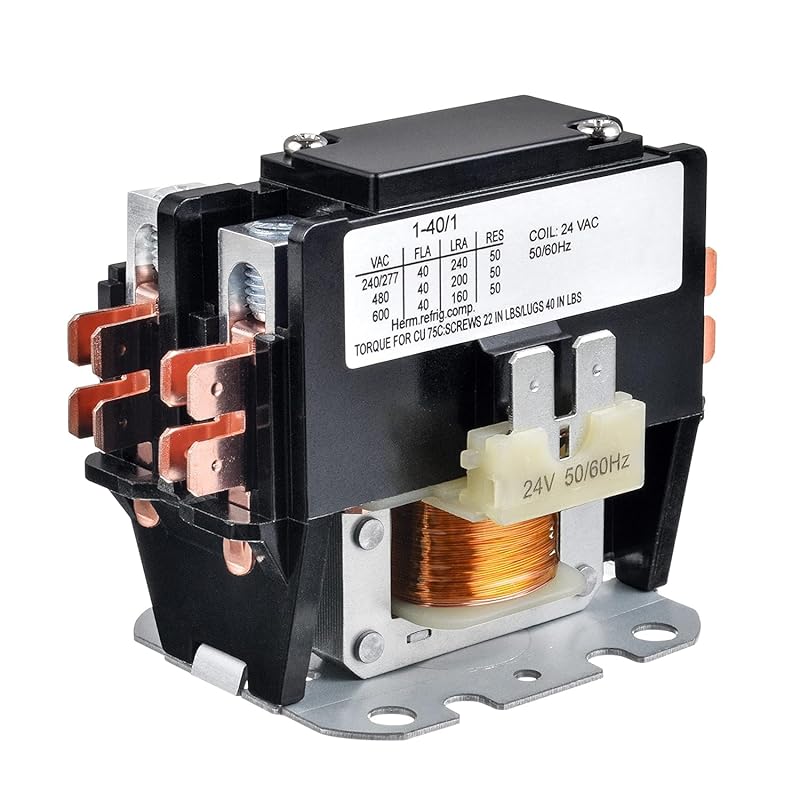
Carrier air conditioners are manufactured by Carrier Global Corporation, a world leader in heating, ventilation, and air conditioning (HVAC) technology. With production facilities across the globe, Carrier ensures high-quality, energy-efficient cooling solutions for homes and businesses. Their products reflect decades of innovation and commitment to sustainability.
Who Manufactures Carrier Air Conditioners?
You’ve probably seen the blue and white logo on your neighbor’s AC unit—maybe even on your own. That’s Carrier. The name alone brings up images of comfort, reliability, and cool breezes on hot summer days. But have you ever stopped to wonder: who actually builds these machines? Where do they come from? And more importantly, why does the name “Carrier” carry so much weight in the HVAC world?
Let’s dive into the story behind one of the most trusted names in air conditioning—Carrier. From its invention to its global reach, we’ll uncover who makes Carrier air conditioners, how they’re made, and what sets them apart in today’s market.
A Brief History of Carrier
Before we get into manufacturing, let’s rewind a bit. In 1902, Willis Haviland Carrier invented the first modern electrical air conditioning system. His goal? To control humidity in a printing plant in Brooklyn, New York. Little did he know, he was launching an industry.
That same year, he founded the Carrier Engineering Corporation—now known as Carrier Global Corporation—and laid the foundation for what would become the world’s largest independent HVAC company. Over the past century, Carrier has grown from a small startup to a multinational powerhouse, serving millions of customers in over 150 countries.
Today, Carrier isn’t just a brand—it’s a symbol of innovation, quality, and environmental responsibility. And at the heart of every Carrier air conditioner? A story of precision, engineering, and care—often beginning right in their state-of-the-art factories.
Who Actually Makes Carrier Air Conditioners?
The short answer: Carrier Global Corporation manufactures Carrier-branded air conditioners. But the full picture is a bit more complex.
Carrier is not just a single factory or a small local company. It’s a global enterprise with manufacturing operations spread across several continents. While some models are produced domestically in the United States, others are assembled in Mexico, China, India, and beyond.
For example, Carrier’s residential air conditioning units in North America are often built at facilities in Indianapolis, Indiana, and Monterrey, Mexico. These plants use cutting-edge automation and rigorous quality control to ensure every unit meets strict performance standards.
In Asia, Carrier has partnered with local manufacturers under licensing agreements to produce certain models efficiently and cost-effectively. This global approach allows Carrier to serve diverse markets while maintaining high standards.
But here’s the important part: even when production happens abroad, Carrier maintains tight oversight. Every product must pass through their quality assurance protocols before hitting store shelves or installation sites.
So yes—Carrier makes its own air conditioners. But it also collaborates with trusted partners to scale production and meet growing demand without compromising on quality.
Global Manufacturing Network
One of Carrier’s greatest strengths is its worldwide manufacturing footprint. Rather than relying on a single location, Carrier spreads production across multiple countries to optimize logistics, reduce shipping costs, and respond quickly to regional demand.
Take the U.S. market, for instance. Most residential Carrier air conditioners sold in American homes are produced at the company’s headquarters in Indianapolis, Indiana. This facility is equipped with robotic assembly lines, real-time monitoring systems, and advanced testing labs.
But not all Carrier products are made in the U.S. Some models, especially those designed for emerging markets, are manufactured in China through joint ventures or licensed facilities. These partnerships allow Carrier to offer affordable, reliable cooling solutions without sacrificing engineering excellence.
Carrier’s Mexico plants are another key hub. Located near the U.S. border, these facilities help speed up delivery times and support cross-border trade. They also employ thousands of workers and contribute significantly to local economies.
By distributing manufacturing globally, Carrier ensures flexibility and resilience. If one plant faces disruptions due to weather, politics, or supply chain issues, others can step in to keep production flowing.
This decentralized model also supports sustainability. Producing closer to where products are sold reduces transportation emissions—a big win for the environment.
How Are Carrier Air Conditioners Made?
Now, let’s peek inside the factory floor. How do raw materials become fully functional air conditioners?
It starts with design. Engineers at Carrier use computer-aided modeling to simulate airflow, energy use, and durability. Once a prototype is approved, production begins.
The process typically includes:
– **Material sourcing**: Aluminum coils, copper tubing, compressors, and plastic housings are sourced from certified suppliers.
– **Precision machining**: Compressors and heat exchangers are crafted with micrometer-level accuracy.
– **Assembly**: Robots and skilled technicians work side-by-side to install components.
– **Testing**: Each unit undergoes stress tests, leak checks, and performance evaluations.
– **Packaging and shipping**: Finished units are packed securely and sent to distributors.
Throughout this process, Carrier follows strict environmental guidelines. Waste is minimized, energy use is tracked, and recyclable materials are reused whenever possible.
Quality control is non-negotiable. Every air conditioner leaves the factory only after passing multiple inspection points. This attention to detail helps explain why Carrier units last longer and perform better than many competitors.
Innovation Behind the Scenes
What really sets Carrier apart isn’t just where the air conditioners are made—it’s what goes into making them.
Carrier invests billions each year in research and development. Their engineers are constantly working on smarter thermostats, quieter compressors, and greener refrigerants. For example, newer models use R-454B, a refrigerant that’s safer for the ozone layer and more efficient than older alternatives.
They’ve also embraced smart technology. Many modern Carrier units connect to Wi-Fi, letting homeowners adjust temperatures remotely via smartphone apps. Some even learn usage patterns and suggest energy-saving settings.
And let’s not forget AI. Carrier is exploring artificial intelligence to predict maintenance needs and optimize performance in real time—imagine your AC calling you when it’s time for a filter change!
All this innovation happens in labs and test chambers around the world. But it all feeds back into the factories, improving how Carrier air conditioners are built.
Partnerships and Licensing Agreements
Here’s something many people don’t realize: while Carrier manufactures its own products, it doesn’t do everything in-house.
In some cases, Carrier licenses its brand and technology to third-party manufacturers. This means companies in countries like China or Thailand may build air conditioners under the Carrier name—but only after meeting Carrier’s technical and quality requirements.
These partnerships help Carrier expand faster and enter new markets without building new factories from scratch. But there’s always a catch: strict oversight.
Carrier sends teams to audit these partner facilities regularly. They review blueprints, inspect prototypes, and run surprise tests. Only if everything meets Carrier’s standards is the product allowed to carry the Carrier name.
This hybrid model works because Carrier values consistency above all else. Whether a unit is made in Indiana or Shanghai, it should feel and perform the same.
Residential vs. Commercial Manufacturing
Not all Carrier air conditioners are created equal—literally.
The company produces two main types: residential and commercial. And each type is manufactured differently.
**Residential Units**
These include central air conditioners, ductless mini-splits, window units, and portable coolers. Most are made in large batches at centralized plants like the one in Indianapolis.
Because homeowners expect quiet operation, easy installation, and energy savings, these units go through extra sound-dampening treatments and efficiency tuning.
**Commercial Systems**
On the flip side, commercial air conditioners—think rooftop units or large chillers for offices—are built to handle heavy workloads. They’re engineered for longevity and often customized for specific buildings.
Commercial manufacturing involves more collaboration with architects and contractors. Prototypes might be tested in real-world settings before mass production begins.
Both types benefit from Carrier’s global supply chain. Components arrive just-in-time, reducing storage costs and waste.
Energy Efficiency and Sustainability in Production
Sustainability isn’t just a buzzword at Carrier—it’s baked into their manufacturing DNA.
The company aims to achieve net-zero greenhouse gas emissions by 2040. That includes cutting emissions from their factories, offices, and supply chain.
How? By:
– Using renewable energy in plants
– Switching to electric vehicles for deliveries
– Recycling water used in cooling processes
– Designing products for easier disassembly and recycling
For instance, Carrier’s new air conditioners are built so that when they eventually reach the end of their life, parts like motors and coils can be removed and reused—reducing landfill waste.
They’ve also eliminated single-use plastics in packaging and replaced them with compostable materials.
These efforts aren’t just good for the planet—they save money too. Efficient resource use lowers operating costs, which Carrier passes on to customers through competitive pricing.
Where Can You Buy Authentic Carrier Air Conditioners?
Buying a genuine Carrier air conditioner is easy—but avoiding counterfeits requires a little know-how.
Always purchase from an authorized Carrier dealer. These dealers undergo training, carry warranty services, and sell only authentic products.
You can find a list of authorized dealers on Carrier’s official website. Look for the “Find a Dealer” tool and enter your zip code.
Also, check the product label. Authentic Carrier units display a serial number, model number, and certification logos (like ENERGY STAR or AHRI). Fake units often miss these details or use blurry labels.
Finally, ask for proof of warranty registration. Genuine Carrier products come with a warranty card—and only dealers can activate it online.
By buying through proper channels, you protect yourself from poor performance, hidden defects, and voided warranties.
Tips for Maintaining Your Carrier Air Conditioner
Even the best-made air conditioners need care. Here are a few quick tips to keep yours running smoothly:
– Clean or replace filters every 1–3 months during peak use.
– Schedule annual professional tune-ups.
– Keep outdoor units free of debris and vegetation.
– Use a programmable thermostat to reduce energy waste.
– Seal ducts to prevent cooled air from escaping.
Regular maintenance can extend your AC’s lifespan by years—and save you hundreds in repair bills.
Conclusion
So, who manufactures Carrier air conditioners? The answer is simple yet powerful: Carrier Global Corporation.
From its humble beginnings in 1902 to its current status as a global HVAC leader, Carrier has built a legacy of innovation, quality, and trust. Its air conditioners aren’t just assembled—they’re crafted with care, tested rigorously, and delivered through a network of authorized dealers worldwide.
Whether you’re cooling your home or running a business, choosing a Carrier unit means choosing reliability, efficiency, and peace of mind. And now you know exactly where that comfort comes from.
Key Takeaways
- Carrier Global Corporation is the primary manufacturer behind Carrier-brand air conditioners, with roots tracing back to Willis Carrier, the inventor of modern air conditioning.
- The company operates manufacturing plants worldwide, including major facilities in the U.S., Mexico, China, and other regions, allowing for localized production and faster delivery.
- Carrier uses advanced engineering and smart technologies to design air conditioners that meet strict energy efficiency standards like ENERGY STAR® and AHRI certification.
- While Carrier owns its brand, it partners with licensed contractors and distributors for installation and service, ensuring quality customer experiences.
- Carrier invests heavily in sustainable manufacturing practices, including reducing emissions and using recyclable materials in production.
- The company offers both residential and commercial air conditioning systems, from window units to large-scale HVAC solutions.
- Consumers can verify authenticity by checking model numbers, serial tags, and authorized dealer lists on Carrier’s official website.
Frequently Asked Questions
Is Carrier owned by another company?
No, Carrier Global Corporation is an independent, publicly traded company. It spun off from United Technologies Corporation in 2020 but remains headquartered in Palm Beach Gardens, Florida. It operates autonomously and focuses solely on HVAC products.
Are all Carrier air conditioners made in the USA?
Most residential Carrier air conditioners sold in the U.S. are manufactured in Indiana or Mexico. However, some models are produced in Asia or Europe through licensed partnerships. Regardless of location, all units meet Carrier’s strict quality standards.
Can I buy Carrier air conditioners directly from the manufacturer?
Carrier sells products primarily through authorized dealers and distributors. While they don’t take direct consumer orders online, their website helps you locate a nearby dealer who can provide installation and warranty services.
How can I tell if my air conditioner is a real Carrier?
Check the product label for a serial number, model number, and certification logos. Also, confirm you purchased it from an authorized dealer listed on Carrier’s official website. Counterfeit units often lack clear branding or warranty cards.
Does Carrier manufacture its own compressors?
Yes, Carrier designs and manufactures many of its own compressors—especially for residential and light-commercial systems. This vertical integration allows greater control over performance, efficiency, and reliability.
Are Carrier air conditioners more expensive than competitors?
Carrier units typically fall in the mid-to-high price range due to superior build quality, advanced features, and long-term energy savings. While initial costs may be higher than budget brands, their durability and efficiency often justify the investment.