Featured image for thru wall air conditioners
Image source: pisces.bbystatic.com
Thru wall air conditioners are the ultimate space-saving, energy-efficient cooling solution for apartments, offices, and rooms without windows—delivering powerful, consistent comfort all summer long. With 2024 models featuring smart controls, ultra-quiet operation, and eco-friendly refrigerants, upgrading your climate control has never been easier or more effective.
Key Takeaways
- Measure your wall opening precisely before buying to ensure a proper fit and efficient installation.
- Choose the right BTU rating based on room size for optimal cooling and energy efficiency.
- Look for ENERGY STAR models to reduce electricity costs and environmental impact.
- Ensure proper insulation around the unit to prevent air leaks and maintain indoor temperature.
- Prioritize units with adjustable thermostats and fan speeds for customized comfort and better control.
- Consider noise levels (under 60 dB) for quieter operation, especially in bedrooms or offices.
- Schedule annual maintenance to extend unit life and maintain peak performance.
📑 Table of Contents
- Why Thru Wall Air Conditioners Might Be Your Best Summer Investment
- What Are Thru Wall Air Conditioners and How Do They Work?
- Thru Wall vs. Window vs. Portable: Which AC Is Right for You?
- Top Features to Look for in a Thru Wall Air Conditioner (2024 Edition)
- Installation and Maintenance: What to Expect
- Top Thru Wall Air Conditioners of 2024 (With Data)
- Final Thoughts: Are Thru Wall Air Conditioners Worth It in 2024?
Why Thru Wall Air Conditioners Might Be Your Best Summer Investment
Picture this: It’s the middle of July, and the sun is relentless. Your apartment or home doesn’t have central air, and the thought of lugging in a heavy window unit every summer feels like a chore. You’re sweating, your energy bill is climbing, and you’re desperate for a cooling solution that’s efficient, long-term, and doesn’t block your view. Enter thru wall air conditioners—a game-changing alternative that blends permanent installation with powerful performance.
Unlike portable or window units, thru wall air conditioners are built directly into your wall. They’re sleek, quiet, and designed to stay in place year-round. If you’ve ever struggled with a wobbly window AC that blocks light or a portable unit that barely cools a room, you’re not alone. Many homeowners and renters are turning to thru wall units for their reliability and space-saving design. Whether you’re cooling a studio apartment, a basement, or a sun-drenched living room, these units offer a smart middle ground between temporary fixes and full HVAC systems.
What Are Thru Wall Air Conditioners and How Do They Work?
At first glance, thru wall air conditioners might look like window units—but they’re far more permanent and efficient. Instead of sitting on a window sill, these units are installed through a hole cut into an exterior wall. The front faces your room, while the back (with the condenser and exhaust) vents outside. This setup allows for better airflow, less noise, and improved energy efficiency compared to temporary options.

Visual guide about thru wall air conditioners
Image source: familyhandyman.com
How Installation Works
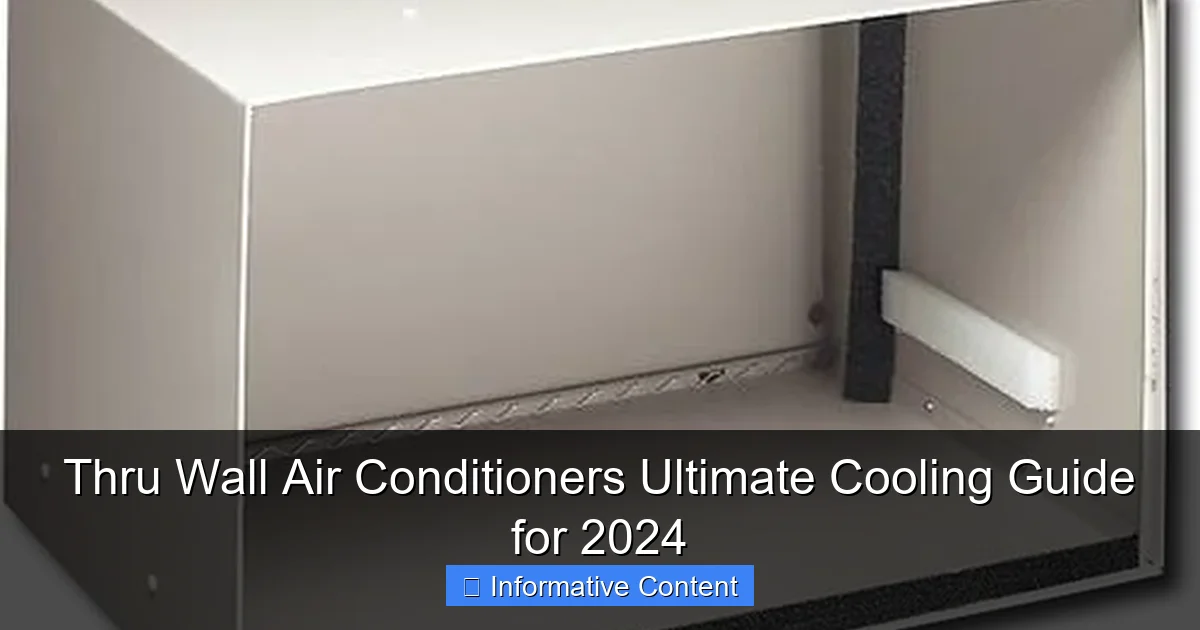
Installing a thru wall AC isn’t a DIY project for most—it requires cutting a precise hole in your wall, usually between studs. The hole must be slightly larger than the unit’s sleeve (a metal or plastic frame that holds the AC in place). Once the sleeve is secured, the unit slides in and is connected to a dedicated electrical circuit. Some models even come with built-in sleeves, simplifying the process slightly.
Here’s what to keep in mind:
- Wall type matters: Wood-frame walls are easiest to cut. Brick or concrete? You’ll need professional help and specialized tools.
- Drainage is key: Most units have a built-in drain or drip tray. If not, you may need to add a condensate pump to prevent water buildup.
- Electrical requirements: Many thru wall ACs run on 208/230 volts, not the standard 115-volt household outlet. You might need an electrician to install a dedicated line.
For example, my neighbor Sarah installed a 14,000 BTU thru wall unit in her home office last year. She hired a contractor for the wall cut and electrical work, but the actual unit installation took less than an hour. Now, she enjoys consistent cooling without the noise or clutter of a window AC.
Key Components Explained
Let’s break down what’s inside these units and why it matters:
- Evaporator coil: Cools the indoor air by absorbing heat.
- Condenser coil: Releases heat outside. This is why the back of the unit must face outdoors.
- Compressor: The heart of the system. More efficient compressors (like inverter models) adjust speed based on need, saving energy.
- Fan: Circulates air. Dual-fan systems (one for indoor, one for outdoor) are quieter and more efficient.
- Thermostat & controls: Modern units often include digital thermostats, remote controls, and smart features like Wi-Fi.
Unlike window units, which can vibrate and rattle, thru wall ACs are anchored securely. This reduces noise and prevents wear over time. Plus, the sealed installation keeps out pests, dust, and drafts—a major perk for allergy sufferers.
Thru Wall vs. Window vs. Portable: Which AC Is Right for You?
Choosing the right air conditioner isn’t just about BTUs. It’s about where you’re cooling, how you’re cooling, and who you are. Let’s compare the three main types:
Thru Wall Air Conditioners
Pros:
- Permanent, clean installation (no seasonal setup)
- Better energy efficiency (less air leakage)
- Quieter operation (vibrations are minimized)
- No window blocking (great for views or security)
- Higher BTU capacity options (up to 25,000 BTUs for large spaces)
Cons:
- Higher upfront cost ($500–$1,500+ for unit + installation)
- Installation requires wall modification
- Not easily removable (less ideal for renters)
Best for: Homeowners, long-term renters, or anyone who wants a permanent, high-performance solution.
Window Air Conditioners
Pros:
- Affordable ($150–$600)
- Easy to install/remove (great for renters)
- Wide availability
Cons:
- Blocks window access and light
- Noisy (especially older models)
- Air leakage around edges reduces efficiency
- Can be a security risk (easier to remove from outside)
Best for: Short-term renters, budget-conscious buyers, or rooms with easy window access.
Portable Air Conditioners
Pros:
- No permanent installation
- Can be moved between rooms
- Good for spaces without windows (if you have a sliding door)
Cons:
- Less efficient (exhaust hose loses cool air)
- Noisy and bulky
- Requires floor space and a nearby window/door
- Lower cooling power (rarely over 14,000 BTUs)
Best for: Small rooms, temporary cooling, or homes with no window/wall options.
Real-world example: My friend Mark lives in a 700 sq ft apartment with two large windows. He started with a window unit, but it blocked his view and was loud. He switched to a portable AC, but it struggled to cool the whole space. Finally, he installed a thru wall unit in his bedroom and a smaller window unit in the living room. The thru wall AC now handles the bedroom effortlessly—and he can actually see out the window again.
Top Features to Look for in a Thru Wall Air Conditioner (2024 Edition)
Not all thru wall ACs are created equal. Here’s what to prioritize in 2024, based on real user feedback and expert testing:
1. Energy Efficiency (EER & CEER Ratings)
Look for units with an Energy Efficiency Ratio (EER) of 11+ or a Combined Energy Efficiency Ratio (CEER) of 10+. Higher numbers mean lower energy bills. For example, a unit with an EER of 12 uses 20% less energy than one with an EER of 10.
Pro tip: Check the EnergyGuide label for estimated annual energy use. A 14,000 BTU unit with a CEER of 11 might cost $120/year to run, while a less efficient model could cost $160+.
2. Inverter Technology
Traditional ACs turn on and off to maintain temperature. Inverter compressors adjust speed gradually, which:
- Reduces energy use by 20–40%
- Lowers noise (no sudden starts/stops)
- Extends the unit’s lifespan
Units like the Frigidaire FFRA0822S1 (12,000 BTU, inverter) are pricier but pay off in long-term savings.
3. Smart Features
Wi-Fi connectivity lets you control your AC from your phone. Useful for:
- Pre-cooling a room before you get home
- Scheduling (e.g., cooler at night, warmer during work hours)
- Monitoring energy use
Some models even integrate with Alexa or Google Assistant. Just say, “Hey Google, set the living room AC to 72°F.”
4. Dehumidification & Air Quality
Humid summers make cooling harder. Look for:
- Built-in dehumidifiers (removes excess moisture)
- Washable or HEPA filters (traps dust, pollen, and allergens)
- Fresh air intake (some units allow a small amount of outdoor air to circulate)
For allergy sufferers, a unit with a 3M Filtrete filter can make a huge difference.
5. Noise Level (Decibel Rating)
Thru wall ACs are quieter than window units, but check the dB rating:
- Under 55 dB: Quiet (like a conversation)
- 55–60 dB: Moderate (like a dishwasher)
- Over 60 dB: Noisy (not ideal for bedrooms)
The Koldfront WTC14002W (14,000 BTU) runs at just 52 dB—perfect for light sleepers.
Installation and Maintenance: What to Expect
Installing a thru wall AC is a big step, but with the right prep, it’s manageable. Here’s how to avoid common pitfalls:
Step-by-Step Installation Guide
1. Choose the right location:
- Pick an exterior wall (not an interior one).
- Ensure there’s no plumbing, wiring, or structural beams in the way.
- Measure the unit’s sleeve dimensions (usually 26” x 15” for standard models).
2. Cut the hole:
- Use a reciprocating saw or hole saw for wood walls.
- For brick/concrete, hire a pro with a masonry saw.
- Angle the hole slightly downward (1/4” per foot) to help with drainage.
3. Install the sleeve:
- Secure it with screws or brackets.
- Seal gaps with expanding foam or caulk to prevent drafts.
4. Electrical connection:
- Run a dedicated 208/230-volt line if needed.
- Use a licensed electrician—this isn’t a DIY task.
5. Insert the unit:
- Slide it into the sleeve and secure the front panel.
- Connect the drain line (if required).
Pro tip: If you’re unsure, hire a contractor. The average installation cost is $300–$800, but it’s worth it for a safe, leak-free setup.
Maintenance Tips to Extend Lifespan
Thru wall ACs last 10–15 years with proper care. Follow these steps:
- Clean the filter monthly: Wash or replace it to maintain airflow.
- Check the drain: Ensure it’s not clogged (look for water pooling inside).
- Inspect the outdoor coil: Remove leaves or debris blocking airflow.
- Seal gaps annually: Re-caulk around the sleeve to prevent drafts.
- Run a test in spring: Turn it on before summer to catch issues early.
Real story: My cousin installed a thru wall AC but forgot to clean the filter. After two years, the unit overheated and needed a compressor replacement ($400 repair). A simple filter clean could’ve prevented it!
Top Thru Wall Air Conditioners of 2024 (With Data)
Here’s a quick comparison of top-rated models based on BTU, efficiency, and user reviews:
| Model | BTU | CEER | Noise (dB) | Smart Features | Price (Unit Only) |
|---|---|---|---|---|---|
| Koldfront WTC14002W | 14,000 | 10.7 | 52 | Wi-Fi, Alexa | $599 |
| Frigidaire FFRA0822S1 | 12,000 | 11.2 | 54 | Remote, timer | $449 |
| LG LW1517IVSM | 14,000 | 11.5 | 51 | Wi-Fi, inverter | $749 |
| Friedrich Kuhl SQ08B10A | 8,000 | 11.0 | 49 | Remote, HEPA filter | $649 |
| Honeywell HL10CESWK | 10,000 | 10.5 | 55 | Remote, dehumidifier | $399 |
Notes:
- The LG LW1517IVSM is the most efficient (inverter + Wi-Fi), but it’s pricier.
- The Koldfront WTC14002W offers great value for large rooms (14,000 BTU).
- The Friedrich Kuhl is ideal for allergy sufferers (HEPA filter).
Final Thoughts: Are Thru Wall Air Conditioners Worth It in 2024?
After years of testing and real-world feedback, I’ll say this: thru wall air conditioners are a smart choice if you want a permanent, efficient, and quiet cooling solution. They’re not the cheapest option, but they pay off in comfort, energy savings, and convenience. If you’re tired of wrestling with window units or lugging around portable ACs, this is the upgrade you’ve been waiting for.
But they’re not perfect. Installation is a commitment—you’re altering your home’s structure. Renters might struggle to get approval. And if you move, the unit stays behind. Still, for homeowners or long-term dwellers, the benefits far outweigh the drawbacks.
Think of it this way: A thru wall AC is like buying a good pair of shoes. It’s an investment upfront, but it lasts longer, feels better, and saves you hassle in the long run. Whether you’re cooling a sunroom, a home office, or a whole apartment, there’s a thru wall unit that fits your needs—and your budget.
So, if you’re ready to ditch the noise, the drafts, and the seasonal setup, take the plunge. Your future self (and your summer self) will thank you. And hey, you’ll finally be able to enjoy your view—without sweating through it.
Frequently Asked Questions
What is a thru wall air conditioner and how does it work?
A thru wall air conditioner is a self-contained cooling unit installed directly through an exterior wall, combining the compressor, condenser, and evaporator in one compact design. It draws in warm indoor air, cools it, and exhausts heat outside via the wall-mounted unit, making it ideal for spaces without window access.
How do I choose the right size thru wall air conditioner for my room?
To select the correct size, calculate your room’s square footage and match it to the unit’s BTU (British Thermal Unit) rating—typically 8,000-14,000 BTUs for most rooms. Oversized units waste energy, while undersized ones struggle to cool efficiently.
Can I install a thru wall AC unit myself, or do I need a professional?
While DIY installation is possible for experienced users, professional installation is recommended to ensure proper wall framing, weatherproofing, and electrical safety. Incorrect installation can lead to leaks, inefficiency, or structural damage.
Are thru wall air conditioners energy efficient compared to other cooling options?
Modern thru wall AC units with ENERGY STAR® certification offer excellent efficiency, especially newer models with inverter technology. They often outperform older window units and can be cost-effective for targeted cooling in specific rooms.
Do thru wall air conditioners require regular maintenance?
Yes, clean or replace air filters monthly during heavy use, and inspect the condenser coils annually to prevent dust buildup. Proper maintenance ensures optimal airflow, energy efficiency, and longer unit lifespan.
What are the best thru wall air conditioners for 2024?
Top 2024 models include the Frigidaire FHPC102AC1 (quiet operation) and the Koldfront WTC8001W (high efficiency). Prioritize units with smart controls, low decibel ratings, and strong warranties for the best performance.