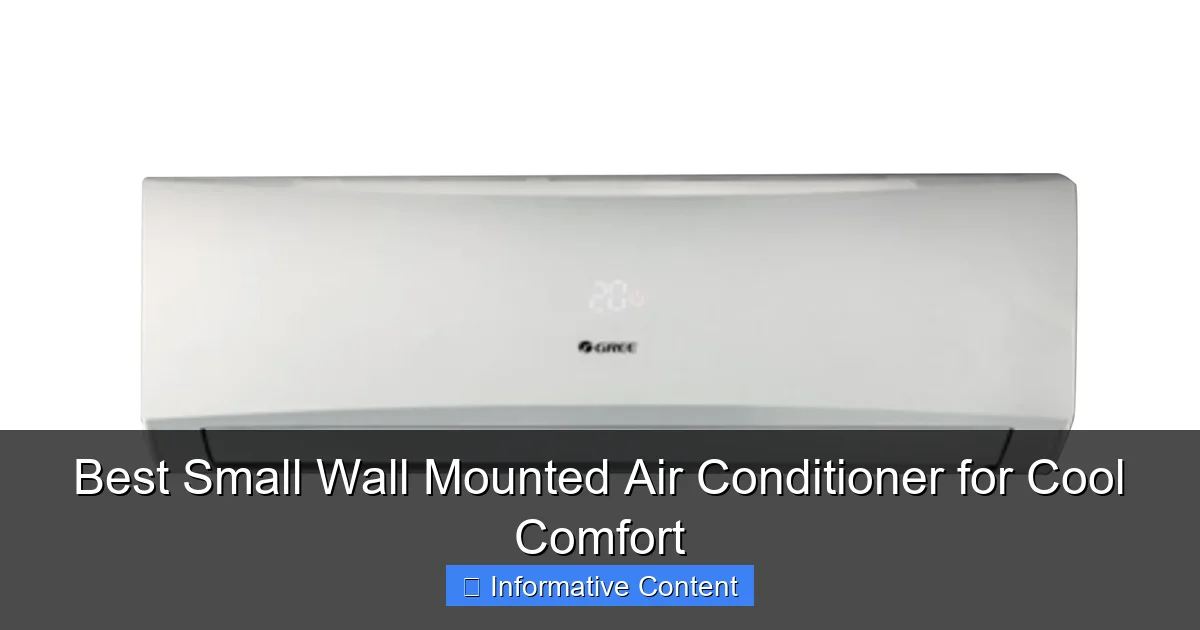
Featured image for wall heater and air conditioner
Wall heater and air conditioner units offer a space-saving, efficient solution for maintaining ideal indoor temperatures year-round. Perfect for apartments, offices, or supplemental climate control, these systems deliver targeted heating and cooling without the complexity of central HVAC, making them a smart, cost-effective choice for modern comfort.
Key Takeaways
- Choose dual-function units: Opt for wall heaters with AC modes to save space and costs.
- Prioritize energy efficiency: Look for ENERGY STAR® ratings to reduce utility bills year-round.
- Ensure proper sizing: Calculate room BTU/sq. ft. needs for optimal heating and cooling performance.
- Install smart thermostats: Pair with Wi-Fi controls for precise temperature scheduling and remote access.
- Maintain regularly: Clean filters and vents every 3 months to extend unit lifespan.
- Seal gaps early: Prevent heat loss or gain by sealing wall unit edges during installation.
📑 Table of Contents
- Wall Heater and Air Conditioner Guide for Year Round Comfort
- Understanding Wall Heaters: Types, Features, and Benefits
- Exploring Wall-Mounted Air Conditioners: Cooling Made Simple
- Choosing the Right Wall Heater and Air Conditioner for Your Space
- Installation Tips and Best Practices
- Energy Efficiency and Cost Savings: Getting the Most from Your System
- Common Challenges and How to Solve Them
- Final Thoughts: Achieving Year-Round Comfort with Confidence
Wall Heater and Air Conditioner Guide for Year Round Comfort
There’s nothing quite like walking into a home that feels just right—not too hot, not too cold, but perfectly balanced. Whether it’s the middle of a sweltering summer or a frosty winter morning, the right climate control system can make all the difference. That’s where wall heaters and air conditioners come in. These compact, efficient units are becoming increasingly popular in homes, apartments, and even offices, offering targeted heating and cooling without the need for bulky central systems.
I remember the first time I lived in an older apartment with no central HVAC. The landlord installed a basic wall heater in the living room and a small window AC unit in the bedroom. At first, I was skeptical—could such simple devices really keep me comfortable all year? But after a few seasons, I was pleasantly surprised. With a little planning and the right setup, I was able to maintain a cozy, consistent temperature no matter the weather outside. That experience sparked my interest in wall-mounted climate solutions, and I’ve since learned how versatile and effective they can be when chosen and used wisely.
In this guide, we’ll explore everything you need to know about wall heaters and air conditioners—how they work, the different types available, how to choose the right one for your space, and tips for maximizing efficiency and comfort. Whether you’re looking to upgrade your current system, heat a single room, or add cooling to a sunroom, this guide will help you make informed decisions for year-round comfort.
Understanding Wall Heaters: Types, Features, and Benefits
Wall heaters are heating systems mounted directly onto a wall, usually near the floor or ceiling, to provide localized warmth. Unlike central heating, which warms an entire home through ducts, wall heaters deliver heat directly to the room they’re installed in. This makes them ideal for spot heating, supplemental warmth, or heating smaller spaces like bedrooms, bathrooms, or home offices.
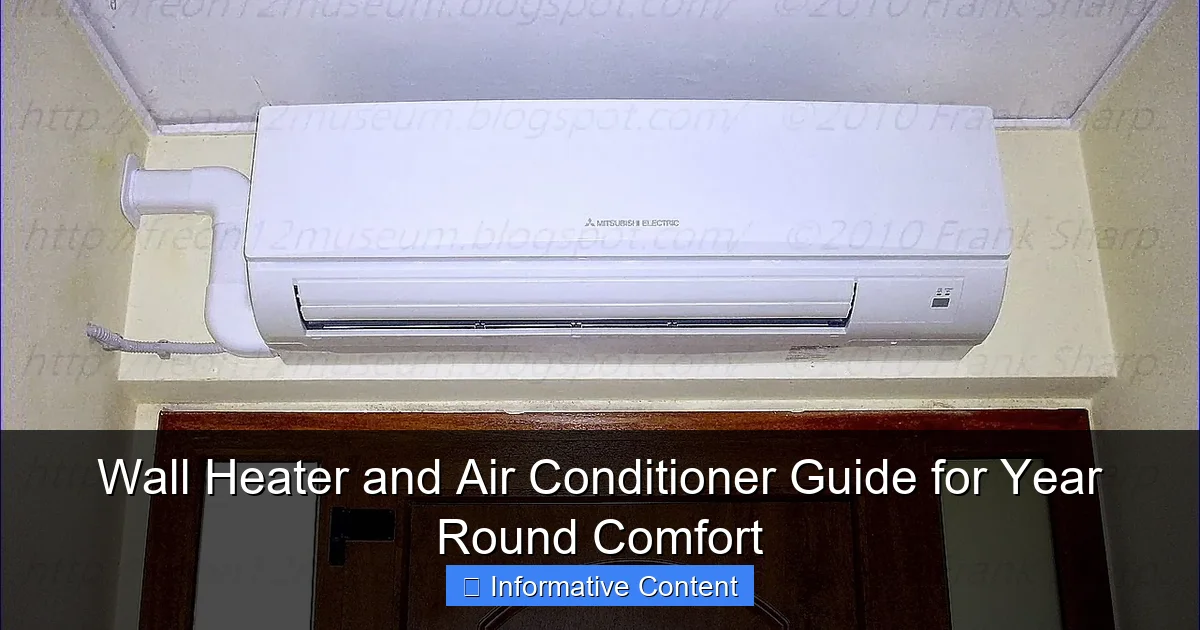
Visual guide about wall heater and air conditioner
Image source: 2.bp.blogspot.com
How Wall Heaters Work
Most wall heaters operate using either electric resistance or hydronic (hot water) systems. Electric wall heaters are the most common and work by passing electricity through a heating element, which then radiates heat into the room. These are typically controlled by a built-in thermostat or a separate wall-mounted control. Hydronic wall heaters, on the other hand, are connected to a home’s hot water system and use heated water circulating through a radiator-like unit to warm the space. While less common in residential settings, they’re efficient in homes with radiant heating systems.
Types of Wall Heaters
- Electric Wall Heaters: These are the most widely used due to their simplicity and ease of installation. They come in convection and radiant models. Convection heaters warm the air, while radiant heaters emit infrared heat that warms objects and people directly.
- Hydronic Wall Heaters: Connected to a boiler or water heater, these are more energy-efficient in the long run but require professional installation and plumbing.
- Fan-Forced Wall Heaters: These include a small fan to circulate warm air more quickly, making them ideal for larger rooms or spaces that need rapid heating.
- Baseboard Heaters: While technically not wall-mounted, these run along the base of the wall and are often grouped with wall heaters due to their similar function and placement.
Benefits of Wall Heaters
One of the biggest advantages of wall heaters is their energy efficiency. Because they heat only the room they’re in, you avoid wasting energy on unoccupied spaces. They’re also space-saving—no need for floor-standing units or ductwork. Installation is relatively simple, especially for electric models, and many come with built-in safety features like overheat protection and tip-over shutoffs.
Another benefit is zonal control. If you only use your bedroom at night, you can heat just that room instead of the whole house. This not only saves energy but also allows for personalized comfort. For example, my home office stays warmer during winter workdays, while the rest of the house remains cooler—perfect for reducing heating bills.
Exploring Wall-Mounted Air Conditioners: Cooling Made Simple
Just as wall heaters provide efficient heating, wall-mounted air conditioners offer targeted cooling for individual rooms or zones. These units are permanently installed through the wall and are a popular alternative to window ACs or portable units. They’re especially useful in homes without central air conditioning or in rooms where window units aren’t practical.
How Wall AC Units Work
Wall-mounted air conditioners operate on the same basic principle as other AC systems: they remove heat and moisture from indoor air and release it outside. The unit is installed in a sleeve or opening in the wall, with the front facing indoors and the back venting to the exterior. Refrigerant circulates through coils, absorbing heat from the room and expelling it through the outdoor section.
Types of Wall Air Conditioners
- Through-the-Wall Units: These are the traditional wall ACs, installed directly into a wall opening. They’re permanent fixtures and require professional installation.
- Ductless Mini-Split Systems: While not always wall-mounted, many mini-splits have indoor units that mount high on the wall. These systems consist of an outdoor compressor and one or more indoor air handlers, connected by refrigerant lines. They offer both heating and cooling and are highly efficient.
- Smart Wall ACs: Newer models come with Wi-Fi connectivity, allowing you to control temperature, fan speed, and schedules via smartphone apps or voice assistants like Alexa or Google Assistant.
Advantages of Wall-Mounted Air Conditioners
Wall AC units are quieter than window units because the noisy compressor is located outside. They also provide better insulation and don’t block windows, preserving natural light and views. Since they’re built into the wall, they’re less prone to drafts or air leaks.
One of the biggest perks is efficiency. Modern wall ACs often have high SEER (Seasonal Energy Efficiency Ratio) ratings, meaning they use less electricity to cool the same space. For example, a 10,000 BTU wall unit might use around 1,000 watts, compared to 1,200–1,500 watts for a comparable window unit.
I once helped a friend install a through-the-wall AC in her sunroom. The room used to be unbearable in summer, but after the installation, it became her favorite spot for morning coffee. The unit cooled the space quickly and quietly, and she loved not having to deal with a bulky window unit blocking the view.
Choosing the Right Wall Heater and Air Conditioner for Your Space
Selecting the right wall heater and air conditioner isn’t just about picking the most powerful unit. It’s about matching the system to your room size, insulation, climate, and usage patterns. A unit that’s too small won’t keep up, while one that’s too large will cycle on and off frequently, wasting energy and reducing comfort.
Calculating Heating and Cooling Needs
The first step is determining the BTU (British Thermal Unit) requirement for your space. BTUs measure how much heat a heater can produce or how much cooling an AC can provide. As a general rule:
- For heating: 20 BTUs per square foot of living space.
- For cooling: 25 BTUs per square foot.
For example, a 150-square-foot bedroom would need about 3,000 BTUs for heating and 3,750 BTUs for cooling. However, these numbers can vary based on factors like ceiling height, window size, insulation quality, and climate.
Factors to Consider When Choosing
- Room Size: Larger rooms need higher BTU ratings. Always measure the length and width of the space.
- Insulation: Poorly insulated rooms lose heat faster and gain heat more easily, requiring more powerful units.
- Climate: Homes in colder regions may need more robust heating, while hot, humid areas demand stronger cooling.
- Usage Patterns: If a room is only used occasionally, a smaller, energy-efficient unit may suffice.
- Energy Efficiency: Look for units with high efficiency ratings (like ENERGY STAR certification) to save on utility bills.
- Installation Requirements: Electric wall heaters are easier to install than hydronic or through-the-wall ACs, which may require professional help.
Matching Heating and Cooling Systems
For year-round comfort, many homeowners opt for dual-function systems like ductless mini-splits, which provide both heating and cooling from the same unit. These are especially popular in mild climates or for homes without existing ductwork.
If you’re using separate units, consider pairing a wall heater with a wall AC in the same room. This setup gives you full climate control without relying on central systems. Just make sure the electrical circuit can handle both units, especially if they’re running simultaneously.
For instance, in my own home, I use a 5,000-watt electric wall heater in the living room during winter and a 12,000 BTU through-the-wall AC in summer. The same wall space serves both purposes, and with a little planning, the transition is seamless.
Installation Tips and Best Practices
Proper installation is key to getting the most out of your wall heater and air conditioner. A poorly installed unit can be inefficient, unsafe, or even damage your walls. Whether you’re a DIY enthusiast or hiring a professional, here are some essential tips to ensure a smooth setup.
Preparing for Installation
Before you begin, check your home’s electrical system. Most wall heaters and ACs require a dedicated circuit. For example, a 5,000-watt heater needs a 240-volt circuit, which may require an electrician to install. Similarly, through-the-wall ACs need a properly sized wall sleeve and outdoor access.
Measure the wall space carefully. For wall heaters, ensure there’s at least 6 inches of clearance from furniture and curtains to prevent fire hazards. For ACs, choose a location that allows for proper airflow—typically on an exterior wall, away from direct sunlight if possible.
DIY vs. Professional Installation
Electric wall heaters are often DIY-friendly, especially if you’re replacing an existing unit. However, if you’re installing a new 240-volt circuit or a through-the-wall AC, it’s best to hire a licensed professional. Improper wiring or wall cutting can lead to electrical issues, structural damage, or reduced efficiency.
I once tried installing a mini-split system myself. While I managed to mount the indoor unit, I quickly realized I needed help with the refrigerant lines and outdoor compressor. A technician finished the job in a few hours and ensured everything was sealed and pressurized correctly. The lesson? Know your limits and don’t hesitate to call in experts.
Safety and Maintenance Tips
- Always turn off the power at the circuit breaker before working on electrical units.
- Use a level when mounting to ensure the unit is straight.
- Seal all gaps around wall ACs with weatherstripping or foam to prevent air leaks.
- Clean or replace filters regularly—most wall heaters and ACs have accessible filters that should be checked monthly.
- Schedule annual maintenance for mini-splits and hydronic systems to keep them running efficiently.
One simple tip I follow is to vacuum the front grille of my wall heater every few months. Dust buildup can reduce airflow and increase fire risk. It only takes a minute but makes a big difference in performance and safety.
Energy Efficiency and Cost Savings: Getting the Most from Your System
One of the biggest reasons people choose wall heaters and air conditioners is energy efficiency. These systems allow you to heat or cool only the rooms you’re using, avoiding the waste of central HVAC systems. But to truly maximize savings, you need to use them wisely.
Understanding Energy Ratings
When shopping for units, look for energy efficiency ratings:
- SEER (Seasonal Energy Efficiency Ratio): Used for air conditioners. Higher SEER means better efficiency. Modern units range from 13 to 25+ SEER.
- HSPF (Heating Seasonal Performance Factor): Used for heat pumps. Higher HSPF means more efficient heating.
- ENERGY STAR Certification: Indicates the unit meets strict efficiency guidelines set by the EPA.
For example, an ENERGY STAR-certified 12,000 BTU mini-split might use 30% less energy than a standard window AC. Over a summer, that could save you $50–$100 on electricity.
Smart Usage Tips for Maximum Savings
- Use programmable thermostats: Set your wall heater or AC to turn off when you’re away or asleep. Even a few degrees can make a difference.
- Seal air leaks: Weatherstrip windows and doors to keep conditioned air from escaping.
- Use fans: Ceiling or floor fans help circulate air, making the room feel cooler in summer and warmer in winter.
- Maintain your units: Clean filters, check for dust buildup, and ensure outdoor units are free of debris.
- Zone your home: Only heat or cool the rooms you’re using. Close doors to unused spaces.
I use a smart thermostat with my wall heater, programmed to lower the temperature at night and raise it just before I wake up. It’s made a noticeable difference on my winter energy bill—without sacrificing comfort.
Cost Comparison Table
| Unit Type | Average BTU | Power Usage (Watts) | Estimated Monthly Cost (8 hrs/day) | Best For |
|---|---|---|---|---|
| Electric Wall Heater | 5,000 BTU | 1,500 W | $36–$48 | Small rooms, supplemental heat |
| Through-the-Wall AC | 10,000 BTU | 1,000 W | $24–$32 | Medium rooms, permanent cooling |
| Mini-Split (Heat Pump) | 12,000 BTU | 800 W | $19–$26 | Year-round heating & cooling |
| Window AC | 10,000 BTU | 1,200 W | $29–$38 | Budget cooling, temporary use |
Note: Costs based on $0.12 per kWh and 8 hours of daily use. Actual costs vary by region and usage.
Common Challenges and How to Solve Them
While wall heaters and air conditioners are reliable, they’re not without issues. From uneven heating to noisy operation, here are some common problems and practical solutions.
Uneven Heating or Cooling
If one side of the room is warm while the other is cold, it could be due to poor airflow or unit placement. Try repositioning furniture to allow better air circulation. For wall heaters, ensure vents aren’t blocked. For ACs, check that the unit is level and the filter is clean.
Noisy Operation
Rattling or buzzing sounds often come from loose mounting or debris in the fan. Tighten screws and clean the unit. If the noise persists, it may indicate a failing motor—time to call a technician.
High Energy Bills
If your bills are higher than expected, check for air leaks around the unit, dirty filters, or an undersized system. Also, avoid setting the thermostat too high in winter or too low in summer. Every degree makes a difference.
Moisture or Condensation
Wall ACs can sometimes leak water if the drain line is clogged or the unit isn’t sloped correctly. Check the drain pan and hose for blockages. For heaters, condensation may indicate poor ventilation—ensure the room has adequate airflow.
Short Cycling
If your unit turns on and off frequently, it could be overheating or undersized. Clean the filter, check for obstructions, and ensure the thermostat is working properly. If the problem continues, consult a professional.
I once had a wall heater that kept shutting off after a few minutes. After some troubleshooting, I discovered the thermostat was faulty. Replacing it solved the issue instantly—and restored my winter comfort.
Final Thoughts: Achieving Year-Round Comfort with Confidence
Wall heaters and air conditioners are more than just convenient appliances—they’re smart solutions for modern living. Whether you’re heating a cozy bedroom, cooling a sunlit living room, or creating a comfortable home office, these systems offer flexibility, efficiency, and personalized comfort.
From understanding the different types and how they work, to choosing the right size and installing them safely, this guide has covered the essentials. Remember, the key to year-round comfort isn’t just having the right equipment—it’s using it wisely. With proper maintenance, smart settings, and a little attention to your home’s unique needs, you can enjoy a perfectly balanced climate in every season.
So whether you’re upgrading your current setup or starting from scratch, take the time to evaluate your space, compare options, and invest in quality. Your comfort—and your energy bill—will thank you.
Frequently Asked Questions
What is a wall heater and air conditioner combo, and how does it work?
A wall heater and air conditioner combo is a single unit designed to provide both heating and cooling, mounted on or through your wall. These systems use a heat pump or electric coils to warm air in winter, while reversing the process to cool and dehumidify in summer.
Can a wall heater and air conditioner save energy compared to separate units?
Yes, modern wall heater and air conditioner combos are often more energy-efficient than running separate heating and cooling systems. Many feature programmable thermostats, inverter technology, and high SEER ratings to reduce energy waste.
How do I choose the right size wall-mounted heater and air conditioner for my room?
Measure your room’s square footage and consider insulation, ceiling height, and sun exposure. For a wall heater and air conditioner, a professional load calculation ensures proper BTU/hr capacity—too small and it struggles, too large and it cycles inefficiently.
Are wall heater and air conditioner units easy to install?
DIY-friendly models exist for handy homeowners, but professional installation is recommended for through-wall units requiring ductwork or electrical upgrades. Always follow local building codes and safety guidelines.
What maintenance does a wall heater and air conditioner need?
Regularly clean or replace air filters (every 1-3 months), clear outdoor condenser coils, and check refrigerant levels. Annual professional servicing helps maintain efficiency and extends the lifespan of your wall heater and air conditioner.
Can a wall heater and air conditioner improve indoor air quality?
Many models include multi-stage filters to trap dust, pollen, and allergens. Some advanced units even feature ionizers or UV-C light to neutralize airborne pathogens, enhancing comfort alongside temperature control.