
Portable AC Compressor Turns on And off
Are you facing the problem of your portable AC compressor turning on and off frequently? Don't worry, you're not alone! Many people encounter this issue with their air conditioning units. In this article, we will discuss the possible reasons for this problem and provide solutions to help you fix it.
1. Refrigerant Problem
One of the common reasons for your AC compressor turning on and off is a low refrigerant level. When the refrigerant level is low, it causes the compressor to malfunction and go off due to low pressure. As the pressure rises again, the compressor turns back on. This process of turning on and off frequently can lead to faster wear and tear of your AC, eventually causing a system breakdown. To solve this issue, you should have your AC system's refrigerant levels checked and refilled if necessary.
In practice, a tell‑tale sign of low refrigerant is a hissing sound near the indoor unit and a noticeable drop in cooling capacity. A qualified technician can perform a pressure test and recharge the system to the manufacturer’s specifications. For more detail on pressure testing, see the guide on pressure test and recharge.
2. Oversized Unit
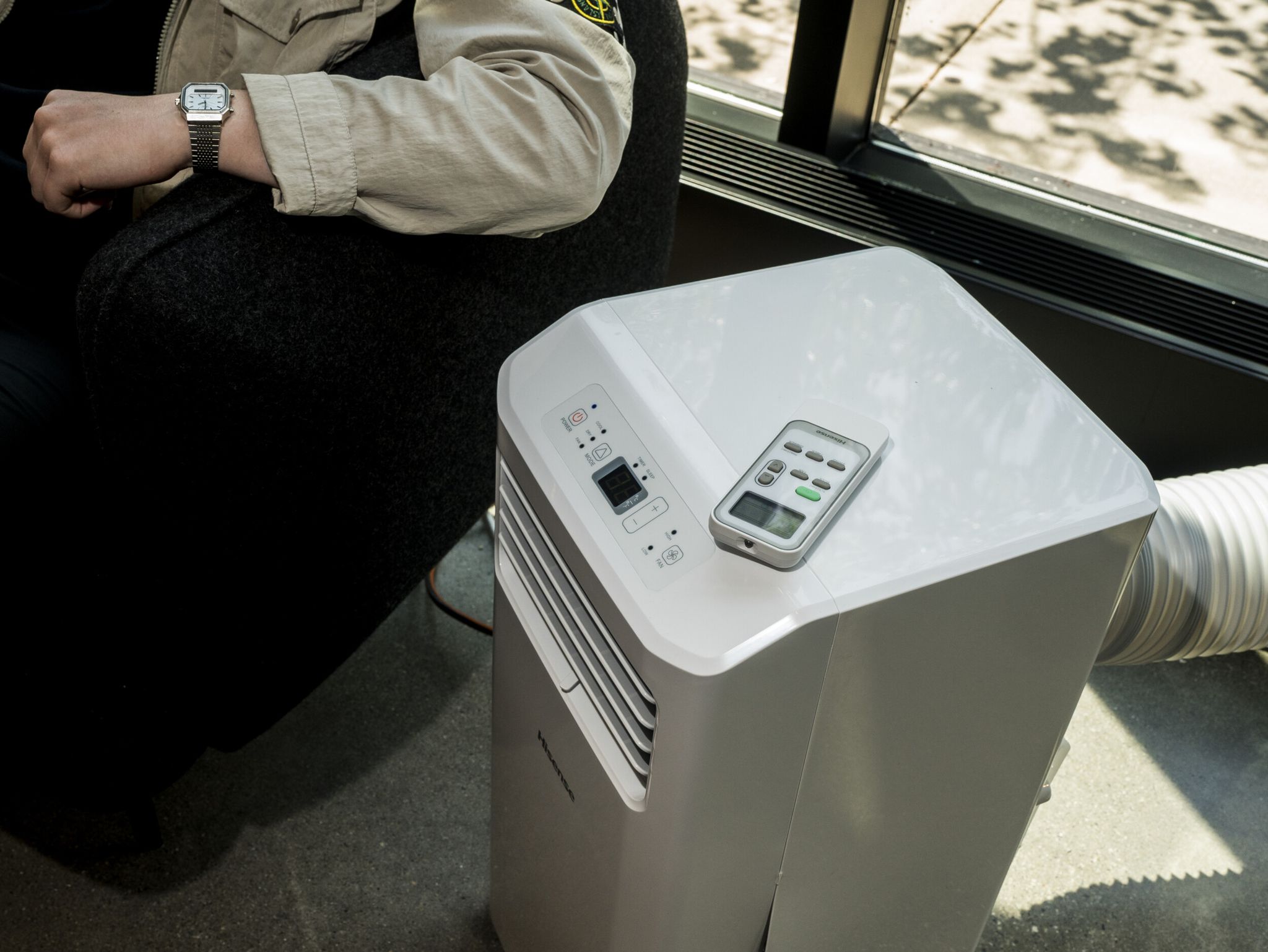
If your portable AC unit is too large for the room it is cooling, it can lead to short cycling. Short cycling is when the AC turns on and off frequently, not allowing the room to reach the desired temperature. This happens because cold air from the oversized unit bounces off the walls and returns to the AC, causing the unit to think the room is cooler than it actually is. To resolve this problem, you may need to consider getting a properly sized AC unit for your room.

Credit: www.amazon.com Figure 1: Diagram of a portable AC compressor short‑cycling.
Proper sizing starts with a room‑by‑room load calculation (often expressed in BTU per hour). Many homeowners skip this step and rely on the unit’s advertised coverage, which can be optimistic. Using a sizing guide or consulting an HVAC pro helps avoid the short‑cycling trap. The Energy Star program offers a useful room‑by‑room load calculation worksheet.
3. Thermostat Problem
A faulty thermostat can also be the culprit behind your AC compressor turning on and off. If the thermostat is set too low, the AC will turn on and then off again because it can't reach the desired temperature. Simply raising the thermostat setting can fix this problem.
Credit: www.popularmechanics.com Figure 2: Thermostat display showing low set‑point.
Thermostats can drift out of calibration over time, especially older mechanical models. A quick check is to compare the displayed temperature with a reliable room thermometer; a discrepancy of more than a degree or two warrants recalibration or replacement. For optimal comfort and savings, review the latest energy‑efficient thermostat settings.
4. Bad Air Filters
Clogged air filters can cause a wide range of AC problems, including frequent cycling. When the air filter is dirty, airflow is restricted, leading to an imbalance in the system. This imbalance can cause the AC compressor to turn on and off frequently. So, make sure to check and replace your air filters regularly to ensure proper airflow and prevent short cycling.
Most manufacturers recommend checking the filter every 30 days during heavy use and replacing it at least every 90 days. A clean filter not only prevents short cycling but also improves indoor air quality and reduces energy consumption. See the checking the filter every 30 days schedule for a quick reference.
5. Electrical Problems
If there are electrical issues in the AC system, such as a malfunctioning run capacitor or faulty wiring, it can cause the compressor to turn on and off unexpectedly. To fix this problem, it is recommended to consult a professional technician who can diagnose and repair any electrical problems in your AC unit.
A failing run capacitor often shows a bulging top or a burnt smell. While a multimeter can confirm capacitance loss, handling capacitors carries a shock risk, so most owners prefer a licensed technician for this repair. The licensed technician for this repair can also verify wiring integrity.
https://www.youtube.com/watch?v=PHZD3sIgSww
6. Poor Ventilation
Inadequate ventilation or a high ambient temperature can also lead to your compressor turning off frequently. Lack of proper airflow can cause the compressor to overheat, triggering it to shut off as a safety measure. It's important to ensure that your AC unit is placed in a well-ventilated area and that there is no obstruction to the airflow.
Maintain at least 12‑18 inches of clearance around the exhaust hose and keep the intake grille free of curtains or furniture. In tight spaces, a small booster fan can improve airflow without compromising the unit’s portability. The U.S. Department of Energy provides clear ventilation clearance guidelines for portable units.
7. Frozen Evaporator Coils
If the evaporator coils in your AC unit are frozen, it can cause the compressor to turn on and off frequently. Frozen coils restrict airflow and prevent the AC from effectively cooling the room. To solve this problem, you can try turning off the AC and allowing the coils to defrost. If the issue persists, it's best to consult a professional technician for further assistance.
To safely defrost, turn the unit off and set the fan to “on” so warm room air circulates over the coils. Avoid using sharp objects to chip ice; the delicate fins bend easily and can cause permanent damage. A technician familiar with warm room air circulates can also inspect for underlying airflow issues.
Diagnosing Short Cycling Step‑by‑Step
- Observe the cycle timing – Note how long the compressor runs before shutting off.
- Check the filter – Remove and inspect; replace if visibly dirty.
- Verify thermostat setting – Ensure it’s not set unrealistically low.
- Inspect refrigerant lines – Look for frost or oil residue indicating a leak.
- Measure voltage at the compressor – Use a multimeter (or have a pro do it) to confirm stable supply.
- Assess room size vs. unit capacity – Compare the unit’s BTU rating to a load calculation.
- Document findings – Write down each observation; it speeds up any professional visit.
Preventive Maintenance Checklist
- Clean or replace the air filter every 30‑90 days.
- Keep exhaust hose and intake grille unobstructed.
- Verify thermostat calibration twice a year.
- Schedule a professional refrigerant pressure check annually.
- Inspect electrical connections for corrosion or loose terminals.
- Defrost evaporator coils promptly if ice appears.
- Record service dates and any error codes for future reference.
When to Call a Professional
- Refrigerant pressures are outside manufacturer specs.
- Run capacitor shows physical damage or fails a capacitance test.
- Compressor trips the breaker repeatedly.
- Ice forms on coils despite clean filters and good airflow.
- You lack the tools or training to safely test high‑voltage components.
A qualified HVAC technician can perform a full system diagnostic, recharge refrigerant, replace faulty electrical parts, and confirm proper sizing for your space.
Frequently Asked Questions On Portable Ac Compressor Turns On And Off: Avoid Short Cycling With Proper Sizing
Why Does My Ac Compressor Keep Kicking On And Off?
A low refrigerant level can make the AC compressor malfunction due to low pressure. The compressor turns off, then back on when the pressure rises, causing wear and tear and potential system breakdown. It's advisable to address this issue promptly to prevent further damage.
How Do I Stop My Portable Air Conditioner From Short Cycling?
To prevent short cycling in your portable air conditioner: 1. Check and clean the air filter. 2. Verify the thermostat placement. 3. Ensure proper refrigerant levels. 4. Replace the low-pressure control switch if needed. 5. Inspect the compressor for issues.
Why Does My Ac Compressor Turn On Then Back Off?
Your AC compressor could be turning on and off due to a malfunction caused by low refrigerant level, leading to pressure variations. This constant cycling could accelerate wear and tear on your AC unit. Consider checking for thermostat issues and adjust the settings accordingly.
Why Does My Portable Air Compressor Keep Shutting Off?
Your portable air compressor may shut off due to high ambient temperature, poor ventilation, low oil levels, or using the wrong oil type. These issues can cause the system to malfunction. It's essential to address these problems promptly to prevent further damage and ensure optimal performance.
Conclusion
In conclusion, if your portable AC compressor is turning on and off frequently, it indicates an underlying problem in the system. It could be due to low refrigerant levels, an oversized unit, thermostat issues, clogged air filters, electrical problems, poor ventilation, or frozen evaporator coils. By understanding the potential causes, you can take the necessary steps to resolve the issue and ensure the proper functioning of your portable AC.
Remember, if you're unsure about any DIY repairs or if the problem persists, it's always recommended to seek professional assistance from an HVAC technician who can diagnose and fix the issue for you.
Schedule a professional tune‑up before the next heat wave to keep your portable AC running smoothly.

