
Panasonic mini split air conditioners deliver powerful, efficient cooling with whisper-quiet operation and smart features. Ideal for homes without ductwork, these systems offer zoned comfort and lower energy bills. With easy installation and reliable performance, they’re a top choice for modern cooling solutions.
Key Takeaways
- Energy Efficiency: Panasonic mini splits use inverter technology to adjust compressor speed, reducing energy use by up to 40% compared to traditional units.
- No Ductwork Needed: These systems are perfect for new builds, remodels, or rooms without existing ducts—installation is simpler and less invasive.
- Quiet Operation: With noise levels as low as 19 dB, indoor units operate almost silently, making them ideal for bedrooms and living areas.
- Smart Controls: Many models include Wi-Fi connectivity, allowing you to control temperature and settings from your smartphone via the Panasonic Comfort Cloud app.
- Long Lifespan: Built with high-quality components, Panasonic mini splits typically last 15–20 years with proper maintenance.
- Zoned Cooling: You can cool only the rooms you use, saving energy and improving comfort by customizing temperatures per space.
- Eco-Friendly Refrigerants: Panasonic uses R-32 refrigerant, which has lower global warming potential than older models, supporting environmental sustainability.
Quick Answers to Common Questions
How loud are Panasonic mini split air conditioners?
Panasonic mini splits operate at just 19 decibels indoors—about as quiet as a whisper. Even the outdoor unit runs quietly, making them ideal for bedrooms and offices.
Can I install a Panasonic mini split myself?
While possible, we recommend hiring a licensed HVAC technician. They ensure proper refrigerant charging, sealing, and safety compliance, which DIYers may miss.
Do Panasonic mini splits work in heating mode?
Yes! Most models include heat pump technology, allowing them to provide both cooling and heating, even in cold climates.
Are Panasonic mini splits expensive to run?
No—thanks to inverter technology, they use up to 40% less energy than traditional units, leading to lower monthly bills.
How many rooms can one outdoor unit cool?
It depends on the model, but Panasonic multi-zone systems can connect up to 8 indoor units to one outdoor compressor, cooling multiple rooms independently.
📑 Table of Contents
- The Ultimate Guide to Panasonic Mini Split Air Conditioners
- How Panasonic Mini Split Air Conditioners Work
- Why Choose Panasonic Mini Split Air Conditioners?
- Smart Features and Connectivity
- Choosing the Right Panasonic Mini Split for Your Space
- Installation Tips and Best Practices
- Maintenance and Longevity
- Real-World Benefits: Why Homeowners Love Panasonic Mini Splits
- Environmental Impact and Sustainability
- Final Thoughts: Is a Panasonic Mini Split Right for You?
The Ultimate Guide to Panasonic Mini Split Air Conditioners
If you’re tired of stuffy rooms, sky-high electricity bills, or noisy air conditioners that never seem to keep up, it’s time to consider a game-changing solution: Panasonic mini split air conditioners. These sleek, efficient systems are redefining how we cool our homes—quietly, smartly, and without the hassle of ductwork. Whether you’re building a new home, upgrading an old unit, or just want better climate control in one specific room, Panasonic’s mini splits might be exactly what you need.
In this guide, we’ll walk through everything you need to know about Panasonic mini split air conditioners—from how they work and why they’re so efficient, to installation tips, smart features, and real-world benefits. By the end, you’ll understand why thousands of homeowners and professionals trust Panasonic for reliable, modern cooling.
How Panasonic Mini Split Air Conditioners Work
At their core, Panasonic mini split air conditioners are self-contained HVAC systems. Unlike central air, which forces air through ducts, mini splits have two main parts: an outdoor compressor/condenser and one or more indoor air-handling units. The two are connected by a small conduit that carries refrigerant, power cables, and drainage—no bulky ductwork required.
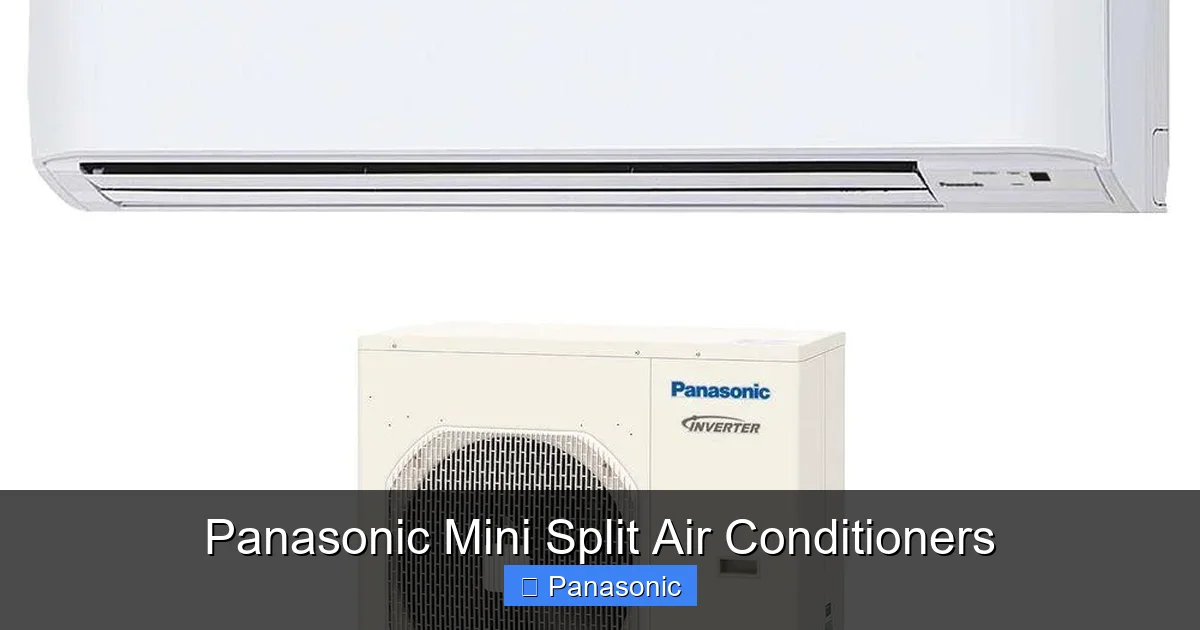
Visual guide about Panasonic Mini Split Air Conditioners
Image source: images.homedepot-static.com
The Four Main Components
Understanding the parts helps explain how these systems deliver such precise, efficient cooling:
- Outdoor Unit: Contains the compressor, condenser coil, and fan. It removes heat from your home and releases it outside.
- Indoor Unit(s): Wall-mounted or floor-standing units blow cool (or warm) air into the room. They also filter the air and circulate it evenly.
- Refrigerant Lines: Carry the cooling agent between indoor and outdoor units, absorbing and releasing heat.
- Control System: Includes a remote or app-based thermostat to set your desired temperature and schedule.
This design allows each indoor unit to cool only the room it serves—a feature known as zoned cooling. For example, you can keep your bedroom at 68°F while leaving the unused guest room off. This not only saves energy but also gives you personalized comfort.
Why Choose Panasonic Mini Split Air Conditioners?
With so many brands on the market, why Panasonic? The answer lies in innovation, reliability, and a focus on user experience. Panasonic has been a leader in electronics and HVAC technology for decades, and their mini split systems reflect that expertise.
Superior Energy Efficiency
One of the biggest advantages of Panasonic mini split air conditioners is their inverter technology. Instead of turning the compressor on and off like older models (which wastes energy and causes temperature swings), inverter-driven systems adjust the compressor speed to match your cooling needs. This means steady, consistent temperatures and up to 40% less energy consumption.
For example, if your home is already cool, the system won’t blast cold air—it will just maintain the temperature efficiently. Over time, this adds up to noticeable savings on your utility bill. Plus, many Panasonic models carry ENERGY STAR certification, confirming their efficiency standards.
Whisper-Quiet Performance
Nobody wants a loud AC running all day. Panasonic mini splits are designed for peace and quiet. Indoor units operate at just 19 decibels—about as loud as a gentle breeze or soft whisper. That’s significantly quieter than traditional window units or central AC fans, making them ideal for bedrooms, nurseries, or home offices.
Even the outdoor unit runs quietly, thanks to optimized fan designs and vibration-reducing mounts. So whether you’re sleeping, working, or watching TV, you’ll barely notice the system is there.
Easy Installation
Because mini splits don’t require ductwork, installation is much faster and less disruptive than central AC retrofits. A typical single-zone Panasonic mini split can be installed in one day, with minimal wall drilling and no need for extensive remodeling.
Here’s a quick look at the installation process:
- A small hole is drilled through the exterior wall to run the refrigerant line and wiring.
- The indoor unit is mounted securely on the wall or floor.
- The outdoor unit is placed near the wall, connected via the conduit.
- The system is charged with refrigerant and tested for leaks.
Many homeowners choose to hire a licensed HVAC technician, but DIY enthusiasts with basic tools can handle it—especially for smaller units.
Smart Features and Connectivity
Modern Panasonic mini split air conditioners go beyond basic cooling. Many models come with advanced smart controls, allowing you to manage your system from anywhere using your smartphone or voice assistant.
Panasonic Comfort Cloud App
The free Comfort Cloud app lets you:
- Set and adjust temperatures remotely
- Create schedules for automatic on/off times
- Monitor energy usage to track savings
- Receive maintenance alerts (like when it’s time to clean filters)
- Share access with family members or a technician
Imagine coming home to a perfectly cooled house after a hot day—without lifting a finger. Or turning off the AC in an empty room before you leave work. These conveniences make life easier and energy use smarter.
Voice Control Compatibility
Panasonic mini splits work with popular smart home platforms like Google Assistant and Amazon Alexa. Just say, “Hey Google, set the bedroom AC to 72 degrees,” and your system responds instantly. This integration makes it simple to build a fully automated, energy-efficient home.
Choosing the Right Panasonic Mini Split for Your Space
Not all mini splits are created equal. Panasonic offers a range of models with different capacities, features, and price points. Choosing the right one depends on several factors: room size, ceiling height, insulation quality, and how often the space is used.
Understanding BTU Ratings
BTU (British Thermal Units) measures how much heat a unit can remove per hour. Selecting the correct BTU rating is crucial—too little, and your room stays warm; too much, and the system cycles on and off too frequently, wasting energy.
A general rule of thumb:
- Up to 14,000 BTUs: Rooms under 500 sq ft
- 18,000 BTUs: 500–700 sq ft
- 24,000 BTUs: 700–1,000 sq ft
- 36,000 BTUs: Larger spaces over 1,000 sq ft
For example, if you’re cooling a sunlit living room with large windows, you may need a higher BTU model than a small, shaded bedroom. Panasonic provides detailed sizing guides and worksheets to help you pick the best fit.
Single-Zone vs. Multi-Zone Systems
Panasonic mini splits come in two main types:
- Single-Zone: One indoor unit paired with one outdoor unit. Best for small homes or individual rooms.
- Multi-Zone: One outdoor unit connects to multiple indoor units (up to 8 in some models). Ideal for larger homes where different zones need independent control.
For instance, a multi-zone system lets you cool your master bedroom and living room simultaneously, each with its own thermostat and airflow. This flexibility is a major advantage over central AC, which treats the whole house as one zone.
Additional Features to Consider
When shopping, look for these value-add features:
- Self-Cleaning Function: Removes mold and bacteria from the indoor unit, improving air quality.
- Sleep Mode: Gradually raises the temperature at night for comfort and energy savings.
- Tropical Dry Mode: Reduces humidity without overcooling—great for humid climates.
- Auto Restart: Automatically turns the system back on after a power outage.
Installation Tips and Best Practices
While Panasonic mini split air conditioners are relatively easy to install, doing it right ensures long-term performance and safety. Here are some expert tips:
1. Hire a Professional (Recommended)
Even though the process isn’t overly complex, refrigerant handling requires certification. Licensed technicians ensure the system is properly charged, sealed, and tested. This prevents leaks, inefficiencies, and voided warranties.
2. Choose the Right Location
Place the outdoor unit in a well-ventilated area, away from direct sunlight and debris. Keep it at least 18 inches from walls and obstructions to allow airflow.
3. Insulate the Conduit
Use foam insulation around the refrigerant line between indoor and outdoor units. This prevents condensation and improves efficiency.
4. Level the Indoor Unit
A slight tilt toward the drain port helps prevent water buildup and ensures smooth drainage. Use a spirit level to check alignment.
5. Clean Filters Regularly
Most Panasonic mini splits have washable or replaceable filters. Clean or replace them every 1–2 months, especially during peak cooling season.
Maintenance and Longevity
Like any appliance, regular maintenance keeps your Panasonic mini split running smoothly. The good news? It’s simple and doesn’t take much time.
Monthly Tasks
- Vacuum or wipe the indoor unit grille
- Check and clean the air filter
- Inspect the outdoor unit for leaves or dirt
Annual Maintenance
- Schedule a professional tune-up (includes cleaning coils, checking refrigerant levels, and tightening connections)
- Test the remote and app controls
- Verify drain line functionality
With proper care, a Panasonic mini split can last 15–20 years. That’s longer than most appliances and well worth the initial investment.
Real-World Benefits: Why Homeowners Love Panasonic Mini Splits
Don’t just take our word for it. Homeowners across the country praise Panasonic mini split air conditioners for their performance, quiet operation, and smart features. Here are some common reasons people switch:
- Lower Bills: One family in Arizona reported cutting their cooling costs by 35% after installing a Panasonic mini split in their 600-square-foot sunroom.
- Better Sleep: A mother in Michigan said her baby finally sleeps through the night because the unit runs so quietly and maintains a steady temperature.
- Flexibility: A couple in Florida uses a multi-zone system to cool their vacation home remotely, ensuring comfort before they arrive.
- Easy Upgrades: A retiree in Ohio replaced a noisy window unit with a Panasonic mini split—now she can enjoy her patio without worrying about AC noise.
These stories show how Panasonic mini splits aren’t just about cooling—they’re about improving daily life.
Environmental Impact and Sustainability
Today’s consumers care about eco-friendliness, and Panasonic delivers. Their mini split air conditioners use R-32 refrigerant, which has a much lower global warming potential (GWP) than older refrigerants like R-410A. In fact, R-32 is 75% less harmful to the atmosphere.
Combined with energy-efficient inverter technology, this means Panasonic mini splits reduce both carbon emissions and energy waste. Plus, their long lifespan and recyclable materials support a circular economy.
By choosing a Panasonic mini split, you’re not just cooling your home—you’re making a responsible choice for the planet.
Final Thoughts: Is a Panasonic Mini Split Right for You?
If you’ve been considering upgrading your cooling system, the answer is likely yes. Panasonic mini split air conditioners offer a perfect blend of efficiency, comfort, convenience, and reliability. Whether you live in a small apartment, a sprawling house, or a rental property, there’s a model built for your needs.
From whisper-quiet operation to smart app controls and zoned comfort, these systems represent the future of home HVAC. And with no ductwork needed, installation is faster and cleaner than ever.
Ready to take the plunge? Start by measuring your space, checking BTU requirements, and consulting a local HVAC pro. With Panasonic, you’re investing in years of comfort, savings, and peace of mind.
Frequently Asked Questions
===
What is the difference between a mini split and central air?
Mini splits don’t use ductwork and allow zoned cooling, while central air forces air through ducts to cool the entire home. Mini splits are more flexible and efficient for individual rooms.
How do I choose the right BTU for my room?
Multiply your room length by width to get square footage. Add 4,000 BTUs for every skylight or large window. Panasonic provides online calculators to help determine the right size.
Can I use a Panasonic mini split with solar panels?
Yes! Because they’re highly efficient, mini splits pair well with solar energy systems, further reducing electricity costs and environmental impact.
Do I need a permit to install a mini split?
Permit requirements vary by city, but most jurisdictions require one for HVAC installations. A licensed contractor can handle the paperwork for you.
How often should I clean the filter?
Clean or replace the filter every 1–2 months during heavy use. Clogged filters reduce airflow and efficiency, so regular maintenance is key.
Are Panasonic mini splits eligible for rebates?
Yes! Many utility companies offer rebates for ENERGY STAR-certified mini splits. Check with your local provider for current incentives.
