
The Panasonic inverter air conditioner flashing timer light signals potential issues requiring attention. This indicator warns of filter problems, refrigerant levels, or system malfunctions that could reduce efficiency. Ignoring it may lead to higher energy bills or complete breakdowns—understanding these alerts helps maintain peak performance.
Key Takeaways
Timer Light Meaning: A blinking timer light on your Panasonic inverter AC typically indicates an operational status change or fault condition requiring investigation.
Common Causes: Issues like dirty filters, low refrigerant, sensor errors, or power fluctuations often trigger the flashing alert.
Troubleshooting Steps: Start with simple fixes—clean filters, reset the unit, check remote control batteries—before considering professional help.
Prevention Tips: Regular maintenance including quarterly filter cleaning and annual servicing can prevent most timer light warnings.
When to Call Technician: Persistent flashing after basic troubleshooting suggests underlying mechanical or electrical faults needing expert diagnosis.
Model Variations: Different Panasonic models display timer lights differently; consult your manual for model-specific guidance.
Energy Impact: Addressing timer light alerts promptly maintains inverter efficiency and prevents unnecessary energy consumption.
Quick Answers to Common Questions
What does a flashing timer light mean on my Panasonic inverter AC?
It indicates the unit is displaying an operational status or warning message that requires attention. The specific meaning depends on the blinking pattern and your model number. For further reading, see epa.gov.
Can I ignore the flashing timer light if it goes away after resetting?
If the light stops after a simple power cycle and normal operation resumes, no further action is usually needed. However, monitor the unit for recurring issues.
How often should I clean my AC filters to prevent timer light alerts?
Clean or replace filters every 1-3 months depending on usage. Homes with pets or allergies may need monthly maintenance for optimal performance. For further reading, see panasonic.com.
Does timer light flashing always mean my AC needs repair?
Not necessarily. Many common causes like dirty filters, power fluctuations, or remote control issues can be resolved without professional help.
Where can I find model-specific timer light codes?
Consult your owner's manual or visit Panasonic's official website using your exact model number to access accurate troubleshooting guides.
📑 Table of Contents
- Understanding Your Panasonic Inverter Air Conditioner Flashing Timer Light
- Why Does the Timer Light Flash on My Panasonic Inverter AC?
- Step-by-Step Troubleshooting Guide
- Preventive Maintenance Strategies
- When to Contact Professional Help
- Model-Specific Considerations
- Common Error Code Reference Table
- Smart Features and Remote Monitoring
- Energy Efficiency and Inverter Technology
- Conclusion: Empowering Yourself Through Knowledge
- Frequently Asked Questions
Understanding Your Panasonic Inverter Air Conditioner Flashing Timer Light
Have you ever noticed the small LED light on your Panasonic inverter air conditioner blinking in a rhythmic pattern? That's not just random behavior—it's actually your AC trying to tell you something important. The flashing timer light is one of the most critical indicators of your system's health, serving as an early warning system for potential issues before they escalate into major problems.
Modern Panasonic inverter air conditioners are engineered with sophisticated diagnostic capabilities that go beyond simple on/off functions. These intelligent systems use visual cues like blinking lights to communicate real-time information about your unit's performance status. When you see that timer light blinking, it's essentially saying "I'm working, but I need your attention." Understanding what this signal means and how to respond appropriately can save you money, extend your appliance's lifespan, and ensure consistent comfort in your home.
What makes Panasonic inverter ACs particularly noteworthy is their energy-efficient design combined with advanced monitoring features. Unlike older window units that simply run at full capacity regardless of actual cooling needs, modern inverter models adjust compressor speed based on room temperature demands. This intelligent operation is precisely why these units include detailed status indicators like the flashing timer light—to keep both users and technicians informed about the system's operational state. In practice, the variable-speed compressor is what separates inverter systems from conventional fixed-speed units, and that same technology enables more granular diagnostic feedback through the indicator lights. If you're comparing system types, understanding how inverter-driven HVAC differs from standard air conditioning clarifies why the timer light behaves the way it does.
Why Does the Timer Light Flash on My Panasonic Inverter AC?
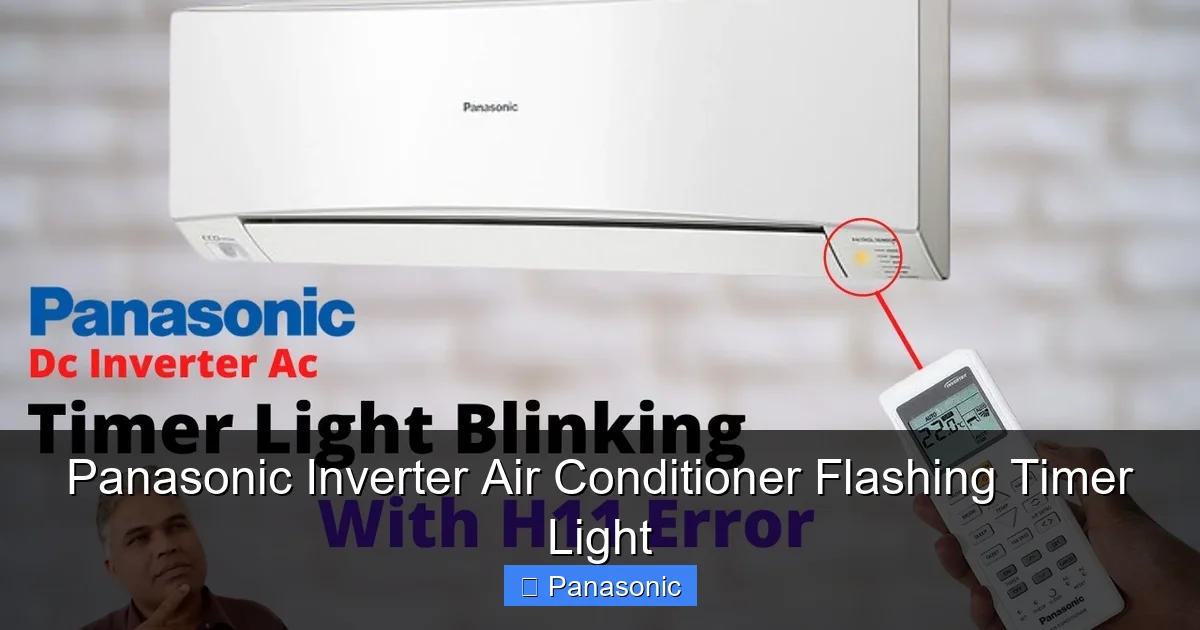 Timer light location on a typical Panasonic indoor unit — the small LED near the display panel
The Purpose Behind Status Indicators
Every electronic device uses some form of communication to convey its status to users. In the case of your Panasonic inverter air conditioner, the flashing timer light serves multiple purposes. Primarily, it acts as a visual notification system that tells you whether the unit is operating normally, entering standby mode, or experiencing an issue that requires attention.
Think of the timer light as your AC's way of speaking to you without words. Different patterns, colors, and frequencies of blinking all carry specific meanings that help you understand exactly what's happening with your unit. For instance, a steady light might indicate normal operation, while a rapid blinking pattern could suggest an urgent problem. This visual language is especially valuable because it works even if you're not actively using the remote control or looking at the digital display.
Common Reasons for Timer Light Flashing
Several factors can cause your Panasonic inverter AC's timer light to start flashing. The most frequent culprits include:
- Filter Maintenance Required: When air filters become clogged with dust and debris, airflow restriction forces the system to work harder, triggering protective shutdowns indicated by the flashing light.
- Temperature Sensor Malfunction: The internal sensors that monitor room temperature occasionally develop inaccuracies, causing the AC to cycle incorrectly and display status alerts.
- Refrigerant Level Issues: Low refrigerant due to leaks or improper installation can make the compressor struggle to cool effectively, prompting warning indicators. A common mistake is assuming refrigerant just "gets used up" — it circulates in a closed loop, so low levels almost always mean a leak that needs professional repair.
- Power Supply Problems: Unstable voltage or brief power interruptions during startup sequences often result in the timer light flashing as the system attempts to stabilize.
- Compressor Protection Mode: Overheating or excessive load conditions activate safety mechanisms that temporarily shut down components, with the timer light indicating this protection state.
Each of these scenarios has distinct characteristics that help identify the root cause. For example, if the light starts flashing immediately after turning on the unit, it's more likely related to power issues rather than gradual wear from filter buildup.
How to Read the Blinking Pattern
One of the most useful skills for Panasonic inverter AC owners is learning to interpret the specific blinking patterns. While exact codes vary slightly between models, many follow recognizable sequences:
- Single Long Flash Followed by Short Flashes: Often indicates a minor operational status change rather than a serious fault
- Rapid Continuous Blinking: Typically signals an immediate action needed, such as filter replacement
- Alternating Fast/Slow Patterns: May relate to sensor calibration issues or communication errors between components
To properly decode these signals, consult your owner's manual which provides detailed explanations for your specific model number. Some newer Panasonic units also display error codes on the main LCD screen simultaneously with the timer light pattern, making diagnosis much easier.
Step-by-Step Troubleshooting Guide
Initial Assessment and Safety First
Before attempting any troubleshooting steps, ensure you're working safely around electrical appliances. Always turn off the power at the circuit breaker before performing physical inspections or maintenance tasks. Never attempt repairs involving refrigerant lines unless you're a certified HVAC technician—this requires specialized training and equipment to handle properly.
Start by observing exactly when the timer light begins flashing. Note whether it happens immediately after power-on, during operation, or only when switching modes (cool/heat/fan). Also pay attention to any accompanying sounds like unusual humming, clicking, or error beeps from the indoor unit.
Basic Diagnostic Checks
Begin with these fundamental verification steps:
- Check Remote Control Functionality: Ensure your remote has fresh batteries and isn't stuck in any special mode that might affect operation
- Verify Power Supply: Confirm stable voltage at the outlet using a multimeter if possible
- Inspect Air Filters: Remove and examine both indoor and outdoor filters for visible dirt buildup
- Clear Obstructions: Make sure vents aren't blocked by furniture, curtains, or other objects restricting airflow
These initial checks address the majority of timer light issues caused by user-related factors rather than mechanical failures.
Advanced Troubleshooting Techniques
If basic checks don't resolve the issue, proceed with more detailed diagnostics:
- Reset Procedure: Most Panasonic models benefit from a complete power cycle—turn off the unit at the wall outlet, wait 5 minutes, then restore power
- Mode Testing: Try switching between cooling, heating, and fan-only modes to see if the flashing persists across all operations
- Temperature Setting Verification: Ensure thermostat settings aren't conflicting with actual room temperatures, which could confuse the control system
For persistent issues after these steps, document the exact blinking pattern and timing for reference when contacting support. If the unit blows warm air instead of cooling, that symptom often pairs with specific timer-light codes — see our guide on troubleshooting an AC blowing warm air for the combined diagnosis.
Preventive Maintenance Strategies
Regular Filter Care Schedule
Perhaps the most effective way to prevent timer light warnings is through consistent filter maintenance. Panasonic recommends cleaning or replacing filters every 1-3 months depending on usage frequency and environmental conditions. Homes with pets, smokers, or high pollen counts require more frequent attention.
Clean reusable filters by gently washing them with mild soap and water, allowing complete drying before reinstallation. Disposable filters should be replaced according to manufacturer specifications—usually indicated by color changes or physical degradation. For a deeper dive into seasonal upkeep that prevents these alerts, review our seasonal air conditioning maintenance tips.
Professional Servicing Guidelines
While DIY maintenance handles most common issues, annual professional servicing provides deeper inspection of components that aren't accessible to homeowners. Certified technicians can detect subtle signs of wear, test refrigerant levels accurately, and calibrate sensitive sensors that affect timer light behavior.
Schedule service during seasonal transitions (spring and fall) when your AC isn't under heavy demand. This timing allows technicians to focus on preventive measures without rushing through appointments.
Environmental Optimization
External factors significantly influence your AC's operational status. Keep outdoor units clear of vegetation, debris, and direct sunlight exposure. Maintain proper clearance around indoor vents and ensure windows/doors close tightly to prevent air leakage that strains the cooling system.
Consider installing a programmable thermostat to maintain consistent temperatures, reducing the frequency of mode changes that sometimes trigger status alerts.
When to Contact Professional Help
Red Flags Requiring Immediate Attention
Certain timer light behaviors absolutely require professional intervention:
- Consistent flashing that continues after thorough troubleshooting
- Accompanying unusual odors (burning smells indicate electrical issues)
- Visible damage to internal components or external wiring
- Water leakage around indoor unit suggesting drainage problems
These situations often involve complex mechanical or electrical faults beyond safe DIY resolution.
Selecting Quality Service Providers
When seeking professional assistance, prioritize licensed HVAC contractors with specific experience in Panasonic equipment. Ask about their certification credentials, warranty coverage on services performed, and availability for emergency calls if needed.
Request detailed explanations of any recommended repairs before authorizing work—this transparency ensures you understand both the problem and proposed solutions. If the outdoor unit shows signs of condenser trouble, our AC condenser troubleshooting guide outlines what a tech should check.
Warranty Considerations
Most Panasonic inverter AC warranties require professional servicing for claims to remain valid. Attempting unauthorized repairs might void coverage, leaving you responsible for expensive replacements. Always verify warranty terms before undertaking any maintenance beyond routine filter care.
Model-Specific Considerations
Understanding Your Model Number
Different Panasonic inverter AC series exhibit variations in timer light behavior and diagnostic codes. Locate your specific model number (usually found on a label inside the indoor unit or on the product packaging) to access accurate troubleshooting guides tailored to your equipment.
Popular series like CS/CU-XE12WKU and CU/XE9WKU have distinct indicator patterns that differ from earlier models such as CS/CU-EV18AKR. Cross-referencing your model with official documentation prevents misdiagnosis based on generic advice. When shopping for a replacement or additional unit, our guide on how to choose the right air conditioner for your home covers capacity and feature matching.
Software Updates and Features
Some newer Panasonic models receive firmware updates that modify indicator behaviors or add new diagnostic features. Check Panasonic's website regularly for available updates that might improve your unit's responsiveness to status alerts.
Additionally, explore smart home integration options if your model supports them—these allow remote monitoring of timer light status and automatic notifications when maintenance is required.
Regional Differences in Operation
Climate and humidity levels affect how frequently your AC operates and thus how often timer lights flash. In humid environments, condensation management systems may trigger additional status indicators unrelated to core cooling functionality.
Adjust expectations accordingly while maintaining consistent maintenance routines regardless of location-specific challenges.
Common Error Code Reference Table
The table below summarizes the most frequent Panasonic inverter timer-light patterns and their typical meanings across recent residential series (CS/CU-XE, CS/CU-Z, CS/CU-RE). Always confirm with your model's manual — codes can shift between generations.
| Blink Pattern | Common Meaning | Typical Action |
|---|---|---|
| 1 long, 2 short | Indoor/outdoor communication error | Power-cycle; check wiring harness |
| 2 long, 1 short | Indoor pipe-temperature sensor fault | Inspect sensor resistance; replace if open/short |
| 3 short, rapid | Outdoor high-pressure protection | Clean condenser coil; verify fan operation |
| 4 short, pause | Compressor discharge-temperature trip | Check refrigerant charge; inspect EEV |
| 5 short, pause | Outdoor fan-motor lock | Clear obstruction; test motor winding |
| Continuous fast | Filter-clog warning (user-serviceable) | Clean or replace filters; reset timer |
| Alternating slow/fast | EEPROM / PCB checksum error | Requires board replacement by tech |
Note: "Long" ≈ 2 s on / 1 s off; "Short" ≈ 0.5 s on / 0.5 s off. Patterns repeat every 8–10 s.
Smart Features and Remote Monitoring
Panasonic's current lineup (2024–2026) includes models compatible with the Comfort Cloud app and voice assistants (Google Assistant, Alexa). When linked, the app pushes real-time notifications the moment the timer light begins flashing, often including the exact error code and a suggested first step — e.g., "H11 – Indoor fan motor fault: power off and restart." This remote visibility is especially valuable for rental properties or second homes where you can't physically check the unit daily. Firmware updates delivered over Wi-Fi have also refined blink-pattern logic on some 2025+ models, so keeping the app current ensures the diagnostic guide on your phone matches the unit's actual behavior. For a broader look at where connected HVAC is heading, see our coverage of latest innovation in air conditioning.
Energy Efficiency and Inverter Technology
Addressing timer-light alerts promptly isn't just about comfort — it directly affects operating cost. Inverter compressors modulate speed to match load, but a dirty filter or low refrigerant forces the compressor to run at higher RPM longer, erasing the efficiency advantage. The U.S. DOE estimates that a 15 % airflow restriction can raise cooling electricity use by 5–10 % in variable-speed systems. Resolving the root cause (filter, charge, sensor) restores the inverter's ability to idle at low speed, which is where the SEER2 rating is actually earned. For practical temperature-setpoint strategies that maximize this benefit, refer to our piece on best air conditioning settings for energy efficiency.
Conclusion: Empowering Yourself Through Knowledge
The flashing timer light on your Panasonic inverter air conditioner isn't meant to frustrate you—it's designed to protect your investment and ensure reliable performance. By understanding what these visual signals mean and responding appropriately, you transform potentially confusing alerts into opportunities for proactive care.
Remember that most timer light issues stem from straightforward causes like dirty filters or temporary power glitches rather than catastrophic failures. Armed with the right knowledge and regular maintenance habits, you can keep your Panasonic inverter running efficiently for years while avoiding unnecessary stress and expenses.
When in doubt, always err on the side of caution by consulting professional technicians—but don't hesitate to investigate minor issues yourself first. This balanced approach maximizes both your peace of mind and your appliance's longevity. Bookmark this guide and set a calendar reminder for quarterly filter checks — your future self will thank you.
Frequently Asked Questions
Is it dangerous if my Panasonic inverter AC timer light keeps flashing?
Persistent flashing usually indicates an operational issue rather than immediate danger. However, it signals that your unit isn't functioning optimally and should be addressed promptly.
Why did my timer light start flashing suddenly without warning?
Sudden changes often result from power interruptions, remote control mode switches, or environmental factors affecting sensor readings rather than mechanical failures.
Can dirty air filters really cause the timer light to flash?
Yes, severely clogged filters restrict airflow, forcing the compressor to work harder and triggering protective shutdowns indicated by the flashing light.
How long should I wait after resetting my AC before checking the timer light?
Allow at least 10-15 minutes after power restoration for the system to fully initialize before observing the timer light status.
Do all Panasonic inverter models use the same timer light patterns?
No, different series have unique blinking codes. Always refer to your specific model's documentation for accurate interpretation.
Will addressing the timer light issue improve my AC's energy efficiency?
Absolutely. Resolving underlying causes like restricted airflow or sensor errors restores optimal operation and reduces unnecessary energy consumption.
Can a power surge cause the timer light to flash even if the AC seems to work fine?
Yes, brief voltage spikes can trigger the compressor protection logic, causing a temporary flash code that clears after a full power cycle. If it recurs, have an electrician check your supply.
Where can I download the service manual for my exact model if I lost the paper copy?
Panasonic's official support portal (https://www.panasonic.com/global/support.html) hosts PDF manuals searchable by model number — use the indoor unit label (CS-…), not the outdoor model.
