
Panasonic air conditioners multi split offer a smart, energy-efficient cooling solution for homes and offices. With quiet operation, precise temperature control, and flexible indoor unit placement, they’re perfect for modern living. Whether you’re upgrading an existing system or building new, Panasonic’s innovative inverter technology ensures long-term savings and reliable performance.
Key Takeaways
- Energy Efficiency: Panasonic multi-split ACs use advanced inverter technology to adjust compressor speed based on demand, reducing electricity bills by up to 60%.
- Flexible Installation: Install multiple indoor units (up to 5) from one outdoor unit, ideal for homes with uneven heat distribution or mixed room sizes.
- Quiet Operation: Enjoy peace with noise levels as low as 19 dB, making it perfect for bedrooms and study rooms.
- Smart Controls: Use smartphone apps or voice assistants to monitor, schedule, and adjust settings remotely for ultimate convenience.
- Eco-Friendly Design: Many models use R32 refrigerant, which has lower global warming potential than older alternatives.
- Durable & Reliable: Panasonic’s reputation for quality engineering means longer lifespan and fewer repairs.
- Cost-Effective: Avoid ductwork and high installation fees compared to central AC systems.
Quick Answers to Common Questions
Can I install multiple indoor units with one outdoor unit?
Yes! Panasonic multi-split systems allow up to five indoor units per outdoor unit, letting you customize cooling for each room independently.
Are Panasonic multi-split ACs energy efficient?
Absolutely. Thanks to inverter technology, they use up to 60% less electricity than traditional units by avoiding constant cycling on/off.
Do I need special tools to install a Panasonic multi-split?
No DIY tools required. Professional installation is recommended due to refrigerant handling and precise piping requirements.
Can I control my AC from my phone?
Yes. Use the Panasonic Comfort Cloud app to monitor, schedule, and adjust settings remotely for all connected units.
Is R32 refrigerant safe?
Yes. R32 is flammable but used in safe concentrations within sealed systems. Panasonic follows strict safety protocols during installation and service.
📑 Table of Contents
- Introduction: Why Panasonic Air Conditioners Multi Split Are Changing the Game
- Understanding Multi-Split Air Conditioning Systems
- Why Choose Panasonic for Your Multi-Split System?
- Choosing the Right Panasonic Multi-Split System for Your Home
- Installation Tips & Best Practices
- Real-World Benefits: What Customers Say
- Comparing Panasonic Multi-Split vs. Other Brands
- Final Thoughts: Is a Panasonic Multi-Split Right for You?
Introduction: Why Panasonic Air Conditioners Multi Split Are Changing the Game
If you’re tired of bulky central air systems that cost a fortune to install and run, it’s time to consider Panasonic air conditioners multi split. These sleek, efficient units let you cool (or heat) multiple rooms independently—without the hassle of ductwork or high energy bills. Whether you’re outfitting a cozy apartment, a spacious home, or a small office, Panasonic’s multi-split systems deliver powerful performance with minimal fuss.
What makes Panasonic stand out? It’s not just their cutting-edge inverter technology—though that’s impressive enough. It’s also their commitment to quiet operation, smart features, and eco-conscious design. From whisper-quiet compressors to app-controlled zones, these systems adapt to your lifestyle. In this guide, we’ll walk you through everything you need to know about Panasonic air conditioners multi split, so you can make an informed choice for your space.
Understanding Multi-Split Air Conditioning Systems
A multi-split air conditioning system connects multiple indoor units to a single outdoor unit. This setup allows different rooms to maintain their own desired temperatures independently. Unlike traditional central AC, which pushes cooled air through ducts—often losing efficiency along the way—multi-split systems use refrigerant lines to directly cool each room. That means no energy wasted in ductwork, fewer temperature fluctuations, and better overall control.
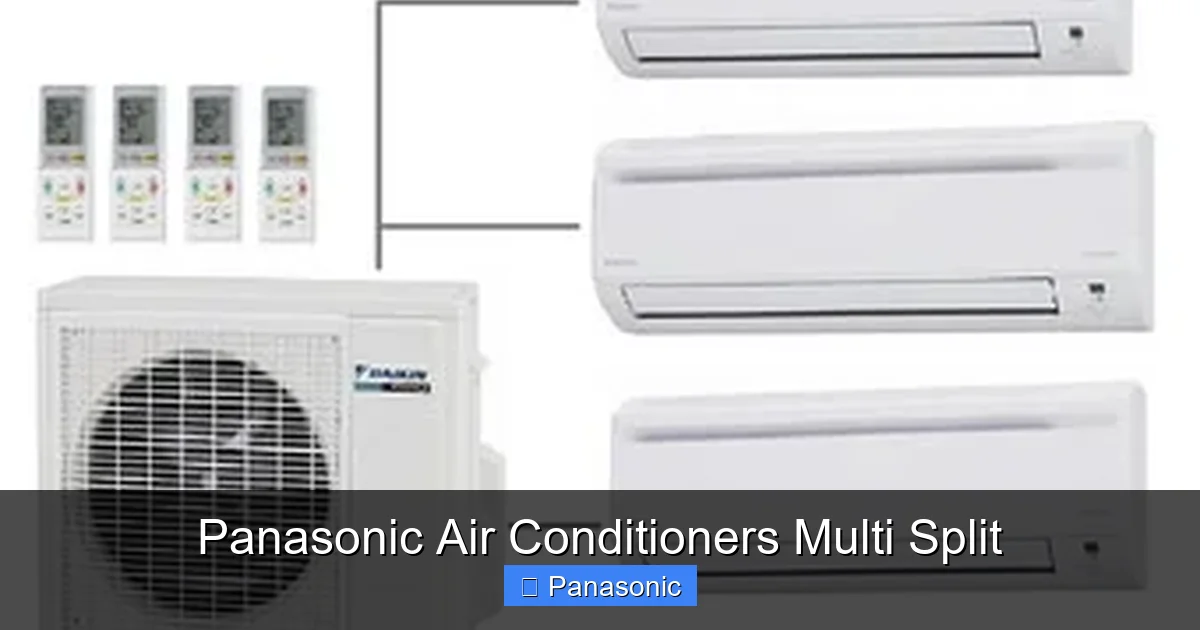
Visual guide about Panasonic Air Conditioners Multi Split
Image source: abc-air.com.au
How Do They Work?
At the heart of every Panasonic multi-split system is a variable-speed inverter compressor. Instead of turning the AC on and off like a standard unit (which wastes energy), the inverter adjusts the compressor’s speed based on real-time room needs. If one room is at 72°F and another is still warm, the system focuses cooling where it’s needed most—without overworking.
The outdoor unit houses the compressor and condenser. Indoor units—like wall-mounted, ceiling cassette, or floor-standing models—are connected via refrigerant pipes and electrical wiring. Most Panasonic systems support up to five indoor units per outdoor unit, giving you great flexibility.
Common Applications
- Residential Homes: Perfect for open-plan living areas where one big window faces east and the bedroom stays chilly all night.
- Small Offices: Keep meeting rooms and workstations comfortable without running separate units.
- Retail Spaces: Zone-based cooling reduces energy use during off-hours.
- Renovations: No need to tear down walls—install indoors without major construction.
Why Choose Panasonic for Your Multi-Split System?
With so many brands offering multi-split systems, why go with Panasonic? Let’s break down the key advantages.
Inverter Technology: The Secret to Efficiency
Panasonic pioneered inverter technology decades ago, and it remains unmatched in precision and reliability. Traditional ACs cycle on/off constantly, causing temperature swings and spikes in power usage. Panasonic’s inverter-driven compressors run smoothly, adjusting output in real time. This results in more consistent temperatures, less wear and tear, and significant energy savings—up to 60% compared to non-inverter models.
Ultra-Quiet Performance
Imagine running your AC all night without disturbing sleep. With noise levels as low as 19 decibels—quieter than a whisper—Panasonic’s multi-split indoor units are ideal for bedrooms, nurseries, and study rooms. Even the outdoor unit operates quietly, so your neighbors won’t complain.
Advanced Filtration & Air Purification
Pollutants, allergens, and odors don’t stand a chance against Panasonic’s Nanoe™ X technology. This built-in ionizer releases hydroxyl radicals that neutralize bacteria, mold spores, and VOCs (volatile organic compounds). Combined with anti-allergen filters and dehumidification modes, your indoor air stays fresh and healthy year-round.
Smart Connectivity & App Control
Control your entire system from your smartphone using the Panasonic Comfort Cloud app. Schedule cooling before you get home, check filter status, switch between modes, or even set vacation schedules. Some models also integrate with Amazon Alexa or Google Assistant for hands-free operation. Want to cool the living room while the kitchen stays warm? Done. Just assign zones and manage them individually.
Eco-Conscious Refrigerants
Many Panasonic multi-split models use R32 refrigerant, which has a much lower global warming potential than older R410A or R22 refrigerants. Lower environmental impact? Yes. Better cooling performance? Also yes. Plus, Panasonic designs systems for easy recovery and recycling of refrigerants at end-of-life.
Choosing the Right Panasonic Multi-Split System for Your Home
Not all multi-split systems are created equal. To pick the best Panasonic model, consider these factors:
Room Size & BTU Capacity
Each indoor unit has a specific cooling capacity measured in British Thermal Units (BTUs). A typical 120 sq ft bedroom might need 9,000–12,000 BTUs, while a large living area could require 18,000+ BTUs. Panasonic offers a wide range—from compact 6,000 BTU units for small spaces to powerful 24,000 BTU models for open layouts.
Pro Tip: Oversizing an AC wastes energy and shortens its lifespan. Under-sizing leads to poor cooling. Panasonic’s online load calculators or a professional assessment can help you match capacity perfectly.
Number of Zones & Indoor Units
Most residential Panasonic systems support 2 to 5 indoor units per outdoor unit. For example:
- Two-bedroom apartment: One wall-mounted unit in the living room + one in the master bedroom.
- Three-story townhouse: One cassette in the living room, one wall unit in the kitchen, and one floor unit in the upstairs hallway.
Make sure your chosen model supports the number of zones you need.
Indoor Unit Types
- Wall-Mounted: Most common, easy to install, great for general-purpose rooms.
- Cassette: Recessed into the ceiling; ideal for high ceilings or commercial spaces.
- Floor-Standing: Self-contained units for basements or rooms with limited wall space.
- Console: Combines heating, cooling, and fan functions in one stylish unit.
Energy Star Ratings & Certifications
Look for ENERGY STAR certified Panasonic models. These meet strict U.S. Department of Energy standards for efficiency. You’ll see labels indicating SEER (Seasonal Energy Efficiency Ratio) ratings—higher numbers mean better performance. For example, a SEER 22 model uses far less electricity than a SEER 14 unit.
Installation Tips & Best Practices
While DIY enthusiasts might attempt basic setups, Panasonic recommends hiring certified technicians for multi-split installations. Here’s why:
- Refrigerant handling requires special training and certification.
- Improper piping or electrical connections can void warranties.
- Professional installers ensure optimal airflow, drainage, and refrigerant charge.
What to Expect During Installation
- Mount indoor units in strategic locations (avoid direct sunlight or heat sources).
- Run refrigerant lines between indoor and outdoor units (typically concealed in walls or ceilings).
- Connect electrical controls and drain lines.
- Evacuate air from refrigerant lines to prevent contamination.
- Test all zones for proper operation.
Total time usually takes 1–2 days for a standard 3-zone setup. Costs vary by region but generally range from $1,500 to $4,000 including materials and labor—much cheaper than full ducted systems.
Maintenance Made Easy
Keep your Panasonic multi-split running smoothly with simple care:
- Monthly: Clean or replace air filters (washable filters only need rinsing).
- Quarterly: Vacuum grilles and remove dust buildup.
- Annually: Schedule professional servicing to check refrigerant levels, clean coils, and inspect wiring.
Neglecting maintenance reduces efficiency and shortens lifespan—but Panasonic’s modular design makes cleaning accessible and straightforward.
Real-World Benefits: What Customers Say
Homeowners across the country rave about their Panasonic multi-split experiences. Sarah T., a mom of two from Austin, Texas, says: “We installed two wall units and one cassette in our open-concept house. Now the kids’ playroom stays cool even when the living room feels warm. And the energy bill dropped by almost half!”
Small business owner James L. added, “As a lawyer with clients coming in and out, I needed flexible climate control. Panasonic lets me cool only the conference room when it’s booked. Genius.”
Even environmental advocates appreciate the eco-benefits. “Switching from a noisy window unit to a Panasonic multi-split cut our carbon footprint significantly,” said eco-consultant Priya M.
Comparing Panasonic Multi-Split vs. Other Brands
While Daikin, Mitsubishi, and LG also offer excellent multi-split systems, Panasonic stands out in several ways:
| Feature | Panasonic | Daikin | Mitsubishi | LG |
|---|---|---|---|---|
| Inverter Efficiency | ★★★★★ (Best-in-class) | ★★★★☆ | ★★★★★ | ★★★★☆ |
| Noise Level (dB) | 19–22 (indoor) | 23–26 | 20–24 | 22–25 |
| Air Purification | Nanoe™ X included | Optional | Limited | PuriCare™ available |
| App Integration | Comfort Cloud (robust) | MyDaikin | Mr. Slim App | Smart ThinQ |
| Eco Refrigerant | R32 standard | R32 optional | R32 standard | R32 available |
Note: Ratings based on 2023–2024 models. Always verify specs with local dealers.
Final Thoughts: Is a Panasonic Multi-Split Right for You?
Panasonic air conditioners multi split aren’t just about cooling—they’re about comfort, control, and conscience. Whether you prioritize silent nights, smart automation, or reducing your environmental impact, these systems deliver. With flexible zoning, top-tier efficiency, and trusted reliability, they’re a smart investment for any modern space.
If you’re ready to upgrade from outdated window units or replace an inefficient central system, now’s the time. Consult a Panasonic-certified installer, compare models, and take advantage of seasonal rebates. Your wallet—and your comfort—will thank you.
Frequently Asked Questions
How many rooms can a single Panasonic outdoor unit serve?
A typical residential Panasonic multi-split system supports 2 to 5 indoor units per outdoor unit, depending on the model. Commercial versions may support more.
What’s the difference between inverter and non-inverter ACs?
Inverter ACs adjust compressor speed continuously, maintaining steady temps and saving energy. Non-inverter units turn fully on/off, causing temperature swings and higher power use.
Do Panasonic multi-splits work in cold climates?
Yes. Many models include heating modes down to -15°C (5°F). Check the specific model’s heating capacity for your region.
How often should I service my multi-split system?
Annual professional maintenance is ideal. Monthly filter cleaning keeps performance high and extends unit life.
Are Panasonic multi-split units expensive to buy?
Initial costs are higher than window units but lower than ducted systems. Long-term energy savings and durability make them cost-effective over time.
Can I mix old and new indoor units?
Not recommended. Mixing units can cause compatibility issues. Always use Panasonic-certified components for optimal performance and warranty coverage.
