
Your Panasonic air conditioner has suddenly stopped working, leaving you hot and frustrated. This could be due to power issues, thermostat settings, or internal faults. Most problems are fixable with simple checks like resetting the unit, cleaning filters, or verifying circuit breakers. By following this guide, you’ll diagnose the issue quickly and safely, saving time and money before considering professional help.
Key Takeaways
- Power Supply Issues: Check if the unit is receiving electricity by testing outlets, circuit breakers, and power cords.
- Thermostat & Remote Settings: Ensure the AC is set to “cool,” not “fan” or “auto,” and that the remote isn’t malfunctioning.
- Dirty Filters & Vents: Clogged air filters block airflow and trigger safety shutoffs—clean or replace them regularly.
- Refrigerant Leaks: Low refrigerant levels cause poor cooling and compressor damage—look for ice buildup or hissing sounds.
- Internal Component Failure: Faulty capacitors, compressors, or control boards may require professional diagnosis and repair.
- Environmental Factors: Extreme heat, blocked outdoor units, or incorrect installation can overload the system.
- Warranty & Service Options: If under warranty, contact Panasonic support—do not attempt unauthorized repairs.
Quick Answers to Common Questions
Why did my Panasonic AC suddenly stop working?
It could be due to a tripped circuit breaker, dirty air filter, incorrect thermostat setting, or internal component failure. Start with basic checks like power and filters.
Can a dirty filter cause my AC to stop working?
Yes. A clogged filter restricts airflow, causing the compressor to overheat and shut down as a safety measure. Cleaning or replacing the filter often resolves the issue.
What should I do if the AC won’t turn on at all?
First, check the circuit breaker and power cord. Test the outlet with another device. If power is confirmed, reset the unit by unplugging it for 5 minutes.
Is it safe to reset my Panasonic AC myself?
Yes, resetting is safe and recommended. Unplug the unit, wait 5 minutes, then plug it back in. This clears temporary errors in the control system.
How can I tell if the problem is with the remote or the AC?
Try operating the AC using the manual buttons on the unit. If it works, the issue is likely the remote—replace batteries or reprogram it. If not, the problem is in the AC.
📑 Table of Contents
- Panasonic Air Conditioner Suddenly Stopped Working: What You Need to Know
- Common Causes of Sudden AC Shutdowns
- Step-by-Step Troubleshooting Guide
- When to Call a Professional Technician
- Preventive Maintenance Tips
- Understanding Panasonic Error Codes
- Energy Efficiency and Sudden Failures
- Conclusion: Stay Cool with Confidence
Panasonic Air Conditioner Suddenly Stopped Working: What You Need to Know
If your Panasonic air conditioner suddenly stopped working, it’s more than just an inconvenience—it’s a signal that something in the system needs attention. Whether you’re in the middle of a heatwave or trying to sleep on a warm night, a non-functional AC unit can throw your entire routine off balance. Panasonic is known for reliable performance, so when your model unexpectedly powers down, it’s natural to feel puzzled and concerned. But don’t panic. Most sudden shutdowns have straightforward explanations and solutions.
This comprehensive guide walks you through every possible reason why your Panasonic air conditioner might have stopped working, from simple fixes like checking the remote to deeper mechanical issues requiring professional help. We’ll explain how to troubleshoot safely, what signs point to serious problems, and when it’s time to call in the experts. With clear steps and practical tips, you’ll be able to restore comfort to your home without unnecessary stress or expense.
Common Causes of Sudden AC Shutdowns
When your Panasonic air conditioner suddenly stops working, the first step is to identify whether the issue is electrical, mechanical, or environmental. Many homeowners assume it’s a broken part, but often, the problem lies in something simple like a tripped breaker or dirty filter. Let’s explore the most frequent reasons behind unexpected AC failures.
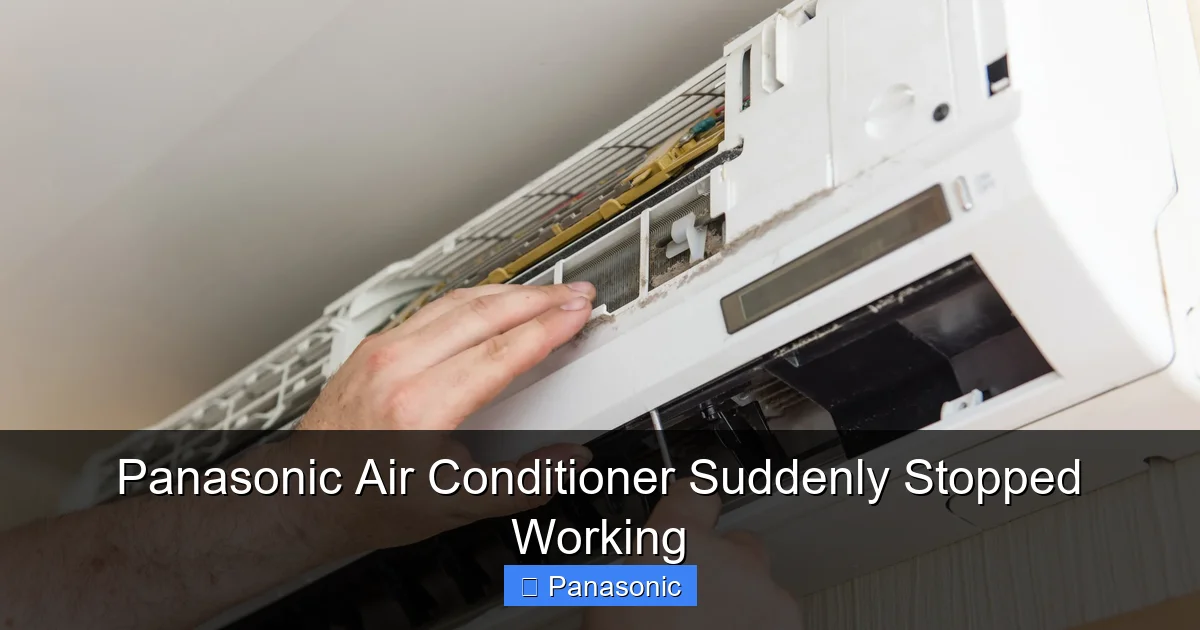
Visual guide about Panasonic Air Conditioner Suddenly Stopped Working
Image source: tastefulspace.com
1. Power Supply Problems
The most basic yet critical check is whether your AC is receiving power. A sudden loss of power could stem from several sources:
- Circuit Breaker Tripped: Air conditioners draw significant electricity. If the breaker trips due to overheating or a short circuit, the unit won’t turn on. Locate your electrical panel and check if the breaker labeled “AC” or “HVAC” is in the off (tripped) position. Flip it back to “on.”
- Blown Fuse: In older homes or window units, a blown fuse can cut power. Replace it if needed.
- Loose or Damaged Power Cord: Inspect the cord for fraying, cuts, or loose connections. If damaged, do not use the unit until repaired.
- Outlets Not Working: Plug another device into the same outlet. If it doesn’t work, the issue may be with the outlet or wiring.
For example, imagine you press the power button, but nothing happens—not even the indicator light. Before assuming a major failure, verify power at the source. A simple reset of the breaker often resolves the issue.
2. Thermostat and Remote Control Glitches
Sometimes, the AC appears off because the settings are misconfigured. Panasonic units come with advanced thermostats and remotes, which can occasionally behave unexpectedly.
- Incorrect Mode Setting: Make sure the mode is set to “Cool” and not “Fan” or “Dry.” A common mistake is leaving the AC in fan-only mode, which circulates air but doesn’t cool.
- Temperature Threshold: If the room temperature is already below the set point, the compressor won’t activate. Adjust the thermostat 2–3 degrees lower to test.
- Remote Battery Failure: Weak batteries prevent the remote from sending signals. Replace them and try using the manual buttons on the unit.
- Thermostat Calibration: Over time, thermostats can drift. Reset it or recalibrate according to the user manual.
Pro tip: Some Panasonic models have a “Hold” or “Sleep” function that temporarily pauses cooling. Check if this feature is active.
3. Dirty Air Filters and Blocked Vents
A clogged air filter is one of the most overlooked causes of AC failure. When dust and debris accumulate, airflow reduces dramatically, triggering safety mechanisms that shut down the compressor to prevent overheating.
- Signs of Dirty Filters: Reduced airflow, warm air blowing out, or a musty smell.
- How Often to Clean: Monthly during peak usage. Replace disposable filters every 1–3 months.
- Accessing the Filter: On most Panasonic units, simply open the front grille and slide out the filter. Vacuum or wash it with mild soap and water.
Neglecting filter maintenance not only stops the AC from working but also strains the motor and increases energy bills. Regular cleaning keeps your system running smoothly.
4. Refrigerant Leaks and Low Levels
Refrigerant is essential for cooling. If levels drop due to leaks, the AC won’t cool effectively and may shut off to protect the compressor.
- Symptoms of Low Refrigerant:
- Ice forming on the evaporator coil (visible through vents)
- Weak or no cold air output
- Unusual hissing or bubbling sounds near the indoor unit
- Longer cycling times between runs
- Causes of Leaks: Corroded coils, loose connections, or damage during installation.
- Important Note: Only certified technicians should handle refrigerant refills. DIY attempts can worsen leaks or damage the system.
If you suspect low refrigerant, avoid DIY fixes. Instead, schedule a service call. Panasonic recommends annual maintenance to detect leaks early.
5. Internal Component Failures
Over time, components like the compressor, capacitor, or control board can fail—especially if the unit is old or poorly maintained.
- Compressor Failure: The heart of the AC. If it fails, the system won’t cool at all. Listen for loud humming or complete silence when powered on.
- Faulty Capacitor: A swollen or cracked capacitor prevents the motor from starting. This often happens after power surges.
- Control Board Malfunction: The brain of the system. If lights flash erratically or the display shows error codes, the board may need replacement.
Panasonic includes diagnostic features in many models. Refer to your manual to interpret error codes. For instance, code “E03” might indicate a communication error between indoor and outdoor units.
Step-by-Step Troubleshooting Guide
Now that we’ve covered potential causes, let’s walk through a logical troubleshooting process. Start simple and move to complex only if needed.
Step 1: Verify Power Source
Begin by confirming the AC has power. Check the circuit breaker, test the outlet with another device, and inspect the power cord. If everything seems fine, proceed to the next step.
Step 2: Reset the Unit
Many Panasonic models respond well to a hard reset:
- Turn off the AC at the thermostat or breaker.
- Unplug the unit from the wall for at least 5 minutes.
- Plug it back in and wait 30 seconds.
- Turn the breaker on and restart the AC.
This clears temporary glitches in the control board. It’s especially effective if the unit was recently installed or exposed to a power surge.
Step 3: Inspect Remote and Controls
Replace the remote batteries. Point the remote directly at the receiver (usually a small sensor on the front panel). Try pressing buttons multiple times. If the unit doesn’t respond, test with the manual controls on the unit itself.
Step 4: Clean or Replace Filters
Remove and clean the air filter. While it dries, check vents and return air paths for obstructions—furniture, curtains, or rugs blocking airflow can mimic internal issues.
Step 5: Examine Outdoor Unit
For split systems, the outdoor unit can become blocked by leaves, dirt, or snow. Clear debris around it and ensure vents aren’t clogged. Also, check if the fan spins freely.
Step 6: Listen for Unusual Sounds
Strange noises like grinding, clicking, or buzzing can indicate mechanical problems. Record the sound and compare it to normal operation (quiet hum). Abnormal sounds warrant professional inspection.
When to Call a Professional Technician
While many issues are DIY-friendly, some situations demand expert intervention. Here’s when to stop troubleshooting and call a licensed HVAC technician:
- Error Codes Persist: If the display shows recurring codes after resets, there’s likely a deeper electrical fault.
- Refrigerant Concerns: Never add refrigerant yourself. Certified techs use gauges to measure levels and locate leaks.
- Compressor Won’t Start: This requires voltage testing and component replacement.
- Unit Is Old or Out of Warranty: If your model is over 10 years old, repair costs may exceed replacement value.
- Electrical Smells or Smoke: Turn off the unit immediately and call emergency HVAC services.
Panasonic offers authorized service centers nationwide. Use their online locator to find a qualified technician. Always request a written estimate before approving repairs.
Preventive Maintenance Tips
To avoid future shutdowns, adopt a regular maintenance routine. Preventative care extends lifespan and improves efficiency.
Monthly Tasks
- Vacuum or brush dust from vents and filters.
- Check for visible damage or loose screws.
- Ensure remote batteries are fresh.
Seasonal Tasks
- Schedule professional tune-ups twice a year (before summer and winter).
- Clean the outdoor unit thoroughly.
- Inspect refrigerant lines and electrical connections.
Annual Checklist
- Replace disposable filters.
- Test thermostat accuracy.
- Verify drainage system isn’t clogged (prevents water damage).
Keeping a maintenance log helps track performance and spot trends. Note any changes in noise, cooling speed, or energy use.
Understanding Panasonic Error Codes
Modern Panasonic ACs display alphanumeric codes when issues arise. These are invaluable for diagnosis. Common codes include:
| Code | Meaning | Recommended Action |
|---|---|---|
| E01 | Indoor temperature sensor fault | Check sensor connection; replace if necessary |
| E02 | Outdoor temperature sensor fault | Inspect wiring; call technician |
| E03 | Communication error (indoor/outdoor) | Reset power; check cables |
| E07 | High pressure protection | Clean condenser coils; check refrigerant |
| E10 | Compressor overcurrent | Do not operate; seek professional help |
Always consult your owner’s manual for full code definitions. Never ignore persistent alerts—they protect your system from catastrophic failure.
Energy Efficiency and Sudden Failures
An AC that suddenly stops working often indicates underlying inefficiencies. Running a unit harder than necessary accelerates wear. Here’s how to keep your Panasonic AC efficient:
- Set Temperature Wisely: 78°F (26°C) is ideal. Each degree lower increases energy use by 3–5%.
- Use Programmable Timers: Avoid running the AC continuously. Schedule cooling only when needed.
- Seal Ducts and Windows: Leaks waste up to 30% of cooled air.
- Upgrade Insulation: Poor insulation forces the AC to work overtime.
Efficient operation reduces strain on components, minimizing the chance of sudden breakdowns.
Conclusion: Stay Cool with Confidence
When your Panasonic air conditioner suddenly stopped working, remember: most issues are solvable without expensive repairs. By methodically checking power, filters, settings, and listening for odd sounds, you can often restore functionality quickly. Simple actions like cleaning filters and resetting the unit go a long way. However, if error codes persist, unusual noises continue, or you suspect internal damage, don’t hesitate to contact a certified technician.
Regular maintenance is your best defense against unexpected failures. A well-cared-for AC runs longer, cools better, and saves money. And when in doubt, refer to Panasonic’s support resources or user manual. Your comfort and safety matter—so address issues promptly, but wisely.
Stay cool, stay informed, and trust the process. With these tips, you’re equipped to handle almost any AC hiccup that comes your way.
Frequently Asked Questions
Why does my Panasonic air conditioner suddenly stop working?
Sudden shutdowns are usually caused by power interruptions, dirty filters, thermostat issues, or internal faults. Check the basics first: circuit breaker, filters, and settings.
Can a tripped breaker cause my AC to stop working?
Absolutely. Air conditioners consume high power. If the breaker trips due to overload or short circuit, the AC will lose power. Reset it and monitor usage.
How often should I clean my AC filter?
At least once a month during heavy use. In dusty environments, clean every two weeks. Replace disposable filters every 1–3 months.
What does error code E03 mean on my Panasonic AC?
E03 typically indicates a communication error between indoor and outdoor units. Try resetting the system. If it persists, check wiring and call a technician.
Should I attempt to fix refrigerant issues myself?
No. Refrigerant handling requires certification. Incorrect procedures can harm health and damage the system. Always hire a licensed HVAC professional.
How can I prevent my AC from suddenly stopping again?
Perform monthly maintenance: clean filters, clear vents, check settings, and schedule annual professional servicing to catch issues early.
