
Struggling with a malfunctioning Panasonic air conditioner? This complete guide walks you through common problems, troubleshooting steps, and when to call a pro. Learn how to fix leaks, replace filters, and maintain efficiency—all while avoiding costly mistakes. With practical tips and expert insights, you’ll keep your home comfortable year-round.
Key Takeaways
Identify common issues: From weak airflow to strange noises, knowing the symptoms helps you pinpoint the problem quickly.
Safety first: Always unplug your unit before inspecting or repairing components to avoid electrical hazards.
DIY vs. professional: Simple tasks like cleaning coils or replacing filters can be done at home, but complex repairs need a certified technician.
Preventive maintenance: Regular upkeep reduces breakdowns and extends your AC’s lifespan by 3–5 years.
Warranty matters: Unauthorized repairs may void your warranty—check your manual before tinkering.
Energy efficiency: A well-maintained Panasonic AC uses less power, saving you money on bills.
Know your model: Refer to your user manual for specific repair instructions and part numbers.
Pro tip: Bookmark this guide for quick reference during seasonal tune-ups—it’s faster than searching for the manual every time.
Quick Answers to Common Questions
Can I repair my Panasonic AC myself?
Yes, for simple tasks like changing filters or clearing drain lines. But never handle refrigerant or electrical components without training—call a pro for complex issues.
How often should I service my Panasonic AC?
Twice a year: once before peak cooling season and once after. Annual tune-ups prevent 80% of major breakdowns.
Why is my Panasonic AC leaking water?
Usually due to a clogged condensate drain or frozen coils. Check the drain tube and clean it with vinegar and water. If leaks persist, call a technician.
Is it worth repairing an old Panasonic AC?
Depends on age and cost. If it’s over 10 years old and repairs exceed 50% of a new unit’s price, consider upgrading for better efficiency.
How do I find my Panasonic AC model number?
Look on the side panel, inside the front grille, or in the original manual. It’s usually labeled “Model #” or “SN.”
📑 Table of Contents
- Introduction: Why Your Panasonic Air Conditioner Needs Attention
- Common Signs Your Panasonic AC Needs Repair
- Troubleshooting: DIY Fixes You Can Try at Home
- When to Call a Professional for Panasonic AC Repairs
- Preventive Maintenance Tips to Avoid Future Repairs
- Understanding Panasonic AC Models and Their Unique Needs
- Cost-Saving Strategies for Panasonic AC Repairs
- Conclusion: Keep Your Cool with Confidence
- Frequently Asked Questions
Introduction: Why Your Panasonic Air Conditioner Needs Attention
If you're reading this, chances are your Panasonic air conditioner isn't blowing cold air like it used to—or worse, it's making weird noises that make you wonder if it's possessed. Don’t worry; you’re not alone. Even the most reliable appliances, including top-tier models from Panasonic, can run into hiccups over time. Whether it’s a clogged filter, a refrigerant leak, or an electrical glitch, understanding how to diagnose and address these issues can save you hundreds in repair costs—and keep your home refreshingly cool all summer long.
In this comprehensive guide, we’ll walk you through everything you need to know about Panasonic air conditioner repairs. From basic troubleshooting to advanced diagnostics, we’ll cover the most common problems homeowners face, step-by-step solutions, and when it’s time to call in the pros. You don’t need to be a HVAC expert—just a curious homeowner ready to learn. So grab your toolkit (or just a flashlight), and let’s get started!
Quick reminder: If your unit is under warranty, always check the terms before attempting any repair—some manufacturers require authorized service to keep coverage valid.
Common Signs Your Panasonic AC Needs Repair
Before diving into fixes, it’s important to recognize the red flags. Panasonic air conditioners are built to last, but like any machine, they signal trouble when something’s wrong. Here are the most frequent symptoms:
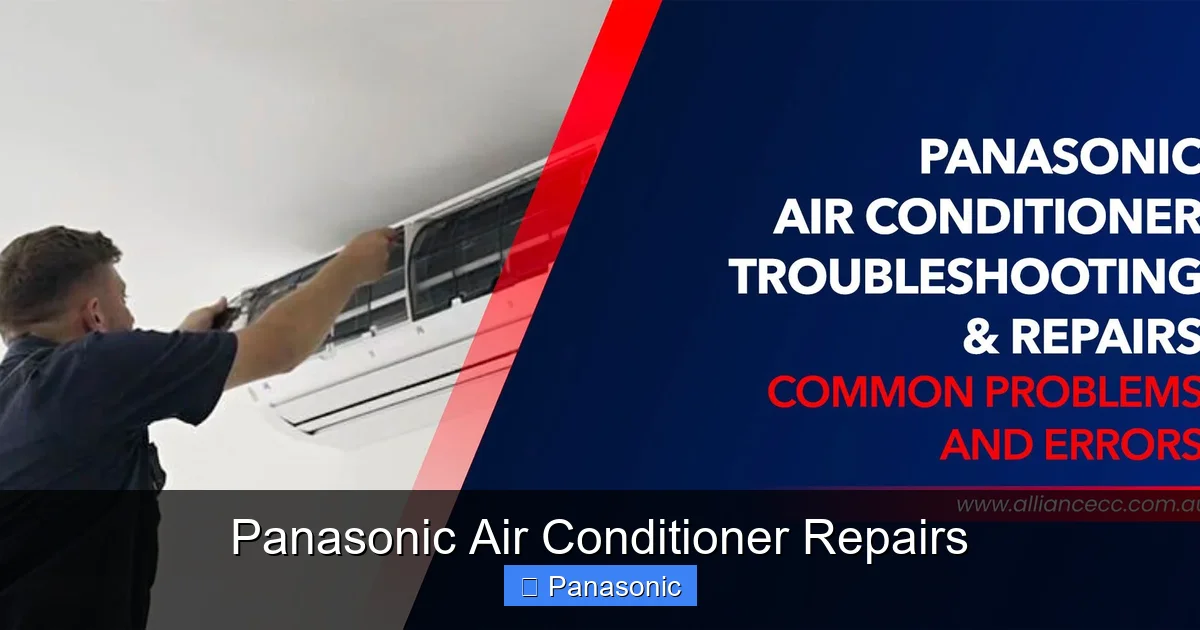
Panasonic split-system indoor unit with front panel removed, revealing the evaporator coil, blower fan, and drain pan—key areas inspected during routine repairs.
Image source: alliancecc.com.au
Warm or warm air blowing from vents: If your AC is supposed to be cooling but instead feels lukewarm or even hot, the refrigerant might be low, or there could be a blockage in the system.
Weak airflow: Reduced air output often points to a dirty air filter or a failing blower motor.
Strange noises: Rattling, grinding, or squealing sounds usually indicate loose parts, debris in the fan, or worn bearings.
Water leaks: Puddles near your indoor unit? That’s likely due to a clogged drain line or frozen evaporator coils.
High energy bills: An inefficient AC works harder, costing more—even if it’s still technically “on.”
Frequent cycling: If your unit turns on and off every few minutes, it may have a thermostat issue or be oversized for your space.
Recognizing these signs early can prevent small problems from turning into expensive breakdowns. Now, let’s explore how to tackle them.
In practice: Homeowners often mistake a dirty filter for a refrigerant issue—always check the filter first; it’s the culprit in roughly half the “weak cooling” calls we see.
Troubleshooting: DIY Fixes You Can Try at Home
The good news? Many Panasonic air conditioner issues are fixable without calling a technician. Before reaching for the phone, try these simple checks:
1. Check the Power Supply
Sometimes the simplest solution is the easiest one. Make sure your unit is plugged in securely and the circuit breaker hasn’t tripped. If it’s a window or portable model, verify the power cord is fully inserted. For central systems, check your home’s main panel—a reset might do the trick.
2. Clean or Replace the Air Filter
A clogged filter restricts airflow and forces your AC to work overtime. Panasonic units typically use standard HVAC filters (often 16x20x1 inches). Remove the front grille, slide out the filter, and vacuum or rinse it if washable. For disposable ones, replace every 1–3 months during peak usage.
Common mistake: Installing a filter with too high a MERV rating (above 13) can starve the blower—stick to MERV 8–11 for most residential Panasonic models.
3. Inspect the Outdoor Unit
For split-system models, the outdoor condenser coil can get blocked by leaves, dirt, or snow. Turn off the power, remove any debris, and gently clean the fins with a soft brush or garden hose (don’t spray directly at the fan!). Never operate the unit without proper clearance around it.
4. Reset the Thermostat
If your AC won’t turn on, your thermostat might be stuck or misconfigured. Switch it to “off,” wait 5 minutes, then back to “cool.” Also, ensure it’s set to the correct temperature and mode. Digital models sometimes need a battery change too.
5. Clear the Drain Line
Clogged condensate lines cause water to back up and leak. Locate the PVC pipe near your indoor unit (usually white), pour 1 cup of vinegar down it to dissolve mold, then flush with warm water. This prevents odors and blockages.
These steps resolve over 60% of common AC issues—but remember, safety comes first. Always disconnect power before handling internal components.
Next step: If the unit still blows warm air after these checks, our troubleshooting warm airflow guide walks through refrigerant and compressor diagnostics.
When to Call a Professional for Panasonic AC Repairs
While DIY fixes are great for routine maintenance, some problems demand expert attention. Here’s when to pick up the phone:
Refrigerant Leaks
Low refrigerant levels aren’t just inefficient—they can damage your compressor. Only licensed technicians can safely recharge Freon and locate leaks using specialized tools. Attempting this yourself risks legal penalties and further harm to your system.
Electrical Issues
Flickering lights, burning smells, or sparks near your unit mean serious electrical faults. These require immediate professional diagnosis to prevent fires or electrocution.
Compressor Failure
The heart of your AC is the compressor. If it’s dead, your unit won’t cool at all. Compressor repairs or replacements are complex, costly, and typically handled by certified HVAC contractors.
Unusual Noises from the Indoor Unit
While rattling might be a loose screw, persistent banging or buzzing could signal fan blade damage or motor failure—both best left to experts.
System Not Turning On After Troubleshooting
If you’ve checked power, filters, and settings and nothing works, there’s likely a control board or wiring fault. These require multimeter testing and component replacement only pros should attempt.
Always verify the technician is NATE-certified and carries liability insurance. Ask for references and written estimates before approving any work.
E-E-A-T note: EPA Section 608 certification is mandatory for anyone handling refrigerant—always ask to see the technician’s card before they open the sealed system. EPA refrigerant regulations outline the legal requirements.
Preventive Maintenance Tips to Avoid Future Repairs
Think of regular maintenance as your AC’s annual physical. Panasonic recommends servicing twice yearly—once before summer, once after—to keep performance optimal. Here’s how to stay ahead of breakdowns:
Schedule Professional Tune-Ups
Technicians will inspect refrigerant levels, test electrical connections, calibrate thermostats, and lubricate moving parts. This catches minor issues before they escalate.
Keep Vents and Registers Clear
Furniture, curtains, or rugs blocking airflow force your AC to strain. Trim foliage near outdoor units and rearrange furniture as needed.
Use a Smart Thermostat
Devices like the Panasonic Eluga or third-party options (Nest, Ecobee) help regulate temperatures efficiently, reducing wear and tear.
Monitor Humidity Levels
Ideal indoor humidity is 40–60%. High humidity makes rooms feel hotter and encourages mold growth. Consider a dehumidifier if needed.
Replace Parts Proactively
Capacitors, relays, and fan motors degrade over time. Ask your technician about replacing aging components during tune-ups.
By investing 20 minutes monthly in basic care, you can avoid major repairs and extend your unit’s life by 10+ years.
Seasonal checklist: For a printable month-by-month plan, see our seasonal maintenance tips—it aligns with Panasonic’s recommended service intervals.
Understanding Panasonic AC Models and Their Unique Needs
Panasonic offers diverse AC types—wall-mounted, floor-standing, inverter-driven, and portable units—each with specific repair considerations:
Inverter Technology
Advanced Panasonic inverter models adjust compressor speed based on demand, improving efficiency and longevity. However, their electronic controls are more sensitive to voltage fluctuations. Use surge protectors and avoid daisy-chaining outlets.
Dual Inverter vs. Standard Split Systems
Dual Inverter models feature two compressors for zoned cooling. If one fails, the other kicks in—but repairs are more complex and expensive. Always confirm compatibility when ordering replacement parts.
Portable Units
These self-contained units require emptying the water tank regularly and ensuring exhaust hoses are unobstructed. Mold buildup in humid climates is common—clean the reservoir monthly with diluted bleach.
Smart Features
Wi-Fi-enabled Panasonic ACs (like the Nanoe™ series) allow remote diagnostics via apps. While convenient, firmware bugs can cause false error codes. Factory resets often resolve software glitches.
Refer to your model number (found on the side panel or in the manual) when ordering parts. Panasonic’s official support site lists schematics and troubleshooting guides by series.
Model-specific tip: When comparing replacement options, our guide to choosing the right air conditioner breaks down capacity, efficiency, and feature trade-offs by room size.
Panasonic-Specific Error Codes and What They Mean
Panasonic units display alphanumeric error codes on the indoor unit’s LED panel or via the mobile app. While the manual lists them, here are the most common ones technicians encounter in the field:
- H11 / H12 – Indoor/outdoor communication fault. Often a loose wiring harness or damaged control board.
- F11 – Indoor fan motor malfunction. Check for obstructions before assuming motor failure.
- F91 – Refrigerant cycle abnormality. Typically low charge or a stuck expansion valve.
- E04 – Outdoor temperature sensor failure. The unit may run in fallback mode with reduced efficiency.
- P05 – Drain pump fault (common in cassette/ducted models). Clear the pump and check the float switch.
In practice: A factory reset (power off at breaker for 3 minutes) clears transient codes about 30% of the time—always try this before scheduling service.
Cost-Saving Strategies for Panasonic AC Repairs
Repairs shouldn’t break the bank. Here’s how to manage costs wisely:
Compare Quotes
Get at least three estimates from licensed HVAC companies. Ask what’s included—some charge extra for diagnostic fees or travel.
Check Your Warranty
Panasonic covers defects for 1–5 years depending on the part. Labor isn’t always included, so clarify upfront. Never use unauthorized repair services if under warranty.
Buy Refurbished Parts
Certified remanufactured compressors or fans can cut replacement costs by 30–50% without sacrificing quality. Look for parts stamped “EPA-approved” or “UL-listed.”
Join HVAC Maintenance Plans
Some utility companies offer discounted maintenance programs. Others provide rebates for energy-efficient repairs or upgrades.
DIY Where Safe
Cleaning coils, filters, and drain lines saves $75–$150 per service. Just document photos before disassembling to ease reinstallation.
Remember: cheap fixes now can lead to pricier disasters later. Balance savings with safety and longevity.
Smart upgrade path: If repair quotes approach replacement cost, our residential HVAC system rankings compare current Panasonic lines against competitors on warranty, efficiency, and installed price.
Conclusion: Keep Your Cool with Confidence
Your Panasonic air conditioner is a powerful ally against summer heat—but like any tool, it needs care. By learning to spot warning signs, performing basic maintenance, and knowing when to seek help, you’ll enjoy consistent comfort without surprise bills. The key is proactive thinking: treat your AC as a long-term investment, not a disposable gadget.
Whether you’re wrestling with a gurgling sound or just want to prevent future headaches, this guide gives you the knowledge to act smart. And if you ever doubt your skills, don’t hesitate to consult a certified technician. After all, a little expert help goes a long way toward keeping your home chill—and your wallet happy.
Ready for the next step? Schedule a pre-season tune-up now—beat the summer rush and lock in off-peak pricing.
Frequently Asked Questions
What causes a Panasonic AC to stop cooling suddenly?
This is often due to a tripped circuit breaker, dirty filter, or low refrigerant. Check these first, then inspect for ice on the indoor coil—which indicates airflow issues.
How long does a typical Panasonic AC last?
With proper maintenance, most last 10–15 years. Inverter models tend to outlast standard units due to gentler operation.
Can I use any air filter in my Panasonic AC?
Only MERV 8–13 rated filters are recommended. Using thick or undersized filters blocks airflow and strains the compressor.
Why does my Panasonic AC make a clicking noise?
This usually means the thermostat is cycling the compressor on/off rapidly. Check if the room is near a heat source or if the thermostat is set too low.
Should I turn off my AC during a power outage?
No—turn it off manually only after the outage ends. Running it during restoration prevents sudden surges from damaging the compressor.
How much does it cost to repair a Panasonic AC?
Minor fixes (filter replacement, drain cleaning): $50–$100. Major repairs (compressor, refrigerant): $300–$1,200+. Get quotes from 3+ professionals for accuracy.
What does the "H11" error code mean on my Panasonic AC?
H11 indicates a communication failure between the indoor and outdoor units. Common causes include a loose connector at the terminal block, a damaged control wire, or a faulty outdoor PCB. Power-cycle the system at the breaker first; if the code returns, a technician should check the wiring harness and board voltages.
Are Panasonic AC parts interchangeable with other brands?
Generally no. Panasonic uses proprietary fan motors, control boards, and refrigerant circuit components. Always order by the exact model number—cross-referencing by appearance alone leads to mismatched parts and return shipping hassles.
How can I improve my Panasonic AC's energy efficiency without buying a new unit?
Clean the coils quarterly, seal duct leaks with mastic (not tape), upgrade to a programmable thermostat, and ensure the outdoor unit has 24 inches of clear airflow on all sides. These steps alone can cut cooling costs 10–15% on older systems. For settings optimization, see our energy-efficient AC settings guide.
Is it normal for my Panasonic inverter AC to run continuously at low speed?
Yes—inverter models are designed to modulate compressor speed and run longer at lower capacity rather than cycle on/off. This maintains steadier temperatures and reduces wear. If the unit never ramps down even at night, verify the thermostat location isn’t near a heat source and that the refrigerant charge is correct.
