New Air Conditioner Essentials: Cool Tips for Smart Buyers
New Air Conditioner
Are you thinking about getting a new air conditioner? This guide will help you. Air conditioners keep our homes cool and comfortable. Let's learn everything about them.
Why Buy a New Air Conditioner?
A new air conditioner can do wonders for your home. Here are some reasons why you might need one:
Your old air conditioner is not working well.
You want to save on energy bills.
Your home needs better cooling.
You want a quieter unit.
You need a more eco-friendly option.
Types of Air Conditioners
There are different types of air conditioners. Each type has its own benefits. Let's look at some common types:
Window Air Conditioners
Window air conditioners are easy to install. They fit in most windows. They are great for cooling small rooms.
Portable Air Conditioners
Portable air conditioners can be moved from room to room. They need a window to vent out hot air. They are good for cooling specific areas.
Split Air Conditioners
Split air conditioners have two parts: an indoor unit and an outdoor unit. They are quiet and efficient. They work well for cooling larger areas.
Central Air Conditioners
Central air conditioners cool the whole house. They use ducts to distribute air. They are very effective but cost more to install.
High‑efficiency platinum air conditioner unit on display
How to Choose the Right Air Conditioner
Choosing the right air conditioner is important. Here are some tips to help you make the best choice:
Consider The Size Of Your Room
The size of your room matters. A small air conditioner might not cool a large room. A big air conditioner might waste energy in a small room.
Check The Energy Efficiency
Look for an air conditioner with a good energy efficiency rating. This will save you money on your energy bills.
Think About The Noise Level
Some air conditioners are very noisy. If you want a quiet home, choose a quieter model.
Look At The Features
Air conditioners come with different features. Some have remote controls. Others have timers or sleep modes. Choose the features that matter to you.
Consider The Price
Price is important. But remember, a more expensive air conditioner might save you money in the long run.
https://www.youtube.com/watch?v=FWj8GxJuw7M
For a deeper dive on matching capacity to your space, see our guide on choosing the right unit.
Installing a New Air Conditioner
Installing a new air conditioner can be easy or hard, depending on the type. Here are some steps to follow:
Read The Manual
Always read the manual first. It will have important instructions.
Find The Right Spot
Choose a spot where the air can flow freely. Make sure it is near an outlet if it needs power.
Install The Brackets
For window air conditioners, install the brackets first. They will hold the unit in place.
Place The Unit
Carefully place the air conditioner in the window or on the brackets. Make sure it is secure.
Seal The Gaps
Seal any gaps around the unit. This will keep the cool air in and the hot air out.
For a split system, the split system setup steps walk you through each stage.
For whole‑house ductwork, the central system install guide covers the process.
Maintaining Your Air Conditioner
Maintaining your air conditioner is important. It will keep it working well for a long time. Here are some tips:
Clean The Filters
Dirty filters can block air flow. Clean or replace them regularly.
Check The Coils
The coils can get dirty too. Clean them to keep the air conditioner working well.
Inspect The Fins
The fins can bend and block air flow. Use a fin comb to straighten them.
Clear The Drains
Blocked drains can cause water damage. Check them and clear any blockages.
Schedule Regular Maintenance
Have a professional check your air conditioner once a year. They can fix any problems and keep it running smoothly.
A seasonal upkeep checklist helps you remember filter changes, coil cleaning, and drain checks each year.
Benefits of a New Air Conditioner
A new air conditioner has many benefits. Here are some of them:
Better cooling for your home.
Lower energy bills.
Quieter operation.
More eco-friendly.
Modern features for convenience.
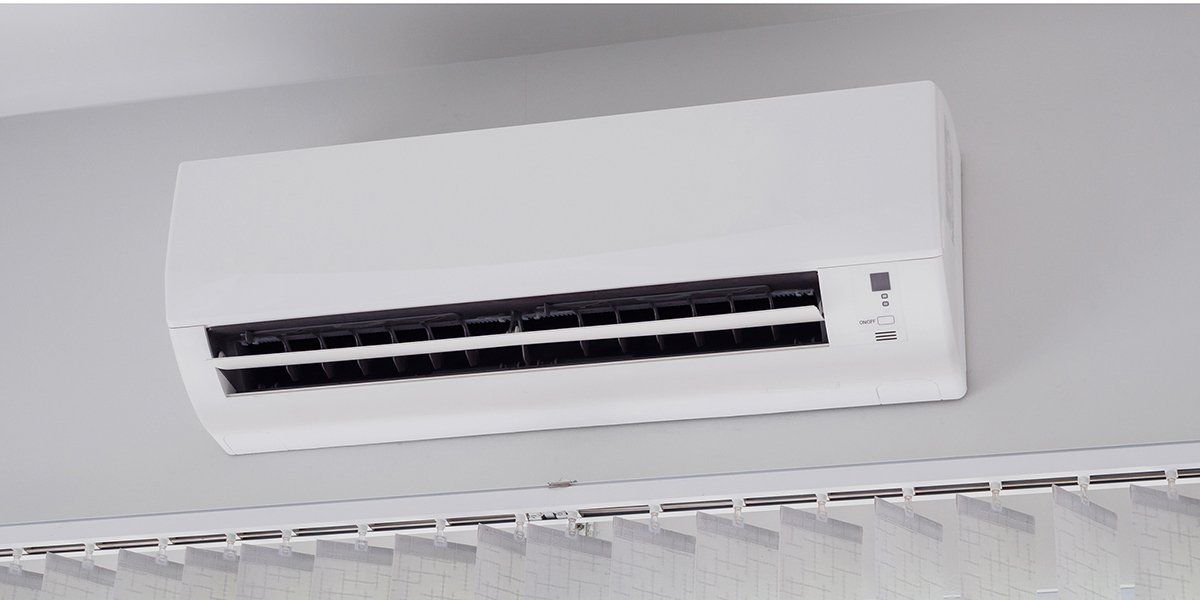 Chart showing energy efficiency gains of new AC models
Energy Efficiency Ratings Explained
Understanding SEER, EER, and HSPF numbers lets you compare models on a common scale. Higher SEER values mean lower electricity use over a cooling season, while EER reflects performance at a specific outdoor temperature. Look for units that carry the Energy Star certified models label for guaranteed efficiency. For a broader view of top‑performing residential systems, review the top residential HVAC picks. Pairing a high‑SEER unit with optimal thermostat settings maximizes savings.
Smart Features and Connectivity
Many 2026 models include Wi‑Fi control, voice‑assistant integration, and adaptive learning algorithms that adjust output based on occupancy patterns. These features can reduce runtime by 10‑15 % without sacrificing comfort. When evaluating smart options, verify that the companion app supports scheduling, energy‑usage reports, and remote diagnostics — capabilities that simplify troubleshooting and maintenance planning.
Cost Considerations and Available Rebates
Beyond the sticker price, factor in installation labor, potential duct modifications, and long‑term electricity costs. Federal tax credits and utility rebates for high‑efficiency equipment can offset 10‑30 % of the total investment. Check the Database of State Incentives for Renewables & Efficiency (DSIRE) for current programs in your area, and ask your installer about manufacturer promotions that may apply at purchase time.
Environmental Impact and Refrigerant Choices
Modern units increasingly use R‑32 or R‑454B refrigerants, which have significantly lower global‑warming potential than the older R‑410A. Selecting a system with a low‑GWP refrigerant reduces the carbon footprint of your cooling. For a clear comparison of AC‑only versus full HVAC approaches, see the compare AC vs HVAC overview.
Frequently Asked Questions
What Size Air Conditioner Do I Need?
The size depends on your room's square footage. Generally, 20 BTUs per square foot is recommended.
How Often Should I Service My Air Conditioner?
Service your air conditioner at least once a year to maintain efficiency and longevity.
Can I Install An Air Conditioner Myself?
It's possible, but professional installation ensures safety, efficiency, and proper functioning of your unit.
How Long Do Air Conditioners Last?
Air conditioners typically last 10-15 years with proper maintenance and care.
Conclusion
Getting a new air conditioner can make your home more comfortable. Choose the right type, install it properly, and maintain it well. Enjoy the cool and comfortable air!
Ready to upgrade? Explore our top‑rated 2026 models and start saving on cooling costs today.