Mitsubishi Electric HVAC: Revolutionize Your Comfort!
Mitsubishi Electric HVAC: Efficient Heating and Cooling Solutions
Introduction to Mitsubishi Electric HVAC
Mitsubishi Electric is a top brand for HVAC systems. HVAC stands for Heating, Ventilation, and Air Conditioning. These systems keep homes and offices comfortable all year round.

Mitsubishi Electric's Diamond Contractor certification badge representing elite installer status
Credit: www.mitsubishicomfort.com
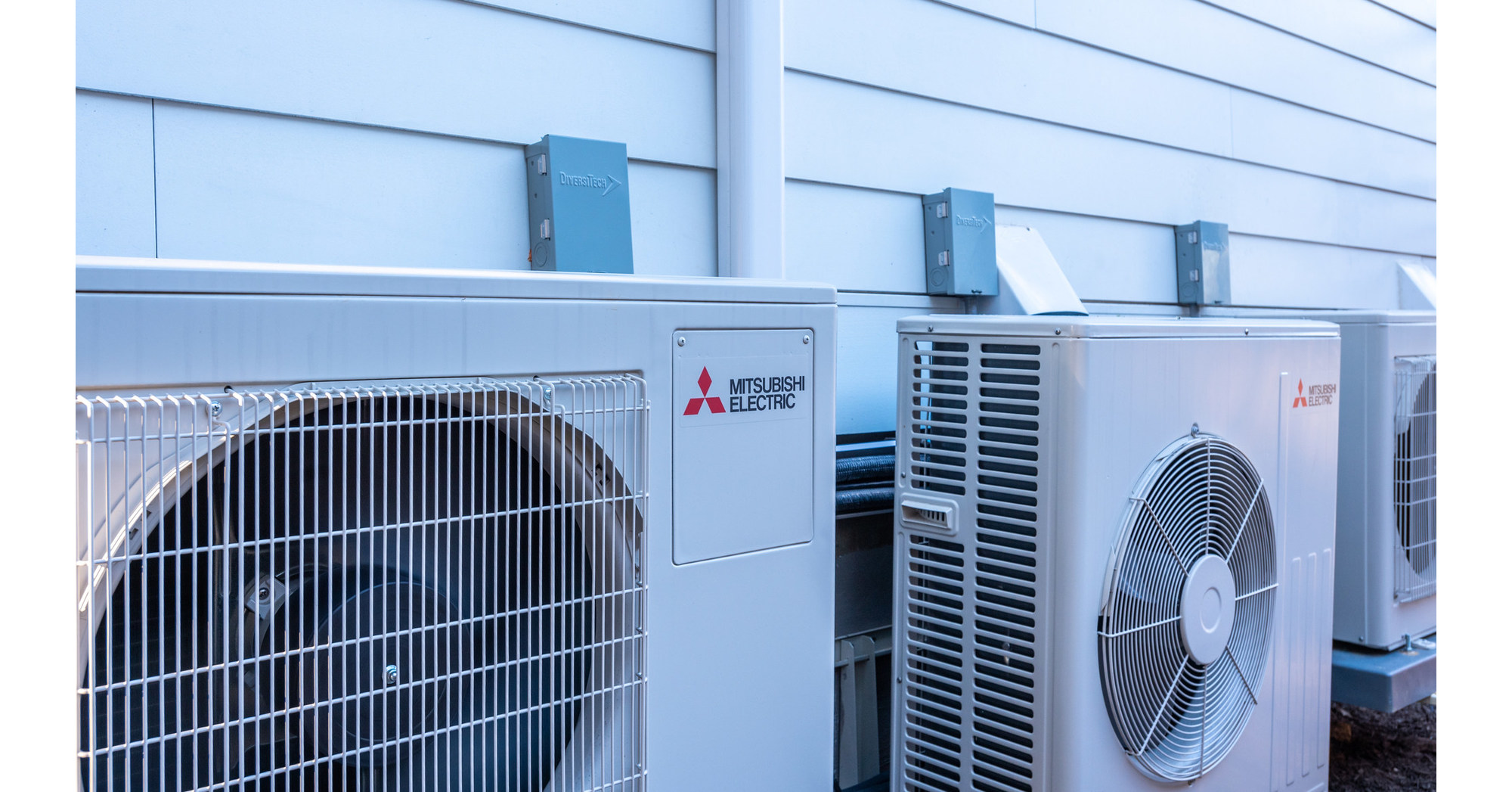
Outdoor unit from the Mitsubishi Electric Trane HVAC US joint venture showcasing cold-climate heat pump technology
Credit: www.prnewswire.com
Why Choose Mitsubishi Electric HVAC?
Mitsubishi Electric HVAC systems are known for their quality. They offer many benefits that make them a great choice.
Energy Efficiency: These systems use less energy, saving you money.
Quiet Operation: Mitsubishi HVAC units are very quiet.
Easy to Install: These systems are simple to install.
Reliable Performance: They work well for many years.
In practice, the hyper-heating INVERTER (H2i®) technology maintains full heating capacity down to -13°F, a genuine differentiator for northern climates where standard heat pumps struggle. A common mistake is undersizing the outdoor unit for the coldest design day — always match capacity to the 99% design temperature, not just the square footage. For more on this, see our guide on find your perfect fit exploring different types of.
Types of Mitsubishi Electric HVAC Systems
Mitsubishi Electric offers various types of HVAC systems. Each type has its own benefits.
Type Description
Ductless Systems These systems do not need ducts. They are great for small spaces.
Ducted Systems These systems use ducts to distribute air. They are ideal for large homes.
VRF Systems VRF stands for Variable Refrigerant Flow. These systems are perfect for big buildings.
Smart Controls and Connectivity
Modern Mitsubishi Electric systems integrate with the kumo cloud® platform and third-party ecosystems including Google Home, Amazon Alexa, and Apple HomeKit. The wireless interface (PAC-USWHS002-WF-2) enables remote monitoring, scheduling, and geofencing from a smartphone. For multi-zone setups, the kumo station® provides local control without internet dependency — useful in rural areas with spotty connectivity. RedLINK™ compatibility also allows integration with Honeywell thermostats for hybrid setups.
Benefits of Mitsubishi Electric Ductless Systems
Ductless systems have many advantages. They are also called mini-split systems.
Flexible Installation: You can install them in many places.
Zone Control: Control the temperature in different areas separately.
Energy Savings: Save money with energy-efficient operation.
Improved Air Quality: These systems filter the air to remove dust and allergens.
The multi-stage filtration — typically a hybrid catechin pre-filter plus a platinum deodorizing filter — captures particulates down to 0.3 microns and neutralizes odors. In practice, homes with pets or allergy sufferers see noticeable improvement within weeks. For the cleanest air, pair with a dedicated ERV/HRV; Mitsubishi's Lossnay ventilators recover up to 80% of sensible heat while exchanging stale air. For more on this, see our guide on ocean breeze hvac your trusted partner for coastal.
Benefits of Mitsubishi Electric Ducted Systems
Ducted systems are a good choice for larger homes. They offer many benefits.
Whole-House Comfort: These systems provide even heating and cooling.
Discreet Design: The system is hidden in the ceiling or walls.
Energy Efficient: Save money with efficient operation.
Quiet Operation: These systems are very quiet.
Horizontal-ducted air handlers (PEAD/PEFY series) fit in tight attic or crawlspace plenums with static pressures up to 0.6 in. w.g., allowing properly designed duct runs. A common oversight is skipping Manual D duct design — undersized returns or excessive equivalent length kills efficiency and creates noise. For retrofit projects, the compact SVZ-KP air handler fits standard furnace footprints, easing changeouts.
Benefits of Mitsubishi Electric VRF Systems
VRF systems are excellent for large buildings. They offer many features.
Flexible Design: These systems can be customized for any building.
Energy Efficiency: Save on energy costs with efficient operation.
Individual Control: Control the temperature in each room separately.
Quiet Operation: These systems run quietly.
City Multi® VRF platforms (Y-Series heat pump, R2-Series heat recovery) support up to 50 indoor units per outdoor module with simultaneous heating and cooling — ideal for perimeter/core zones with divergent loads. The heat recovery models redirect waste heat from cooling zones to heating zones, cutting source energy by 20–30% versus conventional VAV reheat. Branch circuit controllers (BC controllers) enable this without additional refrigerant piping.
https://www.youtube.com/watch?v=K1q9WlfS40g
Cost Considerations and Long-Term Value
Equipment-only pricing for single-zone ductless starts around $3,500–$5,000; multi-zone ductless runs $8,000–$15,000+ depending on head count; ducted and VRF scale significantly higher. Installation typically adds 50–100% to equipment cost. Federal tax credits under 25C (up to $2,000 for qualifying heat pumps) and many utility rebates (often $500–$2,500 per ton) improve payback. Over a 15–20 year lifespan, the higher SEER2/HSPF2 ratings of Mitsubishi's INVERTER-driven compressors usually offset the premium versus single-stage alternatives. Always request an AHRI certificate matching the exact indoor/outdoor combination — rated performance varies by pairing.
Environmental Impact and Refrigerants
Current Mitsubishi Electric residential and light commercial lines use R-410A; the transition to lower-GWP R-32 is underway across the industry with select 2024+ models already shipping. R-32 has roughly one-third the GWP of R-410A and requires less charge per ton. For LEED or WELL projects, the VRF heat recovery architecture contributes to Energy & Atmosphere credits by reducing simultaneous heating/cooling waste. Proper refrigerant recovery at end-of-life remains critical — insist on EPA Section 608 certified technicians.
How to Choose the Right Mitsubishi Electric HVAC System
Choosing the right HVAC system depends on your needs. Consider the size of your home or office.
Small Spaces: A ductless system is a good choice.
Large Homes: A ducted system might be better.
Big Buildings: VRF systems are ideal for large buildings.
A proper Manual J load calculation is non-negotiable — rule-of-thumb sizing overshoots by 30–50%, causing short-cycling and humidity issues. Factor in orientation, insulation R-values, window U-factors, and infiltration. For mixed-climate zones, prioritize HSPF2 over SEER2; heating hours dominate annual runtime. If you're comparing brands, our guide on selecting the right air conditioner for your home walks through the decision framework step by step.
Installation and Maintenance
Installing a Mitsubishi Electric HVAC system is simple. A professional can do it quickly. Regular maintenance keeps the system running well.
Change the air filters often.
Clean the outdoor unit regularly.
Check the thermostat settings.
Schedule annual inspections.
Seasonal maintenance should include: verifying refrigerant charge via subcooling/superheat (or pressure/temperature charts for INVERTER units), inspecting flare connections for leaks with a calibrated electronic detector, cleaning coil surfaces with low-pressure water (never acid-based cleaners on microchannel), checking condensate pump operation and trap, and confirming communication wiring integrity on multi-zone systems. The outdoor unit's base pan heater (on H2i models) should cycle freely — ice buildup indicates a failed heater or control board. For detailed DIY-friendly steps, see our seasonal air conditioning maintenance tips.
Warranty Coverage and Support
Standard warranty: 10-year compressor, 10-year parts (registration required within 60–90 days of install, varies by region). Labor is not covered unless the installing contractor offers a separate labor warranty — many Diamond Contractors provide 10-year labor matches. VRF City Multi carries a 10-year compressor / 1-year parts baseline; extended parts warranties are purchasable. Keep the commissioning report (refrigerant pressures, airflow measurements, control sequences) — warranty claims often require it. Register at my.mitsubishicomfort.com for fastest claims processing.
Frequently Asked Questions
What Is Mitsubishi Electric Hvac?
Mitsubishi Electric HVAC refers to high-quality heating, ventilation, and air conditioning systems known for efficiency and reliability.
How Does Mitsubishi Electric Hvac Work?
These systems use advanced technology to control indoor climate, ensuring comfort and energy efficiency.
Are Mitsubishi Electric Hvac Systems Energy-efficient?
Yes, they are designed for high energy efficiency, reducing electricity consumption and lowering utility bills.
Do Mitsubishi Electric Hvac Systems Require Maintenance?
Yes, regular maintenance ensures optimal performance and extends the lifespan of the system.
What Is The Difference Between Ductless And Ducted Systems?
Ductless (mini-split) systems deliver conditioned air directly from wall/ceiling cassettes without ductwork. Ducted systems use a central air handler and distribution ductwork — better for whole-home uniformity but require plenum space.
Can Mitsubishi Heat Pumps Handle Sub-Zero Temperatures?
Yes. Hyper-Heating H2i® models deliver 100% rated heating capacity at 5°F and 76% at -13°F, with operation down to -18°F. Standard models derate significantly below 17°F.
How Long Does Installation Typically Take?
Single-zone ductless: 4–8 hours. Multi-zone: 1–2 days. Ducted/VRF: 3–7 days depending on ductwork complexity and building access.
Are There Rebates Or Tax Credits Available?
Federal 25C tax credit up to $2,000 for qualifying cold-climate heat pumps. Many utilities offer $500–$2,500/ton. Check dsireusa.org and your utility website for current programs.
Conclusion
Mitsubishi Electric HVAC systems are a great choice. They offer energy efficiency, quiet operation, and reliable performance. Whether you need a system for a small space or a large building, Mitsubishi Electric has the perfect solution.
Ready to explore specific models for your project? Compare top-rated residential systems in our best HVAC air conditioning systems roundup, or dive into the latest air conditioning innovations shaping 2026 installs.