Carrier air conditioners are widely regarded as some of the best on the market, thanks to their long-standing reputation for innovation, energy efficiency, and reliable performance. Whether you’re upgrading your home or outfitting a commercial space, Carrier offers models that balance comfort, cost savings, and cutting-edge technology. With features like smart thermostats, quiet operation, and robust warranties, choosing a Carrier unit means investing in quality and peace of mind.
Key Takeaways
- Trusted Brand Legacy: Carrier has been a leader in HVAC since 1915, making it one of the most respected names in air conditioning.
- Energy Efficiency: Many Carrier models exceed ENERGY STAR standards, helping reduce electricity bills and environmental impact.
- Advanced Technology: Features like Wi-Fi connectivity, variable-speed compressors, and self-diagnostic tools enhance performance and convenience.
- Durable Construction: Built to last with high-quality materials and rigorous testing, ensuring long-term reliability.
- Comprehensive Warranties: Carrier offers strong warranty coverage, including parts and labor, giving homeowners confidence.
- Professional Installation: Recommended installation by certified technicians ensures optimal performance and system longevity.
- Wide Product Range: From window units to whole-home systems, Carrier caters to various needs and budgets.
📑 Table of Contents
- Introduction: Why Consider a Carrier Air Conditioner?
- The History and Reputation of Carrier
- Energy Efficiency: A Core Strength of Carrier Air Conditioners
- Performance and Cooling Power
- Durability and Build Quality
- Indoor Air Quality and Advanced Filtration
- Installation and Service Support
- Cost Considerations: Is It Worth the Investment?
- Comparing Carrier to Other Top Brands
- Maintenance Tips to Keep Your Carrier AC Running Smoothly
- Conclusion: Is Carrier Air Conditioner Good?
Introduction: Why Consider a Carrier Air Conditioner?
When summer temperatures soar, having a reliable air conditioner isn’t just a luxury—it’s a necessity. But with so many brands and models on the market, how do you know which one is truly worth your investment? If you’ve heard the name “Carrier” and wondered, “Is Carrier air conditioner good?”—you’re not alone. For over a century, Carrier has been synonymous with innovation, performance, and dependability in the heating, ventilation, and air conditioning (HVAC) industry.
Today, Carrier remains one of the most trusted names globally, offering everything from residential split systems to large-scale commercial units. Their reputation isn’t built on marketing alone—it’s rooted in decades of engineering excellence, customer satisfaction, and a commitment to sustainability. In this article, we’ll dive deep into what makes Carrier air conditioners stand out, explore their features, benefits, and potential drawbacks, and help you decide if they’re the right fit for your home or business.
Whether you’re replacing an old unit, building a new home, or simply curious about top-tier cooling solutions, understanding Carrier’s strengths can guide you toward smarter, more comfortable, and energy-efficient choices.
The History and Reputation of Carrier
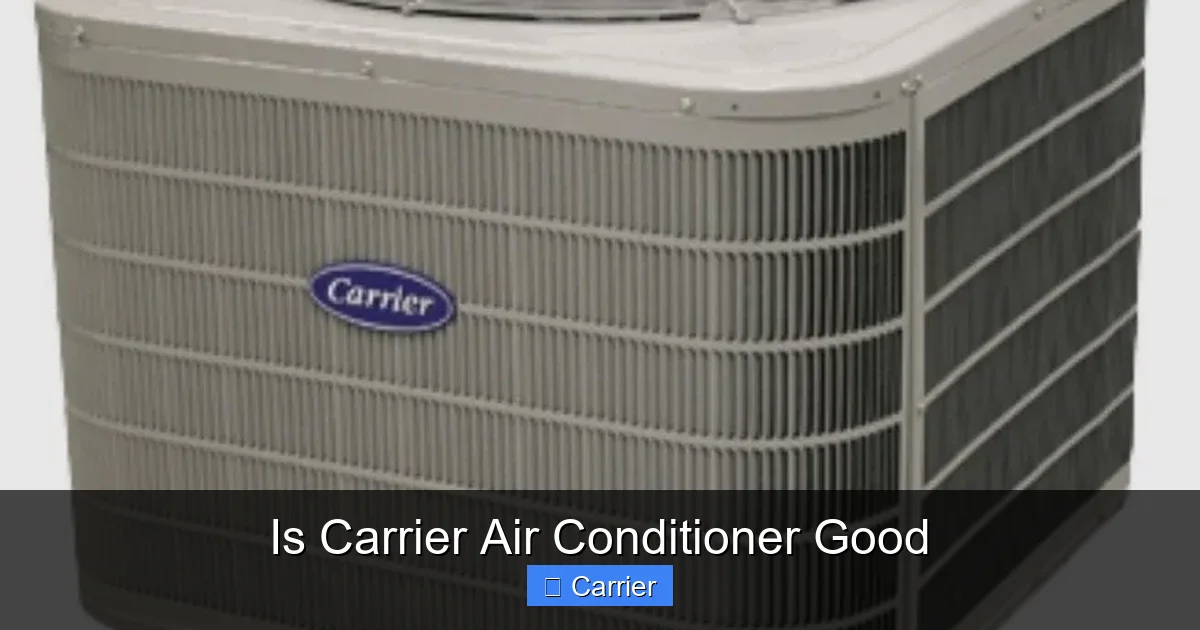
Visual guide about Is Carrier Air Conditioner Good
Image source: hvacbeginners.com
Founded in 1915 by Willis Haviland Carrier, the company began with a simple mission: to control humidity in a printing plant. That single breakthrough led to the invention of modern air conditioning as we know it today. Over the past century, Carrier has grown into a global powerhouse, serving millions of customers across residential, commercial, and industrial sectors.
What sets Carrier apart from competitors like Trane, Lennox, or Goodman is its long-standing legacy of innovation. The company was instrumental in developing key HVAC technologies, including centrifugal chillers, programmable thermostats, and energy recovery ventilators. Today, Carrier continues to lead with smart climate control systems, eco-friendly refrigerants, and AI-driven diagnostics.
This rich history isn’t just about tradition—it reflects a forward-thinking mindset. Carrier invests heavily in research and development, ensuring their products stay ahead of industry trends. From reducing carbon footprints to improving indoor air quality, the brand consistently prioritizes both performance and planet.
Energy Efficiency: A Core Strength of Carrier Air Conditioners

Visual guide about Is Carrier Air Conditioner Good
Image source: cardiac.jp
One of the most compelling reasons people ask, “Is Carrier air conditioner good?” is because of their impressive energy efficiency ratings. Modern Carrier units are designed to deliver maximum cooling with minimal energy waste, thanks to advanced compressor technology and intelligent controls.
Most Carrier residential models feature inverter-driven scroll compressors, which adjust cooling output based on real-time demand. Unlike traditional single-speed systems that cycle on and off, these variable-speed compressors maintain consistent temperatures while using up to 30% less energy. This not only keeps your home cooler but also lowers utility bills.
Additionally, many Carrier systems meet or exceed ENERGY STAR certification standards. For example, the Carrier Infinity series boasts SEER (Seasonal Energy Efficiency Ratio) ratings of up to 26—among the highest in the industry. Higher SEER ratings mean greater efficiency, especially during prolonged summer heatwaves.
To put this into perspective: replacing a 10-year-old 10 SEER unit with a 20 SEER Carrier model could save you hundreds of dollars annually on cooling costs. And when you consider the rising cost of electricity, investing in a high-efficiency Carrier system becomes even more appealing.
Smart Thermostats and Remote Control Features
Beyond hardware, Carrier integrates smart technology to optimize energy use. Models compatible with the Carrier Cor Smart Thermostat allow homeowners to monitor usage, set schedules, and receive alerts—all from their smartphone. This level of control helps avoid wasteful cooling when no one’s home.
Some systems even learn your habits over time, automatically adjusting temperatures for comfort and savings. During peak hours, the thermostat can shift to energy-saving mode without sacrificing comfort, thanks to pre-cooling strategies.
Performance and Cooling Power
When it comes to actual cooling performance, Carrier doesn’t cut corners. Their air conditioners are engineered to handle extreme heat loads efficiently. Whether you live in a humid subtropical climate or a dry desert region, Carrier offers systems tailored to regional conditions.
For instance, the Carrier 24VNA9 (Infinity series) delivers up to 57,000 BTUs, ideal for large homes or small commercial spaces. Its two-stage compressor ensures smooth operation and quieter performance compared to standard units. Meanwhile, smaller models like the 24ABB5 offer compact, efficient cooling for apartments or starter homes.
What makes Carrier’s performance stand out is consistency. Unlike cheaper brands that may struggle under load, Carrier systems maintain stable temperatures even during peak demand. This reliability is crucial during heatwaves when every degree matters.
Noise Reduction and Quiet Operation
Nobody wants a loud air conditioner humming all day. Fortunately, Carrier places a strong emphasis on acoustic engineering. Many of their models feature sound-dampening insulation, variable-speed fans, and optimized fan blade designs to minimize noise.
The Carrier 24ANB8, for example, operates at just 58 decibels—about as loud as a normal conversation. That’s significantly quieter than older or budget models, which can reach 70+ decibels. For bedrooms or home offices, this quiet operation enhances overall comfort.
Durability and Build Quality
If you’re asking, “Is Carrier air conditioner good?”, durability is a major factor. Carrier builds their units to last, using corrosion-resistant coils, heavy-duty cabinets, and components tested under extreme conditions. This focus on quality reduces the risk of breakdowns and extends the lifespan of the system.
For example, Carrier uses galvanized steel frames and powder-coated finishes to resist rust and wear. Their outdoor units are designed to withstand hail, debris, and temperature swings—common issues in harsh climates.
Many professionals report that Carrier systems outlast comparable models from other brands by several years. While the upfront cost may be higher, the long-term savings on repairs and replacements make it a smart investment.
Warranty Protection
Carrier backs its quality with comprehensive warranties. Most residential units come with a 10-year limited warranty on the compressor and a 10-year parts warranty—among the best in the industry. Some premium models offer extended coverage up to 20 years on the compressor.
This warranty reflects confidence in the product’s longevity. It also provides peace of mind, knowing that if something goes wrong, Carrier stands behind its work.
Indoor Air Quality and Advanced Filtration
Cooling isn’t just about lowering temperature—it’s about creating a healthy, comfortable environment. Carrier recognizes this and integrates advanced filtration and purification technologies into many of their systems.
Take the Carrier Puron Refrigerant, for instance. Unlike older R-22 models, Puron is ozone-safe and environmentally friendly. It also improves humidity control, reducing mold and mildew growth indoors.
But Carrier goes further. Many systems include multi-stage filtration, such as washable filters, antimicrobial coatings, and optional UV germicidal lamps. These features trap dust, pollen, pet dander, and even bacteria, improving overall air quality.
For families with allergies or respiratory conditions, this is a game-changer. The ability to filter out allergens while maintaining cool, dry air makes Carrier units a preferred choice among health-conscious homeowners.
Humidity Control and Dehumidification
In humid climates, excessive moisture can make rooms feel sticky and uncomfortable—even when the thermostat reads a perfect 72°F. Carrier addresses this with precise dehumidification capabilities.
Their systems remove excess moisture without overcooling, maintaining a balanced indoor climate. This not only feels better but also protects furniture, electronics, and wood floors from warping due to dampness.
Installation and Service Support
Even the best air conditioner won’t perform well if installed improperly. That’s why Carrier emphasizes professional installation through a network of certified contractors. These technicians are trained specifically on Carrier systems, ensuring proper sizing, refrigerant charging, and electrical connections.
Proper installation prevents common issues like short-cycling, poor airflow, and premature wear. It also maximizes energy efficiency and warranty eligibility.
Carrier also offers robust customer support and online resources. Homeowners can access manuals, troubleshooting guides, and software updates via Carrier’s official website. Local dealers provide service scheduling, maintenance reminders, and emergency repairs.
For businesses, Carrier provides commercial-grade support, including 24/7 helplines and fleet management tools for multi-unit properties.
Cost Considerations: Is It Worth the Investment?
Now, let’s address the elephant in the room: price. Carrier air conditioners are generally more expensive upfront than budget brands like Rheem or Frigidaire. A high-end model can cost $3,000–$5,000 installed, compared to $1,500–$2,500 for entry-level units.
So, is it worth it? Absolutely—if you value long-term savings, reliability, and performance. While the initial investment is higher, Carrier systems typically pay for themselves within 5–7 years through energy savings and reduced repair costs.
Consider this: a Carrier 24VNA9 with a 26 SEER rating can save you $150–$300 per year compared to a 14 SEER unit. Over a decade, that’s $1,500–$3,000 in savings. Add in fewer breakdowns and longer lifespan, and the math starts to favor Carrier.
That said, if you’re on a tight budget or renting, a lower-cost option might make sense. But for homeowners planning to stay long-term, Carrier represents a solid return on investment.
Financing and Rebate Opportunities
To ease the financial burden, Carrier partners with financing programs and rebate opportunities. Many utility companies offer rebates for installing ENERGY STAR-certified systems, including certain Carrier models. These can cover 10–30% of the total cost.
Additionally, Carrier works with third-party lenders to provide low-interest installment plans. This makes high-efficiency cooling accessible to more households.
Comparing Carrier to Other Top Brands
To truly answer “Is Carrier air conditioner good?”, it helps to compare them to competitors. Let’s briefly look at Trane, Lennox, and Goodman:
– Trane: Like Carrier, Trane offers premium efficiency and durability. However, Trane tends to be slightly pricier, and their warranty terms can be less generous.
– Lennox: Known for ultra-high SEER ratings (up to 26), Lennox is a close competitor. But their systems often require more maintenance and have shorter compressor warranties.
– Goodman: A great budget option, but Goodman focuses more on affordability than innovation. Their units lack many of the smart features and build quality found in Carrier.
While all four brands have merits, Carrier strikes the best balance between performance, technology, and value.
Real-World Customer Feedback
Online reviews consistently praise Carrier for quiet operation, consistent cooling, and responsive customer service. Many users report satisfaction after 10+ years of use. Common complaints are limited availability in rural areas and higher prices—but these are outweighed by positive experiences.
Maintenance Tips to Keep Your Carrier AC Running Smoothly
To maximize the lifespan and efficiency of your Carrier air conditioner, regular maintenance is essential. Here are practical tips:
- Change or Clean Filters Monthly: Dirty filters restrict airflow and increase energy use. Use a soft brush or vacuum for reusable filters.
- Schedule Annual Tune-Ups: Have a technician inspect refrigerant levels, clean coils, and check electrical connections.
- Keep Outdoor Unit Clear: Remove leaves, grass, and debris from around the condenser coil to ensure proper airflow.
- Trim Surrounding Vegetation: Trim bushes and trees at least 2 feet away from the unit to prevent blockage.
- Use a Smart Thermostat: Set your thermostat to 78°F when you’re away to save energy without compromising comfort.
- Monitor Humidity Levels: Aim for 40–60% indoor humidity; use a hygrometer to track it.
Following these steps can extend your system’s life by 10–15 years and keep it running at peak efficiency.
Conclusion: Is Carrier Air Conditioner Good?
After exploring every angle—history, efficiency, performance, durability, air quality, and cost—the answer is clear: yes, Carrier air conditioners are excellent. They combine proven engineering, innovative technology, and exceptional reliability to deliver unmatched cooling performance.
While they may cost more upfront, the long-term benefits—lower energy bills, fewer repairs, and healthier indoor environments—make them a wise investment. Whether you’re cooling a cozy suburban home or managing a bustling office building, Carrier offers solutions tailored to your needs.
Choosing a Carrier air conditioner means choosing peace of mind, comfort, and sustainability. In a world where energy costs and environmental concerns are top priorities, Carrier leads the way. So, if someone asks, “Is Carrier air conditioner good?”—you now know the answer: absolutely, and here’s why.
Frequently Asked Questions
Are Carrier air conditioners worth the higher price?
Yes, Carrier units offer superior energy efficiency, durability, and smart features that justify the higher upfront cost. Over time, you’ll save on energy bills and repairs, making them a smart long-term investment.
How does Carrier compare to Trane in terms of efficiency?
Both Carrier and Trane offer high-efficiency systems, but Carrier often provides better warranty terms and slightly more user-friendly smart technology integration.
Can I install a Carrier air conditioner myself?
No, professional installation is strongly recommended. Improper setup can void your warranty and reduce performance. Certified technicians ensure optimal operation and safety.
Do Carrier air conditioners work well in humid climates?
Absolutely. Carrier systems excel in humid environments due to advanced dehumidification and humidity control features, keeping your home cool and dry.
How long do Carrier air conditioners typically last?
With proper maintenance, Carrier units can last 15–20 years, outperforming many competitors in longevity and reliability.
Where can I find a Carrier dealer near me?
Visit the official Carrier website and use their dealer locator tool to find certified professionals in your area for sales, installation, or service.