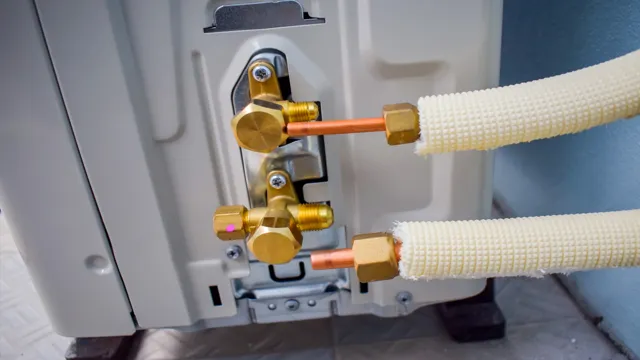
This guide walks you through how to repair LG air conditioner units safely and effectively. You’ll learn to diagnose common problems, perform basic fixes, and know when to call a pro—all with simple tools and clear instructions.
Key Takeaways
- Safety first: Always turn off power at the breaker before working on your LG air conditioner to prevent electrical shock.
- Regular cleaning prevents breakdowns: Dirty filters and coils are the #1 cause of poor cooling—clean them monthly during peak use.
- Strange noises mean trouble: Rattling, buzzing, or grinding sounds often point to loose parts, refrigerant leaks, or motor issues.
- Thermostat settings matter: Ensure your remote and unit are synced and set correctly—many “cooling issues” are user errors.
- DIY fixes save money: Many LG AC problems like frozen coils or clogged drains can be resolved at home with basic tools.
- Know your warranty: LG offers extended coverage on compressors and key components—check your model before replacing parts.
- When to call a pro: If you suspect refrigerant leaks, electrical faults, or compressor failure, contact a certified LG technician.
How to Repair LG Air Conditioner: A Complete 2026 Guide
If your LG air conditioner isn’t cooling like it used to, making odd noises, or just won’t turn on, don’t panic—you might not need to call a technician just yet. In 2026, LG continues to build reliable, energy-efficient AC units, but like any appliance, they can develop issues over time. The good news? Many common problems can be fixed at home with a little know-how and the right tools.
This guide will teach you how to repair LG air conditioner units step by step. Whether you’re dealing with a clogged filter, a frozen evaporator coil, or a malfunctioning remote, we’ve got you covered. You’ll learn how to safely diagnose problems, perform basic repairs, and maintain your unit to prevent future breakdowns. By the end, you’ll feel confident tackling minor issues and knowing when it’s time to call in a professional.
Let’s get started—your cool, comfortable home is just a few steps away.
Before You Begin: Safety and Preparation
Before touching any part of your LG air conditioner, safety is non-negotiable. Air conditioners use high-voltage electricity and refrigerants, which can be dangerous if mishandled. Here’s how to prepare:
Turn Off the Power
Always shut off power at the main circuit breaker—not just the unit’s switch. This ensures no electricity flows to the AC while you’re working. Use a voltage tester to double-check that the power is off.
Gather Your Tools
You’ll need:
- Screwdrivers (Phillips and flathead)
- Soft brush or vacuum with brush attachment
- Fin comb (for straightening bent fins)
- Coil cleaner (optional, for deep cleaning)
- Replacement air filter (check your model number)
- Multimeter (for testing electrical components)
- Safety gloves and goggles
Check Your Warranty
LG offers warranties ranging from 1 to 10 years, depending on the model and component. If your unit is still under warranty, avoid opening sealed parts like the compressor. Doing so may void coverage. Check your user manual or LG’s website using your model number.
Read the Manual
Every LG AC model has unique features and access points. Your user manual will show you where filters, coils, and service panels are located. If you’ve lost it, download a copy from LG’s support page.
Step 1: Diagnose the Problem
Not all AC issues are the same. Start by identifying the symptoms. Here are the most common problems and what they might mean:
AC Won’t Turn On
– Check the remote batteries and ensure it’s set to “Cool” mode.
– Verify the unit is receiving power—look for indicator lights.
– Test the circuit breaker and reset if tripped.
Weak or No Cooling
– Dirty air filter (most common cause).
– Frozen evaporator coil.
– Blocked outdoor unit (condenser).
– Low refrigerant (requires professional help).
Strange Noises
– Rattling: Loose panels or fan blades.
– Buzzing: Electrical issue or refrigerant leak.
– Grinding: Fan motor or compressor problem.
Water Leaks or Dripping
– Clogged drain line.
– Dirty evaporator coil.
– Improper installation or leveling.
Foul Odors
– Mold or mildew in the drain pan or evaporator coil.
– Dirty air filter trapping moisture.
Step 2: Clean or Replace the Air Filter
A dirty air filter is the #1 reason LG air conditioners underperform. It restricts airflow, forces the system to work harder, and can lead to frozen coils.
Locate the Filter
Most LG window and split units have a front panel that slides or lifts open. On portable units, the filter is usually behind a side or rear grille.
Remove and Inspect
Gently pull out the filter. Hold it up to the light—if you can’t see through it, it’s time to clean or replace it.
Clean or Replace
– For reusable filters: Rinse under warm water, let dry completely, then reinstall.
– For disposable filters: Replace with a new one matching your model number.
Pro Tip
Set a monthly reminder to check your filter during summer. In dusty environments or homes with pets, check every two weeks.
Step 3: Clean the Evaporator and Condenser Coils
Dirty coils reduce efficiency and can cause your AC to freeze or overheat. LG’s 2026 models feature anti-corrosion coatings, but they still need regular cleaning.
Access the Evaporator Coil (Indoor Unit)
Remove the front panel and air filter. The evaporator coil is behind them—look for a shiny, finned surface.
Clean the Coil
– Use a soft brush or vacuum with a brush attachment to remove dust.
– For heavy buildup, spray a no-rinse coil cleaner (follow product instructions).
– Let it dry completely before reassembling.
Straighten Bent Fins
Use a fin comb to gently straighten any bent aluminum fins. This improves airflow and prevents future blockages.
Clean the Condenser Coil (Outdoor Unit)
Turn off power and remove any debris (leaves, grass, dirt) from around the unit. Use a garden hose to gently spray the fins from the inside out. Never use a pressure washer—it can damage the delicate fins.
Step 4: Clear the Drain Line and Drain Pan
A clogged drain line is a common cause of water leaks and musty smells. LG units have a condensate drain that removes moisture from the air.
Locate the Drain Line
On window units, it’s usually a small tube at the back. On split systems, it runs from the indoor unit to the outside.
Flush the Drain Line
– Use a wet/dry vacuum to suck out clogs from the outdoor end.
– Alternatively, pour a cup of vinegar or bleach solution into the drain line to dissolve mold and algae.
– Flush with water to clear residue.
Check the Drain Pan
Remove the pan (usually under the evaporator coil) and wipe it clean. Look for cracks or rust—replace if damaged.
Step 5: Fix a Frozen Evaporator Coil
If your LG AC is running but not cooling, and you see ice on the indoor unit, the evaporator coil is likely frozen.
Turn Off the AC
Let the ice melt completely—this can take 4–6 hours. Do not chip at the ice—it can damage the coil.
Identify the Cause
Frozen coils are usually caused by:
– Dirty air filter (most common).
– Low refrigerant (requires a technician).
– Restricted airflow (blocked vents or dirty coils).
– Faulty thermostat or fan motor.
Prevent Future Freezing
– Replace the filter.
– Clean the coils.
– Ensure all vents are open and unobstructed.
– Check that the fan is running at full speed.
Step 6: Troubleshoot Electrical and Remote Issues
If your LG AC won’t respond to the remote or shows error codes, it could be an electrical or communication problem.
Check the Remote
– Replace batteries.
– Point the remote directly at the unit’s sensor.
– Reset the remote by removing batteries for 1 minute, then reinserting.
Look for Error Codes
LG units display error codes on the display panel. Common ones in 2026 models include:
– CH 01: Communication error between indoor and outdoor units.
– CH 02: Indoor fan motor issue.
– CH 03: Outdoor fan motor problem.
– CH 07: Refrigerant leak detected.
Refer to your manual or LG’s online error code guide for specifics.
Test the Thermostat
Set the thermostat 5–10°F below room temperature. If the AC doesn’t turn on, the thermostat or sensor may be faulty. Use a multimeter to test continuity.
Step 7: Inspect the Fan and Motor
The fan circulates air over the coils. If it’s not working, your AC won’t cool properly.
Check the Indoor Fan
Turn on the AC and listen. If the fan isn’t spinning:
– Ensure the unit is set to “Fan” or “Cool” mode.
– Check for obstructions in the fan blades.
– Listen for a humming sound—this could mean a stuck motor.
Lubricate or Replace
Most modern LG fans are sealed and don’t require lubrication. If the motor is faulty, replacement is usually the best option.
Inspect the Outdoor Fan
Make sure the fan spins freely. If it’s bent or hitting the housing, gently straighten it. If the motor is burnt out, call a technician.
Step 8: When to Call a Professional
While many issues can be fixed at home, some problems require certified expertise—especially in 2026, when LG units use advanced refrigerants and smart diagnostics.
Call a professional if you:
– Suspect a refrigerant leak (hissing sounds, oily residue, low cooling).
– See burn marks or smell burning near electrical components.
– The compressor won’t start or makes loud knocking noises.
– Error codes persist after troubleshooting.
– Your unit is under warranty and needs internal repairs.
LG’s 2026 Smart Diagnosis feature can help technicians remotely assess issues—use the LG ThinQ app to share data.
Preventative Maintenance Tips for 2026
An ounce of prevention is worth a pound of repair. Follow these tips to keep your LG air conditioner running smoothly:
Monthly
– Check and clean the air filter.
– Inspect the outdoor unit for debris.
Seasonally
– Clean coils and drain line.
– Check refrigerant lines for damage.
– Test the thermostat and remote.
Annually
– Schedule a professional inspection.
– Calibrate the thermostat.
– Update firmware via LG ThinQ app (for smart models).
Conclusion
Learning how to repair LG air conditioner units doesn’t require a degree in engineering—just patience, the right tools, and a methodical approach. From cleaning filters to diagnosing error codes, many common issues can be resolved at home, saving you time and money.
Remember: safety comes first. Always turn off power, wear protective gear, and know your limits. While DIY fixes are great for minor problems, don’t hesitate to call a certified LG technician for complex issues like refrigerant leaks or compressor failure.
With regular maintenance and timely repairs, your LG air conditioner can deliver cool, reliable comfort for years to come. Stay cool in 2026—and beyond!