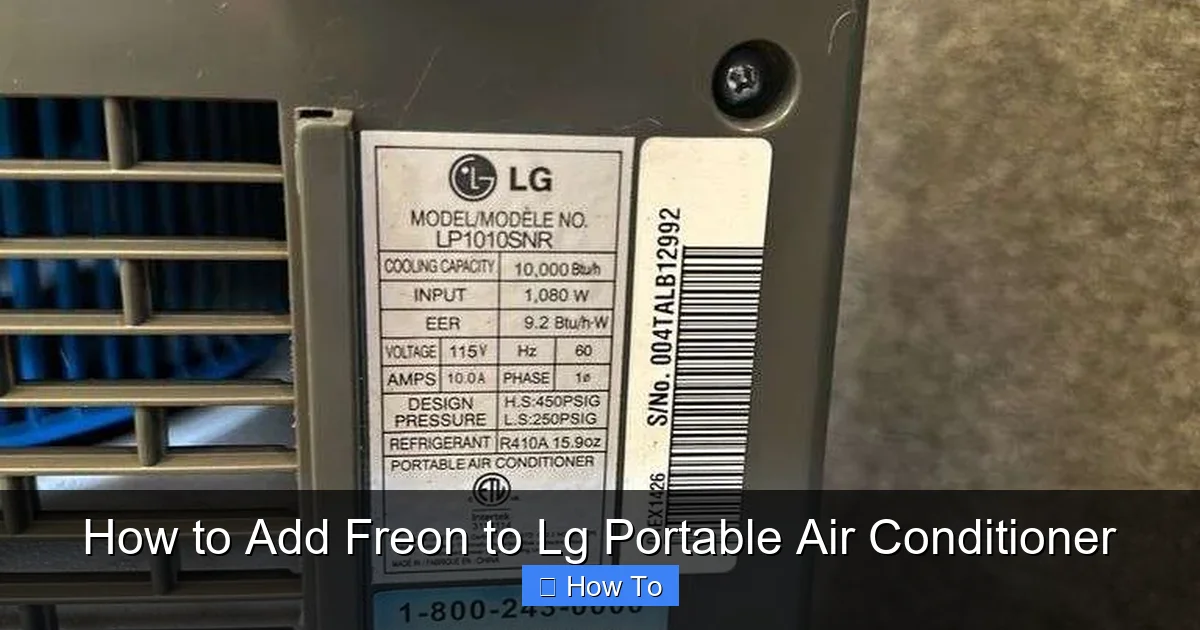
Emptying the water from your LG portable air conditioner is essential to prevent leaks, odors, and system shutdowns. This guide walks you through the entire process—from checking the water level to troubleshooting common issues—so your unit runs smoothly all season long.
Key Takeaways
- Regular maintenance prevents overflow: LG portable AC units collect condensation, and failing to empty the tank can lead to water damage or automatic shutoff.
- Check the water level indicator: Most LG models have a visible indicator or alert light that signals when the tank is full.
- Use the built-in drainage options: Depending on your model, you can manually drain, use a continuous drain hose, or activate auto-evaporation mode.
- Turn off and unplug before draining: Safety first—always power down the unit and disconnect it from the outlet before handling water.
- Clean the tank periodically: Residual moisture can breed mold or mildew; rinse the tank with mild soap and water every few weeks.
- Know your model’s features: Some LG portable ACs have self-evaporating technology that reduces the need for manual draining.
- Store properly after use: Empty and dry the water tank completely before storing the unit to avoid musty smells and bacterial growth.
How to Empty Water Out of LG Portable Air Conditioner
If you own an LG portable air conditioner, you’ve likely noticed that it doesn’t just cool your space—it also pulls moisture from the air. This process, called condensation, is completely normal and part of how your AC dehumidifies the room. However, all that collected water has to go somewhere, and that’s where the internal water tank comes in. Over time, this tank fills up, and if you don’t empty it, your AC might stop working, leak water onto your floor, or trigger an error message.
In this comprehensive guide, you’ll learn exactly how to empty water out of your LG portable air conditioner safely and efficiently. Whether you’re dealing with a full tank for the first time or looking to establish a regular maintenance routine, we’ve got you covered. We’ll walk you through identifying when your unit needs draining, the different drainage methods available, step-by-step instructions, and tips to keep your AC running smoothly all summer long.
By the end of this guide, you’ll know how to prevent water buildup, extend the life of your appliance, and avoid common pitfalls like mold, odors, or unexpected shutdowns. Let’s get started!
Why Emptying the Water Tank Matters
Before diving into the how-to, it’s important to understand why this task is so crucial. LG portable air conditioners work by drawing in warm, humid air, cooling it over evaporator coils, and then blowing the cooled air back into the room. During this process, moisture condenses out of the air and collects in a built-in water reservoir.
If this reservoir isn’t emptied regularly, several problems can occur:
– Automatic shutoff: Most LG portable ACs are designed with a float switch or water level sensor. When the tank is full, the unit will stop cooling to prevent overflow and potential water damage.
– Water leaks: If the sensor fails or the tank overflows, water can spill onto your floor, damaging carpets, hardwood, or furniture.
– Mold and mildew growth: Stagnant water in the tank creates a breeding ground for bacteria and mold, which can lead to unpleasant odors and even affect indoor air quality.
– Reduced efficiency: A full tank can interfere with the unit’s ability to dehumidify effectively, making your space feel clammy and uncomfortable.
Regularly emptying the water tank not only prevents these issues but also helps maintain optimal performance and prolongs the lifespan of your appliance.
How Often Should You Empty the Tank?
The frequency of draining depends on several factors, including humidity levels, room size, usage duration, and your specific LG model. In high-humidity environments or during extended use, you may need to empty the tank daily. In drier climates or with lighter use, once a week might be sufficient.
Tip: Check your user manual for model-specific recommendations. Some LG portable ACs have larger tanks (up to 1.5 liters), while others are smaller. Also, units with auto-evaporation technology may require less frequent draining.
A good rule of thumb is to inspect the water level every time you use the unit. Many models have a transparent water level window or an indicator light on the control panel that turns on when the tank is full.
Step-by-Step Guide to Emptying the Water Tank
Now that you understand the importance of regular draining, let’s walk through the process step by step. These instructions apply to most LG portable air conditioner models, but always refer to your owner’s manual for model-specific details.
Step 1: Turn Off and Unplug the Unit
Safety is paramount when handling electrical appliances and water. Before doing anything else:
– Turn off the air conditioner using the power button on the control panel or remote.
– Unplug the power cord from the wall outlet.
This prevents any risk of electric shock and ensures the unit won’t accidentally restart while you’re working on it.
Pro Tip: Wait about 10–15 minutes after turning off the unit before draining. This allows any residual moisture in the system to settle into the tank.
Step 2: Locate the Water Tank
The water tank is typically located at the back or bottom of the unit. On most LG portable ACs, it’s housed behind a removable panel or drawer.
– Look for a small latch or handle on the rear or side of the unit.
– Gently pull or slide the panel open to reveal the water tank.
Some models have a transparent tank that lets you see the water level without opening the compartment. If yours doesn’t, you’ll need to remove the tank to check.
Step 3: Remove the Water Tank
Once you’ve accessed the tank:
– Carefully lift or slide the tank out of its housing. It may have a slight resistance, but it should come out easily.
– Place the tank on a flat, stable surface—preferably over a sink, bathtub, or outside to avoid spills.
Note: The tank may be heavy when full, so use both hands and avoid tilting it too much to prevent splashing.
Step 4: Empty the Water
Now it’s time to drain the water:
– Hold the tank over a drain, sink, or bucket.
– Tilt it slowly and pour out the water. Most tanks have a spout or opening designed for easy pouring.
– If the tank has a cap or plug, remove it first to allow air to flow and speed up drainage.
Tip: If you’re emptying the tank frequently, consider using a small hose attachment (if compatible) to direct the water outside or into a floor drain.
Step 5: Clean the Tank (Optional but Recommended)
While the tank is out, take a moment to clean it:
– Rinse the interior with warm water.
– Use a soft cloth or sponge with a mild soap solution to wipe away any residue or film.
– Avoid harsh chemicals or abrasive scrubbers, as they can damage the plastic.
Let the tank air dry completely before reinserting it. This helps prevent mold and keeps your AC smelling fresh.
Step 6: Reinsert the Tank
Once the tank is empty and dry:
– Slide it back into its compartment, making sure it’s seated properly.
– Close the access panel securely.
Double-check that everything is in place before plugging the unit back in.
Step 7: Plug In and Test
– Reconnect the power cord to the outlet.
– Turn on the air conditioner and set it to your desired cooling mode.
– Listen for normal operation and check that the unit is cooling effectively.
If your model has a water level indicator, confirm that the light is off, indicating the tank is empty and ready for use.
Alternative Drainage Methods
While manual draining works well for most situations, LG offers additional drainage options depending on your model and needs.
Continuous Drain Hose (Gravity Drain)
Some LG portable air conditioners come with or support an optional continuous drain hose. This allows you to drain water automatically without manual intervention.
– Attach one end of the hose to the drainage port on the back of the unit.
– Run the other end to a nearby floor drain, sink, or outside.
– Ensure the hose slopes downward to allow gravity to do the work.
Tip: Use a hose clip or tape to secure the connection and prevent leaks. Check the hose periodically for clogs or kinks.
This method is ideal for long-term use or in high-humidity areas where the tank fills quickly.
Auto-Evaporation Mode
Many newer LG portable AC models feature auto-evaporation technology. This system uses the hot exhaust air to evaporate collected moisture, significantly reducing the need for manual draining.
– When enabled, the unit automatically redirects condensation to the hot side of the heat exchanger.
– The water evaporates and exits through the exhaust hose.
Note: Auto-evaporation works best in moderate humidity. In very humid conditions, some water may still accumulate, so occasional manual draining may still be necessary.
To activate this feature, check your model’s settings menu or refer to the user manual.
Pump-Assisted Drainage (Advanced Models)
High-end LG portable air conditioners may include a built-in condensate pump. This pump actively pushes water out through a hose, even if the drain is higher than the unit.
– Connect the drain hose to the pump outlet.
– Route the hose to a suitable drainage point.
– The pump will activate automatically when the tank reaches a certain level.
This is especially useful for installations where gravity drainage isn’t feasible, such as in basements or rooms without floor drains.
Troubleshooting Common Issues
Even with proper maintenance, you might encounter problems when draining your LG portable AC. Here are some common issues and how to fix them.
Water Tank Won’t Come Out
If the tank is stuck:
– Make sure the unit is completely turned off and unplugged.
– Check for any latches or locks that need to be released.
– Gently wiggle the tank while pulling—avoid forcing it, as this could damage the housing.
If it still won’t budge, consult your manual or contact LG support.
Unit Still Shows Full Tank After Draining
This could indicate a faulty float switch or sensor.
– Ensure the tank is fully seated and the access panel is closed.
– Try resetting the unit by unplugging it for 5 minutes, then plugging it back in.
– If the problem persists, the sensor may need replacement—contact a certified technician.
Water Leaking from the Unit
Leaks can occur if:
– The tank isn’t properly inserted.
– The drain hose is loose or clogged.
– The unit is placed on an uneven surface, causing water to spill.
Check all connections, level the unit, and ensure the tank is secure.
Unusual Odors After Draining
If your AC smells musty:
– Clean the water tank thoroughly with vinegar or a mild disinfectant.
– Wipe down the interior panels and filters.
– Run the unit in fan-only mode for an hour to dry out moisture.
Regular cleaning prevents odor buildup.
Maintenance Tips for Long-Term Performance
To keep your LG portable air conditioner in top shape, follow these best practices:
– Check the water level weekly: Make it part of your routine, especially during peak cooling season.
– Clean the air filter monthly: A dirty filter reduces airflow and efficiency, increasing condensation.
– Inspect the exhaust hose: Ensure it’s not kinked or blocked, as this can affect drainage and cooling.
– Store properly in off-seasons: Empty the tank, clean the unit, and cover it to protect from dust.
– Use a dehumidifier in humid climates: This reduces the workload on your AC and slows tank filling.
Conclusion
Emptying the water from your LG portable air conditioner is a simple but essential task that ensures reliable performance, prevents water damage, and keeps your indoor air fresh. By following the steps in this guide—turning off the unit, removing and emptying the tank, and using alternative drainage methods when needed—you can avoid common problems and enjoy cool, comfortable air all season long.
Remember, regular maintenance goes a long way. Whether you’re using manual draining, a continuous hose, or auto-evaporation, staying proactive will save you time, money, and frustration down the road. Your LG portable AC is designed to make your life easier—just give it the care it deserves.
With this knowledge, you’re now equipped to handle water drainage like a pro. Stay cool, stay dry, and enjoy the comfort your LG portable air conditioner provides!