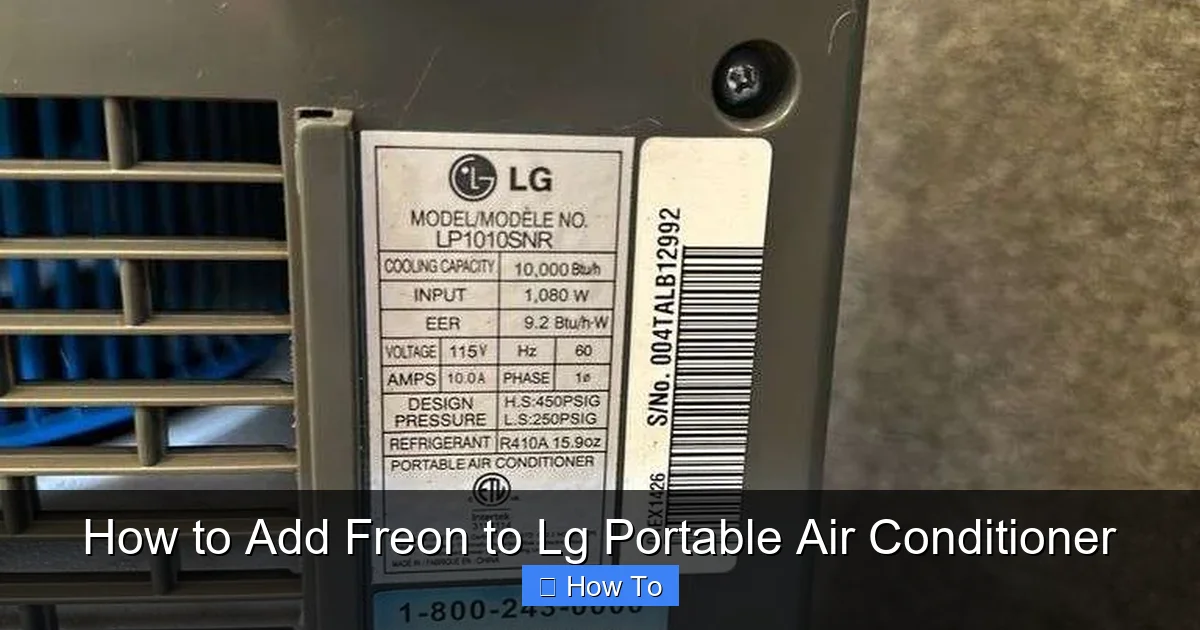
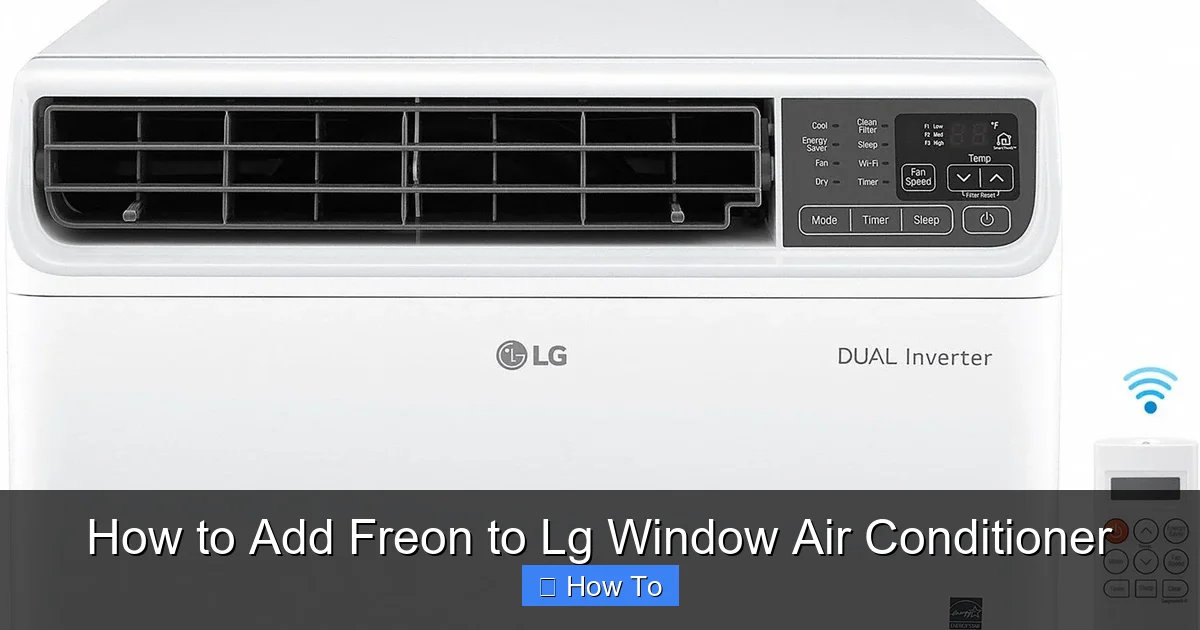
Keeping your LG air conditioner’s filter clean is essential for optimal performance and energy efficiency. This guide walks you through a step-by-step process to safely remove, clean, and reinstall your AC filter, helping you maintain fresh, cool air and prevent costly repairs.
Key Takeaways
- Regular filter cleaning improves air quality: A clean filter traps dust, pollen, and allergens, ensuring healthier indoor air.
- Enhances cooling efficiency: A clogged filter forces your AC to work harder, increasing energy bills and reducing performance.
- Extends appliance lifespan: Routine maintenance prevents strain on internal components, reducing wear and tear.
- Prevents mold and odors: Moisture buildup in dirty filters can lead to mold growth and unpleasant smells.
- Simple and quick process: Cleaning the filter takes less than 15 minutes and requires no special tools.
- Recommended every 2–4 weeks: Frequency depends on usage, environment, and filter type.
- Always power off before cleaning: Safety first—turn off the unit to avoid electrical hazards.
Introduction: Why Cleaning Your LG Air Conditioner Filter Matters
Your LG air conditioner does more than just cool your home—it also helps maintain indoor air quality by filtering out dust, pet dander, pollen, and other airborne particles. But over time, the filter collects debris and becomes clogged, which can seriously impact your unit’s performance. When the filter is dirty, your AC has to work harder to push air through, leading to higher energy bills, reduced cooling power, and even potential system breakdowns.
Cleaning the filter is one of the simplest and most effective maintenance tasks you can do to keep your LG air conditioner running smoothly. It’s a quick job that takes just a few minutes, yet many people overlook it. In this comprehensive guide, we’ll walk you through the entire process of cleaning the filter on your LG air conditioner—whether you have a window unit, a portable AC, or a split-type model. You’ll learn how to safely remove the filter, clean it properly, and reinstall it for maximum efficiency.
By the end of this guide, you’ll not only know how to clean your LG AC filter but also understand why it’s so important and how often you should do it. We’ll also share expert tips, troubleshooting advice, and answers to common questions to help you get the most out of your air conditioner all year long.
Understanding Your LG Air Conditioner Filter
Before diving into the cleaning process, it’s helpful to understand the different types of filters used in LG air conditioners and how they function.
Most LG air conditioners come with a washable mesh filter made of fine fibers designed to capture dust and larger particles. Some high-end models may also include additional filtration layers, such as:
– Activated carbon filters: These help absorb odors and volatile organic compounds (VOCs), making them ideal for homes with pets, smokers, or strong cooking smells.
– Anti-allergen filters: Designed to trap allergens like pollen and mold spores, these are great for allergy sufferers.
– PlasmaWave or UV filters: Found in premium LG models, these use advanced technology to neutralize bacteria, viruses, and other microscopic pollutants.
While these specialty filters may require different care, the primary mesh filter—the one you’ll clean most often—is usually the same across models. It’s typically located behind the front panel of your unit and is the first line of defense against airborne contaminants.
Knowing your filter type helps you determine the best cleaning method and frequency. For example, a standard mesh filter can be rinsed with water, while a carbon filter may need gentle vacuuming or replacement every few months.
Tools and Supplies You’ll Need
One of the best things about cleaning your LG air conditioner filter is that you don’t need any fancy tools. Here’s a simple list of what you’ll need:
- A soft brush (like an old toothbrush or a small cleaning brush)
- Mild dish soap or a gentle detergent
- A clean cloth or paper towels
- A vacuum cleaner with a brush attachment (optional)
- A bowl or sink for rinsing
- Warm water
Optional but helpful:
- Compressed air (for stubborn dust)
- Replacement filter (if yours is damaged or worn out)
- Gloves (to protect your hands from dust)
Having these items ready before you start will make the process faster and more efficient. Most of them are probably already in your home, so there’s no need to run to the store.
Step-by-Step Guide: How to Clean the Filter on an LG Air Conditioner
Now that you’re prepared, let’s get into the actual cleaning process. Follow these steps carefully to ensure a thorough and safe cleaning.
Step 1: Turn Off the Power
Safety is always the top priority when working with any electrical appliance. Before you touch your LG air conditioner, make sure it’s completely powered off.
– If you have a window or portable unit, unplug it from the wall outlet.
– For split-type or wall-mounted units, turn off the power at the circuit breaker or use the remote control to shut down the system.
Never attempt to remove or clean the filter while the unit is running or plugged in. Even if the fan isn’t spinning, there could still be residual power in the system.
Step 2: Locate the Air Filter
The filter is usually housed behind the front panel of your LG air conditioner. Here’s how to find it depending on your model:
– Window units: Look for a latch or button on the top or side of the front grille. Press or slide it to open the panel.
– Portable ACs: The filter is often behind a removable front cover or side panel. Check your user manual if you’re unsure.
– Split-type units: The indoor unit typically has a front panel that swings open. Some models have a small handle or tab you can pull to release it.
Once the panel is open, you should see the filter—usually a flat, rectangular mesh screen. It may be held in place by clips or a simple frame.
Step 3: Remove the Filter
Gently pull the filter out of its slot. Most LG filters slide out easily, but be careful not to bend or damage the frame.
– If the filter is stuck, don’t force it. Check for hidden clips or screws that might be holding it in place.
– Some models have two filters—one on each side. Make sure to remove both if applicable.
Once removed, inspect the filter for visible dirt, dust, or mold. If it’s heavily soiled, it’s definitely time for a good cleaning.
Step 4: Vacuum Loose Debris
Before washing, use a vacuum cleaner with a brush attachment to remove loose dust and hair from the filter. This step helps prevent clogging your sink or drain when you rinse it.
– Hold the filter over a trash can or outside to avoid making a mess.
– Gently run the vacuum over both sides of the filter, especially the side that faces the air intake.
This quick step can remove up to 70% of the debris, making the washing process more effective.
Step 5: Wash the Filter
Now it’s time to give your filter a proper wash. Follow these sub-steps for best results:
Prepare the Cleaning Solution
Fill a sink or large bowl with warm water. Add a few drops of mild dish soap. Avoid harsh chemicals or bleach, as they can damage the filter material.
Soak and Scrub
Place the filter in the soapy water and let it soak for 10–15 minutes. This helps loosen embedded dirt.
After soaking, use a soft brush (like an old toothbrush) to gently scrub both sides of the filter. Focus on areas with heavy buildup, but avoid scrubbing too hard—this can tear the mesh.
Rinse Thoroughly
Rinse the filter under lukewarm running water until all soap and dirt are gone. Make sure water flows through the mesh, not just over the surface.
If you have compressed air, you can use it to blow out any remaining dust from the crevices.
Step 6: Dry the Filter Completely
This step is crucial. Never reinstall a wet filter—it can promote mold growth and reduce airflow.
– Shake off excess water gently.
– Place the filter on a clean towel or paper towels in a well-ventilated area.
– Let it air dry for at least 2–4 hours, or until completely dry.
Avoid using a hair dryer or placing it in direct sunlight, as heat can warp the frame or damage the mesh.
Step 7: Reinstall the Filter
Once the filter is dry, it’s time to put it back.
– Make sure the filter is oriented correctly—most have an arrow or label indicating airflow direction.
– Slide it back into the slot, ensuring it fits snugly and securely.
– Close the front panel and make sure it clicks or locks into place.
If your unit has a second filter, repeat the process for that one as well.
Step 8: Restore Power and Test
After reinstalling the filter, plug the unit back in or turn the power back on.
– Turn on the air conditioner using the remote or control panel.
– Set it to a low fan speed and let it run for a few minutes.
– Listen for unusual noises and check that cool air is flowing properly.
If everything sounds and feels normal, you’re all set! Your LG air conditioner should now be running more efficiently.
How Often Should You Clean the Filter?
The frequency of filter cleaning depends on several factors:
– Usage: If you run your AC daily, especially during hot months, clean the filter every 2–3 weeks.
– Environment: Homes with pets, smokers, or high pollen counts may need weekly cleaning.
– Season: During peak cooling seasons (summer), increase cleaning frequency. In cooler months, once a month may be sufficient.
– Filter type: Standard mesh filters need more frequent cleaning than advanced filters.
As a general rule, check your filter every two weeks. If you see visible dust or reduced airflow, it’s time to clean it.
LG also recommends cleaning the filter at least once a month during active use. Some newer models even have a filter cleaning reminder on the display, which flashes after a set number of operating hours.
Tips for Maintaining Your LG Air Conditioner
Cleaning the filter is just one part of AC maintenance. Here are a few extra tips to keep your unit in top shape:
- Clean the exterior regularly: Wipe down the front panel and vents with a damp cloth to prevent dust buildup.
- Check the outdoor unit: Make sure the condenser coils are free of leaves, dirt, and debris.
- Inspect the drain line: A clogged drain can cause water leaks. Use a pipe cleaner or vacuum to clear it.
- Schedule professional maintenance: Once a year, have a technician inspect and service your unit, especially before summer.
- Use a programmable thermostat: This helps reduce runtime and saves energy.
- Keep vents unobstructed: Don’t block air vents with furniture or curtains—this restricts airflow.
These small habits can make a big difference in your AC’s performance and longevity.
Troubleshooting Common Issues
Even with regular cleaning, you might run into problems. Here’s how to handle some common issues:
Filter Won’t Come Out
If the filter is stuck, check for hidden latches or screws. Refer to your user manual for model-specific instructions. Never force it—this could break the frame or damage the unit.
Reduced Airflow After Cleaning
This could mean the filter wasn’t installed correctly or is still damp. Double-check the orientation and ensure it’s completely dry before reinstalling.
Unusual Odors
If your AC still smells musty after cleaning the filter, mold may have grown inside the unit. Consider using an AC cleaner spray or calling a professional for a deep clean.
Water Leaks
A clogged drain line or improperly installed filter can cause leaks. Check the drain pan and ensure the filter is seated properly.
Unit Won’t Turn On
If your AC doesn’t start after cleaning, make sure the power is restored and the front panel is fully closed. Some models have a safety switch that prevents operation if the panel isn’t secure.
When to Replace the Filter
While most LG filters are washable and reusable, they don’t last forever. Over time, the mesh can tear, the frame can warp, or the material can degrade.
Replace your filter if you notice:
- Visible tears or holes in the mesh
- Warping or bending of the frame
- Persistent odors even after cleaning
- Reduced performance despite regular cleaning
Most filters last 6–12 months with proper care. Check your user manual for the recommended replacement schedule, and consider buying a spare so you’re always prepared.
Conclusion: Keep Your LG AC Running Smoothly
Cleaning the filter on your LG air conditioner is a simple yet powerful way to improve indoor air quality, boost energy efficiency, and extend the life of your unit. By following the steps in this guide, you can ensure your AC operates at peak performance all season long.
Remember: safety first—always turn off the power before cleaning. Use gentle cleaning methods, let the filter dry completely, and reinstall it correctly. With regular maintenance, your LG air conditioner will keep you cool, comfortable, and breathing easy.
Don’t wait for reduced airflow or strange noises to remind you—make filter cleaning a routine part of your home care. Your AC (and your wallet) will thank you.