Keeping your LG air conditioner’s filter clean is essential for optimal performance and indoor air quality. This step-by-step guide walks you through the entire process—from preparation to reassembly—so you can maintain your AC like a pro. Regular cleaning saves energy, reduces allergens, and extends the lifespan of your unit.
Key Takeaways
- Clean filters improve airflow: A dirty filter restricts airflow, forcing your LG AC to work harder and use more energy.
- Frequency matters: Clean or replace your filter every 2–4 weeks during peak usage seasons for best results.
- Turn off power first: Always switch off the unit at the remote and circuit breaker before cleaning to ensure safety.
- Use gentle cleaning methods: Avoid harsh chemicals; warm soapy water and a soft brush are usually sufficient.
- Check for damage: Inspect the filter for tears or warping—replace if damaged to maintain efficiency.
- Reinstall correctly: Make sure the filter clicks securely into place to prevent air bypass and dust buildup.
- Schedule regular maintenance: Combine filter cleaning with professional servicing once a year for peak performance.
Why Cleaning Your LG Air Conditioner Filter Matters
Your LG air conditioner does more than just cool your home—it also filters dust, pollen, pet dander, and other airborne particles. Over time, the filter collects these contaminants, which can clog the system and reduce efficiency. When the filter is dirty, your AC has to work harder to push air through, leading to higher energy bills and uneven cooling. In severe cases, a clogged filter can cause the evaporator coil to freeze, resulting in costly repairs.
But it’s not just about performance. Indoor air quality suffers when filters aren’t cleaned regularly. If you or your family members suffer from allergies, asthma, or respiratory issues, a clean filter is essential for breathing easier and staying healthy. LG designs its air conditioners with user-friendly maintenance in mind, and cleaning the filter is one of the simplest yet most impactful tasks you can do.
In this guide, you’ll learn exactly how to clean the filter of your LG air conditioner—whether it’s a window unit, split system, or portable model. We’ll cover everything from preparation and safety to step-by-step cleaning and troubleshooting common issues. By the end, you’ll have the confidence to keep your AC running smoothly all year long.
What You’ll Need Before You Start
Before diving into the cleaning process, gather the right tools and materials. Having everything ready will make the job faster and safer.
- Soft cloth or microfiber towel: For wiping down surfaces without scratching.
- Mild dish soap: A gentle cleaner that won’t damage the filter or leave harmful residues.
- Warm water: Helps dissolve dust and grime without warping the filter material.
- Soft-bristled brush or toothbrush: Ideal for loosening stubborn dirt without tearing the filter.
- Vacuum cleaner with brush attachment: Useful for removing loose dust before washing.
- Gloves (optional): Protect your hands from dust and cleaning agents.
- Replacement filter (if needed): Check your model number and have a spare on hand in case the current one is damaged.
Avoid using harsh chemicals like bleach, ammonia, or strong solvents. These can degrade the filter material and leave behind fumes that circulate through your home. Stick to mild, eco-friendly cleaners for the best results.
Safety First: Preparing Your LG Air Conditioner
Safety should always come first when working with any electrical appliance. Air conditioners, even when turned off via the remote, can still have live components. Follow these steps to ensure a safe cleaning process.
Step 1: Turn Off the Power
Start by switching off your LG air conditioner using the remote control. Then, locate the circuit breaker that powers the unit and flip it to the “off” position. This double-step ensures that no electricity is flowing to the system while you’re working on it. For window units, unplug the power cord from the wall outlet if accessible.
Step 2: Allow the Unit to Cool Down
If your AC has been running recently, give it at least 15–20 minutes to cool down. This prevents burns from hot surfaces and reduces the risk of condensation interfering with your cleaning.
Step 3: Clear the Area
Make sure the space around your air conditioner is clear of clutter. For wall-mounted split units, ensure there’s enough room to safely access the front panel. For window units, check that the window is secure and won’t accidentally close on you.
Step 4: Read the User Manual
Every LG air conditioner model is slightly different. Refer to your user manual for specific instructions related to your unit. You can usually find the manual online by searching your model number on LG’s official website if you no longer have the physical copy.
Taking these precautions minimizes risk and sets you up for a smooth, stress-free cleaning experience.
Step-by-Step Guide: How to Clean the Filter of LG Air Conditioner
Now that you’re prepared and safe, it’s time to clean the filter. The process varies slightly depending on your LG AC model—window, split, or portable—but the core steps remain the same.
Step 1: Locate the Air Filter
The air filter is typically housed behind the front panel of your LG air conditioner. For most models, you’ll find it near the intake grille where air enters the unit.
- Split systems: Look for a latch or button on the front panel. Press or slide it to release the panel.
- Window units: The filter is usually behind a removable front grille. Gently pull the grille outward.
- Portable units: Check the back or side for a filter compartment. Some models have a slide-out tray.
Once the panel is open, you should see one or two rectangular filters made of fine mesh or pleated material.
Step 2: Remove the Filter
Carefully slide the filter out of its slot. Most LG filters are designed to be removed without tools. If the filter feels stuck, wiggle it gently from side to side—don’t force it, as this could damage the frame or housing.
Take note of how the filter is positioned (e.g., which side faces inward) so you can reinstall it correctly later. Some filters have arrows indicating airflow direction—keep these in mind.
Step 3: Vacuum Loose Debris
Before washing, use a vacuum cleaner with a brush attachment to remove surface dust and hair. Hold the filter over a trash can and gently vacuum both sides. This step prevents clogging your sink or shower drain with debris.
For heavily soiled filters, you may need to repeat this process a few times. Be thorough but gentle—scrubbing too hard can damage the delicate mesh.
Step 4: Wash the Filter
Fill a basin or sink with warm water and add a few drops of mild dish soap. Submerge the filter and let it soak for 10–15 minutes. This helps loosen embedded dirt and grease.
After soaking, use a soft-bristled brush (like an old toothbrush) to gently scrub both sides of the filter. Focus on areas with visible buildup, but avoid pressing too hard. Rinse thoroughly with clean water until all soap residue is gone.
Step 5: Dry the Filter Completely
Never reinstall a wet filter—this can promote mold growth and reduce efficiency. Shake off excess water and place the filter on a clean towel in a well-ventilated area. Allow it to air dry completely, which usually takes 1–2 hours.
Avoid using a hair dryer, heater, or direct sunlight, as excessive heat can warp or melt the filter material. Patience here pays off—rushing the drying process can lead to bigger problems down the line.
Step 6: Reinstall the Filter
Once the filter is completely dry, carefully slide it back into the slot. Make sure it fits snugly and aligns with any directional arrows. Close the front panel or grille and secure it in place.
Turn the power back on at the circuit breaker and test the unit. Listen for unusual noises and check that air is flowing properly. If everything looks good, you’ve successfully cleaned your LG air conditioner filter!
Special Tips for Different LG Air Conditioner Models
While the basic cleaning process is similar across models, some LG air conditioners have unique features that require extra attention.
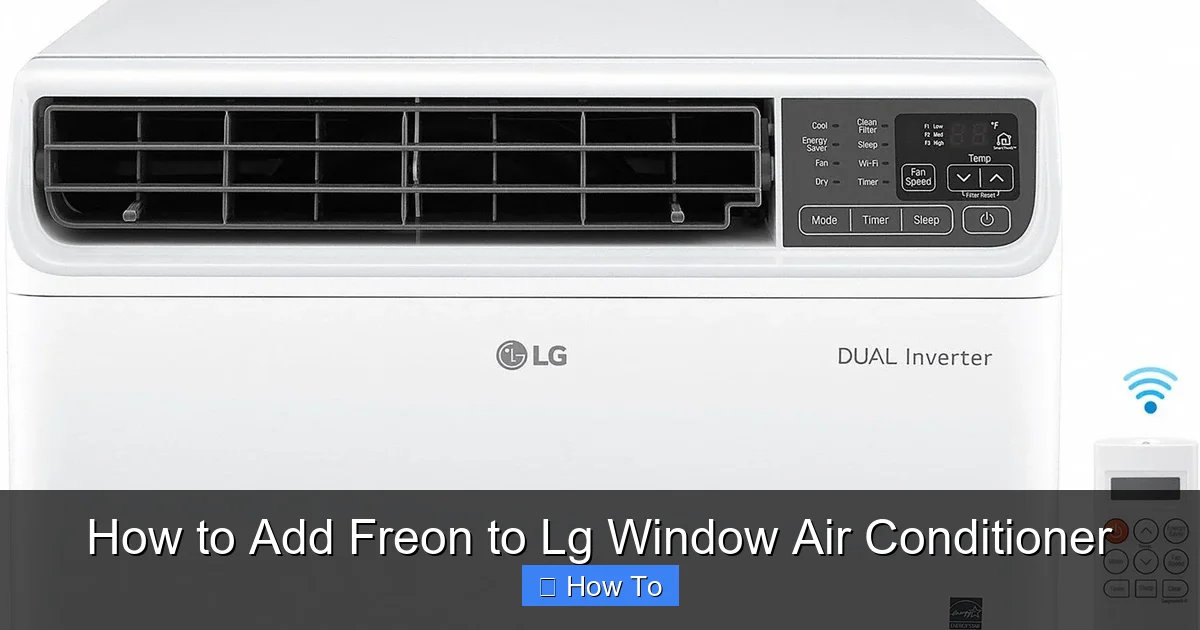
LG Dual Inverter Window Units
These energy-efficient models often have two filters: a washable mesh filter and a carbon filter. The mesh filter can be cleaned as described above, but the carbon filter should only be vacuumed—never washed. Replace the carbon filter every 6–12 months, depending on usage.
LG Art Cool Mirror Split Systems
The sleek front panel on these units may require extra care when opening. Use gentle pressure and avoid prying with sharp objects. The filter is usually located just behind the panel and slides out easily.
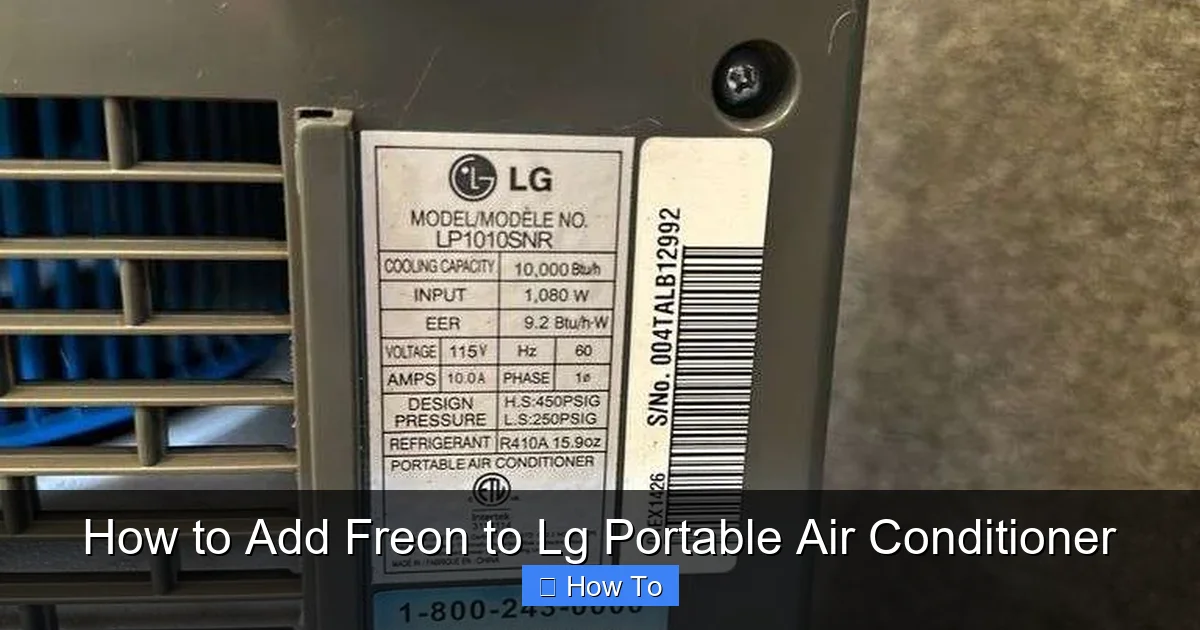
LG Portable Air Conditioners
Some portable models have a secondary filter behind the primary one. Check your manual to see if your unit has multiple filters. Also, ensure the exhaust hose is disconnected and the water tank is emptied before cleaning.
LG Smart Wi-Fi Enabled Units
If your AC connects to the LG ThinQ app, you may receive filter cleaning reminders. Use these alerts as a guide, but don’t rely on them exclusively—manual checks are still important.
Always refer to your specific model’s instructions for the most accurate guidance.
How Often Should You Clean Your LG AC Filter?
The frequency of filter cleaning depends on several factors, including usage, environment, and household conditions.
- High usage (summer/winter): Clean every 2–3 weeks.
- Moderate usage (spring/fall): Clean every 4–6 weeks.
- Low usage (vacation homes): Clean before and after each season.
If you have pets, live in a dusty area, or suffer from allergies, consider cleaning the filter every 1–2 weeks. Visible dust buildup is a clear sign it’s time for a wash.
Set calendar reminders or use the LG ThinQ app to stay on track. Consistent maintenance prevents performance issues and keeps your indoor air fresh.
Troubleshooting Common Filter Issues
Even with regular cleaning, you might encounter problems. Here’s how to handle the most common issues.
Filter Won’t Come Out
If the filter is stuck, don’t force it. Check for hidden latches or clips that may be holding it in place. Some models have a small tab that needs to be pressed before the filter releases. Consult your manual for model-specific instructions.
Filter Is Torn or Damaged
A damaged filter can’t trap particles effectively. If you notice holes, fraying, or warping, replace it immediately. LG filters are widely available online and at appliance stores. Match the model number exactly to ensure compatibility.
Airflow Is Still Weak After Cleaning
If airflow doesn’t improve after cleaning, the issue may not be the filter. Check for blocked vents, dirty evaporator coils, or refrigerant leaks. In such cases, contact an LG-certified technician for professional service.
Mold or Mildew Smell
A musty odor suggests mold growth, possibly due to a damp filter or clogged drain line. Clean the filter thoroughly and inspect the drain pan. Use a mixture of water and vinegar to disinfect affected areas. Consider installing a UV light kit for long-term mold prevention.
Filter Keeps Getting Dirty Fast
Frequent dirt buildup may indicate poor indoor air quality or a leak in the ductwork. Use an air purifier and check for gaps around windows and doors. Sealing leaks can reduce dust infiltration.
Maintaining Your LG Air Conditioner Beyond the Filter
While the filter is the most accessible component, other parts also need attention for optimal performance.
- Clean the exterior: Wipe down the unit with a damp cloth to remove dust and fingerprints.
- Check the coils: The evaporator and condenser coils can collect dirt over time. Use a coil cleaner spray for gentle cleaning.
- Inspect the drain line: A clogged drain can cause water leaks. Flush it with a mixture of water and vinegar every few months.
- Schedule professional maintenance: Have a technician inspect your unit annually to check refrigerant levels, electrical connections, and overall efficiency.
Combining regular DIY care with professional servicing ensures your LG air conditioner lasts for years.
Conclusion
Cleaning the filter of your LG air conditioner is a simple yet powerful way to boost performance, save energy, and improve indoor air quality. With the right tools, safety precautions, and a little know-how, anyone can do it. By following this guide, you’ll keep your AC running efficiently and your home comfortable—no matter the season.
Remember: consistency is key. Make filter cleaning a regular part of your home maintenance routine, and you’ll enjoy cooler air, lower bills, and peace of mind. Your LG air conditioner works hard for you—give it the care it deserves.