Cleaning the coils on your LG air conditioner is essential for maintaining cooling performance and energy efficiency. This guide walks you through a safe, effective process to remove dirt, dust, and debris from both indoor and outdoor coils.
Key Takeaways
- Regular coil cleaning improves efficiency: Dirty coils reduce airflow and force your AC to work harder, increasing energy bills.
- Turn off power before cleaning: Always shut off the unit at the breaker to prevent electrical shock or damage.
- Use the right tools: A soft brush, coil cleaner spray, and fin comb help clean without damaging delicate fins.
- Clean both indoor and outdoor coils: The evaporator (indoor) and condenser (outdoor) coils both need attention for optimal performance.
- Replace air filters monthly: Clean filters reduce strain on coils and improve overall system health.
- Schedule professional maintenance annually: Even with DIY cleaning, a technician can inspect refrigerant levels and electrical components.
- Avoid high-pressure water: Using pressure washers can bend fins and damage coils—gentle rinsing is best.
Why Cleaning Your LG Air Conditioner Coils Matters
Your LG air conditioner works hard to keep your home cool and comfortable, especially during hot summer months. But over time, the coils—both inside and outside the unit—collect dust, dirt, pet hair, and other debris. When these coils get clogged, your AC can’t transfer heat efficiently. This means it has to run longer to cool your space, which increases energy use, raises utility bills, and puts extra strain on the system.
In fact, dirty coils can reduce your AC’s efficiency by up to 30%, according to the U.S. Department of Energy. That’s like paying for a full tank of gas but only getting 70% of the mileage. Cleaning the coils regularly not only saves money but also extends the life of your LG air conditioner. It helps prevent breakdowns, reduces the risk of refrigerant leaks, and keeps your indoor air quality high.
LG air conditioners, like all HVAC systems, have two main sets of coils: the evaporator coils inside the indoor unit and the condenser coils in the outdoor unit. Both play critical roles in the cooling process. The evaporator coils absorb heat from indoor air, while the condenser coils release that heat outside. If either set is dirty, the entire system suffers.
This guide will show you exactly how to clean coils on LG air conditioner units—whether you have a window unit, a split system, or a central air conditioner. We’ll walk you through every step, from safety precautions to the best cleaning products, so you can do it safely and effectively. No special skills required—just a little time and the right tools.
What You’ll Need to Clean LG AC Coils
Visual guide about How to Clean Coils on Lg Air Conditioner
Image source: i.pinimg.com
Before you start, gather the right tools and supplies. Having everything ready will make the process faster and safer. Here’s a checklist of what you’ll need:
- Work gloves: Protect your hands from sharp edges and cleaning chemicals.
- Safety goggles: Prevent dust and debris from getting into your eyes.
- Soft-bristle brush or coil brush: Ideal for loosening dirt without damaging fins.
- Coil cleaner spray: Use a no-rinse, biodegradable cleaner designed for AC coils (e.g., Nu-Calgon, Frost King, or LG-recommended products).
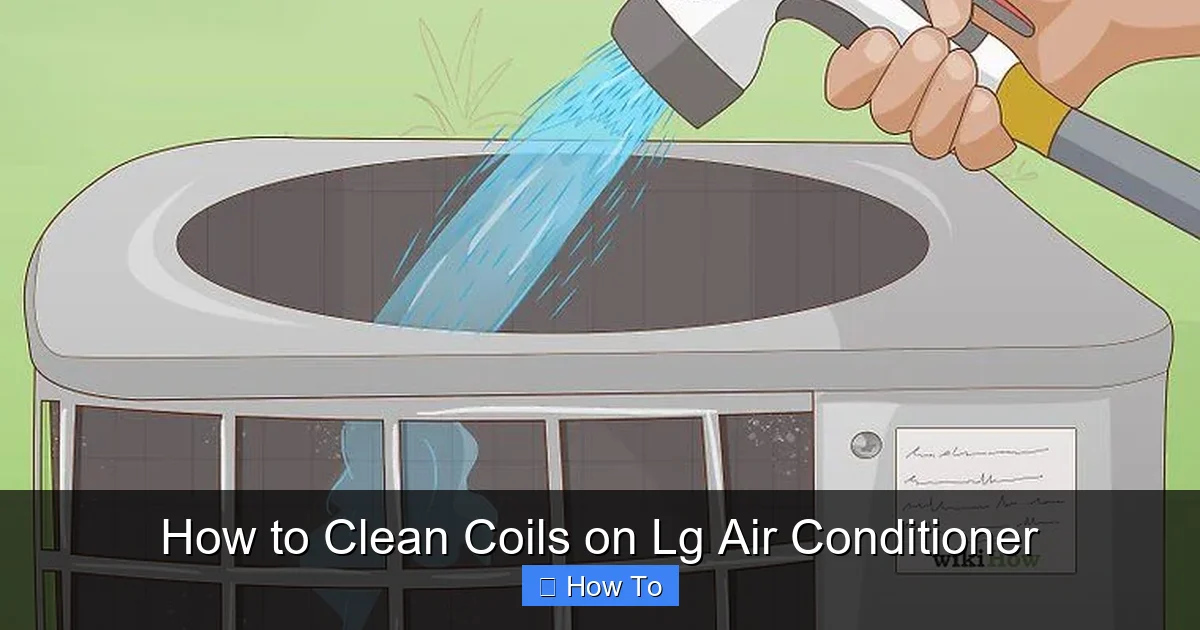
- Garden hose with spray nozzle: For rinsing outdoor coils—use low pressure only.
- Fin comb: Helps straighten bent fins and improves airflow.
- Vacuum cleaner with brush attachment: Great for removing loose debris from indoor coils.
- Screwdriver or Allen wrench: Needed to remove access panels on some LG models.
- Microfiber cloths: For wiping down surfaces and drying components.
- Replacement air filter: Install a fresh one after cleaning to keep coils cleaner longer.
Optional but helpful:
- Flashlight: Helps you see into tight spaces.
- Spray bottle with water: For misting coils before applying cleaner.
- Drop cloth or tarp: Protects your floor or outdoor area from water and cleaner runoff.
Avoid using harsh chemicals like bleach, ammonia, or abrasive cleaners. These can damage the aluminum fins or copper tubing inside the coils. Stick to cleaners specifically made for air conditioning systems.
Safety First: Preparing to Clean Your LG AC Coils
Cleaning AC coils involves working with electrical components and potentially sharp metal parts, so safety is crucial. Follow these steps before you begin:
Turn Off the Power
Never clean your air conditioner while it’s running or even plugged in. Start by turning off the unit at the thermostat. Then, go to your home’s electrical panel and switch off the breaker that controls the air conditioner. For central systems, this is usually a 240-volt double-pole breaker labeled “AC” or “Air Conditioner.” For window or portable units, unplug them from the wall outlet.
Wait at least 10–15 minutes after turning off the power before starting. This gives capacitors time to discharge, reducing the risk of electrical shock.
Protect Yourself
Put on your work gloves and safety goggles. The aluminum fins on AC coils are thin and can easily cut your skin. Dust and mold spores can also irritate your eyes and lungs, so eye protection is a must.
If you’re cleaning an outdoor unit, wear closed-toe shoes and avoid working in wet conditions. Slippery surfaces increase the risk of falls.
Clear the Area
Move any furniture, plants, or debris away from the indoor and outdoor units. For window units, make sure the window is secure and won’t slam shut during cleaning. For outdoor condensers, trim back any overgrown bushes or vines that block airflow.
Lay down a drop cloth or tarp under the outdoor unit to catch water and cleaner runoff. This protects your lawn or patio and makes cleanup easier.
Check the Weather
Avoid cleaning outdoor coils on rainy or extremely humid days. Moisture can interfere with the drying process and increase the risk of electrical issues when you turn the power back on.
Step-by-Step: Cleaning Indoor Evaporator Coils
The evaporator coils are located inside the indoor unit, usually behind the front panel or air handler. These coils absorb heat from indoor air, so they’re prone to collecting dust and mold. Here’s how to clean them safely:
Locate and Remove the Access Panel
On most LG split systems or central AC units, the evaporator coils are behind a front panel or service door. Use a screwdriver or Allen wrench to remove the screws holding the panel in place. Some models have latches instead of screws—check your owner’s manual if you’re unsure.
Carefully remove the panel and set it aside. Be gentle—some panels are attached with wires or sensors. If you see any connected wires, take a photo before disconnecting anything so you can reattach them correctly later.
Inspect the Coils
Use a flashlight to look at the coils. You’ll likely see a layer of dust, dirt, or even mold. If the coils look very dirty or have visible mold, consider wearing a dust mask to avoid inhaling spores.
Check the fins for bends or damage. Bent fins restrict airflow, so you may need to straighten them with a fin comb later.
Vacuum Loose Debris
Attach the brush attachment to your vacuum cleaner and gently vacuum the surface of the coils. Work from top to bottom, moving in the direction of the fins. Don’t press too hard—you don’t want to bend the delicate aluminum fins.
Focus on the front-facing side of the coils first. If your unit has a removable filter, take it out and clean or replace it now. A clean filter helps keep the coils cleaner between cleanings.
Apply Coil Cleaner
Shake the coil cleaner spray well. Hold the can about 6–8 inches away from the coils and spray evenly across the surface. Make sure to cover all areas, especially where dirt is thickest.
Most no-rinse cleaners are designed to foam up as they break down grime. Let the cleaner sit for 5–10 minutes, or as directed on the label. Don’t let it dry completely—this reduces effectiveness.
Rinse (If Required)
Some coil cleaners are no-rinse, meaning you don’t need to wash them off. Others require a light rinse. Check the product instructions.
If rinsing is needed, use a spray bottle with water or a gentle mist from a garden hose. Never use high-pressure water—it can bend fins or force moisture into electrical components.
Straighten Bent Fins
After cleaning, inspect the fins again. If any are bent, use a fin comb to gently straighten them. Fin combs are inexpensive tools available at hardware stores. Choose a comb that matches the fin spacing (usually 8–14 fins per inch).
Insert the comb into the fins and pull it through slowly. Work in small sections to avoid damaging multiple fins at once.
Reassemble the Unit
Once the coils are clean and dry, replace the access panel and secure it with screws or latches. Make sure all wires are reconnected if you disconnected any.
Step-by-Step: Cleaning Outdoor Condenser Coils
The condenser coils are in the outdoor unit and release heat from your home to the outside air. These coils are exposed to the elements, so they collect dirt, leaves, grass clippings, and even pollen. Here’s how to clean them:
Remove the Outer Grille or Cover
Most LG outdoor units have a protective grille or top cover. Use a screwdriver to remove any screws holding it in place. Lift the grille off carefully—some models have wires connected to the fan motor. If so, disconnect them gently and label them for reassembly.
Clear Debris Around the Unit
Before cleaning the coils, remove any large debris like leaves, twigs, or grass from around the unit. Use your hands or a soft brush to sweep them away.
Vacuum the Coils
Use the brush attachment on your vacuum to remove loose dirt and dust from the coil fins. Work from the outside in, following the direction of the fins.
Apply Coil Cleaner
Spray the coil cleaner evenly over the entire surface of the coils. Focus on areas with heavy buildup. Let the cleaner sit for 5–10 minutes to penetrate grime.
Rinse with Low-Pressure Water
Use a garden hose with a gentle spray nozzle to rinse the coils. Start from the inside and work outward to push dirt out, not deeper in. Keep the water pressure low—high pressure can damage the fins.
Avoid spraying directly at the fan motor or electrical connections. If your unit has a protective cover over the motor, leave it in place.
Straighten Bent Fins
After rinsing, check for bent fins and use a fin comb to straighten them. This improves airflow and efficiency.
Reassemble the Unit
Replace the grille or cover and secure it with screws. Reconnect any wires if you disconnected them.
Tips for Maintaining Clean Coils
Cleaning your coils once or twice a year is a great start, but regular maintenance keeps them in top shape. Here are some tips:
- Replace air filters monthly: Dirty filters force your AC to work harder and let more debris reach the coils.
- Keep the area around the outdoor unit clear: Trim plants and remove debris regularly.
- Schedule professional maintenance: Have a technician inspect your system annually, especially before summer.
- Use a coil protector spray: Some products create a protective barrier that repels dirt and extends cleaning intervals.
- Monitor performance: If your AC isn’t cooling well or runs constantly, it may be time to clean the coils.
Troubleshooting Common Issues
Even with proper cleaning, you might run into problems. Here’s how to handle common issues:
Coils Still Dirty After Cleaning?
If dirt remains, the cleaner may not have been strong enough. Try a heavy-duty coil cleaner or repeat the process. For mold or mildew, use a cleaner with antimicrobial properties.
Bent or Damaged Fins
Minor bends can be fixed with a fin comb. If fins are severely damaged, consider calling a professional—they may need to replace part of the coil.
Water Leaking Indoors
After cleaning, check the drain pan and condensate line. If water is leaking, the drain may be clogged. Use a wet/dry vacuum to clear it.
AC Not Cooling After Cleaning
Make sure the power is back on and the thermostat is set correctly. If the problem persists, there may be a refrigerant leak or electrical issue—call a technician.
Conclusion
Cleaning the coils on your LG air conditioner is a simple but powerful way to boost efficiency, save money, and extend the life of your unit. By following this step-by-step guide, you can safely and effectively clean both indoor and outdoor coils using the right tools and techniques.
Remember to turn off the power, use gentle cleaning methods, and replace your air filter regularly. With just a few hours of maintenance each year, you’ll enjoy cooler air, lower bills, and fewer repairs.
Your LG air conditioner works hard for you—give it the care it deserves.