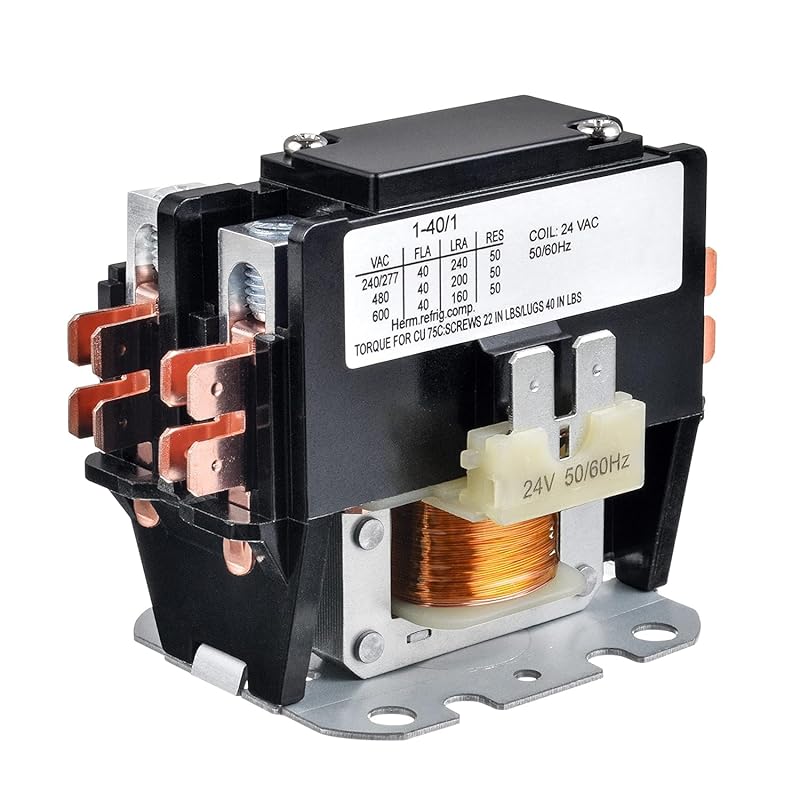
A 3 ton Carrier air conditioner typically costs between $3,000 and $6,500 installed, depending on model, features, and location. Known for top-tier reliability and energy efficiency, Carrier units often come with strong warranties and smart cooling technology—making them a smart long-term investment for homeowners.
Key Takeaways
- Price Range: A 3 ton Carrier AC unit costs $3,000–$6,500 fully installed, with basic models starting around $2,500 and high-efficiency systems up to $7,500.
- Installation Matters: Professional installation adds $500–$1,500 to the total cost and ensures optimal performance and warranty compliance.
- Energy Efficiency Saves Money: ENERGY STAR-rated Carrier units can reduce electricity bills by 20–30% compared to older models.
- Warranty Coverage: Most Carrier systems include a 10-year parts warranty and lifetime compressor warranty on select models.
- Sizing Is Critical: A correctly sized 3 ton unit prevents short-cycling, reduces wear, and maintains consistent comfort.
- Rebates & Incentives: Utility companies and government programs may offer rebates for upgrading to efficient Carrier systems.
- Long-Term Value: Though pricier upfront, Carrier’s durability and performance often justify the investment over time.
📑 Table of Contents
- How Much Is a 3 Ton Carrier Air Conditioner?
- Understanding What a “3 Ton” Air Conditioner Means
- Typical Price Range for a 3 Ton Carrier Air Conditioner
- What Factors Influence the Cost of a 3 Ton Carrier AC?
- Energy Efficiency and Long-Term Savings
- Warranty Protection and Reliability
- Financing and Rebate Options
- Tips for Getting the Best Deal on a 3 Ton Carrier AC
- Common Mistakes When Buying a 3 Ton Carrier Air Conditioner
- Conclusion: Is a 3 Ton Carrier Air Conditioner Worth the Investment?
How Much Is a 3 Ton Carrier Air Conditioner?
If you’re thinking about upgrading your home’s cooling system, you’ve probably heard the term “3 ton air conditioner” thrown around. But what does that actually mean? And more importantly—how much should you expect to pay for one from a trusted brand like Carrier?
Carrier has been a leader in HVAC (heating, ventilation, and air conditioning) technology since 1915. Known for innovation, durability, and energy efficiency, Carrier air conditioners are a top choice for homeowners who want reliable, long-lasting comfort. But when it comes to pricing, especially for a 3 ton unit, things can get confusing.
So let’s break it down. We’ll talk about what a “3 ton” means, the typical price range for a Carrier 3 ton AC, what factors affect cost, and how to get the best value for your money. Whether you’re replacing an old unit or building a new home, this guide will help you make an informed decision.
Understanding What a “3 Ton” Air Conditioner Means
Visual guide about How Much Is a 3 Ton Carrier Air Conditioner
Image source: m.media-amazon.com
Before we dive into pricing, it’s important to understand what “3 ton” really refers to.
In HVAC terms, a “ton” is a measure of cooling capacity. One ton equals 12,000 British Thermal Units (BTUs) per hour. So a 3 ton air conditioner can remove 36,000 BTUs of heat every hour. That’s enough to cool a medium to large-sized home—typically between 2,000 and 3,000 square feet, depending on ceiling height, insulation, window quality, and climate.
For example, if you live in Phoenix and have large windows facing east, your home might need closer to 3 tons to stay cool during peak summer. But in a well-insulated house in Seattle, 2 tons might be sufficient. That’s why a proper load calculation (also called a Manual J calculation) is essential before buying.
Carrier makes several lines of 3 ton units—from budget-friendly options like the Comfort™ series to premium models like the Performance™ and Infinity™ lines. Each comes with different features, efficiency ratings, and price points.
Typical Price Range for a 3 Ton Carrier Air Conditioner
Visual guide about How Much Is a 3 Ton Carrier Air Conditioner
Image source: tyojyu.or.jp
Now, let’s talk numbers.
On average, a 3 ton Carrier air conditioner will cost between $3,000 and $6,500 fully installed. This includes the unit itself and professional installation. Prices can go higher or lower depending on where you live, the complexity of the job, and which model you choose.
Here’s a rough breakdown:
– **Entry-Level Models (Comfort Series):** $2,500–$3,200 installed
These are reliable, no-frills units perfect for basic cooling needs. They’re not as energy-efficient as higher-end models but get the job done.
– **Mid-Range Models (Performance Series):** $3,800–$4,800 installed
These offer better efficiency, quieter operation, and improved airflow. Ideal for most homeowners seeking a balance of cost and performance.
– **High-End Models (Infinity Series):** $5,500–$7,500+ installed
Top-of-the-line Carrier units with variable-speed compressors, smart thermostats, Wi-Fi control, and superior noise reduction. These are built for maximum comfort and energy savings.
Keep in mind: these prices are nationwide averages. In hot climates like Texas or Arizona, demand and labor costs can push prices higher. In contrast, cooler regions may see slightly lower installation fees.
What Factors Influence the Cost of a 3 Ton Carrier AC?
Several variables affect how much you’ll ultimately pay. Let’s explore the main ones.
1. Unit Type: Split System vs. Packaged Unit
Most residential Carrier ACs are split systems, meaning the condenser (outdoor unit) and evaporator coil (indoor unit) are separate. This is standard for homes with basements or crawl spaces.
However, in some cases—especially in warmer climates or mobile homes—you might use a packaged unit. These sit entirely outdoors and are more compact but can be louder and less efficient.
Split systems are more common and usually more expensive to install due to ductwork requirements.
2. Installation Complexity
The harder the installation, the higher the price. If your home already has ducts, it’s easier and cheaper. But if you need new ductwork, refrigerant lines, or electrical upgrades, expect to pay $500–$1,500 extra.
Other factors include:
– Distance between indoor and outdoor units
– Need for new breaker panel or wiring
– Permits required by local code
Always hire a licensed HVAC contractor. DIY installations void warranties and can lead to poor performance or safety hazards.
3. Refrigerant and Refrigeration Line Charges
Carrier units use R-410A refrigerant, which is safe and efficient. But if your home’s lines are old or damaged, they may need replacement or recharging. This adds $100–$300 to the bill.
Newer models might also require special handling due to stricter environmental regulations.
4. Thermostat and Smart Features
Many modern Carrier systems work with smart thermostats like the Carrier Cor thermostat or integration with Google Nest or Apple HomeKit. Adding a smart thermostat can add $150–$400, but it improves energy tracking and remote control.
Some Infinity models even include built-in Wi-Fi and app-based diagnostics.
5. Labor Costs by Region
HVAC labor varies widely by state and city. For example:
– California and New York tend to have higher labor rates
– Rural areas may charge less but take longer to schedule
– Urban centers often have faster turnaround but higher fees
Get at least three quotes from certified Carrier dealers to compare apples to apples.
Energy Efficiency and Long-Term Savings
You might be wondering: is a more expensive Carrier worth it? The answer often depends on energy efficiency.
Carrier’s SEER (Seasonal Energy Efficiency Ratio) ratings range from 14 SEER (entry-level) to 26 SEER (top-tier Infinity models). Higher SEER = more cooling per watt = lower electric bills.
For example:
– A 14 SEER unit uses about 1,800 watts per hour
– A 20 SEER unit uses about 1,260 watts per hour
Over a summer, that’s a difference of hundreds of dollars in utility costs.
Let’s do a quick math example:
Assume your old 3 ton AC runs 1,200 hours per year and costs $0.15 per kWh.
– Old unit (14 SEER): Uses ~3,000 kWh/year → $450/year
– New Carrier (20 SEER): Uses ~2,100 kWh/year → $315/year
That’s a $135 annual saving—or over $1,300 in 10 years.
Plus, Carrier units are built to last. Many components are made with corrosion-resistant materials, and the compressors are tested rigorously.
Warranty Protection and Reliability
One reason Carrier commands a higher price is its strong warranty coverage.
Most Carrier air conditioners come with:
– 10-year parts warranty (with registration)
– Lifetime compressor warranty on select models (like the Infinity)
This means if something breaks after 10 years, Carrier covers most repairs. That’s rare in the HVAC industry.
Compare that to some budget brands that offer only 5 years on parts and no compressor coverage. Over time, those “cheaper” units can become expensive to maintain.
Also, Carrier’s reputation for reliability means fewer emergency service calls. You spend less on maintenance and downtime.
Financing and Rebate Options
Even though Carrier 3 ton units are an investment, there are ways to reduce the upfront cost.
1. Manufacturer Rebates
Carrier often runs promotions through its dealer network. These can include instant rebates of $100–$300 off certain models. Check with your local dealer for current offers.
2. Utility Company Rebates
Many electric utilities offer rebates for upgrading to high-efficiency HVAC systems. These can cover 10–30% of the cost.
For example, Southern California Edison gives up to $500 for qualifying Carrier units. PG&E offers similar programs.
Visit your utility’s website or call their customer service to find out what’s available in your area.
3. Government and Tax Credits
While the federal tax credit for residential energy-efficient equipment expired in 2020, some states still offer incentives. For example, California has the Single Family Affordable Homes Program (SFAHP), which helps low-income households upgrade HVAC systems.
Check the Database of State Incentives for Renewables & Efficiency (DSIRE) for up-to-date info.
4. Financing Plans
Many Carrier dealers partner with third-party lenders to offer 0% interest financing. These plans often require good credit but let you spread payments over 24–60 months.
Ask your contractor about available options at the time of purchase.
Tips for Getting the Best Deal on a 3 Ton Carrier AC
Shopping for a new air conditioner can feel overwhelming. Here are some practical tips to save money without sacrificing quality.
Get Multiple Quotes
Don’t settle for the first estimate. Call at least three licensed HVAC contractors. Make sure they’re authorized Carrier dealers—this ensures warranty validity and access to genuine parts.
Bypass Sales Pressure
Dealers may push add-ons like extended warranties or UV lights. While some extras are useful, others are unnecessary. Stick to what you need: a properly sized, efficiently rated unit.
Consider Off-Peak Installation
Scheduling installation in spring or fall can sometimes result in discounts. Contractors are less busy, and you avoid the summer rush.
Insulate and Seal Ducts First
If your ducts are leaking or poorly insulated, even the best AC won’t perform well. Fixing ducts before installation can reduce the size of the unit needed—and your bill.
Upgrade Your Thermostat
Pair your new Carrier with a smart thermostat. It learns your habits, adjusts temperatures automatically, and can cut cooling costs by 10–15%.
Check for Recycling Fees
Old units must be recycled. Some contractors charge $75–$150 for disposal. Ask upfront so it doesn’t sneak into your final quote.
Read Reviews and Certifications
Look for ENERGY STAR certification and third-party ratings from AHRI (Air Conditioning, Heating, and Refrigeration Institute). These guarantee real-world performance data.
Common Mistakes When Buying a 3 Ton Carrier Air Conditioner
Even experienced homeowners make costly errors. Avoid these pitfalls.
Mistake 1: Guessing the Size
Buying a 3 ton unit because “that’s what the old one was” can lead to inefficiency. Undersized units run constantly; oversized ones short-cycle and waste energy. Always get a Manual J load calculation.
Mistake 2: Skipping the Dehumidifier
In humid climates, AC removes moisture too. But if your unit is undersized, humidity stays high. Consider a dehumidifier or a model with enhanced humidity control.
Mistake 3: Ignoring Indoor Air Quality
Air conditioners circulate air. Without filters or UV lights, pollutants can spread. Add a high-MERV filter or germicidal UV lamp to improve health and efficiency.
Mistake 4: Choosing Lowest Price Over Quality
Cheap units may seem appealing, but they often break down, consume more energy, and lack warranty support. Carrier’s higher upfront cost pays off in longevity.
Mistake 5: Not Maintaining the Unit
Even the best AC needs yearly maintenance. Replace filters every 90 days, clean coils, and schedule professional tune-ups. Neglecting maintenance cuts lifespan by 30%.
Conclusion: Is a 3 Ton Carrier Air Conditioner Worth the Investment?
So, how much is a 3 ton Carrier air conditioner? On average, expect to pay between $3,000 and $6,500 fully installed. While that may sound steep, consider what you’re getting: proven reliability, top-tier efficiency, strong warranties, and smart technology.
Carrier isn’t the cheapest brand out there—but it’s one of the most trusted. For homeowners who value peace of mind, consistent comfort, and lower energy bills, Carrier delivers real value.
Yes, you could find a 3 ton AC from another brand for less. But ask yourself: How long will it last? Will it keep my family comfortable during triple-digit summers? Can I afford frequent repairs?
With proper sizing, professional installation, and regular maintenance, a Carrier 3 ton unit can last 15–20 years. That’s decades of dependable cooling.
And remember: the right HVAC system isn’t just about temperature. It’s about health, safety, energy independence, and even property value. A high-quality system like Carrier’s enhances every aspect of your home life.
Take the time to research, compare quotes, and invest in a system that fits your home—not just your budget. Because when it comes to cooling your home, you really do get what you pay for.
Frequently Asked Questions
Is a 3 ton air conditioner too big for my home?
A 3 ton unit is suitable for homes between 2,000 and 3,000 square feet, depending on insulation and climate. An oversized unit can short-cycle, increasing wear and humidity. Always get a Manual J load calculation to confirm size.
Can I install a Carrier air conditioner myself?
No. HVAC systems involve refrigerants, high-voltage wiring, and sealed connections. DIY installation voids warranties, risks leaks, and can cause safety hazards. Always hire a licensed Carrier contractor.
Do Carrier air conditioners qualify for energy rebates?
Yes. Many utility companies offer rebates for ENERGY STAR-rated Carrier units. Visit your local utility’s website or ask your dealer about available incentives.
How long does a Carrier air conditioner last?
With proper maintenance, a Carrier AC can last 15–20 years. High-efficiency models with variable-speed compressors often exceed this due to reduced wear.
Should I replace my old AC before installing a new one?
Yes. Old units should be removed and recycled. Some contractors charge disposal fees, so factor this into your total cost. Removing the old unit ensures your new system works efficiently.
Are Carrier air conditioners noisy?
Modern Carrier models are designed for quiet operation. The Infinity series uses sound-dampening technology and variable-speed fans to minimize noise—often under 65 decibels.