Honda AC Compressors: The Complete Guide
When it comes to keeping your Honda’s air conditioning system running smoothly, the AC compressor plays a crucial role. If you are in Austin, Texas, looking for genuine OEM Honda AC compressors, you can find a wide range of options to choose from. However, choosing the right AC compressor for your Honda can be a daunting task, especially with various prices and types available. This comprehensive guide will provide you with all the information you need to make an informed decision when purchasing a new Honda AC compressor.
Types of Honda AC Compressors
Before diving into the specifics, it's important to understand the different types of AC compressors available for your Honda:
AC Compressor Type Price Range
Honda Compressor A/C $129.99 – $517.13
Compressor Assembly A/C $1,016.39 – $1,540.00
These are just a few options available, and the price range may vary based on the model and specifications of your Honda. For more on this, see our guide on can you add heads to a mini split.
Expanded Compressor Type Details
Modern Honda vehicles typically use either fixed-displacement or variable-displacement compressors. Fixed-displacement units cycle on and off to maintain pressure, while variable-displacement compressors adjust output continuously for better fuel efficiency and smoother cabin temperature control. Hybrid and electric Honda models often employ an electrically driven scroll compressor that operates independently of the engine. When selecting a replacement, verify the compressor type specified for your exact model year and engine configuration — using the wrong type can cause poor performance or damage to the climate control system.
How Long Do Honda AC Compressors Last?
On average, Honda AC compressors can last anywhere between 8 to 12 years with proper maintenance and care. Regular servicing, including checking refrigerant levels and addressing any unusual sounds or fluid leaks, can help prolong the lifespan of your AC compressor. For more on this, see our guide on can you pour hot water on frozen ac.
Maintenance Practices That Extend Compressor Life
In practice, the single biggest factor in compressor longevity is keeping the refrigerant charge at the correct level and ensuring the system is free of moisture. A low charge forces the compressor to work harder and overheat, while moisture forms acids that eat away at internal seals. Schedule a professional seasonal air conditioning maintenance check each spring: have the system pressure-tested, the cabin filter replaced, and the condenser cleaned of debris. Also, run the AC for at least ten minutes once a month during winter to circulate oil and keep seals supple.
Common Signs of a Failing AC Compressor
It's essential to be aware of the signs that your Honda's AC compressor might be failing. Here are some common symptoms to look out for:
- Odd sounds when turning on the air conditioner
- Hot air instead of cold air coming through the vents
- Fluid leaks near the AC system
- Stuck clutch when engaging the AC
Quick Diagnostic Steps Before Replacement
If you notice any of these symptoms, don’t assume the compressor is toast. First, check the cabin air filter — a clogged filter can mimic low airflow. Next, verify the compressor clutch engages when the AC is turned on (you should hear a distinct click). If the clutch cycles rapidly, the system may be low on refrigerant. For a deeper dive into diagnosing warm-air issues, see our guide on how to troubleshoot AC blowing warm air. A simple pressure gauge set can confirm whether the problem is low charge, a faulty pressure switch, or an actual compressor failure. For more on this, see our guide on can you rebuild an ac compressor.
Choosing the Right Honda AC Compressor
When considering a replacement for your Honda's AC compressor, it's important to opt for genuine OEM parts to ensure compatibility and performance. Several reputable suppliers offer a variety of AC compressors suitable for different Honda models. Whether you own a Civic, Accord, or any other Honda vehicle, you can find the perfect AC compressor for your specific make and model.
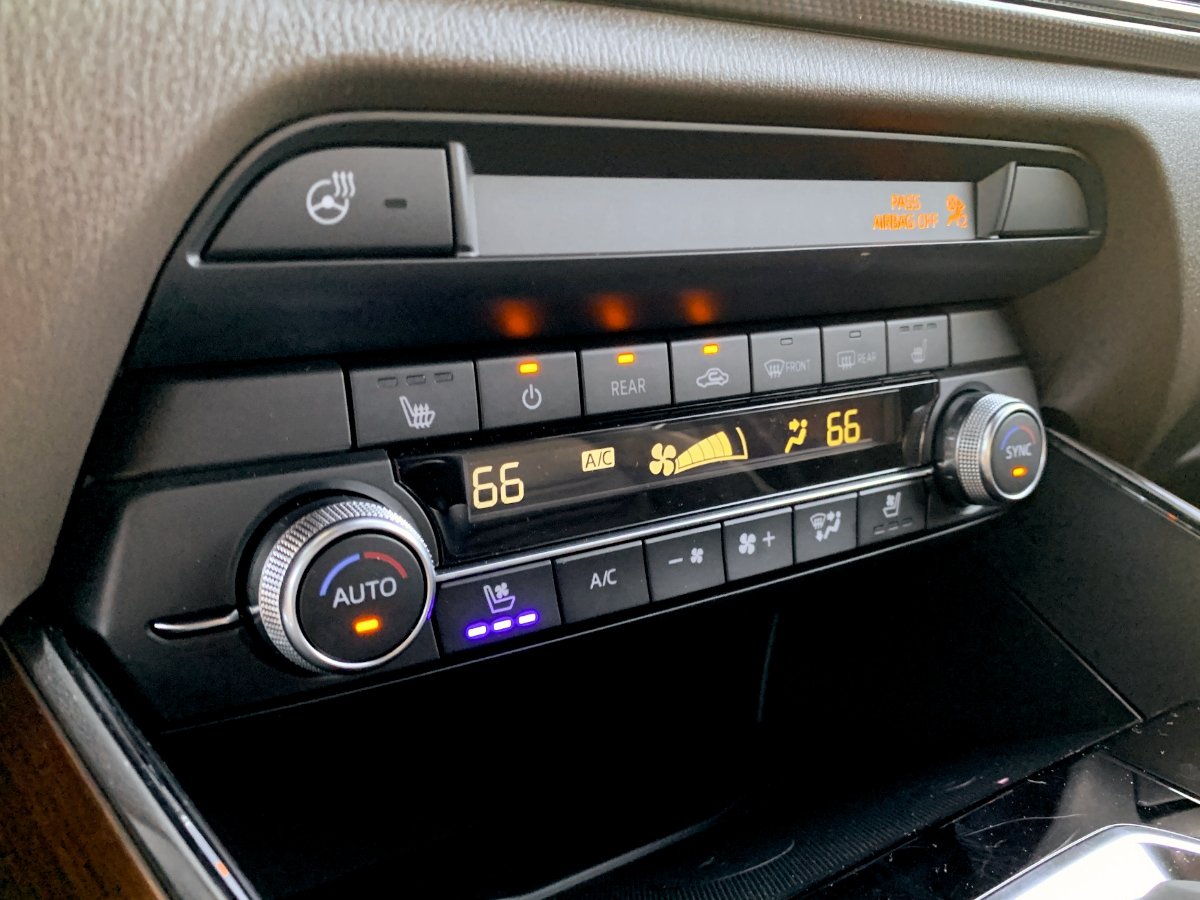
Illustration of a typical vehicle climate control panel — not a Honda-specific compressor.
OEM vs. Aftermarket: What to Weigh
Genuine OEM compressors (usually built by DENSO) are engineered to match the exact displacement, mounting points, and electrical connectors for your VIN. Quality aftermarket units from brands like UAC, Four Seasons, or GPD can be 20–30 % cheaper and often carry a limited lifetime warranty, but fitment tolerances vary. In practice, a common mistake is buying a “universal” compressor listed for multiple models — these frequently require adapter brackets or different manifold fittings. If you plan to keep the vehicle long-term, the OEM route pays off in reliability; for a shorter ownership horizon, a reputable aftermarket unit with a solid warranty is a reasonable compromise. For more on this, see our guide on can you release freon into the air.
Pricing and Reimbursement
The cost of replacing a Honda AC compressor can vary based on the type and model of your vehicle. It's recommended to obtain quotes from multiple sources and compare the prices before making a decision.
If you’re dealing with a defective AC compressor under warranty, it's crucial to explore the possibility of reimbursement or coverage for the replacement. Always consult with a certified Honda technician or dealership for guidance on warranty-related concerns. For more on this, see our guide on can you turn on ac without thermostat.
Parts vs. Labor Cost Breakdown (2026 Estimates)
| Item | Typical Range |
|---|---|
| OEM compressor (part only) | $350 – $950 |
| Aftermarket compressor (part only) | $180 – $500 |
| Refrigerant (R-134a or R-1234yf) | $80 – $200 |
| Receiver/drier or accumulator (recommended) | $40 – $120 |
| Labor (2.5 – 4.5 hrs @ $130–$180/hr) | $325 – $810 |
| Total (professional install) | $875 – $2,080 |
Prices reflect 2026 national averages; dealer labor rates tend to be at the high end. Always confirm whether the quote includes refrigerant recovery, evacuation, recharge, and a new receiver/drier — skipping the drier to save money often leads to repeat failures.
https://www.youtube.com/watch?v=woLy2kKk24M
Where to Find Honda AC Compressors
Whether you prefer online shopping or visiting a physical store, there are numerous reputable sources to find genuine Honda AC compressors. Some of the popular platforms include:
- Amazon
- eBay
- AutoZone
- Honda Parts Now
These platforms offer a wide selection of Honda AC compressors, giving you the flexibility to choose the best option for your vehicle.
Verifying Authenticity When Buying Online
Counterfeit compressors are a real problem on open marketplaces. Look for sellers who are authorized Honda parts distributors or have a “DENSO Authorized” badge. Check the part number against the Honda eStore or a VIN decoder before ordering. When the box arrives, verify the DENSO hologram stamping and that the casting marks match OEM photos. If the price is dramatically below every other source, it’s almost certainly a knockoff.
Refrigerant Types and Compatibility
Honda transitioned from R‑134a to the lower-GWP refrigerant R‑1234yf starting with the 2018 Accord and 2019 Civic; most 2020+ models use yf. The two refrigerants are not interchangeable — systems designed for yf have different service ports, compressor oil (POE vs. PAG), and leak-detection requirements. Using the wrong refrigerant voids warranties and can destroy the compressor. If your vehicle originally came with R‑134a, you can retrofit to yf, but it requires a full flush, new O‑rings, a compatible compressor, and an EPA-certified technician. For the latest details on refrigerant regulations, review the EPA’s Section 608 guidelines and our overview of air conditioning innovations shaping future standards.
Installation Considerations: Professional vs. DIY
Replacing an AC compressor is not a beginner DIY job. It requires:
- EPA Section 608 certification to handle refrigerant legally
- A recovery/recycle/recharge machine (approx. $3,500+)
- Vacuum pump and manifold gauge set
- Torque wrench for critical fasteners (e.g., compressor mounting bolts ~33 N·m)
- Proper PAG/POE oil balancing — too much oil reduces cooling; too little causes seizure
If you lack this equipment, the money saved on labor is usually lost in tool rental and risk of contaminating the system. A professional shop will also warranty the work. For a related perspective on system evacuation and charging procedures, see our AC condenser troubleshooting resource.
Warranty Coverage for Honda AC Compressors
New Honda vehicles carry a 3-year/36,000-mile bumper-to-bumper warranty and a 5-year/60,000-mile powertrain warranty that includes the AC compressor. Many dealers also offer extended “Honda Care” plans covering the compressor up to 8 years/120,000 miles. If a compressor fails within the warranty period, the repair — including refrigerant — should be free at any authorized dealer. Keep all service records; aftermarket modifications (e.g., non‑Honda refrigerant dyes) can give the dealer grounds to deny a claim.
Frequently Asked Questions For Honda Ac Compressors : Everything You Need To Know
How Much Does It Cost To Replace Honda Ac Compressor?
The cost to replace a Honda AC compressor can vary depending on the model and where you get it serviced. On average, the cost ranges from $362. 41 to $1016. 39. You can find genuine OEM parts on websites like hondacarpartsdirect. com or platforms like Amazon. com and eBay. It is recommended to consult a professional mechanic for an accurate estimate.
How Long Do Honda Ac Compressors Last?
Honda AC compressors typically last around 7-10 years with proper maintenance and care.
How Do I Know If My Honda Ac Compressor Is Bad?
Signs of a bad Honda AC compressor include odd sounds, hot air, fluid leaks, and a stuck clutch.
Who Makes Honda Compressors?
Honda compressors are made by DENSO, one of the largest OE suppliers of A/C compressors worldwide. DENSO units are specified by most major vehicle manufacturers, including Honda. They are known for their high-quality and reliable performance.
Can I Replace Just the Compressor Clutch Instead of the Whole Unit?
On some older models (pre‑2010) the clutch coil and pulley are serviceable separately. On most 2010+ Hondas the clutch is not sold separately by Honda; the entire compressor assembly must be replaced. Aftermarket clutch kits exist but often fail to match OEM air-gap specs, leading to premature wear.
What Oil Type Does My Honda Compressor Need?
R‑134a systems use PAG 46 or PAG 100 (check the under-hood label). R‑1234yf systems require POE (polyol ester) oil — typically ND‑11 or equivalent. Never mix oil types; cross‑contamination causes sludge that kills the compressor.
Is It Worth Replacing the Compressor on a High-Mileage Honda?
If the rest of the car is solid, yes — a new compressor plus drier and flush typically costs less than one month’s payment on a replacement vehicle. However, if the condenser, evaporator, or lines also show corrosion, a full system overhaul may approach the car’s value.
Conclusion
When it comes to maintaining your Honda's air conditioning system, having a reliable and efficient AC compressor is essential. By understanding the different types of AC compressors, recognizing the signs of a failing compressor, and knowing where to find genuine replacements, you can ensure that your Honda stays cool and comfortable, especially during the hot Texas summers.
Remember to prioritize quality and compatibility when selecting a replacement AC compressor for your Honda, as it can significantly impact the overall performance of your vehicle's air conditioning system.
Ready to restore your Honda’s cooling? Get a detailed quote from a certified Honda technician today.

Chart comparing common automotive refrigerants — verify your vehicle’s specification before servicing.
Additional Resources
For further information on Honda AC compressors and related topics, you can refer to the following resources:
- RepairPal
- DENSO Auto Parts
- AutoZone