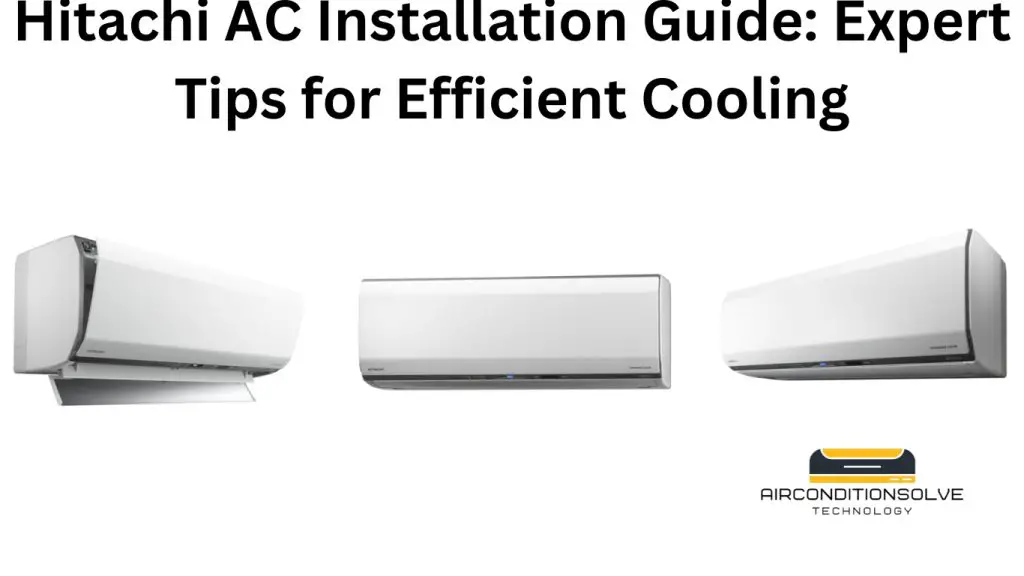
To obtain an AC installation permit, home owners must follow the correct procedures and regulations set by their local government. This guide provides the necessary information for home owners on acquiring an AC installation permit and highlights the importance of obtaining one before starting the installation process.
Understanding The Role Of Permits In Boosting Efficiency And Cutting Costs
Understanding the Role of Permits in Boosting Efficiency and Cutting Costs
Benefits Of Obtaining Proper Permits For Ac Installation
When it comes to installing a new air conditioning system in your home, obtaining the necessary permits might seem like a hassle. However, the benefits of obtaining proper permits for AC installation cannot be ignored. Not only do permits ensure compliance with safety regulations, but they also have a significant impact on energy efficiency and cost savings. Let’s explore the advantages in more detail: For additional tips on lowering your AC expenses, check out our guide on reducing air conditioning costs during summer.
- Compliance with safety regulations: Proper permits guarantee that your AC installation adheres to local safety codes and regulations. This ensures that your equipment and system are installed correctly, reducing the risk of electrical faults, fire hazards, or other safety issues. By obtaining permits, you prioritize the safety of your family and home.
- Peace of mind: Having the proper permits in place offers peace of mind. You can rest easy knowing that professionals have reviewed and approved your AC installation plans. This not only protects you from potential liability in case of any accidents or damages but also ensures that your system is compliant with industry standards.
- Quality assurance: The process of obtaining permits involves inspections by trained professionals who can verify that the installation is up to standard. Their expertise and oversight help ensure that your new AC system is installed correctly and functions properly, maximizing its efficiency and lifespan.
- Warranty protection: Some manufacturers require proof of proper permitting and installation to honor warranty claims. By obtaining permits and having a professional installation, you ensure that your equipment is installed correctly, providing you with warranty protection in case of any issues.
How Permits Ensure Compliance With Safety Regulations
One of the key roles of permits in AC installation is to ensure compliance with safety regulations. Obtaining permits means that your installation plans will be reviewed by local authorities who are well-versed in safety codes and regulations. They will ensure that the installation meets all necessary standards, such as proper electrical connections, good ventilation, and appropriate equipment placement.
The process typically involves inspections at different stages of the installation, from wiring to final unit placement. These inspections aim to catch any potential safety issues early on, preventing accidents, electrical faults, or fire hazards. By adhering to safety regulations through the permit process, you are taking proactive measures to protect your home and loved ones.
The Impact Of Permits On Energy Efficiency And Cost Savings
Permits also play a crucial role in achieving energy efficiency and cost savings when it comes to your AC installation. Here’s how:
- Proper sizing and installation: AC permits require accurate calculations and documentation of the cooling capacity needed for your specific home. This ensures that your system is appropriately sized, avoiding over or under-sizing issues. An accurately sized system operates much more efficiently, cooling your home effectively while consuming less energy.
- Improved system performance: By obtaining permits, you ensure that the installation is performed by qualified professionals who follow industry best practices. This results in a well-installed system with optimized airflow, correct refrigerant levels, and minimal air leakage. Improved system performance translates to lower energy consumption and reduced operating costs.
- Maximized lifespan: Proper permitting and professional installation help extend the lifespan of your AC system. By having the necessary permits, you minimize the risk of improper installation, which can lead to premature system failures and costly repairs. With a longer lifespan, you can enjoy the benefits of your AC system for many years while saving money on replacement costs.
In conclusion, proper permits for AC installation not only ensure compliance with safety regulations but also have a significant impact on energy efficiency and cost savings. By taking the time to obtain the necessary permits and have your AC system installed correctly, you are prioritizing the safety of your home, enjoying peace of mind, and maximizing the long-term value of your investment.
Researching Local Permit Requirements For Ac Installation
When planning to install a new air conditioning (AC) system in your home, it’s essential to understand and comply with the local permit requirements. Failing to do so could lead to fines, delays, or even the need to redo the installation. Therefore, it’s crucial to conduct thorough research into the specific permit requirements in your area. In this section, we will explore the importance of researching these requirements, understand how local building codes and permit application processes work, and find relevant resources to contact local authorities for guidance. You may also want to learn how to choose the right air conditioner for your home.
Importance Of Researching Specific Permit Requirements In Your Area
Researching the specific permit requirements in your local area is crucial for a smooth AC installation process. Each municipality or jurisdiction may have unique regulations and guidelines regarding HVAC installations, including AC units. By understanding these requirements in advance, you can ensure that your installation complies with all necessary codes and regulations. This not only helps you avoid potential fines or penalties but also ensures the safety and efficiency of your AC system.
Local Building Codes And Permit Application Processes
Local building codes dictate the standards and specifications that AC installations must adhere to. These codes, established by local authorities, cover aspects such as electrical requirements, ventilation, placement, and more. To obtain a permit for your AC installation, you need to carefully follow the permit application process outlined by your local building department. This process usually involves submitting detailed plans, completing application forms, and paying the required fees. Adhering to these procedures helps ensure that your AC installation is up to code and meets all safety and quality standards.
Finding Relevant Resources And Contacting Local Authorities
When researching local permit requirements for AC installation, it’s essential to find relevant resources and contact the correct local authorities. Start by visiting the official website of your municipality or county to access any available information on permit requirements for HVAC installations. Look for sections related to building permits or construction regulations. Additionally, you can reach out to local authorities such as the building department or code enforcement office for further assistance. Contacting these authorities allows you to clarify any doubts, seek guidance, and ensure that you have the accurate and up-to-date information needed for a successful AC installation permit application.
In conclusion, researching local permit requirements for AC installation is of utmost importance to ensure a smooth and compliant process. By understanding the specific regulations in your area, following local building codes, and contacting the relevant authorities, you can ensure a successful AC installation that meets safety and quality standards.
Gathering Required Documentation For Permit Application
When it comes to installing a new air conditioning (AC) system in your home, obtaining the necessary permits is a crucial step in ensuring that the installation meets local building codes and regulations. A permit application typically requires a variety of documentation to demonstrate that the installation is safe and compliant. By properly organizing and preparing the required documentation, you can streamline the permit application process and avoid delays or complications. Learn about signs that indicate your AC might be inefficient.
Necessary Documents To Include In Your Permit Application:
- Contractor Information: Start by including all relevant information about the HVAC contractor responsible for the installation. This typically includes the contractor’s name, address, license number, and contact details. Make sure to verify that the contractor is properly licensed and insured.
- Equipment Specifications: Provide detailed specifications for the AC system you plan to install. This may include information such as the make, model, size, and energy efficiency rating of the unit. If you’re uncertain about the specific requirements, consult with your contractor or local building department.
- Load Calculation: A load calculation determines the appropriate size of the AC system based on factors like square footage, insulation levels, and windows. Include the load calculation report, as it demonstrates that the system will adequately cool your home without undue strain.
- Site Plan: Depending on local regulations, you may need to submit a site plan showing the location of the AC system on your property. This plan should indicate distances from property lines and neighboring structures to ensure compliance with zoning requirements.
- Manufacture Installation Instructions: Include the manufacturer’s installation instructions for the AC system. These instructions outline the correct installation procedures and provide important safety guidelines. Keep in mind that the installation must align with these instructions.
- Electrical and Plumbing Plans: If the AC installation involves any modifications to the electrical or plumbing systems, you’ll likely need to provide detailed plans. These plans should illustrate the changes and demonstrate compliance with applicable codes and regulations.
- Proof of Inspections and Certifications: In some cases, you may need to provide proof that required inspections and certifications have been completed, such as electrical or plumbing inspections. It’s important to coordinate with your contractor to ensure these inspections are scheduled and completed as necessary.
- Other Documentation: Depending on local codes and the specifics of your installation, there may be additional documents required. This could include permits for related work, such as structural modifications or electrical upgrades. Check with your local building department to determine if any additional documentation is needed for your permit application.
Inspections And Certifications Necessary For Ac Installation Permits:
Before obtaining your AC installation permit, certain inspections and certifications must be completed. Ensure that the following components are thoroughly inspected:
- Electrical Systems: A licensed electrician should inspect the electrical components associated with the AC installation. This ensures that wiring is safe, properly connected, and meets all necessary codes and requirements.
- Plumbing Systems: If the installation involves modifications to the plumbing system, a licensed plumber should inspect the work. This ensures that pipes, drains, and connections are installed correctly, free from leaks, and comply with plumbing codes.
- Refrigerant Handling Certification: Handling refrigerant requires specific knowledge and certification due to its potential environmental impact. HVAC contractors must hold the appropriate certifications, ensuring that they properly handle, recover, and dispose of refrigerant during the installation process.
Tips For Organizing And Preparing Documentation:
To ensure a smooth permit application process, consider these tips for organizing and preparing your documentation:
- Start Early: Begin gathering the necessary documentation well in advance to avoid any last-minute rush. This will give you ample time to address any missing or incomplete documents.
- Create a Checklist: Create a checklist that outlines all the required documents specific to your AC installation. This will help you stay organized and ensure that you gather everything you need.
- Keep Copies: Make copies of all documents you submit for your permit application. This way, you’ll have a record of the information provided and can easily refer back to it if needed.
- Label and Organize: Clearly label and organize all documentation, making it easy to find specific pieces of information when required. Consider using folders or dividers to keep related documents together.
- Review Requirements: Review the permit application requirements and instructions thoroughly. This will help you identify any specific formatting or documentation requirements, ensuring that you provide the information in the required format.
- Coordinate with Your Contractor: Regularly communicate with your HVAC contractor to ensure that they are aware of the required documentation and inspections. This collaboration will help you stay aligned and address any issues promptly.
Submitting Your Permit Application
When it comes to installing a new air conditioning system in your home, submitting a permit application is an essential step that you must follow. This application ensures that your AC installation is compliant with local building codes and safety regulations. In this section, we will guide you through the steps to follow when submitting your permit application, common mistakes to avoid during the application process, and the role of inspections in relation to your permit application.
Steps To Follow When Submitting Your Permit Application
Submitting your permit application involves a series of steps that need to be followed carefully. By adhering to these steps, you can minimize delays and ensure a smooth application process. Here are the key steps to follow when submitting your permit application:
- Gather the required documentation: Before starting your application, gather all the necessary documents, such as proof of ownership, project plans, product specifications, and contractor information. Having these documents ready will streamline the application process.
- Complete the application form: Fill out the permit application form accurately and provide all the requested information. Make sure to double-check for any errors or missing information before submitting the form.
- Include supporting documents: Attach all the required supporting documents along with your application form. This may include project plans, product specifications, and proof of contractor licensing.
- Pay the application fee: Most permit applications require a fee to be paid. Make sure to include the correct fee amount and any additional fees that might be applicable.
- Submit the application: Once you have completed the form, attached the supporting documents, and paid the fee, submit your application to the designated department or agency responsible for issuing permits.
Common Mistakes To Avoid During The Application Process
During the permit application process, it’s important to avoid common mistakes that can lead to unnecessary delays or rejections. Here are a few common mistakes to avoid:
- Incomplete or inaccurate information: Double-check all the information you provide on the application form to ensure its accuracy. Incomplete or inaccurate information can lead to delays in the processing of your application.
- Missing supporting documents: Make sure to include all the required supporting documents along with your application. Missing documents can result in rejection or the need for resubmission.
- Failure to comply with regulations: Familiarize yourself with the local building codes and regulations before submitting your application. Failing to comply with these regulations can result in your application being rejected.
- Not following up: After submitting your application, stay proactive and follow up with the department or agency to ensure that your application is being processed in a timely manner. This can help address any potential issues or delays.
The Role Of Inspections And How They Relate To Your Permit Application
Inspections play a crucial role in the AC installation process and are closely related to your permit application. Once your permit application is approved, inspections are typically conducted at various stages of the installation to ensure compliance with the approved plans and building codes.
Inspections may include checking the placement of equipment, verifying proper electrical wiring, and assessing the overall functionality and safety of the installed AC system. It’s important to schedule and cooperate with these inspections as they confirm that your AC installation meets all necessary requirements.
Remember that inspections are separate from the permit application process and need to be scheduled separately. Failing to comply with inspection requirements can result in penalties or the need for corrective actions.
The Importance Of Hiring Licensed Professionals
When it comes to AC installation, it’s crucial to hire licensed professionals for the job. Not only does this ensure the safety and compliance with regulations, but it also has a significant impact on energy efficiency and cost savings. In this article, we will explore the benefits of hiring licensed HVAC contractors for AC installation, how they ensure compliance with safety regulations, and the resulting impact on energy efficiency and cost savings.
The Benefits Of Hiring Licensed Hvac Contractors For Ac Installation
Hiring licensed HVAC contractors for AC installation provides a myriad of benefits that you shouldn’t overlook. These professionals possess the expertise and knowledge required to handle the complex task of AC installation efficiently. Here are some key advantages that make hiring licensed professionals crucial:
- Proper Training and Experience: Licensed HVAC contractors have undergone extensive training and possess years of experience in AC installation. This expertise allows them to handle the installation process with precision and accuracy.
- Quality Workmanship: Licensed professionals are committed to delivering high-quality workmanship. They follow industry best practices and use advanced tools and equipment to ensure a seamless AC installation.
- Warranty Protection: When you hire a licensed HVAC contractor, you gain the added advantage of warranty protection. In case any issues arise after the installation, the contractor can address them efficiently, ensuring your investment is safeguarded.
- Insurance Coverage: Licensed professionals carry liability insurance, which protects you and your property in case of accidents or damages during the installation process. This eliminates any financial burden on your part and provides peace of mind.
How Licensed Professionals Ensure Compliance With Safety Regulations
Compliance with safety regulations is of utmost importance when it comes to AC installation. Hiring licensed HVAC contractors guarantees that your installation adheres to all safety standards. Here’s how licensed professionals ensure compliance with safety regulations:
| Licensed HVAC Contractors: | Ensure Compliance by: |
|---|---|
| Are familiar with safety codes and regulations | They possess in-depth knowledge of safety codes and regulations, ensuring that all installation processes adhere to the required standards. |
| Use proper safety equipment and techniques | They employ the right safety equipment and follow proper techniques to ensure the safety of both the installation team and your property. |
| Obtain necessary permits and inspections | They handle the entire permit and inspection process, obtaining all the required permits and scheduling inspections to ensure your installation is up to code. |
| Prioritize electrical and refrigerant safety | They focus on electrical and refrigerant safety, ensuring the proper installation and handling of electrical connections and refrigerant lines. |
The Impact Of Professional Installation On Energy Efficiency And Cost Savings
Professional AC installation has a profound impact on energy efficiency and cost savings. Licensed HVAC contractors are equipped with the knowledge and skills to optimize your AC system for peak performance. Here’s how professional installation benefits you:
- Efficient System Operation: Licensed professionals ensure the correct sizing and installation of your AC unit, eliminating any inefficiencies that could lead to excessive energy consumption.
- Reduced Energy Bills: Properly installed AC systems operate efficiently, resulting in lower energy bills. By hiring licensed professionals, you can enjoy significant long-term savings on your energy costs.
- Longevity of Equipment: Professional installation prolongs the lifespan of your AC unit. By avoiding common installation mistakes, licensed contractors ensure that your system operates optimally, reducing the likelihood of premature breakdowns or costly repairs.
- Enhanced Indoor Air Quality: Proper AC installation by licensed professionals ensures effective air filtration and ventilation, improving your indoor air quality and creating a healthier living environment.
Addressing Potential Challenges With Permit Applications
When it comes to installing a new air conditioning system in your home, obtaining the necessary permits is an important step to ensure compliance with local building codes and regulations. However, the process of acquiring an AC installation permit can sometimes be complex and challenging. In this section, we will explore some common issues that homeowners often face when applying for permits and provide actionable tips to help you navigate the permit process more effectively.
Common Issues That Homeowners Face When Applying For Perms
When applying for AC installation permits, homeowners may encounter several issues that can potentially delay the process or even result in the rejection of their application. It’s crucial to be aware of these challenges to better prepare yourself. Some common issues include:
- Insufficient documentation: Homeowners often struggle with gathering and submitting the required documentation for the permit application. This can include specifications, plans, and other relevant information about the AC unit and installation.
- Unclear permit requirements: Understanding the specific permit requirements and regulations of your local authorities can be confusing. The lack of clarity can lead to mistakes in the application, resulting in delays or rejection.
- Budget constraints: Some homeowners face financial constraints when it comes to obtaining permits. Permit fees and associated costs can add up, especially if additional inspections or revisions are required.
Tips For Overcoming Challenges And Navigating The Permit Process
While the permit application process may seem daunting, there are several strategies you can employ to overcome challenges and navigate the process smoothly. Consider the following tips:
- Research and understand local requirements: Before starting the application process, thoroughly research and familiarize yourself with the specific requirements of your local authorities. This includes understanding the necessary documents, fees, and any additional steps.
- Prepare comprehensive documentation: To avoid delays or rejection, ensure that you provide all the required and accurate documentation. This may include building plans, equipment specifications, and any other supporting information.
- Consult professionals: Seeking guidance from professionals, such as HVAC contractors or permit expeditors, can significantly simplify the process. They can provide expert advice and help you navigate any complexities that may arise.
- Organize a budget: Establish a budget for the permit application process, including permit fees, inspections, and any potential revisions. Consider setting aside some contingency funds to account for unexpected expenses.
- Communicate promptly: Timely and clear communication with your local building department is crucial. Respond promptly to any inquiries or requests for additional information. Establishing a collaborative and open line of communication can help streamline the permit process.
By understanding common challenges and implementing the tips provided, you can increase your chances of obtaining an AC installation permit smoothly. Remember, each locality may have its own specific requirements, so always consult with your local authorities for accurate