Goodman HVAC: Unveiling Top Efficiency & Comfort Secrets
Goodman HVAC: The Ultimate Guide to Home Comfort
Goodman HVAC systems are known for their quality and reliability. They help keep your home comfortable all year round. Let's explore why Goodman HVAC systems are a popular choice for many homeowners.
What is Goodman HVAC?
Goodman HVAC stands for heating, ventilation, and air conditioning systems made by Goodman. They offer a variety of products to control the temperature in your home. These products include air conditioners, heat pumps, furnaces, and more.
Why Choose Goodman Hvac?
Reliable Performance: Goodman systems are built to last.
Energy Efficiency: They help save on energy bills.
Affordable Prices: Goodman offers great value for money.
In practice, many homeowners find that Goodman's balance of upfront cost and long‑term efficiency makes it a sweet spot for replacement projects. A common mistake is overlooking the importance of proper sizing, which can erode those savings.
https://www.youtube.com/watch?v=HZQpjVn-Uqg

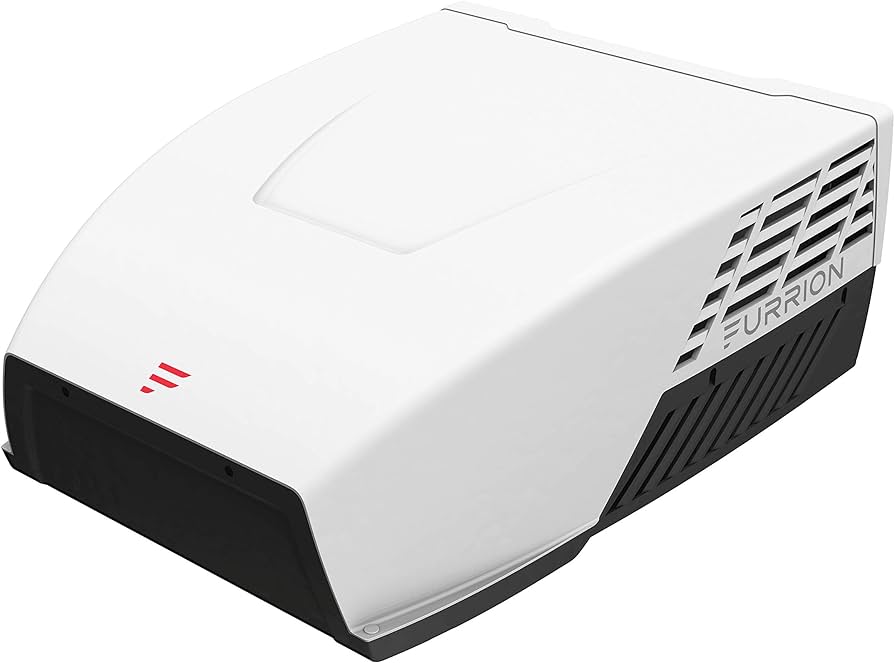
Goodman HVAC outdoor unit shown in product photography.
Credit: www.amazon.com
Types of Goodman HVAC Systems
Goodman offers several types of HVAC systems. Each type has its own benefits. Let's take a look at them.
Air Conditioners
Goodman air conditioners keep your home cool during hot days. They come with high SEER ratings. This means they use less energy to cool your home.
Heat Pumps
Heat pumps can both heat and cool your home. They are efficient and versatile. They work well in moderate climates.
Furnaces
Goodman furnaces keep your home warm in winter. They burn fuel to produce heat. They are available in gas and electric models.
Packaged Units
Packaged units combine heating and cooling in one unit. They are perfect for homes with limited space.
Installation Considerations
Proper installation is critical to achieving the rated SEER and AFUE performance. An oversized or undersized unit will short‑cycle, reduce comfort, and increase wear. Work with a licensed contractor who performs a Manual J load calculation and verifies duct leakage before commissioning. For split‑system setups, follow the split AC installation steps to ensure refrigerant lines are correctly sized and evacuated. For whole‑home central systems, the central AC installation guide outlines best practices for air handler placement and condensate drainage. The U.S. Department of Energy recommends confirming that the installer follows ENERGY STAR‑qualified installation procedures (https://www.energystar.gov).
Key Features of Goodman HVAC Systems
Goodman HVAC systems come with many features. These features make them a great choice for your home.
Energy Efficiency
Goodman systems are designed to save energy. They have high SEER and AFUE ratings. This means they use less energy to heat and cool your home.
Durable Construction
Goodman uses high-quality materials. This ensures their systems last for many years. They also come with strong warranties.
Quiet Operation
Goodman HVAC systems are quiet. You can enjoy a comfortable home without loud noises.
Smart Thermostats
Goodman offers smart thermostats. These thermostats can be controlled from your phone. You can set the perfect temperature even when you're not home.

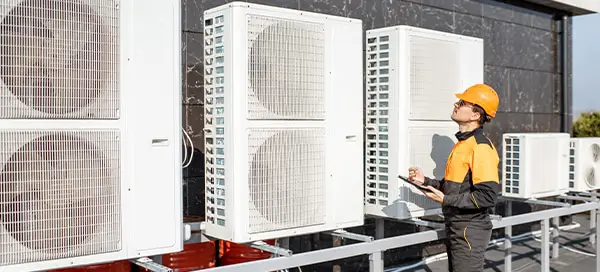
Goodman central air conditioner mounted on a home roof.
Credit: gshaservices.com
Smart Home Integration
Goodman’s communicating thermostats work with major platforms such as Amazon Alexa, Google Assistant, and Apple HomeKit, letting you adjust temperature, set schedules, and receive maintenance alerts from your phone. Pairing the thermostat with a zoning system can further reduce energy use by conditioning only occupied zones. For guidance on optimal thermostat settings that maximize savings, see the ENERGY STAR recommendations (https://www.energystar.gov) and the AHRI performance directory (https://www.ahrinet.org).
Benefits of Goodman HVAC Systems
There are many benefits to choosing a Goodman HVAC system. Here are some of the main advantages.
Cost Savings
Goodman systems are affordable. They also help save on energy bills. This means more money in your pocket.
Improved Comfort
Goodman systems keep your home at the right temperature. You can enjoy a comfortable home all year round.
Better Air Quality
Goodman HVAC systems improve the air quality in your home. They remove dust, pollen, and other allergens. This means cleaner air for you and your family.
Cost Breakdown & Financing Options
Equipment price varies by model tier: entry‑level 14‑SEER units start around $2,500 installed, while high‑efficiency 18‑SEER+ systems can exceed $5,500. Installation labor, duct modifications, and permits typically add 30‑50 % to the equipment cost. Many utilities and state programs offer rebates for ENERGY STAR‑certified models, and some Goodman dealers provide low‑interest financing or lease‑to‑own plans. When evaluating total cost of ownership, factor in the expected annual energy savings — choosing the right air conditioner for your home can shave hundreds off the yearly bill.
How to Choose the Right Goodman HVAC System
Choosing the right HVAC system can be tricky. Here are some tips to help you make the right choice.
Consider Your Climate
Think about the climate in your area. If you live in a hot area, a good air conditioner is important. If you live in a cold area, a furnace is a must.
Check The Size Of Your Home
The size of your home affects the type of system you need. A larger home may need a more powerful system.
Look At Energy Efficiency Ratings
Check the SEER and AFUE ratings of the system. Higher ratings mean better energy efficiency. This can save you money in the long run.
Think About Your Budget
Goodman offers systems at different price points. Choose a system that fits your budget. Remember, a more efficient system can save money over time.
Comparing Goodman to Other Brands
Goodman positions itself as a value‑focused brand, often delivering comparable SEER/AFUE ratings at a lower price point than premium lines like Carrier or Trane. In side‑by‑side tests, Goodman units match the cooling capacity of higher‑priced competitors but may have shorter warranty periods on certain components. For a broader view of top residential HVAC systems, see our roundup, and for a quick distinction between standalone air conditioners and full HVAC packages, review the air conditioner versus HVAC breakdown.
Maintaining Your Goodman HVAC System
Proper maintenance is key to keeping your HVAC system running well. Here are some tips to help you maintain your Goodman system.
Regular Inspections
Have a professional inspect your system regularly. This can help catch problems early.
Change Filters Often
Change the air filters in your system regularly. This keeps the air clean and the system running smoothly.
Clean The System
Keep the outside unit clean. Remove any debris or leaves. This helps the system work efficiently.
Check The Thermostat
Make sure your thermostat is working properly. A faulty thermostat can affect the performance of your system.
Common Troubleshooting Tips
If the system blows warm air, first verify the thermostat mode and check for a tripped breaker; then follow the troubleshoot warm air issues workflow. Short cycling often points to an oversized unit or a dirty condenser coil — clean the coil and ensure proper airflow. Unusual noises such as rattling or hissing may indicate loose panels or refrigerant leaks; in those cases, run through the condenser troubleshooting steps before calling a technician. Regularly reviewing these quick checks can prevent minor issues from becoming costly repairs.
Environmental Impact & Refrigerants
Current Goodman models ship with R‑410A refrigerant, which has a global warming potential (GWP) of 2,088. Newer product lines are transitioning to lower‑GWP alternatives such as R‑32 (GWP 675) to meet evolving EPA SNAP regulations. Proper refrigerant handling during installation and service is essential — always use EPA‑certified technicians to recover and recycle refrigerant.
Frequently Asked Questions
What Is Goodman Hvac?
Goodman HVAC is a leading brand offering reliable heating and cooling systems for residential and commercial use.
Are Goodman Hvac Systems Energy Efficient?
Yes, Goodman HVAC systems are designed to be energy efficient, helping you save on utility bills.
How Long Do Goodman Hvac Units Last?
Goodman HVAC units typically last 15-20 years with proper maintenance and care.
Is Goodman A Good Hvac Brand?
Yes, Goodman is known for its high-quality, durable, and affordable HVAC systems.
What SEER rating should I look for in a Goodman system?
For most climates, a 16 SEER or higher unit delivers a good balance of upfront cost and energy savings. In hot‑humid regions, 18 SEER+ can pay back the premium within 5‑7 years.
Can I install a Goodman unit myself?
Manufacturer warranties require installation by a licensed HVAC professional. DIY installation voids the warranty and can create safety hazards.
How often should I schedule professional maintenance?
At minimum, schedule a tune‑up once per year — ideally before the cooling season — to keep the system running at peak efficiency.
Conclusion
Goodman HVAC systems are a great choice for your home. They offer reliable performance, energy efficiency, and affordability. With proper maintenance, they can keep your home comfortable for many years. Choose a Goodman HVAC system for a comfortable and efficient home. Ready to upgrade? Contact a certified Goodman dealer for a free estimate and see how much you could save on your energy bills.