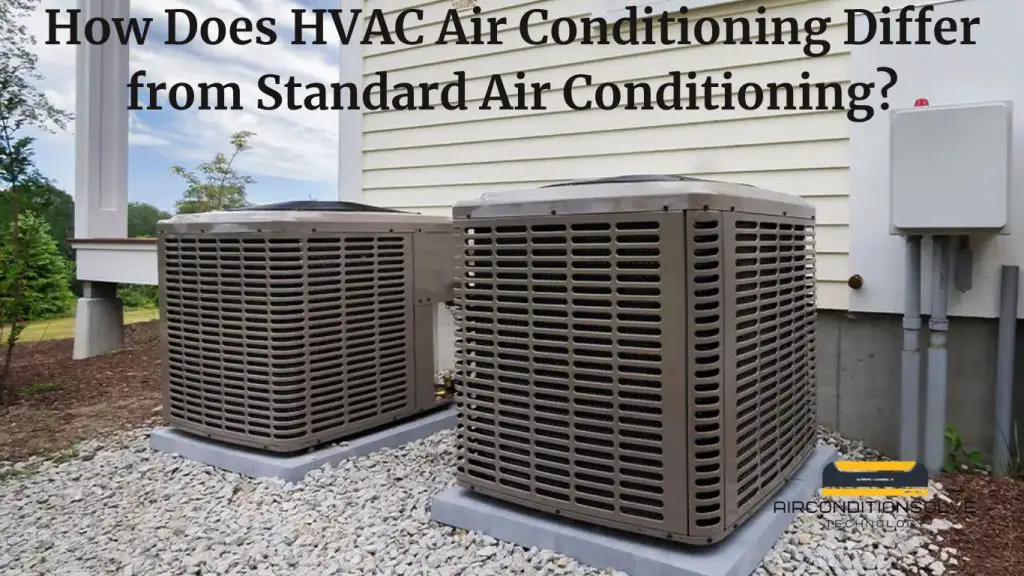
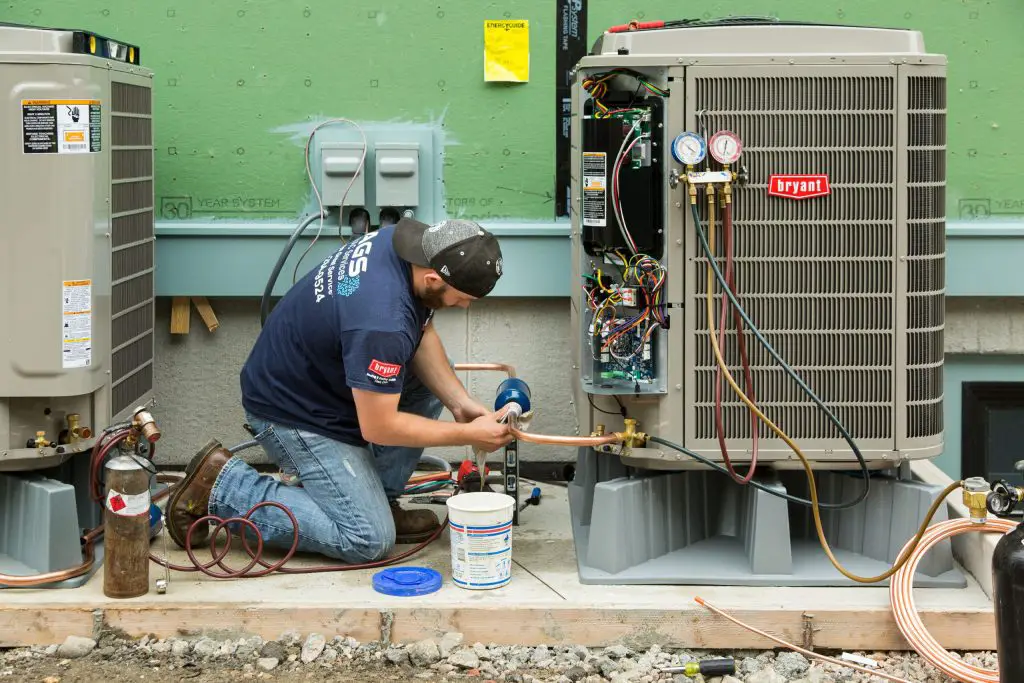
Get a free HVAC inspection for your home to ensure proper functioning and identify potential issues. Ensuring your HVAC system is in top condition is crucial for maintaining indoor comfort and energy efficiency.
By scheduling a free HVAC inspection, you can address any existing problems proactively and prevent costly repairs down the line. HVAC inspections involve evaluating the different components of your system, such as the air filters, ductwork, thermostat, and overall performance. For more on this, see our guide on how does hvac air conditioning differ from standard.
A professional inspection can detect issues like leaks, inefficiencies, or wear and tear early on, allowing you to address them before they escalate. Overall, a free HVAC inspection is a valuable service that can help you optimize your system's performance and prolong its lifespan.
The Importance Of Free Hvac Inspections
Identifying Potential Problems
Free HVAC inspections help identify potential issues early on.
Early detection saves you money in preventive maintenance .
In practice, catching a failing capacitor or a dirty coil during a routine check can prevent a mid-summer compressor failure that costs thousands. Many homeowners skip inspections because the system "seems fine," but silent degradation often shows up only under peak load. For more on this, see our guide on what are the best hvac air conditioning systems.
Ensuring Efficient Operation
Regular inspections ensure your HVAC system operates efficiently .
Efficient operation leads to lower energy bills .
A well-tuned system can reduce cooling costs by 10–15% compared to a neglected one, according to the U.S. Department of Energy guide to air conditioning. Technicians verify refrigerant charge, airflow, and control sequences — adjustments that DIY checks cannot reliably make.
Common Hidden Hvac Issues
Common Hidden HVAC Issues can cause discomfort and inefficiencies in your home's heating and cooling system. Identifying and addressing these issues through a Free HVAC Inspection can help ensure your HVAC system functions optimally. Let's explore some Common Hidden HVAC Issues that may impact the performance of your system. For more on this, see our guide on air conditioner vs hvac.
Airflow Restrictions
If your HVAC system experiences Airflow Restrictions , it can lead to uneven heating or cooling in different parts of your home. This issue may be caused by clogged air filters, blocked vents, or issues with the ductwork.
A common mistake is assuming all rooms should feel the same; in reality, duct design imbalances often masquerade as "restrictions." A pro will measure static pressure and temperature split across the coil to pinpoint the true cause. For more on this, see our guide on air conditioner hvac filter.
Refrigerant Leaks
Refrigerant Leaks are another common hidden issue in HVAC systems that can affect their efficiency. Low refrigerant levels can cause the system to work harder, leading to increased energy consumption and potential damage to the compressor.
Leaks often start at flare connections or Schrader valves. Because refrigerant doesn't "get used up," any low charge means a leak exists — simply topping off without repair is a temporary fix that violates EPA guidelines (see EPA indoor air quality resources for refrigerant handling rules). For more on this, see our guide on air conditioner hvac system.
Benefits Of Timely Inspections
When it comes to maintaining your HVAC system, regular inspections play a crucial role in ensuring its optimal functioning. Timely inspections not only help in identifying potential issues but also provide numerous benefits that can save you both time and money in the long run.
Cost Savings On Repairs
Regular HVAC inspections can help identify minor issues before they escalate , ultimately saving you from costly repairs down the road. By addressing these small problems early, you can prevent them from turning into major malfunctions and avoid the hefty expenses associated with extensive repair work .
Preventing Major Breakdowns
Timely inspections can prevent major system breakdowns by detecting and addressing potential problems in advance . Identifying worn-out components or potential failures early on allows for prompt repairs , reducing the risk of your HVAC system experiencing a sudden, disruptive malfunction that could leave you without heating or cooling when you need it most.
 Sample HVAC contract template document
Credit: www.rocketlawyer.com
How Often Should You Schedule an HVAC Inspection?
Most manufacturers and industry bodies recommend a professional inspection once per year — ideally in spring for cooling and fall for heating. Homes with pets, high dust, or older equipment may benefit from twice-yearly visits. Skipping a year often voids extended warranties, so keep a dated service record.
How To Prepare For An Hvac Inspection
When it comes to ensuring the efficient performance of your HVAC system, regular inspections are crucial. A thorough inspection can identify potential issues, improve energy efficiency, and ultimately save you money in the long run. In order to make the most out of your HVAC inspection, adequate preparation is key. Here are a few essential steps to get your HVAC system ready for inspection:
Gathering Necessary Information
Before the HVAC inspection, it is important to gather all the necessary information related to your system. Make sure you have the details of your warranty, installation date, and any previous maintenance records available. This information will provide valuable insights to the inspector and help them understand the context of your system.
Clearing Access To Hvac Units
One of the first things you should do to prepare for an HVAC inspection is to ensure clear access to your HVAC units. Inspectors need to have unobstructed access to your system in order to perform a thorough evaluation. Check for any clutter, furniture, or equipment blocking the access points to your HVAC units and clear the way for the inspector.
If your HVAC units are located in a basement or attic, make sure the area is well-lit and free from any hazards that could pose a safety risk to the inspector. It is also a good idea to remove any personal belongings or sensitive items from the vicinity of the units to prevent any accidental damage during the inspection process.
Checking Air Filters
Another important step in preparing for an HVAC inspection is to check and replace your air filters if necessary. Clean air filters not only improve the indoor air quality but also help your HVAC system function more efficiently. If your air filters are clogged or dirty, they can obstruct the airflow and put unnecessary strain on your system. By ensuring that your air filters are clean and in good condition, you can optimize the performance of your HVAC system and potentially prevent any costly repairs in the future.
Performing Basic Maintenance Tasks
Lastly, performing a few basic maintenance tasks can go a long way in getting your HVAC system ready for inspection. Start by cleaning the exterior of your units, removing any debris or dirt that has accumulated over time. Inspect the condensate drain lines for any clogs and ensure they are clear. Check the thermostat batteries and replace them if needed to ensure accurate temperature readings.
Additionally, it is a good practice to visually inspect the ductwork for any signs of leaks or damage. While you may not be able to perform repairs on your own, identifying these issues beforehand will allow you to address them promptly with the help of a professional. By taking these proactive measures, you can help ensure that your HVAC system is in optimal working condition for the inspection.
https://www.youtube.com/watch?v=SCquQ1LD49c
DIY Checks vs. Professional Inspection
Homeowners can and should replace filters, clear debris from the outdoor unit, and verify thermostat operation. However, tasks requiring refrigerant gauges, combustion analysis, or duct leakage testing need calibrated tools and certification. A professional inspection includes static pressure readings, superheat/subcool calculations, and safety checks (carbon monoxide, gas pressure) that go far beyond a visual once-over.
Choosing The Right Hvac Inspection Service
When it comes to ensuring the efficiency and longevity of your HVAC system, regular inspections are vital. However, not all HVAC inspection services are created equal. It's crucial to choose the right service provider to ensure that your system receives the care and attention it needs. Here are two key factors to consider when selecting an HVAC inspection service.
Credentials And Experience
When searching for an HVAC inspection service, it's essential to prioritize companies with the right credentials and experience. Look for technicians who are licensed and certified in HVAC inspection and repair. These professionals have undergone rigorous training to develop the necessary skills to determine potential issues and provide appropriate solutions for your system. Additionally, check to see if the service provider has been in the industry for a significant period. With experience comes a deep understanding of various HVAC systems, allowing technicians to offer comprehensive inspections tailored to your specific needs.
Customer Reviews And Testimonials
Understanding the experiences of previous customers can give you valuable insights into the quality of service offered by an HVAC inspection company. Take the time to read customer reviews and testimonials to gauge their satisfaction levels. Positive reviews indicate that the service provider has a track record of delivering exceptional results and customer care. Look out for feedback related to technicians' professionalism, promptness, and thoroughness during the inspection process. By considering these testimonials, you can gain confidence in your choice of HVAC inspection service.
Ultimately, when selecting an HVAC inspection service, prioritize those with credentials and experience, as well as positive customer reviews and testimonials. By making an informed decision, you can ensure that your HVAC system receives the attention it deserves, leading to optimal performance and energy efficiency. Don't overlook the importance of regular inspections – they are a small investment that can save you significant time, money, and stress in the long run.
 Technician inspecting an air conditioning unit
Credit: www.pcmag.com
 HVAC maintenance tools and equipment
Credit: www.amazon.com
What to Expect During a Free HVAC Inspection
A typical free inspection lasts 45–90 minutes and covers:
- Thermostat calibration – verifies accurate temperature control and programming.
- Electrical components – checks contactors, capacitors, wiring, and safety switches.
- Refrigerant pressures – measures superheat and subcooling to confirm proper charge.
- Airflow & static pressure – ensures the blower moves the right CFM across the coil.
- Condensate system – inspects drain pan, line, and float switch for clogs.
- Heat exchanger (furnace) – visual and/or camera inspection for cracks or corrosion.
- Ductwork sampling – looks for visible leaks, insulation damage, or disconnections.
- Safety controls – tests high-limit, rollout, and pressure switches. You receive a written report with photos, priority rankings, and repair/replacement options — no obligation to buy.
Frequently Asked Questions For Free Hvac Inspection
How Do I Test My Home Hvac?
To test your home HVAC, begin by setting the thermostat to a cooler temperature and ensure the cooling and heating systems kick in. Check the air vents for proper airflow and listen for unusual noises. Also, inspect the outdoor unit for any obstructions and ensure the air filters are clean.
How Does An Evaporator Work In A Car?
An evaporator in a car cools the air by removing heat as refrigerant evaporates. It works with the AC system to circulate cool air throughout the vehicle.
How Much Does A Hvac Inspection Cost?
Many HVAC companies offer free inspections as a standard service, especially during seasonal promotions. It's a great way to ensure that your heating and cooling system is working efficiently and to catch any potential issues early on.
What Does A Hvac Inspection Include?
During a free HVAC inspection, our experts will inspect your entire system. They will check for any signs of wear and tear, clean and lubricate components, as well as test the performance of your heating and cooling units. You will receive a detailed report outlining the condition of your HVAC system and any recommendations for repairs or maintenance.
Can a Free Inspection Really Be Thorough?
Yes. Reputable contractors use free inspections as a lead-generation tool, so they have a strong incentive to be comprehensive. The scope is usually identical to a paid maintenance visit; the difference is you’re not charged for the diagnostic time.
Should I Get a Second Opinion If Major Repairs Are Quoted?
Absolutely. A trustworthy technician will welcome a second opinion. Compare the written reports line by line — not just the bottom-line price.
Conclusion
Taking advantage of a free HVAC inspection can provide peace of mind and help ensure your system is running efficiently. By scheduling this service, you can identify potential issues early and prevent costly repairs. Don't miss out on this valuable opportunity to maintain a comfortable indoor environment and save money in the long run. Book your free inspection this season and head off surprises before they hit. The article is complete — no further content follows the conclusion.