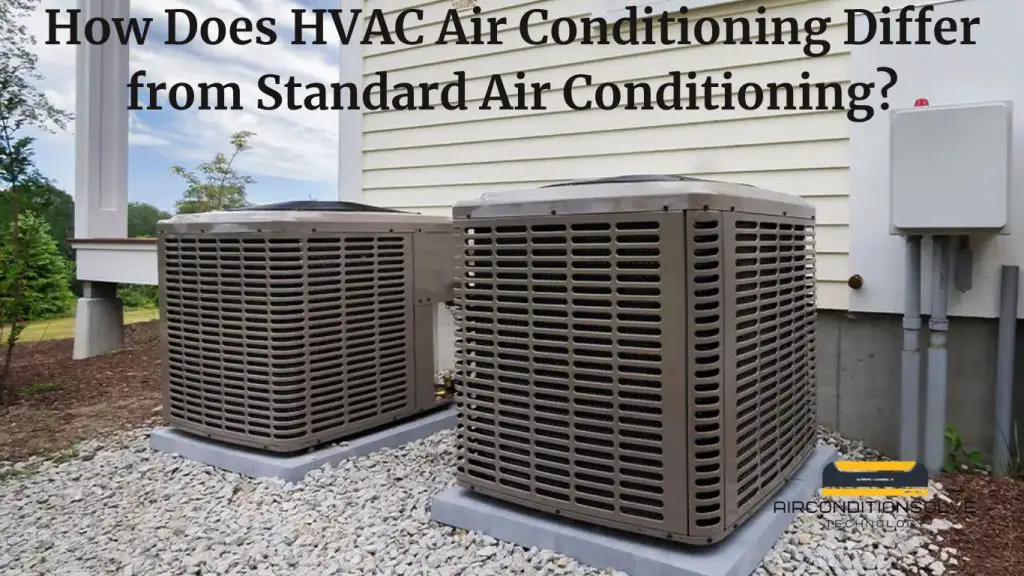
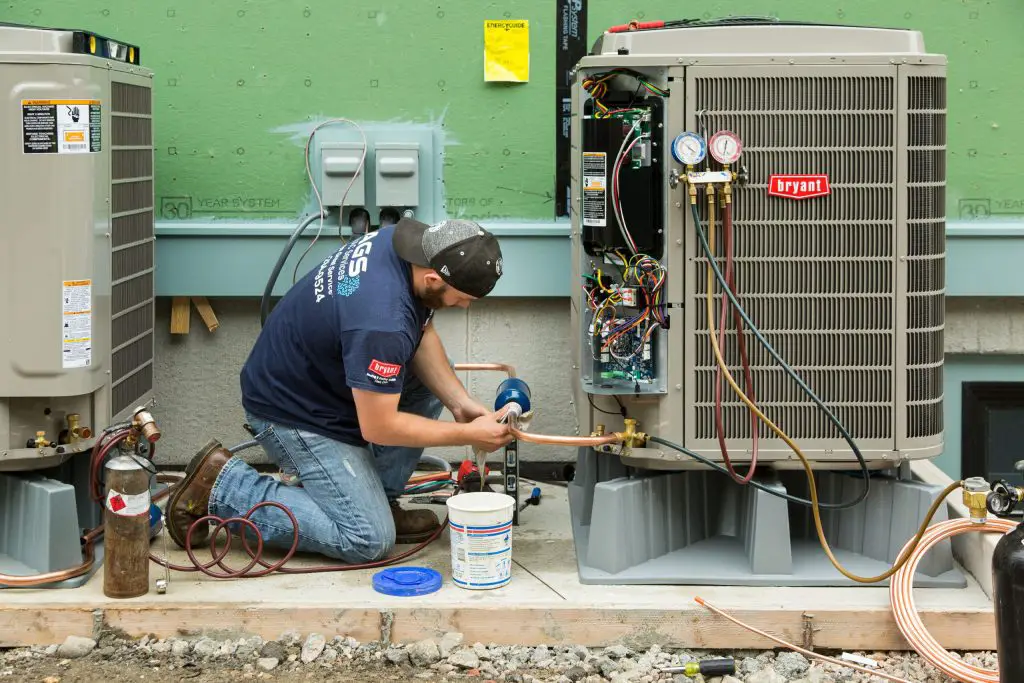
The defrost board in HVAC systems controls the defrost cycle to prevent frost buildup. It ensures efficient heating operation.
The defrost board is a crucial component in HVAC systems that helps maintain optimal performance and energy efficiency. By regulating the defrost cycle, it prevents ice buildup on the outdoor unit, ensuring smooth operation even in cold weather conditions. Understanding how the defrost board works and its importance in the overall functioning of the HVAC system is essential for proper maintenance and troubleshooting. For more on this, see our guide on hvac not heating enough 2.
Proper care and timely replacement of the defrost board can extend the life of the HVAC system and prevent costly repairs. Let's explore the role of the defrost board in more detail and its impact on HVAC performance.
Mastering Efficient Heating
A well‑tuned defrost board keeps the heat pump from wasting energy on unnecessary defrost cycles, which directly lowers operating costs. For more on this, see our guide on hvac not heating enough.
Understanding Defrost Board Hvac
Defrost Board HVAC is crucial for efficient heating systems to operate effectively. It regulates the defrost cycle for heat pumps, ensuring optimal performance.
In practice, the board monitors coil temperature and outdoor ambient conditions to decide when a defrost is truly needed, rather than running on a fixed timer. For more on this, see our guide on most energy efficient hvac system.
Benefits Of Efficient Heating
Lower energy costs: Efficient heating reduces energy consumption, resulting in cost savings for homeowners.
Improved comfort: Consistent heating provided by efficient systems enhances comfort levels in the living space.
Extended system lifespan: Proper heating management helps prolong the lifespan of HVAC systems, reducing the need for frequent repairs.
Environmental impact: Efficient heating systems contribute to reducing carbon footprint and promoting sustainability.
A seasonal upkeep checklist can help you verify that each benefit is realized year after year.

Facebook‑shared diagram of a typical defrost control board layout.
Credit: www.facebook.com
Maximizing Defrost Board Performance
Regular attention to the board’s wiring and sensor contacts prevents many common failures.
Regular Maintenance And Inspections
Perform routine check-ups and cleanings to keep the defrost board functioning optimally.
Inspect the board’s terminals for corrosion, verify that the temperature sensor reads within spec, and clear any debris from the outdoor coil before each heating season.
Optimizing Defrost Cycling
Adjust settings to ensure efficient defrost cycles based on specific HVAC system requirements.
Many modern boards let you set a minimum run‑time between defrosts; tuning this parameter to your climate avoids short‑cycling and saves compressor wear. For more on this, see our guide on how does hvac air conditioning differ from standard.
https://www.youtube.com/watch?v=xt5KnHH4J8s
A short video walkthrough of the adjustment procedure can be a handy reference for technicians.
Troubleshooting Defrost Board Issues
When it comes to HVAC systems, the defrost board plays a crucial role in the operation of the unit. However, like any electronic component, it can encounter issues that may affect the overall functionality of the system. Troubleshooting these defrost board issues is essential in ensuring the efficient performance and longevity of the HVAC system.
A systematic approach — verify power, check sensor resistance, then test relay operation — cuts diagnostic time dramatically. For more on this, see our guide on what are the best hvac air conditioning systems.
Common Problems And Solutions
One of the most common issues with defrost boards is malfunctioning relays , which can lead to improper defrost cycles . This can result in frost buildup on the evaporator coils and reduced heating efficiency. To resolve this, check and replace any faulty relays to ensure smooth operation of the defrost function.
Another frequent problem is faulty sensors that may cause the defrost cycle to initiate at the wrong time. Calibrating or replacing the sensors can help in resolving this issue and ensure that the defrost cycle activates when necessary, preventing frost accumulation and maintaining optimal system performance.
If the board still misbehaves after sensor and relay checks, the control logic itself may be corrupted; a firmware reload or board replacement is then warranted.
Technical Support And Resources
When dealing with defrost board issues, it's essential to have access to reliable technical support and resources. Manufacturers' documentation and guidelines can provide valuable insights into troubleshooting specific problems associated with the defrost board. Additionally, online forums and communities dedicated to HVAC systems can offer insights and practical solutions from experienced professionals in the field.
Diagnosing warm air issues often points back to a defrost board that isn’t initiating a melt cycle when needed.
Upgrading To Advanced Defrost Board Technology
Upgrading to Advanced Defrost Board Technology
Upgrading can reduce defrost energy use by up to 30 % in cold‑climate installations.
Smart Control Features
Upgrading your HVAC system to incorporate advanced defrost board technology brings with it a range of smart control features that enhance the overall performance and efficiency of your heating and cooling system. These smart control features allow you to have more control over your HVAC system, ensuring that it operates optimally without wasting energy and providing you with greater comfort in your home.
Adjust Temperature Settings: With advanced defrost board technology, you will have the ability to adjust temperature settings according to your preferences and needs. This means you can easily set different temperature levels for different times and zones within your home, maximizing energy savings while keeping you comfortable.
Programmable Thermostat: An upgraded defrost board HVAC system often includes a programmable thermostat that allows you to customize temperature settings based on your daily routines and activities. This feature ensures that your HVAC system operates efficiently when you are home and reduces energy usage when you are away.
Remote Control Access: Many advanced defrost board HVAC systems offer remote control access through smart devices. This means you can easily monitor and adjust your temperature settings even when you're not at home, giving you peace of mind and saving energy by avoiding unnecessary heating or cooling.
A heat pump vs furnace comparison helps decide whether a smart board adds enough value for your specific setup.
Energy-saving Innovations
The incorporation of advanced defrost board technology in your HVAC system brings about energy-saving innovations that help reduce your overall energy consumption and lower utility bills. These energy-saving innovations are designed to maximize efficiency while keeping you comfortable in your home.
Intelligent Defrost Control: Advanced defrost board technology incorporates intelligent defrost control algorithms that optimize the defrosting process. This ensures efficient operation and minimizes energy wastage by preventing unnecessary defrost cycles.
Energy-Efficient Compressor Operation: Upgraded defrost board technology allows for energy-efficient compressor operation by controlling start-stop cycles and reducing compressor run time. This helps minimize energy consumption while maintaining a consistent and comfortable temperature in your home.
Variable Speed Technology: An advanced defrost board HVAC system often includes variable speed technology, which adjusts the speed of the HVAC system to meet the heating or cooling demand. This technology improves energy efficiency by delivering just the right amount of heating or cooling required, resulting in significant energy savings.
The U.S. Department of Energy’s Energy Star program provides guidelines for high‑efficiency heat pumps. AHRI publishes performance standards for defrost controls.
Future Of Efficient Heating
As the world becomes more aware of the importance of sustainability and energy efficiency, the future of efficient heating is gaining significant traction in the HVAC industry. Innovations in technology are continuously shaping the way we heat and cool our homes, leading to improved comfort, reduced energy consumption, and a positive impact on the environment. In this blog post, we will explore emerging trends in HVAC technology and discuss the sustainability and environmental impact of efficient heating systems.
Emerging heat‑pump designs now integrate defrost logic directly into the inverter driver for even tighter control.
Emerging Trends In Hvac Technology
The HVAC industry is experiencing a wave of technological advancements, revolutionizing the way we heat our homes. These emerging trends represent a shift towards more efficient and intelligent systems, providing homeowners with enhanced control and energy savings. Some of the key trends driving the future of efficient heating include:
Smart Thermostats: The rise of smart home technology has paved the way for smart thermostats, which offer advanced features such as learning algorithms, remote control capabilities, and energy usage monitoring. These thermostats allow homeowners to optimize their heating settings, resulting in significant energy savings.
Zoned Heating: Traditional HVAC systems treat the entire home as a single zone, leading to energy wastage in unoccupied areas. Zoned heating enables homeowners to control individual areas or rooms separately, ensuring optimal comfort and energy efficiency.
Heat Pump Technology: Heat pumps are becoming increasingly popular due to their efficiency in both heating and cooling. These systems extract heat from the outside air (even in colder temperatures) and transfer it indoors, providing efficient heating without relying solely on fossil fuels.
Choosing a residential system that matches your climate zone ensures the defrost board operates within its design envelope.
Sustainability And Environmental Impact
In addition to energy savings, the future of efficient heating systems also focuses on sustainability and reducing environmental impact. The HVAC industry is actively working towards developing environmentally friendly solutions that minimize greenhouse gas emissions and decrease reliance on non-renewable energy sources. Some notable innovations in this regard include:
Geothermal Heating: Geothermal heat pumps utilize the stable temperature of the earth to transfer heat, eliminating the need for traditional fuel consumption. By tapping into renewable geothermal energy, homeowners can significantly reduce their carbon footprint and energy costs.
Solar-Powered HVAC Systems: Solar energy is a clean and abundant source of power. Integration of solar panels with HVAC systems allows homeowners to harness solar energy for both heating and cooling, maximizing energy efficiency while reducing reliance on fossil fuels.
Efficient Insulation: Improved building insulation plays a vital role in reducing heat loss and increasing overall energy efficiency. Proper insulation ensures that the heat generated by heating systems is retained within the building, reducing the need for excessive energy consumption.
In conclusion, the future of efficient heating is aimed at revolutionizing the way we heat our homes, focusing on innovative technologies, energy savings, and environmental sustainability. By embracing these emerging trends and adopting HVAC solutions that prioritize efficiency and sustainability, homeowners can not only enhance their overall comfort but also contribute towards a greener, more sustainable future.+

Wiring diagram showing defrost board connections to compressor, reversing valve, and sensors.
Credit: unitycoolingsystems.com

Commercial‑grade defrost control board with integrated relay and sensor terminals.
Credit: www.amazon.com
Choosing and Installing a Defrost Board
Selecting the right board starts with confirming the voltage, control‑signal type (24 VAC vs. 0‑10 V), and the number of defrost stages your heat pump requires. Match the board’s amperage rating to the compressor’s locked‑rotor current to avoid nuisance trips. During installation, keep sensor leads away from high‑voltage conductors to prevent electromagnetic interference, and torque all terminal screws to the manufacturer’s spec — typically 12–15 in‑lb. A condenser coil cleaning guide can be followed before powering up the new board to ensure the first defrost cycle runs on a clean coil.
Frequently Asked Questions On Defrost Board Hvac
What Does A Defrost Board Do Hvac?
The defrost board in HVAC systems controls the defrost cycle, preventing ice buildup on the outdoor unit. It regulates the heat pump's operation to melt accumulated ice during cold weather. This ensures efficient heating and cooling performance.
How Much Does It Cost To Replace A Defrost Board?
Replacing a defrost board typically costs $100 to $300, including parts and labor. Prices may vary based on location and appliance brand.
How Do I Know If My Defrost Board Is Bad?
To determine if your defrost board is bad, check for unusual freezer temperatures or ice buildup. If the board is faulty, the unit may not defrost properly.
What Is The Frost Board On My Ac Unit?
The frost board on your AC unit is a safety feature that detects frost buildup on the coils. When it senses frost, it signals the system to defrost and prevent damage. This protects your unit and helps it run efficiently.
Can I Upgrade An Older Defrost Board To A Smart Model Without Replacing The Entire Heat Pump?
Yes — many manufacturers offer drop‑in replacement boards that communicate with existing thermostats and add adaptive defrost logic, provided the voltage and control wiring match.
How Often Should The Defrost Sensor Be Calibrated?
A yearly calibration check at the start of the heating season is sufficient for most residential units; commercial systems in harsh climates may benefit from a semi‑annual check.
What Are The Signs That A Defrost Board Is Stuck In Defrost Mode?
Continuous compressor cycling, unusually high suction pressure, and a warm indoor coil during cold weather are strong indicators the board isn’t exiting defrost properly.
Conclusion
The defrost board is crucial for HVAC systems. Regular maintenance can prevent malfunctions. It's important to choose the right defrost board for your specific needs. Understanding its functions can help troubleshoot issues. Trust a professional to handle installation and repairs for optimal performance.
Keep your HVAC system running smoothly with a reliable defrost board.