Installing a Carrier air conditioner typically costs between $3,000 and $7,500, depending on system type, home size, and complexity. While Carrier units are known for energy efficiency and reliability, professional installation ensures optimal performance and warranty protection. This guide breaks down every expense so you can plan smart and stay within budget.
Key Takeaways
- Average Cost Range: Expect to pay $3,000–$7,500 for a new Carrier AC unit and installation, with central systems at the higher end.
- Type Matters: Central air, ductless mini-splits, and window units have different price points—choose based on your cooling needs and home setup.
- Labor is a Major Factor: Installation labor typically accounts for 30–50% of the total cost and varies by region and contractor expertise.
- Permits & Inspections: Some areas require permits, adding $100–$400 to the project cost—don’t skip these to avoid fines.
- Energy Efficiency Saves Later: Higher upfront costs for efficient models often lead to lower utility bills over time.
- Warranty Protection: Proper installation by certified technicians keeps your Carrier warranty valid and ensures peak performance.
- Budget Tips: Schedule installation during off-peak seasons and compare quotes from multiple HVAC pros to save money.
Quick Answers to Common Questions
How much does it cost to install a Carrier central air conditioner?
On average, installing a Carrier central air conditioner costs between $3,000 and $7,500, including both equipment and labor. Prices vary based on system size, home layout, and regional factors.
Can I install a Carrier window AC myself?
Yes, Carrier window units are designed for DIY installation and typically take less than an hour to set up. However, professional installation ensures proper sealing and warranty compliance.
Do I need a permit to install an air conditioner?
In most areas, yes. Permits ensure your installation meets local building codes and safety standards. Most contractors handle this, but confirm they’re using a valid permit.
Is Carrier AC worth the higher price?
Absolutely. Carrier offers superior energy efficiency, quiet operation, and strong warranties. Over time, lower utility bills and fewer repairs justify the initial investment.
When is the best time to schedule AC installation?
Spring or early fall avoids peak summer demand. Contractors often offer discounts during these off-peak months, helping you save up to 20% on installation costs.
📑 Table of Contents
- Introduction: Why Carrier Air Conditioners Are Worth the Investment
- Understanding Carrier Air Conditioner Pricing
- Breaking Down Installation Costs by System Type
- Hidden Costs and Additional Fees to Watch For
- How Location Affects Your Total Cost
- Tips to Save Money on Carrier AC Installation
- Conclusion: Is the Investment Worth It?
Introduction: Why Carrier Air Conditioners Are Worth the Investment
Choosing the right air conditioning system for your home isn’t just about keeping cool on hot summer days—it’s about comfort, energy savings, and long-term peace of mind. When it comes to top-tier performance and durability, Carrier air conditioners stand out in the crowded HVAC market. Known for their innovation, reliability, and strong customer support, Carrier units are trusted by homeowners across the country. But before you fall in love with that sleek outdoor compressor or whisper-quiet indoor unit, it’s important to understand the real cost of getting one installed.
Installing a Carrier air conditioner isn’t a simple plug-and-play job. It involves careful planning, skilled labor, and sometimes even structural modifications to your home. The total cost can vary widely depending on several factors—like the size of your space, the type of system you choose, and where you live. That’s why getting accurate, detailed information matters. In this guide, we’ll walk you through everything you need to know about the cost to install a Carrier air conditioner, so you can make an informed decision without breaking the bank.
Whether you’re replacing an old unit or installing your first AC, knowing what to expect helps reduce stress and avoids surprise expenses. From understanding base prices to learning how to negotiate with contractors, we’ve got you covered. Let’s dive into the details and help you navigate your next cooling upgrade like a pro.
Understanding Carrier Air Conditioner Pricing

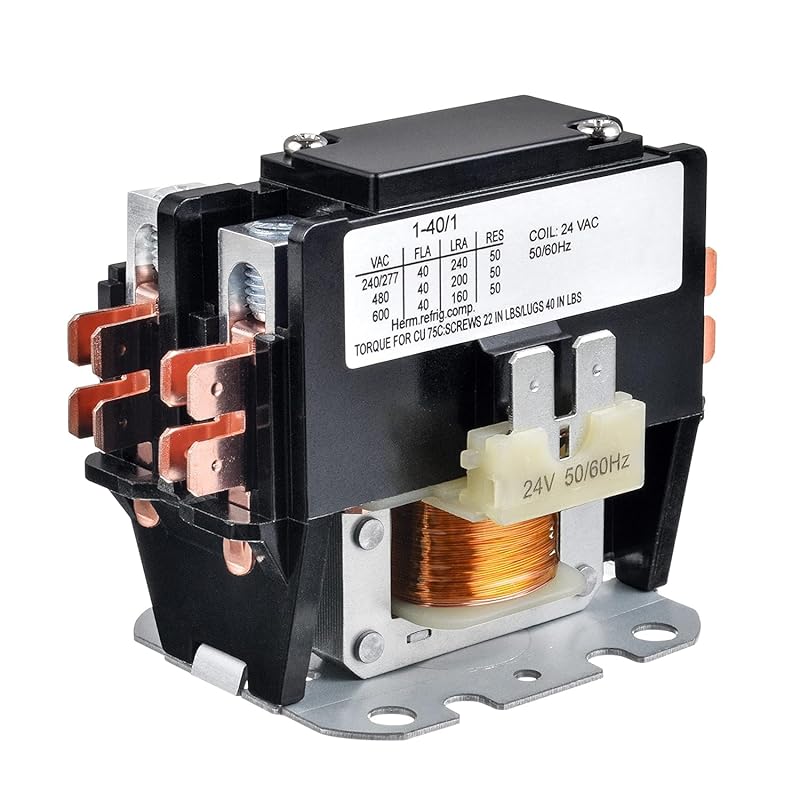
Visual guide about Cost to Install Carrier Air Conditioner
Image source: images.qiecdn.com
Before we talk installation costs, let’s break down the base price of a Carrier air conditioner itself. Carrier offers a wide range of models—from affordable window units to high-efficiency central air systems—so your final price will depend heavily on which type you choose.
Window and Portable Units
For smaller spaces like apartments or single rooms, Carrier offers compact window and portable air conditioners. These are the most budget-friendly options, typically priced between $300 and $800. While they’re easy to install (many DIY-friendly), they don’t offer the same performance or coverage as whole-home systems. If you only need to cool one room, this might be your best bet—but keep in mind that Carrier’s reputation for quality shines brightest in larger systems.
Ductless Mini-Split Systems
If you’re looking to cool individual zones without running ducts through your walls, Carrier’s ductless mini-splits are a great choice. A typical 12,000 BTU unit starts around $1,200, but a full multi-zone system for a 1,500-square-foot home could run $4,000 to $6,500. These systems are energy-efficient, quiet, and perfect for homes without existing ductwork. Installation includes mounting indoor heads, running refrigerant lines, and electrical work—all of which add to the total cost.
Central Air Conditioning Systems
For whole-house cooling, Carrier’s central air systems are the gold standard. A basic 3-ton unit paired with a compatible furnace or air handler usually ranges from $3,500 to $6,000 before installation. High-efficiency models like the Carrier Infinity series can exceed $8,000. These systems require ductwork, professional sizing, and complex refrigerant handling—making them the most expensive option, but also the most effective for large homes.
Remember: the unit price is just the beginning. Labor, permits, and additional components can easily double or triple your initial investment. Always get a written estimate that separates equipment and installation costs.
Breaking Down Installation Costs by System Type
Visual guide about Cost to Install Carrier Air Conditioner
Image source: cc.tvbs.com.tw
Now that you know what the unit costs, let’s explore how much it actually costs to have someone install your Carrier air conditioner. Installation complexity plays a huge role in pricing, and different systems come with unique challenges.
DIY vs. Professional Installation: What’s the Real Difference?
While some small units can be installed by homeowners, most Carrier systems—especially central air and mini-splits—require certified technicians. Attempting a DIY install can void your warranty, damage your home, and even create safety hazards like refrigerant leaks. Plus, improper sizing or poor airflow can lead to inefficient cooling and higher energy bills. For most people, hiring a licensed HVAC contractor is the smarter, safer choice.
Professional installation ensures your system runs efficiently, lasts longer, and meets local building codes. Most contractors charge between $150 and $300 per hour, but many offer flat-rate packages for common jobs. Be sure to ask whether the quote includes everything—from removing your old unit to testing the system after completion.
Central Air Conditioner Installation
Installing a central Carrier AC involves several key steps:
– Removing the old unit (if applicable)
– Installing the outdoor condenser unit
– Running refrigerant lines and electrical wiring
– Connecting to ductwork
– Testing system performance
Because this process affects your entire home’s climate control, it’s not something to rush. On average, you’ll pay $2,500 to $5,000 for labor alone. Factors that increase cost include:
– Ductwork repairs or upgrades
– Adding a new electrical circuit
– Working in tight crawlspaces or attics
– Needing a permit or inspection
Some contractors offer financing or seasonal discounts—ask early!
Ductless Mini-Split Installation
Ductless systems are more flexible than central AC but still demand precision. Each indoor head must be mounted at the right height and angle for optimal airflow. The outdoor unit needs a sturdy pad, and refrigerant lines must be vacuumed and sealed properly to prevent leaks.
Expect to pay $1,000 to $3,000 for a two-zone mini-split installation. Larger systems with four or more heads can cost up to $5,000. Because there’s no ductwork involved, this often saves money compared to retrofitting ducts—but the initial labor still adds up.
Window Unit Installation
For window ACs, installation is simpler. You’ll need to cut a hole in your window frame (or use a bracket kit), mount the unit securely, and ensure proper sealing to prevent air leaks. Most contractors charge $100 to $250 for this job.
Keep in mind: window units block natural light and may not look great aesthetically. They’re best suited for temporary or supplemental cooling.
Portable AC Installation
Portable units don’t require permanent installation—just rolling the unit near a window, attaching the exhaust hose, and plugging it in. Some models come with quick-connect kits, making setup almost instant. However, they’re less powerful than other options and can’t cool large areas effectively.
Since there’s no labor involved, you won’t pay extra for installation—just the unit price.
Hidden Costs and Additional Fees to Watch For
Even if you have a firm grasp on the base price of your Carrier air conditioner and installation, there are often hidden costs lurking beneath the surface. Being aware of these extras helps you budget accurately and avoid sticker shock later.
Removal of Old Equipment
Many contractors charge $100 to $300 to remove and dispose of your old AC unit. This fee covers hauling, recycling, and landfill disposal fees. Some companies include it in the package; others list it separately. Always confirm before signing the contract.
Electrical Upgrades
Older homes may not have the electrical capacity to handle a new, high-efficiency Carrier system. If your breaker panel is outdated or undersized, you might need to upgrade it—adding $500 to $1,500 to the project. Similarly, running new wires to the outdoor unit can increase labor time and cost.
Permits and Inspections
In many cities and counties, installing an air conditioner requires a permit. Permit fees typically range from $100 to $400, depending on local regulations. The contractor usually handles this, but you should verify they’re using a valid permit. Skipping this step risks fines and invalidates your warranty.
Inspections may be required once the job is complete. Again, the installer should coordinate this—but it’s good to ask.
Duct Cleaning and Repair
If your home has existing ductwork, it may need cleaning or sealing before installing a new Carrier unit. Poor airflow due to dirty or leaky ducts reduces efficiency and strains the system. Duct cleaning costs $300 to $800, while sealing and repairing leaks can add another $500 to $1,200.
Pro tip: Ask for a duct inspection report during your consultation.
Thermostat Replacement
Modern Carrier systems work best with smart thermostats like the Carrier Cor smart or Nest Learning Thermostat. If yours is outdated, consider upgrading. A new programmable thermostat costs $150 to $300 installed—but it pays off in better temperature control and energy savings.
Warranty and Service Plans
Carrier offers optional extended warranties and maintenance plans. While not mandatory, these can save you money long-term. Basic service plans start around $150/year and cover annual tune-ups and minor repairs. Extended warranties may add $500 to $1,000 upfront but protect against major component failures.
Always read the fine print—some plans only cover parts, not labor.
How Location Affects Your Total Cost
The cost to install a Carrier air conditioner doesn’t stop at the unit and labor. Where you live plays a massive role in pricing due to regional differences in labor rates, permitting requirements, and even material availability.
Urban vs. Rural Areas
HVAC contractors in big cities like New York, Los Angeles, or Chicago charge premium rates—often $200+ per hour—due to higher demand and living costs. In contrast, rural areas may see hourly rates closer to $120 to $160. However, rural projects might involve longer travel times, which some companies factor into their quotes.
Climate and Seasonality
Summer is peak season for AC installations. Contractors book up months in advance and may charge 10–20% more during June to August. Scheduling your install in spring or fall can save hundreds. Some companies even offer discounts for off-season jobs.
Local Building Codes
Cities with strict building codes—like San Francisco or Boston—often require more documentation and inspections, driving up administrative costs. Coastal regions may need corrosion-resistant materials, increasing material expenses.
Utility Rebates and Incentives
Many utilities offer rebates for energy-efficient Carrier units. For example, Pacific Gas & Electric (PG&E) offers up to $1,500 for qualifying high-efficiency systems. Check your local provider’s website or ask your contractor about available incentives—they can reduce your net cost significantly.
Tips to Save Money on Carrier AC Installation
Nobody wants to overspend on a product they love, especially when it comes to major home improvements. Fortunately, there are several smart ways to reduce the cost to install a Carrier air conditioner without sacrificing quality.
Get Multiple Quotes
Never settle for the first estimate. Call at least three licensed HVAC contractors and request detailed, itemized quotes. Compare apples to apples—make sure each includes removal, permits, and post-installation testing. Online platforms like HomeAdvisor or Angi can connect you with pre-screened pros.
Bundled Packages
Some companies offer “whole-home” packages that include installation, ductwork evaluation, and thermostat upgrades. These can save 10–15% versus paying for services separately. Just ensure the package aligns with your actual needs.
Choose the Right Size
An oversized or undersized AC wastes energy and shortens lifespan. A Carrier-certified technician will perform a Manual J load calculation to size your system correctly. Paying slightly more for a properly sized unit saves money on electricity and repairs.
Time It Right
As mentioned earlier, scheduling installation in spring or early fall avoids peak pricing. Many contractors offer referral bonuses or promotions during slower months—take advantage!
Maintain Your New Unit
Even after installation, regular maintenance keeps your Carrier running smoothly. Change filters monthly, clean the outdoor unit annually, and schedule professional tune-ups every year. This extends the system’s life and prevents costly breakdowns.
Consider Financing Options
Carrier partners with financing providers like Wells Fargo or CareCredit to offer 0% APR plans. These let you spread payments over 12 to 60 months—ideal if you need the system now but want to manage cash flow.
Conclusion: Is the Investment Worth It?
So, what’s the bottom line on the cost to install a Carrier air conditioner? Depending on your home, needs, and location, you’re looking at anywhere from $3,000 for a simple window unit to over $7,500 for a full central air setup with upgrades. While that may sound steep, remember that Carrier units are built to last 15–20 years with proper care—and their energy efficiency can cut your cooling bills by 20–30% compared to older models.
More importantly, professional installation ensures your system operates safely, efficiently, and within warranty. Cutting corners might save a few hundred dollars upfront, but it risks voiding coverage, reducing comfort, and shortening the unit’s lifespan.
Ultimately, investing in a Carrier air conditioner isn’t just about staying cool—it’s about protecting your home, saving on energy, and enjoying reliable performance for years to come. With careful planning, smart timing, and a trusted contractor, you can get the best value for your money.
Ready to move forward? Start by comparing quotes, checking for rebates, and choosing a system that fits both your comfort needs and your budget.
Frequently Asked Questions
What is included in a typical Carrier AC installation?
A standard installation includes removing the old unit (if applicable), setting up the new unit, connecting refrigerant lines, electrical wiring, and testing system performance. Some contractors also include duct cleaning or thermostat replacement.
How long does Carrier AC installation take?
Installation duration depends on the system type. Window units take 1–2 hours, ductless mini-splits take 4–8 hours, and central air systems may require a full day or more, especially if ductwork modifications are needed.
Are there any rebates for installing a Carrier air conditioner?
Yes, many utility companies and government programs offer rebates for energy-efficient Carrier units. For example, PG&E and Southern California Edison provide up to $1,500 for qualifying installations—check your local provider’s website.
Should I replace my old AC or repair it?
If your current unit is over 10–12 years old, frequently breaks down, or lacks modern efficiency features, replacement is usually the better long-term investment. A new Carrier system can save 20–30% on energy costs.
Can I finance my Carrier AC installation?
Yes, Carrier partners with financing providers like CareCredit and Wells Fargo to offer low- or no-interest payment plans. Terms typically range from 12 to 60 months, making it easier to manage upfront costs.
What maintenance does a Carrier AC need after installation?
Monthly filter changes, annual professional tune-ups, and clearing debris around the outdoor unit are essential. Neglecting maintenance reduces efficiency and can void your warranty.