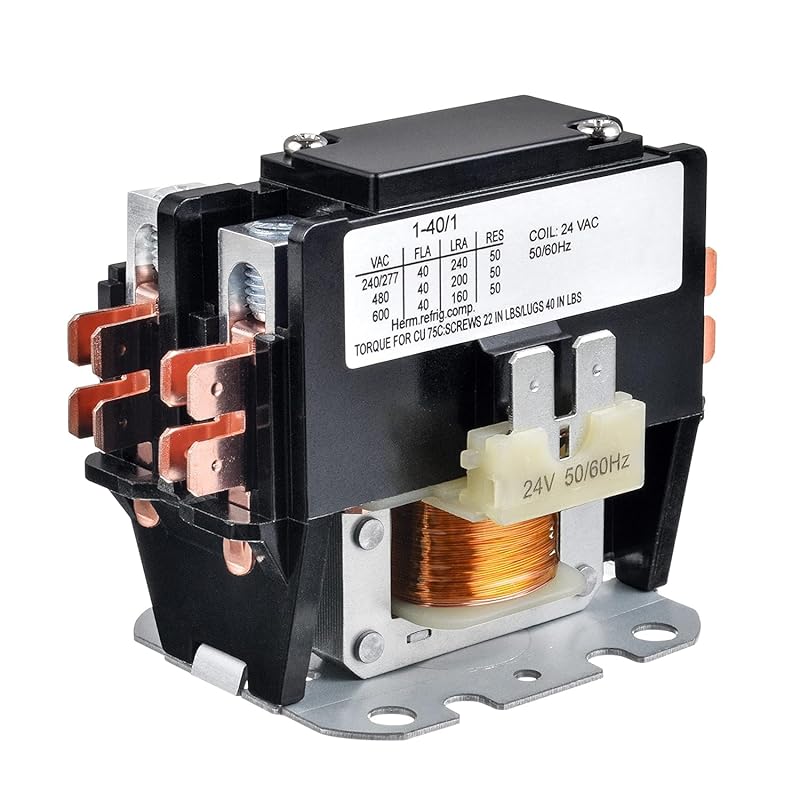
Installing a new Carrier air conditioner can improve your home’s comfort and energy efficiency. Prices vary based on size, model, and installation complexity. On average, expect to pay $3,000 to $7,000 total—including equipment and labor.
If you’re considering upgrading or replacing your old air conditioning system, choosing a Carrier air conditioner might be one of the smartest decisions you make. Known for reliability, innovation, and top-tier efficiency, Carrier has been a trusted name in HVAC since 1915. Whether you’re cooling a single room or an entire home, their wide range of systems delivers consistent performance and peace of mind.
But before you pull the trigger, it’s important to understand exactly what the cost of a new Carrier air conditioner involves. From equipment prices to installation labor, add-ons, and potential savings, this guide breaks down every detail so you can budget wisely and choose the best system for your space.
Key Takeaways
- Average Cost: The total cost of a new Carrier air conditioner ranges from $3,000 to $7,000, depending on system type and installation needs.
- Equipment Pricing: Central AC units typically cost between $2,500 and $6,000, while ductless mini-splits range from $1,800 to $4,500.
- Installation Matters: Professional installation adds $500–$1,500, but it ensures safety, performance, and warranty compliance.
- Energy Efficiency Saves Money: High-efficiency models (SEER 16+) may cost more upfront but reduce long-term utility bills.
- Rebates & Incentives: Federal and state rebates can cut costs by $300–$800. Check ENERGY STAR and local programs.
- Sizing Impacts Price & Performance: An incorrectly sized unit leads to higher bills and poor cooling. Proper load calculation is key.
- Warranty Adds Value: Carrier offers strong warranties (up to 10 years), protecting your investment over time.
Quick Answers to Common Questions
How much does a Carrier air conditioner cost?
The total cost of a new Carrier air conditioner ranges from $3,000 to $7,000, including equipment and installation. Prices vary based on system size, efficiency rating, and job complexity.
Is Carrier worth the higher price?
Yes. Carrier units are known for reliability, energy efficiency, and strong warranties. While the initial cost is higher than some brands, long-term savings and durability make them a smart investment.
Can I install a Carrier AC myself?
No. Air conditioning systems require specialized knowledge, refrigerant handling, and electrical work. DIY installation voids warranties and poses safety risks. Always hire a licensed contractor.
Are there financing options available?
Yes. Many Carrier dealers offer 0% APR financing, monthly payment plans, and leasing options. Ask about seasonal promotions when purchasing.
Will I qualify for energy rebates?
Possibly. Federal, state, and utility rebates apply to high-efficiency Carrier models. Check the DOE rebate database using your zip code.
📑 Table of Contents
- What Is a Carrier Air Conditioner?
- Factors That Influence the Cost of a New Carrier Air Conditioner
- Average Cost Breakdown: Equipment vs. Installation
- Why Choose Carrier? Benefits Beyond Price
- How to Save Money on Your New Carrier Air Conditioner
- Choosing the Right Size and Type for Your Home
- What’s Included in the Warranty?
- Maintenance Tips to Extend Lifespan and Efficiency
What Is a Carrier Air Conditioner?
Carrier is a leading manufacturer of heating, ventilation, and air conditioning systems. Their air conditioners are designed with precision engineering and high-quality components, making them a popular choice among homeowners who value durability and performance.
Carrier offers several types of air conditioning systems:
- Central Air Conditioners: These split-system units cool your entire home through a network of ducts. They’re ideal for homes with existing ductwork.
- Ductless Mini-Split Systems: Perfect for homes without ducts or for zoned cooling. Each indoor unit connects directly to an outdoor compressor.
- Packaged Units: All components are housed in a single outdoor cabinet, saving indoor space. Often used in compact homes or commercial buildings.
- Geothermal Heat Pumps: Though less common, Carrier produces advanced geothermal systems that use the earth’s stable temperature for ultra-efficient heating and cooling.
Each system comes in various sizes, efficiencies, and features, allowing you to match your home’s needs and your budget.
Factors That Influence the Cost of a New Carrier Air Conditioner
Visual guide about Cost of New Carrier Air Conditioner
Image source: cdn.tourbytransit.com
The total price of installing a new Carrier air conditioner depends on several variables. Understanding these factors helps you avoid surprises and make informed decisions.
System Type and Model
Different Carrier models come with varying price tags. For example:
- Entry-Level Models (e.g., Comfort Series): Start around $2,500 for equipment. These are reliable but offer lower efficiency ratings.
- Mid-Range Models (e.g., Performance Series): Typically $3,000–$4,500. Better SEER ratings and improved comfort features.
- High-Efficiency Models (e.g., Infinity Series): Can exceed $6,000. These boast SEER 20+ efficiency and advanced technology like variable-speed compressors.
Choosing a model based solely on price may cost more in the long run due to higher energy usage.
Cooling Capacity (Tonnage)
Air conditioners are measured in tons, where one ton equals 12,000 BTUs. A typical 2,000-square-foot home needs about 4 to 5 tons of cooling capacity.
- Small Homes (1,000–1,500 sq ft): 2–3 tons
- Medium Homes (1,500–2,500 sq ft): 3–4 tons
- Large Homes (2,500+ sq ft): 4–6+ tons
An oversized or undersized unit wastes energy and shortens lifespan. A professional load calculation ensures the correct size.
Installation Complexity
Even a modestly priced Carrier unit can become expensive if installation requires significant work:
- Adding refrigerant lines or electrical wiring
- Repairing or replacing ductwork
- Permits and inspections
- Removing and disposing of old units
Simple installations may cost $500–$800, while complex jobs can push labor beyond $1,500.
Location and Climate
Where you live affects both equipment needs and installation logistics. In hotter climates, you may need a higher-capacity system or supplemental cooling features. Remote areas might face higher travel fees for installers.
Additional Features
Advanced options increase upfront costs but enhance comfort and control:
- Smart thermostats (e.g., Nest or Ecobee integration)
- Whole-home UV filters
- Quiet operation modes
- Zoning controls for multiple rooms
Average Cost Breakdown: Equipment vs. Installation
To get a realistic estimate, let’s break down typical expenses:
Equipment Costs
| System Type | Price Range |
|————-|————-|
| Central AC (2–3 tons) | $2,500 – $4,000 |
| Central AC (4–5 tons) | $3,500 – $6,000 |
| Ductless Mini-Split (single zone) | $1,800 – $2,800 |
| Ductless Mini-Split (multi-zone) | $3,000 – $4,500 |
| Packaged Unit | $3,000 – $5,500 |
These prices reflect standard Carrier models. Luxury or custom configurations will cost more.
Installation Labor
Professional installation is non-negotiable. Poor setup voids warranties and risks system failure.
- Basic installation: $500 – $800
- Moderate complexity (duct repair, line set): $800 – $1,200
- Complex job (new ductwork, zoning): $1,200 – $2,000+
Always get at least three quotes from licensed contractors.
Total Estimated Cost
For most homeowners, the full cost of a new Carrier air conditioner falls between:
- Low end: $3,200 (small home, basic model, simple install)
- Average: $4,500 – $6,000 (mid-size home, efficient model, standard install)
- High end: $7,000+ (large home, high-efficiency unit, complex installation)
Keep in mind that financing options and payment plans are often available through Carrier dealers.
Why Choose Carrier? Benefits Beyond Price
While the cost of a new Carrier air conditioner is important, it’s not the only factor. Here’s why many homeowners invest in their systems:
Proven Reliability
Carrier units are built to last. Many models come with 10-year parts warranties and extended service agreements. Real-world reviews consistently praise their dependability over decades of use.
Energy Efficiency
Modern Carrier air conditioners meet or exceed federal efficiency standards. Models with SEER (Seasonal Energy Efficiency Ratio) ratings of 16 or higher can cut cooling costs by 30% compared to older units.
Advanced Technology
Features like:
- SilentComfort™ technology for whisper-quiet operation
- ComfortAlert™ diagnostics for early problem detection
- Two-stage or variable-speed compressors for precise temperature control
All contribute to better indoor air quality and comfort.
Strong Dealer Network
Carrier partners with certified contractors nationwide. You’ll find trained professionals who understand their products inside and out—and who honor warranty terms.
Resale Value
Upgrading to a high-efficiency Carrier system can boost your home’s market value. Potential buyers often view modern HVAC systems as a major selling point.
How to Save Money on Your New Carrier Air Conditioner
Even though the cost of a new Carrier air conditioner can feel steep, there are ways to reduce expenses without sacrificing quality.
Take Advantage of Rebates and Tax Credits
Federal and local incentives can significantly lower your bill:
- ENERGY STAR Rebates: Up to $300 for qualifying high-efficiency models.
- Inflation Reduction Act (IRA): Offers tax credits up to $2,000 for heat pumps and efficient HVAC systems through 2032.
- Utility Company Rebates: Many providers offer extra savings—check with your local power company.
Use the U.S. Department of Energy’s rebate finder to locate programs near you.
Consider Financing Options
Most Carrier dealers offer flexible financing:
- 0% APR for qualified buyers
- Monthly payment plans over 60 months
- Leasing programs with low initial payments
Ask about seasonal promotions during spring or fall.
Bundle Services
Some contractors offer package deals that include:
- AC installation + duct cleaning
- Thermostat upgrade + maintenance plan
- Extended warranty + priority service
Bundling can save hundreds overall.
Maintain Your Old Unit (Before Replacing)
Sometimes, a simple tune-up or part replacement (like the capacitor or filter) extends your old system’s life by several years. This delays the need for a full upgrade—and keeps you from spending on a new Carrier air conditioner immediately.
Choosing the Right Size and Type for Your Home
Picking the wrong size or type wastes money and hurts performance. Here’s how to match your home correctly:
Assess Your Cooling Needs
Ask yourself:
- Do I need whole-house cooling or just one room?
- Do I have existing ductwork?
- Is my current system struggling in extreme heat?
A central AC makes sense for most homes. If you have no ducts, a ductless mini-split is often the best choice.
Get a Manual J Load Calculation
This detailed assessment considers:
- Square footage
- Insulation levels
- Window orientation and number
- Local climate data
Only a licensed contractor should perform this calculation. It prevents overspending on a too-large unit or underperformance from a too-small one.
Think Long-Term
Yes, the cost of a new Carrier air conditioner is higher than older brands, but their longevity and efficiency justify the investment. Plus, they hold their value better in resale situations.
What’s Included in the Warranty?
Carrier stands behind its products. Most residential units include:
- 10-Year Parts Warranty: Standard on most models. Covers internal components like the compressor and control board.
- 10-Year Compressor Limited Warranty: On select high-efficiency systems.
- Labor Coverage: Available through extended service plans (extra cost).
Always confirm warranty details with your dealer. Improper installation can void coverage.
Maintenance Tips to Extend Lifespan and Efficiency
Once installed, keep your Carrier air conditioner running smoothly:
- Replace air filters every 1–3 months
- Schedule annual professional maintenance
- Clear debris around outdoor unit
- Keep vents unobstructed
Regular care can prevent breakdowns and maintain optimal efficiency—protecting your original investment.
Frequently Asked Questions
What is the average lifespan of a Carrier air conditioner?
With proper maintenance, a Carrier air conditioner typically lasts 15–20 years. High-efficiency models may even reach 25 years under ideal conditions.
Should I replace my old AC or repair it?
If your system is over 10 years old and repair costs exceed 50% of a new unit’s price, replacement is usually the better option. A Carrier dealer can help assess your situation.
Does Carrier offer ductless mini-splits?
Yes. Carrier produces premium ductless mini-split systems ideal for homes without ductwork or for targeted cooling. Prices start around $1,800 per zone.
Can I get a quote online?
Many Carrier dealers provide free online estimates after you submit basic information like square footage and location. However, a site visit is required for an accurate assessment.
How do I find a Carrier-certified installer?
Visit Carrier’s official website and use their dealer locator tool. Look for contractors with “Authorized Dealer” status and positive customer reviews.
What is the difference between single-stage and two-stage compressors?
Single-stage compressors run at full capacity constantly. Two-stage (or variable-speed) models adjust output for consistent temperatures and greater efficiency—ideal for larger homes or variable weather.