Upgrading to a new Carrier air conditioner or furnace is a smart investment that improves comfort, lowers energy bills, and increases home value. The total cost typically ranges from $4,500 to $10,000+, depending on system size, efficiency rating, and installation complexity. This guide breaks down pricing, helps you choose the right model, and offers money-saving tips so you can make an informed decision.
Key Takeaways
- Cost Factors: The price of a new Carrier air conditioner or furnace depends on SEER and AFUE ratings, unit size (tonnage/kilowatts), and whether you’re replacing one component or doing a full HVAC system upgrade.
- Average Pricing: Expect to pay between $4,500 and $10,000+ for a complete Carrier HVAC system installation, including equipment and labor.
- Efficiency Matters: Higher-efficiency models (like 16–20 SEER ACs or 95+ AFUE furnaces) cost more upfront but save significantly on monthly utility bills.
- Rebates & Incentives: Federal, state, and utility rebates can reduce your total cost by hundreds or even thousands of dollars—check programs like ENERGY STAR or local incentives.
- Professional Installation Is Essential: Improper installation can void warranties and reduce performance. Always hire a certified Carrier contractor.
- Financing Options: Many dealers offer interest-free payment plans or low-APR loans to help spread the cost over time without breaking the bank.
- Maintenance Saves Money: Regular tune-ups extend your system’s life and keep it running efficiently, protecting your investment long-term.
Quick Answers to Common Questions
How much does a Carrier air conditioner cost to install?
The average installed cost for a Carrier air conditioner ranges from $4,000 to $8,500, depending on SEER rating, system type, and regional labor rates.
What’s the difference between SEER and AFUE?
SEER measures air conditioner cooling efficiency; AFUE measures furnace heating efficiency. Higher numbers mean greater energy savings.
Can I replace just my furnace or just my air conditioner?
Yes, but replacing both together ensures balanced performance, better air quality, and sometimes extends warranty coverage.
Are there government rebates for new Carrier HVAC systems?
Yes! The Inflation Reduction Act offers tax credits up to $2,000 for qualifying heat pumps, plus many states and utilities provide additional rebates.
How long do Carrier HVAC systems last?
With proper maintenance, Carrier units typically last 15–20 years—longer than most brands due to durable construction and quality components.
📑 Table of Contents
- Introduction: Why Upgrade Your HVAC System?
- Understanding Carrier Air Conditioners: What You Need to Know
- Exploring Carrier Furnaces: Heating Solutions That Last
- Full-Home HVAC Replacement vs. Individual Upgrades
- Hidden Costs & Additional Expenses to Budget For
- Money-Saving Tips: How to Reduce Your Carrier HVAC Costs
- Choosing the Right Carrier Model for Your Home
- Conclusion: Is Now the Right Time to Upgrade?
Introduction: Why Upgrade Your HVAC System?
If your current heating and cooling system is over a decade old, you might be surprised how much more comfortable—and affordable—your home could be with a modern upgrade. Carrier has been a trusted name in residential HVAC since 1973, known for reliable performance, quiet operation, and innovative features. Whether you’re installing a brand-new air conditioner or replacing your old furnace, choosing a Carrier system means investing in quality, durability, and energy savings.
The average American household spends nearly $2,000 per year on heating and cooling—more than any other utility expense. That’s why upgrading to a high-efficiency Carrier unit isn’t just about comfort; it’s a financial decision too. Newer models use less electricity and gas, reduce wear and tear on your home’s structure, and often qualify for valuable rebates. Plus, with smart thermostats and zoned systems now standard, you gain greater control over indoor climate and energy use.
In this comprehensive guide, we’ll walk you through everything you need to know about the cost of new Carrier air conditioner and furnace installations. From understanding efficiency ratings to comparing top-rated models and exploring financing options, you’ll be equipped to make a confident choice that fits both your budget and lifestyle.
Understanding Carrier Air Conditioners: What You Need to Know
Carrier specializes in central air conditioning systems designed for optimal performance, longevity, and ease of maintenance. Their lineup includes split systems (most common), ductless mini-splits, and hybrid heat pump options—all engineered for superior reliability.

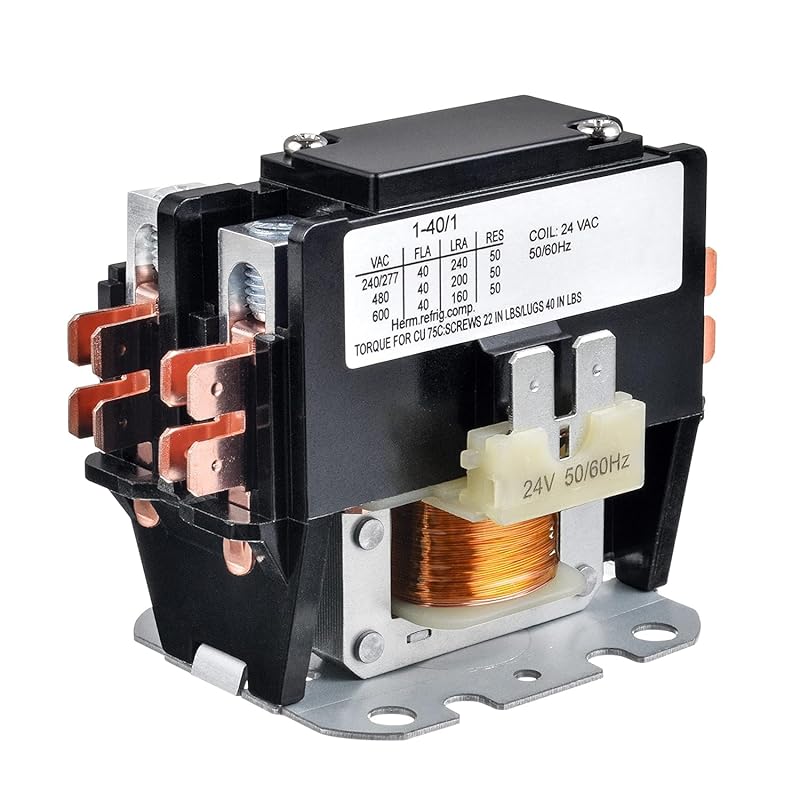
Visual guide about Cost of New Carrier Air Conditioner and Furnace
Image source: thumb.ac-illust.com
Types of Carrier Air Conditioners
- Split Systems: Most homeowners choose this traditional setup, which consists of an outdoor condenser and indoor evaporator coil connected via refrigerant lines.
- Ductless Mini-Splits: Ideal for homes without ductwork, these units cool individual rooms using wall-mounted heads and a single outdoor compressor.
- Hybrid Heat Pumps: Combine electric heat pumps with gas furnaces, switching automatically based on outdoor temperature for maximum efficiency year-round.
SEER Rating Explained
Seasonal Energy Efficiency Ratio (SEER) measures how efficiently your air conditioner converts electricity into cooling power. The higher the SEER rating, the less energy you consume. Here’s what typical ratings mean:
- 13–15 SEER: Meets minimum federal standards but may cost more to run over time.
- 16–18 SEER: Mid-range efficiency—great balance of price and savings.
- 20+ SEER: Premium efficiency; ideal if you live in extreme climates or plan to stay in your home long-term.
For example, upgrading from a 13 SEER to a 18 SEER unit could save you $100–$200 annually on cooling bills—worth the extra upfront cost for many families.
Typical Cost Range for Carrier Air Conditioners
Based on nationwide averages (as of 2024), here’s what you can expect:
| System Type | Equipment Only | Total Installed Cost* |
|---|---|---|
| Standard Split System (14 SEER) | $2,200–$3,500 | $4,000–$6,500 |
| High-Efficiency Split System (18 SEER) | $3,500–$5,000 | $6,000–$8,500 |
| Ductless Mini-Split (18 SEER) | $2,800–$4,200 | $4,500–$7,000 |
*Includes removal/disposal of old unit, ductwork modifications (if needed), thermostat, and standard labor.
Note: Prices vary by region, contractor markup, and whether ductwork needs repair or replacement.
Exploring Carrier Furnaces: Heating Solutions That Last
When winter arrives, your furnace becomes your home’s lifeline. Carrier furnaces are built with advanced combustion technology, whisper-quiet blowers, and corrosion-resistant heat exchangers—ensuring warmth when you need it most.
Visual guide about Cost of New Carrier Air Conditioner and Furnace
Image source: muhammadiyahtemanggung.com
Furnace Types & Efficiency Ratings
- Single-Stage: Runs at full capacity only. Simple and affordable but less efficient.
- Two-Stage: Adjusts output between high and low settings—ideal for consistent comfort and lower fuel use.
- Variable-Capacity: Continuously modulates heat output for precise temperature control and maximum efficiency.
What Is AFUE?
Annual Fuel Utilization Efficiency (AFUE) tells you how much heat your furnace produces compared to the fuel it burns. A 90 AFUE furnace wastes only 10% of energy; a 60 AFUE model loses 40%. Today’s top-tier Carrier furnaces reach 95–98.5 AFUE.
Carrier Furnace Pricing Breakdown
Here’s a realistic look at what furnace replacements cost:
| Furnace Model Tier | AFUE Rating | Equipment Price | Installed Total* |
|---|---|---|---|
| Basic Comfort Series | 80–83% | $1,800–$2,500 | $3,500–$5,000 |
| Performance Series | 85–90% | $2,500–$3,800 | $4,500–$6,500 |
| Infinity Series (Premium) | 95%+ | $4,000–$6,000 | $6,500–$9,000 |
*Labor, venting, flue inspection, and thermostat included. Does not include electrical upgrades or duct sealing unless specified.
If you currently have a 15-year-old 78 AFUE furnace, swapping it for a 95 AFUE model could save you $300–$600 per year on heating costs—especially impactful in cold climates.
Full-Home HVAC Replacement vs. Individual Upgrades
Many homeowners wonder: should I replace my air conditioner or furnace first—or just one? While it’s tempting to stagger expenses, pairing both units ensures peak performance and avoids compatibility issues.
Why Replace Both Together?
- Balanced Performance: Matching age and efficiency prevents one system from overworking the other.
- Improved Indoor Air Quality: Modern filters and UV lights work better when integrated across the entire system.
- Extended Warranty Coverage: Some manufacturers offer extended warranties only if both components are replaced simultaneously.
When It Makes Sense to Do Them Separately
There are exceptions. If your furnace is under warranty and functioning well, delaying its replacement might be wise. Similarly, if your air conditioner is relatively new but your ducts are leaky or undersized, focusing on ductwork improvements could yield faster ROI than buying a new AC.
Estimated Costs for Full Carrier System Replacements
| System Combination | Estimated Installed Cost | Potential Annual Savings |
|---|---|---|
| 16 SEER AC + 80 AFUE Furnace | $5,500–$7,500 | $400–$700 |
| 18 SEER AC + 95 AFUE Furnace | $8,000–$11,000 | $600–$1,000 |
| 20 SEER AC + Variable Furnace | $10,000–$14,000+ | $800–$1,300 |
Remember: these totals assume no major ductwork repairs, accessible utility connections, and standard labor rates. Complex jobs (e.g., retrofitting older homes) can add $1,000–$3,000.
Hidden Costs & Additional Expenses to Budget For
While the sticker price gives you a starting point, real-world installations often involve extras that affect your final bill.
Ductwork Repairs and Modifications
Leaky, oversized, or poorly insulated ducts waste up to 30% of conditioned air. If your ducts need sealing, resizing, or adding insulation, factor in $500–$2,500 extra—depending on house size and layout.
Electrical Upgrades
Older homes may lack sufficient amperage or proper grounding for new high-efficiency units. Electrical panel updates or new breaker installations can run $800–$2,000.
Permits and Inspections
Most municipalities require permits for HVAC replacements. Expect $100–$300 for paperwork and inspections—though some contractors bundle this into their quote.
Thermostat and Smart Home Integration
Upgrading to a programmable or Wi-Fi-enabled thermostat adds $150–$500. But consider it a worthwhile investment: smart thermostats learn your habits and can cut energy use by up to 10%.
Disposal Fees for Old Equipment
Landfills charge $50–$150 to dispose of old AC units or furnaces. Some installers include this fee; others charge separately.
Emergency Service or After-Hours Labor
Last-minute scheduling or weekend/holiday calls often come with premium labor rates—sometimes doubling the base hourly charge.
Money-Saving Tips: How to Reduce Your Carrier HVAC Costs
You don’t have to sacrifice quality to stay within budget. These strategies can shrink your out-of-pocket expense without compromising comfort.
Shop During Off-Peak Seasons
Spring and fall see lower demand. Contractors may offer discounts of 5–15% to fill their schedules. Avoid summer heatwaves if possible!
Bundle Services
Ask about “whole-home” packages. Many dealers offer free duct scans, insulation checks, or complimentary maintenance visits when you purchase both heating and cooling systems.
Compare Multiple Quotes
Get estimates from at least three licensed Carrier contractors. Don’t just compare prices—check reviews, warranties offered, and whether they use factory-trained technicians.
Apply for Rebates and Tax Credits
Federal tax credits under the Inflation Reduction Act (IRA) allow you to claim up to $2,000 over five years for qualifying heat pump installations (including hybrid systems). Plus, utilities like PG&E, Con Edison, and Southern California Edison offer rebates up to $1,500 for ENERGY STAR-certified Carrier units.
Consider Financing Plans
Carrier dealers often partner with companies like Greensky or Wells Fargo to offer:
- 0% APR for 12–24 months
- No prepayment penalties
- Same-day approval
This lets you enjoy immediate energy savings while spreading payments comfortably.
Maintain Your New System
Schedule biannual tune-ups. Clean coils, calibrated thermostats, and lubricated motors keep your Carrier unit operating at peak efficiency—preventing costly breakdowns and maximizing lifespan (often 15–20 years).
Choosing the Right Carrier Model for Your Home
With dozens of Carrier models available, selecting the perfect fit requires balancing performance needs, square footage, climate, and budget.
Assessing Your Home’s Cooling Load
An HVAC contractor calculates your home’s “load” using Manual J calculations—factoring in attic insulation, window types, orientation, and local weather data. Oversized units short-cycle (turn on/off frequently), wasting energy and shortening lifespan. Undersized units struggle to maintain temperature.
Top Carrier Models by Category
- Best Value: Carrier Comfort Series (14 SEER AC / 80 AFUE furnace)
- Best Overall: Carrier Performance Series (18 SEER AC / 90 AFUE furnace)
- Best for Extreme Climates: Carrier Infinity Series (20 SEER AC / 95 AFUE furnace)
- Best for Older Homes: Ductless mini-splits avoid ductwork issues
Smart Features Worth Considering
- Humidity Control: Built-in dehumidifiers improve comfort in humid regions.
- SilentComfort™ Technology: Reduces operational noise by up to 50%.
- HomeKit/Google Assistant Compatibility: Voice-control your system from anywhere.
Real-World Example
A 2,400 sq ft home in Phoenix, AZ, with existing ductwork, opted for a 4-ton 18 SEER Carrier air conditioner paired with a two-stage 95 AFUE furnace. Total installed cost: $8,700 after $400 in utility rebates. They expect annual savings of ~$850 compared to their 10-year-old 13 SEER/78 AFUE combo—paying back the investment in just over 10 years.
Conclusion: Is Now the Right Time to Upgrade?
Investing in a new Carrier air conditioner or furnace is more than a home improvement—it’s a strategic move toward greater comfort, sustainability, and financial peace of mind. With today’s advanced efficiency standards, smart controls, and generous incentives, there’s never been a better time to act.
Whether you prioritize energy savings, indoor air quality, or simply want a quieter, more reliable system, Carrier delivers industry-leading solutions tailored to every home and budget. By understanding the true cost—including hidden fees and long-term benefits—you can make a confident decision that protects your wallet and enhances your lifestyle for years to come.
Ready to get started? Schedule a free consultation with a certified Carrier dealer today. They’ll assess your home, explain available rebates, and design a custom solution that maximizes value and performance.
Frequently Asked Questions
Is it worth paying extra for a high-efficiency Carrier air conditioner?
Absolutely. High-efficiency models (18+ SEER) may cost $1,000–$2,000 more upfront but save $150–$300 annually on electricity, often paying for themselves in 5–7 years.
Do I need to replace my ductwork when buying a new Carrier furnace?
Not always, but if your ducts are leaking, oversized, or poorly insulated, sealing or upgrading them can boost efficiency by 15–30% and is recommended for best results.
What size air conditioner do I need for my home?
Size depends on square footage, insulation, windows, and climate. A licensed contractor uses Manual J calculations to determine the correct tonnage—usually 1 ton per 400–600 sq ft.
How often should I service my Carrier HVAC system?
Biannually: once before summer (for AC) and once before winter (for furnace). Regular maintenance prevents breakdowns and keeps efficiency at peak levels.
Can I finance my Carrier HVAC installation?
Yes. Many Carrier dealers offer 0% APR financing for 12–24 months, allowing you to spread payments while enjoying immediate energy savings.
Are Carrier systems compatible with smart thermostats?
Yes, almost all modern Carrier units work seamlessly with Nest, Ecobee, Honeywell, and other popular smart thermostats for remote control and automation.