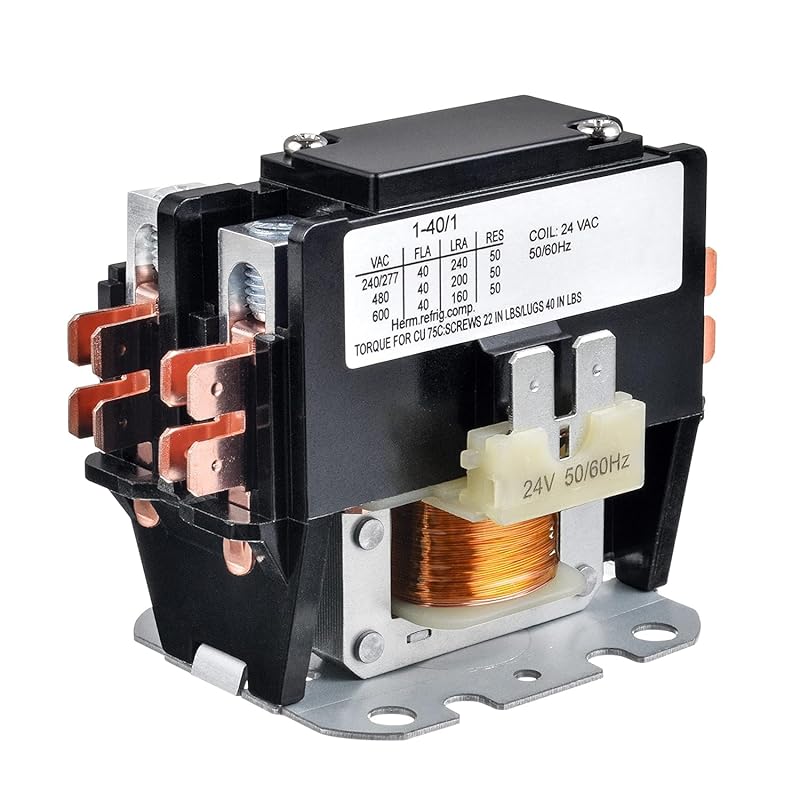
The cost of Carrier air conditioner coils can range from $150 to over $600, depending on whether you need a condenser coil, evaporator coil, or both. Factors like model, refrigerant type, and labor costs heavily influence the final price. This guide breaks down everything you need to know about Carrier AC coil costs, helping you budget wisely and avoid unexpected expenses during repairs or replacements.
Key Takeaways
- Replacement Cost Range: Expect to pay between $300 and $800 total for Carrier AC coil replacement, including parts and labor.
- Coil Type Matters: Condenser coils typically cost $150–$400, while evaporator coils run $200–$600, with higher-end models exceeding $600.
- DIY vs. Professional: DIY installation can save $100–$200 in labor but requires technical skill and safety precautions.
- Labor Costs Vary: HVAC technician fees average $75–$150 per hour, adding significantly to total repair costs.
- Warranty & Savings: Check your warranty—some Carrier units cover coil replacement for up to 10 years if damage is due to manufacturing defects.
- Preventive Maintenance: Regular cleaning and filter changes can extend coil life and reduce long-term repair costs.
- Energy Efficiency Impact: Faulty coils reduce efficiency by 10–20%, increasing electricity bills—prompt repairs save money over time.
Quick Answers to Common Questions
How much does it cost to replace a Carrier AC coil?
Replacing a Carrier AC coil typically costs between $400 and $900, including parts and labor. Condenser coils range from $150–$400, while evaporator coils cost $200–$600. Labor adds $200–$600 depending on complexity and location.
Can I replace my Carrier AC coil myself?
Only simple tasks like cleaning a condenser coil are safe for DIY. Replacing internal or refrigerant-handling components requires EPA certification and specialized tools. Improper handling can damage your system or violate environmental laws.
Is replacing an AC coil worth it?
Yes—if your coils are leaking, corroded, or causing poor cooling. A faulty coil forces your compressor to work harder, increasing energy bills and risking total system failure. Prompt replacement restores efficiency and extends equipment life.
How long do Carrier AC coils last?
With proper maintenance, Carrier coils can last 10–15 years. However, exposure to harsh weather, poor airflow, or hard water can shorten their lifespan. Regular cleaning and filter changes help maximize longevity.
Does Carrier offer warranty coverage on coils?
Yes, many Carrier systems include a 5–10 year limited warranty covering defects in materials and workmanship. Damage from normal wear, lack of maintenance, or improper installation is usually not covered. Always check your specific warranty terms.
📑 Table of Contents
- Understanding Carrier Air Conditioner Coils: The Heart of Your Cooling System
- Types of Carrier AC Coils and Their Functions
- What Affects the Cost of Replacing a Carrier AC Coil?
- Average Cost Breakdown: Parts vs. Labor
- Signs It’s Time to Replace Your Carrier AC Coil
- DIY vs. Hiring a Pro: What Should You Do?
- How to Save Money on Carrier AC Coil Replacement
- Long-Term Benefits of Timely Coil Maintenance
- Conclusion: Invest Wisely in Your Carrier AC Coils
Understanding Carrier Air Conditioner Coils: The Heart of Your Cooling System
When your Carrier air conditioning system starts acting up, one of the first things you might hear about is the coil. But what exactly are these coils, and why do they matter so much? Simply put, air conditioner coils are the unsung heroes of your cooling setup. They’re responsible for transferring heat—removing warmth from inside your home and releasing it outside. Without properly functioning coils, your AC simply won’t cool effectively, no matter how hard it tries.
In this comprehensive guide, we’ll dive deep into the world of Carrier air conditioner coils. You’ll learn about the different types, understand what causes them to fail, and most importantly—get a clear picture of how much replacing or repairing them actually costs. Whether you’re dealing with a leaky condenser coil or noticing reduced airflow, knowing the ins and outs of coil maintenance and replacement will save you time, money, and frustration.
Types of Carrier AC Coils and Their Functions
Carrier air conditioners use two main types of coils: the **condenser coil** and the **evaporator coil**. Each plays a distinct role in the refrigeration cycle, and both are essential for efficient cooling.

Visual guide about Cost of Carrier Air Conditioner Coil
Image source: i.pinimg.com
Condenser Coils: The Heat Exchanger Outside
The condenser coil is located on the outdoor unit of your Carrier AC. Its job is to release heat from the refrigerant that has absorbed indoor warmth. As warm gas travels through the coil, it cools down and turns back into liquid. However, if the condenser coil gets dirty, corroded, or damaged, it can’t release heat efficiently—leading to poor cooling performance and higher energy bills.
Evaporator Coils: The Chill Zone Inside
Found inside your furnace or air handler, the evaporator coil absorbs heat from indoor air as it passes over cold refrigerant lines. This process cools the air before it circulates through your ductwork. Over time, evaporator coils can develop frost buildup, leaks, or mineral deposits—especially if you have hard water or aren’t changing filters regularly.
Knowing which coil is failing helps determine the right repair path. For example, a noisy outdoor unit might point to a condenser coil issue, while reduced airflow indoors could signal an evaporator coil problem.
What Affects the Cost of Replacing a Carrier AC Coil?
The price of replacing a Carrier air conditioner coil isn’t fixed—it varies based on several key factors. Understanding these variables helps you anticipate costs and make informed decisions.
Visual guide about Cost of Carrier Air Conditioner Coil
Image source: upload.wikimedia.org
Model and Unit Size
Larger Carrier systems (like those rated at 4–5 tons) require bigger, more expensive coils than smaller units. High-efficiency models such as the Carrier Infinity series often use advanced materials and designs, driving up part costs compared to standard models.
Type of Coil: Copper vs. Aluminum
Most Carrier coils are made from copper tubing fins, which offer excellent thermal conductivity and durability. Some newer models use aluminum, which is lighter and cheaper but may corrode faster in humid climates. Copper coils generally cost more upfront but last longer.
Refrigerant Compatibility
Not all coils work with every refrigerant type. Older R-22 units are being phased out due to environmental concerns, so replacement coils must match your current or upgraded refrigerant (typically R-410A). Mismatched components can void warranties and cause system failure.
Labor Costs and Technician Fees
Even the best-quality coil won’t help if it’s not installed correctly. HVAC technicians charge by the hour—usually between $75 and $150—and complex installations (like accessing hard-to-reach coils or handling freon safely) can take 2–4 hours. Always get multiple quotes to compare rates.
Geographic Location
HVAC labor rates vary widely by region. Urban areas tend to have higher prices than rural ones. Plus, some regions have seasonal demand spikes (like summer), which can temporarily increase service call fees.
Warranty Coverage
If your Carrier system is still under warranty (typically 5–10 years), the manufacturer may cover coil replacement if the damage stems from a defect—not poor maintenance. Be sure to document any issues and contact Carrier directly before paying out-of-pocket.
Average Cost Breakdown: Parts vs. Labor
Let’s look at real-world numbers to give you a clearer sense of what to expect when replacing a Carrier AC coil.
Parts Only: $150 – $650+
- Standard Condenser Coil: $150–$300
- High-Efficiency Condenser Coil: $300–$450
- Standard Evaporator Coil: $200–$400
- Premium Evaporator Coil (with antimicrobial coating): $400–$650+
These prices reflect OEM (Original Equipment Manufacturer) parts from Carrier or reputable aftermarket suppliers. Generic brands may be cheaper but could lack quality assurance.
Labor Only: $200 – $600
A typical HVAC job involving coil removal, freon handling, and reinstallation takes 2–3 hours. At $100/hour, that’s $200–$300 just for labor. Add diagnostic fees ($75–$150), freon recharge (if needed), and disposal charges, and totals climb quickly.
Total Replacement Cost: $400 – $1,200+
For most homeowners, budgeting between $500 and $900 covers the full scope of a coil replacement. High-end systems or complex jobs (e.g., retrofitting old units) may push costs toward $1,200 or more.
Signs It’s Time to Replace Your Carrier AC Coil
Ignoring coil problems doesn’t make them go away—it usually makes things worse. Watch for these red flags:
- Rusting or Corrosion: Especially on outdoor coils exposed to rain and humidity.
- Ice Buildup on Indoor Coils: Indicates restricted airflow or low refrigerant levels.
- Water Leaks Indoors: Could mean a cracked evaporator coil.
- Unusual Noises from Outdoor Unit: Grinding or rattling may signal loose or damaged condenser fins.
- Sudden Rise in Energy Bills: Inefficient coils force the compressor to work harder.
If you notice any of these symptoms, schedule a professional inspection immediately. Delaying repairs can lead to compressor failure—a much more expensive fix.
DIY vs. Hiring a Pro: What Should You Do?
Many DIY enthusiasts consider tackling AC coil repairs themselves to save money. While possible in some cases, it comes with risks.
When DIY Might Work
Cleaning a dirty condenser coil with a garden hose and brush is safe and effective—and costs nothing beyond your time. Similarly, replacing an easily accessible evaporator coil (in a basement or utility closet) might be manageable if you have basic tools and follow safety guidelines.
Why Professionals Are Often Better
Handling freon requires certification under EPA Section 608 regulations. Improper recovery or recharging can harm the environment and damage your system. Technicians also have specialized tools for leak detection, vacuum pumping, and precise freon measurement. Plus, they provide warranties on their work—giving you peace of mind.
Safety First!
Never attempt to open an AC unit yourself unless it’s completely powered off and disconnected. Working with electrical components and refrigerants is dangerous without proper training.
How to Save Money on Carrier AC Coil Replacement
Replacing a coil doesn’t have to break the bank. Here are practical ways to reduce costs:
- Schedule Preventive Maintenance: Annual tune-ups keep coils clean and catch minor issues early.
- Ask About Financing Plans: Many HVAC companies offer interest-free payment options for major repairs.
- Compare Multiple Quotes: Get estimates from at least three licensed contractors.
- Check for Rebates: Utility companies sometimes reimburse part of the cost for high-efficiency upgrades.
- Consider a Whole-Home Solution: If your unit is aging, investing in a new Carrier system now may qualify for rebates and include free coil replacements.
Long-Term Benefits of Timely Coil Maintenance
Think of your AC coils as the foundation of your cooling comfort. Neglect them, and you’ll face higher bills, shorter equipment life, and frequent breakdowns. On the other hand, keeping coils clean and functional ensures:
- Consistent indoor temperatures
- Improved air quality (less mold and debris)
- Lower carbon footprint (due to better efficiency)
- Extended lifespan of your entire HVAC system
Simple habits—like changing air filters monthly and clearing debris around the outdoor unit—go a long way toward preserving coil health.
Conclusion: Invest Wisely in Your Carrier AC Coils
Understanding the cost of Carrier air conditioner coils empowers you to make smart choices about repairs, maintenance, and upgrades. While prices vary based on model, location, and labor, knowing what to expect helps you budget confidently and avoid surprise expenses. Whether you choose DIY cleaning or professional replacement, prioritize safety, quality parts, and timely action.
Remember: a small investment in coil care today prevents costly failures tomorrow. And if your system is nearing the end of its lifespan, now might be the perfect time to explore modern, energy-efficient Carrier models with superior coil technology.
Stay cool, stay informed, and let your Carrier air conditioner do what it does best—keep your home comfortable year-round.
Frequently Asked Questions
What causes Carrier AC coils to fail?
Common causes include dirt buildup, corrosion from moisture, frozen evaporator coils due to low freon or airflow issues, and physical damage from storms or debris. Poor maintenance accelerates wear and tear.
How often should I clean my Carrier AC coils?
Clean the outdoor condenser coil at least once a year—preferably before summer. Indoor evaporator coils benefit from annual professional cleaning if accessible. Use a soft brush and mild detergent; never spray directly into electrical components.
Can a dirty coil affect my energy bill?
Absolutely. Dirty or blocked coils restrict heat transfer, forcing your compressor to run longer and consume more electricity. You may see a 10–20% increase in energy usage when coils are clogged with dust or leaves.
Do I need to recharge freon when replacing a coil?
Not always. If the old coil was intact and the system wasn’t losing freon, you may not need a recharge. However, during replacement, technicians often evacuate and recharge the system to ensure optimal performance and efficiency.
Are aftermarket coils cheaper than OEM parts?
Yes, aftermarket coils can be 20–40% less expensive than Carrier-branded parts. But they may lack durability, compatibility guarantees, or warranties. For critical components like coils, OEM parts are recommended for reliability and peace of mind.
Will insurance cover AC coil replacement?
Homeowners insurance rarely covers routine HVAC repairs like coil replacement. However, if damage results from a covered event (e.g., hailstorm or lightning strike), you may file a claim. Contact your insurer to confirm policy details.