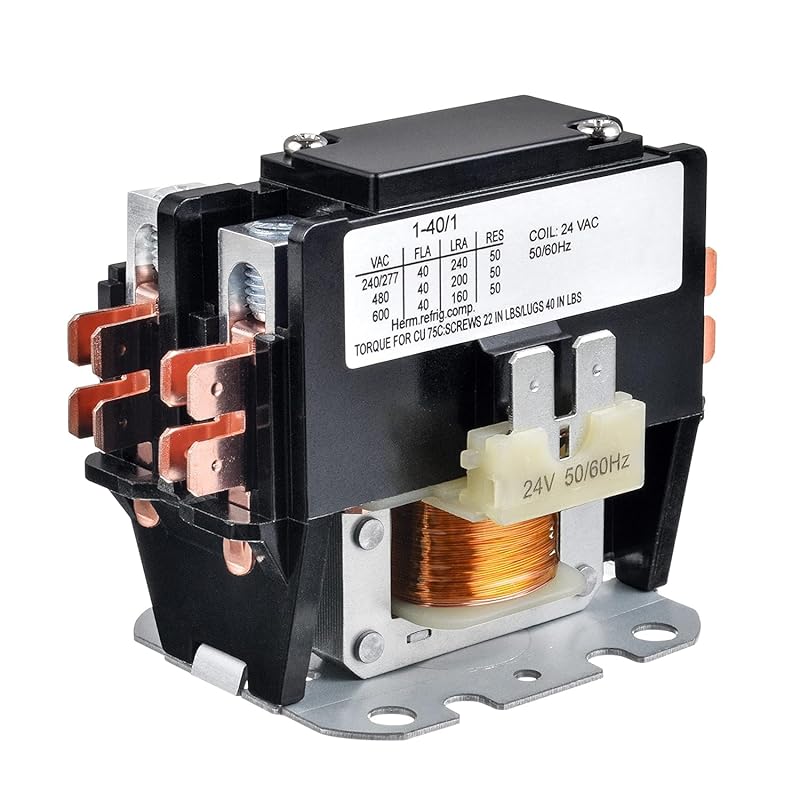
The cost of Carrier 3 ton air conditioner units typically ranges from $1,800 to $4,500 installed, depending on model efficiency and features. With proper installation and regular maintenance, these systems can deliver reliable cooling for large homes or offices while offering long-term energy savings. Choosing the right unit ensures comfort, durability, and lower utility bills over time.
Key Takeaways
- Price Range: A Carrier 3 ton AC unit costs between $1,600 and $3,800 before installation, with total project costs reaching up to $4,500.
- Installation Fees: Labor and setup add $800–$2,000, depending on ductwork, electrical upgrades, and location.
- Energy Efficiency: High SEER-rated models save up to 30% on electricity bills compared to older units.
- Warranty Benefits: Carrier offers strong warranties (up to 10 years), reducing long-term repair costs.
- Rebates & Incentives: Utility rebates may cover 10–30% of purchase and installation if you upgrade to an Energy Star-certified model.
- Lifespan & ROI: Properly maintained Carrier ACs last 15–20 years, offering strong return on investment through energy savings.
- Financing Options: Many retailers and manufacturers offer 0% APR financing to make high upfront costs more manageable.
Quick Answers to Common Questions
How much does a Carrier 3 ton AC unit cost installed?
Total installation costs range from $2,400 to $4,500, including the unit ($1,600–$3,800) and labor/permits ($800–$2,000).
Is Carrier worth the higher price?
Yes—Carrier units last longer, use less energy, and come with superior warranties, offering better long-term value despite higher initial cost.
Can I finance a Carrier AC purchase?
Most dealers offer 0% APR financing for 24–60 months, making expensive units affordable with low monthly payments.
Do I need new ductwork for a Carrier 3 ton unit?
Not always. Existing ducts can be reused, but leaks or poor design may require repairs or upgrades, adding to total cost.
Are there rebates for Carrier ACs?
Yes—many utility programs offer $200–$1,000+ in rebates for high-efficiency models like Carrier’s Energy Star-certified units.
📑 Table of Contents
- The Real Cost of a Carrier 3 Ton Air Conditioner: What You Need to Know
- Understanding the Base Price of a Carrier 3 Ton AC Unit
- Installation Costs: What Goes Into the Bill?
- Energy Efficiency and Long-Term Savings
- Warranty Coverage and Maintenance Costs
- Financing and Rebate Opportunities
- Which Carrier Model Is Right for You?
- Tips to Save on Your Carrier AC Investment
- Conclusion: Is the Cost Worth It?
The Real Cost of a Carrier 3 Ton Air Conditioner: What You Need to Know
Thinking about upgrading or installing a new air conditioning system? If you’ve landed here, chances are you’re curious about the cost of Carrier 3 ton air conditioner systems—and for good reason. Carrier is one of the most trusted names in HVAC, known for reliability, innovation, and energy efficiency. But how much does it actually cost to buy and install one?
A 3-ton AC unit is ideal for cooling spaces between 1,800 and 2,400 square feet—perfect for large homes, open-plan offices, or small commercial buildings. While Carrier offers several models across different price points, understanding the full cost picture helps you budget wisely and avoid surprise expenses. From base unit prices to installation fees, permits, and ongoing maintenance, we’ll break down every expense so you can make an informed decision.
In this guide, we’ll explore everything from current market prices to financing tips and energy-saving strategies. Whether you’re replacing an old system or building new, knowing what to expect saves time, money, and stress. Let’s dive into the numbers behind the Carrier 3 ton air conditioner.
Understanding the Base Price of a Carrier 3 Ton AC Unit
What Does “3 Ton” Mean?
Before we talk money, let’s clarify what “3 ton” really means. In HVAC terms, a “ton” refers to the cooling capacity—one ton equals 12,000 BTUs (British Thermal Units). So, a 3-ton unit cools about 36,000 BTUs per hour. That’s enough power to chill a big living room, open kitchen, or entire two-story home comfortably.
Visual guide about Cost of Carrier 3 Ton Air Conditioner
Image source: gd-hbimg.huaban.com
Carrier produces both central air conditioners and ductless mini-split systems in 3-ton sizes. Central units are installed inside or outside your home with ductwork, while mini-splits are wall-mounted and ideal for homes without ducts. The type you choose affects price, installation complexity, and performance.
Current Market Prices (2024)
As of 2024, the standalone price for a Carrier 3-ton air conditioner typically falls between $1,600 and $3,800. Here’s a quick breakdown:
- Budget Models: $1,600–$2,200 (basic efficiency, fewer smart features)
- Midsize Models: $2,200–$3,000 (better SEER rating, improved controls)
- High-End Models: $3,000–$3,800 (premium efficiency, Wi-Fi, variable-speed compressors)
For example, the Carrier 24ANB7 is a popular midsize model priced around $2,400, while the 24VSX2 offers advanced inverter technology for about $3,600. Always check official Carrier dealer websites or authorized retailers like Home Depot, Lowe’s, or HVAC specialty shops for accurate pricing.
Keep in mind that prices fluctuate due to demand, supply chain issues, seasonal promotions, and regional differences. Winter months often see discounts, while summer peaks drive up costs slightly.
Installation Costs: What Goes Into the Bill?
Labor and Setup Fees
Installing a Carrier 3 ton air conditioner isn’t just about plugging it in. Professional installation ensures safety, efficiency, and compliance with local codes. On average, labor costs range from $800 to $2,000, depending on several factors:
- Whether you’re replacing an existing unit or installing a brand-new system
- Complexity of ductwork (retrofitting ducts adds significant cost)
- Electrical requirements (new circuits or breaker upgrades)
- Refrigerant handling and EPA certification needed for Freon replacement
If your home lacks ductwork, a ductless mini-split may be cheaper to install—sometimes under $1,500 total—but still within the same overall budget range.
Permits and Inspections
In many cities, HVAC installations require permits and inspections. These aren’t optional—they ensure your system meets fire safety, electrical, and building code standards. Expect to pay $100–$300 for permit fees. Some contractors include this in their quote; others bill it separately.
Failure to obtain a permit can void insurance coverage and lead to fines. Always verify whether your installer handles permitting or if you need to apply independently.
Additional Upgrades That Add Cost
Sometimes, installing a new AC reveals hidden issues. For instance:
- Duct Repairs: Leaky or poorly insulated ducts can waste up to 30% of cooled air. Fixing them adds $500–$2,000.
- Thermostat Replacement: Smart thermostats like the Carrier Cor smart enhance efficiency but cost $200–$400 extra.
- Outdoor Pad or Foundation: Concrete pads prevent corrosion and meet warranty requirements—adds $150–$400.
These are common “hidden costs” that reputable contractors will discuss during the free estimate phase. Never skip the inspection—it protects your investment.
Energy Efficiency and Long-Term Savings
SEER Ratings Matter
Seasonal Energy Efficiency Ratio (SEER) measures how efficiently your AC uses electricity. Higher SEER = lower bills. Carrier’s top-tier models boast SEER ratings up to 26, compared to the federal minimum of 13.
Let’s do a quick comparison:
| SEER Rating | Annual Electricity Cost (for 3 tons, 1,200 hrs/year) |
|---|---|
| 13 | $690 |
| 18 | $495 |
| 22 | $409 |
| 26 | $345 |
Over 15 years, switching from SEER 13 to SEER 26 could save you nearly $5,000 in electricity alone—more than offsetting the higher upfront cost.
Smart Features Reduce Usage
Modern Carrier units come with apps, geofencing, and learning algorithms. The Carrier app lets you adjust temperature remotely, schedule cooling cycles, and monitor usage. This prevents wasted energy when no one’s home. Studies show smart thermostat users save an average of 10–15% annually on cooling costs.
Warranty Coverage and Maintenance Costs
What’s Included in Carrier Warranties?
Carrier backs its 3-ton units with comprehensive warranties:
- Compressor: 10 years (on select models)
- Parts: 5–10 years
- Labor: Usually 1 year (often transferable)
Compare this to competitors—many brands cap compressor warranties at 5 years. Extended warranty plans are available for an additional $200–$500, covering labor beyond the first year.
Annual Maintenance Expenses
To keep your Carrier AC running smoothly and maintain warranty validity, plan for annual maintenance. A professional tune-up costs $100–$250 and includes:
- Coil cleaning
- Filter replacement
- Refrigerant level checks
- System diagnostics
DIY filter changes ($10–$20 every 1–3 months) help too. Neglecting maintenance reduces efficiency by 10–25% and shortens lifespan.
Financing and Rebate Opportunities
0% Interest Financing
Many Carrier dealers partner with third-party lenders to offer 0% APR financing for 24–60 months. For example, buying a $3,200 unit with 36-month financing at 0% means monthly payments of about $89—no interest charges. This makes high-quality systems more accessible without draining savings.
Check eligibility requirements: credit score above 650, stable income, and approval through the lender. Pre-qualification usually takes minutes online.
Utility Company Rebates
Switching to a high-efficiency Carrier AC often qualifies for rebates. Programs like ENERGY STAR’s rebate finder show incentives in your area. Typical rewards:
- Up to $500 for qualifying central AC units
- $200–$400 for smart thermostats
- $100–$300 for duct sealing or insulation
Some utilities even offer $1,000+ for whole-home efficiency upgrades. Apply during or after installation—save receipts!
Which Carrier Model Is Right for You?
Best Value Pick: Carrier 24ANB7
This 3-ton, 18 SEER unit balances performance and affordability. Priced around $2,400, it’s ideal for homeowners wanting reliable cooling without premium extras. It includes basic Wi-Fi control and quiet operation—great for bedrooms and living areas.
Top Performance Choice: Carrier 24VSX2
If budget allows, the 24VSX2 delivers inverter-driven efficiency (SEER 26), whisper-quiet operation, and adaptive humidity control. At ~$3,600, it’s perfect for extreme climates or homes with frequent occupancy. The variable-speed compressor adjusts output precisely, saving energy during mild weather.
Ductless Alternative: Carrier 30MBLU
For homes without ducts, the 30MBLU mini-split offers zoned cooling. One outdoor unit powers up to four indoor heads. Total cost runs $2,800–$4,000 installed—cheaper than retrofitting ducts but pricier than central systems.
Tips to Save on Your Carrier AC Investment
- Get Multiple Quotes: Compare at least three licensed contractors. Ask for itemized breakdowns.
- Schedule Installations Early: Spring and fall offer better scheduling and discounts.
- Upgrade Now, Reap Later: Even if you’re not ready to install, sign up for rebates early.
- Use a Programmable Thermostat: Reduces runtime by 7–10 hours weekly.
- Seal Windows and Doors: Improves efficiency by up to 20%—low-cost DIY fix.
Conclusion: Is the Cost Worth It?
So, what’s the real cost of Carrier 3 ton air conditioner? Between $2,400 and $4,500 total, depending on model, location, and upgrades. While this seems steep, consider the long game: energy savings, extended lifespan, warranty protection, and increased home value.
Carrier stands out for durability and innovation—making it a smart long-term investment. With financing, rebates, and maintenance tips, you can manage the upfront cost while enjoying year-round comfort. Don’t settle for outdated, inefficient systems when today’s tech cuts bills and boosts reliability.
Ready to move forward? Start by getting a free quote from a Carrier-certified contractor. They’ll assess your space, recommend the best model, and explain all associated costs transparently. Your future self (and utility bill) will thank you.
Frequently Asked Questions
===
What is included in the cost of a Carrier 3 ton air conditioner?
The total cost includes the unit price, professional installation, permits, and sometimes ductwork modifications. Most quotes provide a detailed breakdown before work begins.
How long does a Carrier 3 ton AC last?
With proper care, Carrier ACs typically last 15–20 years. Annual maintenance and timely repairs extend lifespan significantly.
Can I install a Carrier AC myself?
No. AC installation requires EPA certification, electrical knowledge, and adherence to safety codes. DIY attempts can void warranties and create hazards.
Does a 3 ton unit cool my entire house?
A 3-ton unit suits homes up to 2,400 sq ft. Oversizing wastes energy; undersizing leads to constant running. An HVAC pro will size it correctly.
Should I replace my old AC now or wait?
If your current unit is over 10 years old, inefficient, or breaking down, replacing now avoids emergency repairs and higher energy bills.
Are Carrier ACs noisy?
Modern Carrier models operate quietly—under 70 decibels—especially inverter-based units that adjust speed to match demand, reducing fan noise.