Looking for a reliable 2-ton Carrier air conditioner? This guide covers everything from pricing to installation costs, energy savings, and maintenance tips. Whether you're cooling a medium-sized home or office, understanding the total cost helps you budget wisely and choose the right model.
Key Takeaways
Initial Purchase Price: A 2-ton Carrier AC unit typically ranges from $800 to $1,600, depending on inverter technology and features.
Installation Costs: Professional installation adds $500–$1,200, including ductwork, electrical work, and refrigerant lines.
Energy Efficiency Saves Money: ENERGY STAR-rated models can reduce electricity bills by 10–30% compared to older units.
Long-Term Ownership Cost: Factor in 10–15 years of operation; higher upfront costs may pay off through lower utility bills.
Maintenance Adds Value: Annual servicing keeps efficiency high and extends the AC’s lifespan by 3–5 years.
Rebates & Incentives: Many utilities offer rebates for efficient Carrier models, reducing net cost by up to $400.
Sizing Matters: A properly sized 2-ton unit prevents short cycling and improves comfort and energy use.
Quick Answers to Common Questions
What is the average cost of a 2 ton Carrier air conditioner?
The base price of a 2-ton Carrier air conditioner ranges from $800 to $1,600, depending on whether it's inverter-based, smart-enabled, or has additional features.
How much does it cost to install a 2 ton Carrier AC?
Installation typically costs between $500 and $1,200, including labor, refrigerant, electrical work, and potential permit fees.
Are Carrier ACs more expensive than other brands?
Yes, Carrier units usually cost 10–20% more than generic brands, but they offer superior efficiency, longer warranties, and better customer support.
Can I install a Carrier AC myself to save money?
DIY installation is not recommended unless you're experienced with HVAC systems. Improper setup voids warranties and risks damage or safety hazards.
Do Carrier ACs come with warranties?
Yes, most Carrier units include a 10-year compressor warranty and 5–10 years on parts, provided installation is done by a certified technician.
📑 Table of Contents
- Understanding the Cost of a 2 Ton Carrier Air Conditioner
- Pricing Breakdown: What You’ll Pay for a 2 Ton Carrier AC
- Installation Costs: Don’t Underestimate the Hidden Fees
- Energy Efficiency: Save Money Every Month
- Maintenance: Protect Your Investment
- Financing and Rebates: Make It Affordable
- Comparing 2 Ton Carrier vs. Competitors
- Real-World Example: A Family’s 2 Ton Carrier Experience
- Tips for Maximizing Value
- Conclusion: Is the Cost Worth It?
Understanding the Cost of a 2 Ton Carrier Air Conditioner
Cooling your home efficiently doesn’t have to mean breaking the bank—or draining your wallet over time. If you're considering installing a 2-ton Carrier air conditioner, you're likely weighing more than just sticker price. You want value, performance, and peace of mind. After all, this isn’t just another appliance—it’s a long-term investment in your comfort and home’s climate control system.
Carrier is one of the most trusted names in HVAC, known for innovation, durability, and smart energy solutions. Their 2-ton units are ideal for spaces between 900 and 1,500 square feet—perfect for medium-sized homes, townhouses, or small offices. But how much does it really cost to own one? Let’s break down every factor that affects the total price.
What’s New in 2026: SEER2 Standards and Refrigerant Transitions
As of 2026, the HVAC industry has fully adopted SEER2 testing procedures, which reflect real-world conditions more accurately than the older SEER metric. Carrier’s current 2-ton lineup reports SEER2 ratings ranging from 13.4 to 17.5 depending on the series. Additionally, most new units now ship with R-32 refrigerant, which has a lower global warming potential than the R-410A used in previous generations. These changes can affect both pricing and long-term operating costs, so confirm the exact rating and refrigerant with your dealer before purchasing.
Pricing Breakdown: What You’ll Pay for a 2 Ton Carrier AC
Carrier 2-ton condenser unit installed on a residential pad
Visual guide about Cost of 2 Ton Carrier Air Conditioner
Image source: item-shopping.c.yimg.jp
When shopping for a 2-ton Carrier air conditioner, you'll find prices vary widely based on model type, features, and where you buy. The base cost of the unit alone typically falls between $800 and $1,600. But remember—this is just the beginning.
Unit Prices by Technology Type
- Inverter Models: These advanced systems adjust compressor speed based on demand, offering quieter operation and better temperature control. Expect to pay $1,200–$1,600.
- Non-Inverter (Fixed-Speed): More affordable at $800–$1,100 but less efficient during partial loads.
- Smart Wi-Fi Enabled Models: Add remote access via smartphone apps. Premium features raise the price to $1,400–$1,600.
For example, the Carrier 24VNA9 ($1,599) is a top-tier inverter model with two-stage cooling and Wi-Fi control. Compare that to the 24ANA7 ($949), a basic single-speed unit with fewer bells and whistles.
Where to Buy and Why It Matters
Buying directly from Carrier or certified dealers ensures warranty protection and professional support. Big-box stores like Home Depot or Lowe’s often sell Carrier units at lower markups but may charge extra for delivery and installation. Online retailers such as Amazon sometimes bundle installation kits but lack hands-on service.
Pro tip: Always verify dealer certification. An uncertified installer could void your warranty.
Regional Price Variations and Dealer Network Factors
Beyond technology, your final unit price can shift by 5–15% depending on local market conditions, dealer overhead, and seasonal promotions. Carrier’s factory-authorized dealers often run spring or fall rebate events that aren’t advertised nationally. In practice, calling two or three certified dealers in your area and asking for an “out-the-door” price (unit + labor + permit) yields the clearest picture.
Installation Costs: Don’t Underestimate the Hidden Fees
This is where many buyers get surprised. While the unit price seems manageable, installation can easily add $500 to $1,200—sometimes more. Several variables influence final labor costs:
Labor Rates and Complexity
Electricians, HVAC technicians, and plumbers all contribute to setup. Most charge $80–$150 per hour. Simple replacements may take 4–6 hours, while new installations involving ductwork, wiring upgrades, or outdoor pad construction can stretch to 8+ hours.
What’s Included in Installation?
Typical services include:
- Removing old unit (if applicable)
- Mounting new indoor coil and outdoor condenser
- Running refrigerant lines with vacuum testing
- Electrical hookup and thermostat wiring
- Testing and balancing airflow
If you already have central ductwork, savings may apply. But if your home lacks ducts, you’ll need a ductless mini-split system—another $1,500–$3,000 added to the bill.
Permits and Inspections
Most cities require permits for AC installations. Your contractor should handle this, but confirm upfront. Permit fees range from $50 to $200, depending on local regulations.
Choosing a Certified Carrier Dealer for Installation
Carrier’s warranty requires installation by a factory-authorized technician. Using a certified dealer also ensures proper refrigerant charging, airflow balancing, and system commissioning—steps that directly affect efficiency and longevity. You can locate authorized installers through Carrier’s dealer locator or by reviewing our split AC installation guide for a breakdown of what a professional install should cover. For homes needing a full central system, the central AC installation guide outlines the additional steps and costs.
Energy Efficiency: Save Money Every Month
Here’s the real kicker: your monthly electric bill depends heavily on how efficiently your AC runs. Carrier leads the industry in SEER (Seasonal Energy Efficiency Ratio) ratings, which measure cooling output per watt-hour consumed.
How SEER Affects Your Bill
A SEER 14 unit uses more power than a SEER 20 model under the same conditions. For a 2-ton AC running 1,200 hours annually, the difference can be dramatic:
| SEER Rating | Estimated Annual Cost* |
|---|---|
| 13 | $600 |
| 16 | $480 |
| 20 | $375 |
*Assumes $0.12/kWh and standard usage.
That’s a savings of nearly $225 per year between SEER 13 and SEER 20! Over 10 years, that’s over $2,200 back in your pocket.
SEER2 vs. SEER: What You Need to Know
Since January 2023, the DOE has required SEER2 ratings for new equipment. SEER2 values are roughly 4–5% lower than the old SEER numbers for the same hardware because the test uses higher external static pressure. For example, a unit previously rated 16 SEER might now be listed as 15.2 SEER2. When comparing models, always confirm whether the quoted number is SEER or SEER2. The U.S. Department of Energy publishes current minimum standards and a searchable product database.
ENERGY STAR Certification Matters
All modern Carrier models meet or exceed ENERGY STAR standards. Look for labels indicating ENERGY STAR Most Efficient 2026—these represent the top 20% of efficient products on the market. The ENERGY STAR site maintains a list of qualified models and available rebates by zip code.
Maintenance: Protect Your Investment
Neglecting maintenance turns a $1,600 machine into a costly repair bill. Routine care keeps your 2-ton Carrier running smoothly and efficiently.
DIY Maintenance Tips
You can do simple tasks yourself:
- Replace air filters every 1–3 months (especially during summer)
- Clear debris from outdoor unit
- Keep vents unobstructed indoors
- Schedule professional tune-ups annually
Professional maintenance includes cleaning coils, checking refrigerant levels, inspecting capacitors, and tightening electrical connections.
Why Annual Service Pays Off
Studies show poorly maintained ACs lose 5–15% of efficiency each year. That means rising bills and shorter equipment life. One well-reviewed Carrier owner reported saving $180/year after upgrading from a neglected old unit to a clean, serviced new model.
Professional Maintenance Checklist
A thorough annual visit should cover:
- Coil cleaning (indoor and outdoor)
- Refrigerant pressure check and leak test
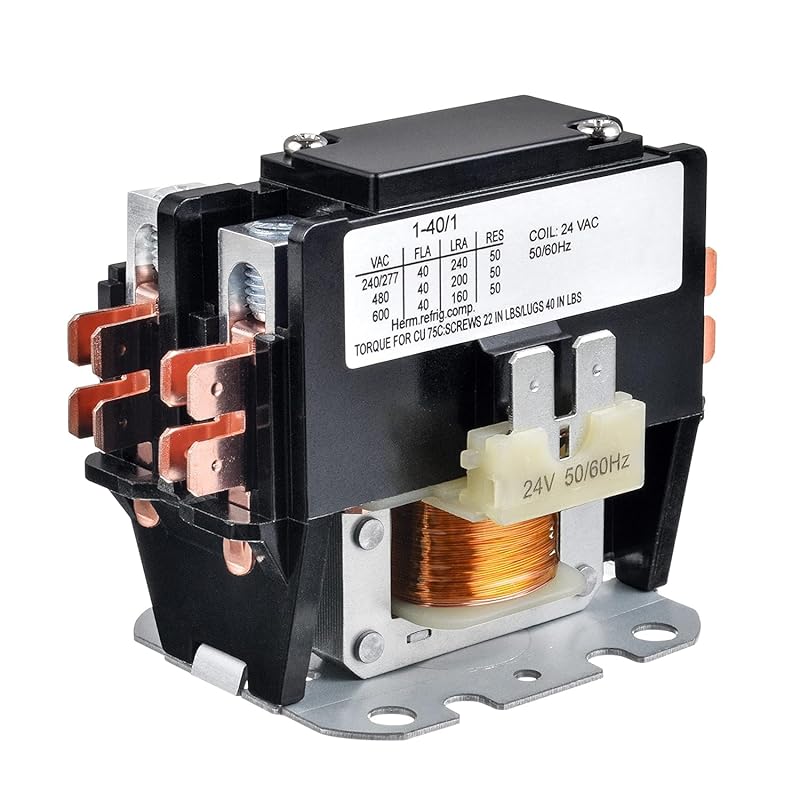
- Capacitor and contactor inspection
- Electrical connection tightening
- Thermostat calibration
- Airflow measurement across the evaporator
- Condensate drain clearing
For a printable seasonal checklist, see our seasonal air conditioning maintenance tips. If you notice warm air from vents between visits, our troubleshoot AC blowing warm air guide walks through common causes.
Financing and Rebates: Make It Affordable
High upfront costs shouldn’t stop you from going green and comfortable. Multiple ways exist to lower the net expense:
Utility Company Rebates
Many power providers offer cash-back incentives for upgrading to high-efficiency HVAC systems. Examples:
- PG&E (California): Up to $400 for qualifying Carrier models
- Con Edison (NY): $300–$500 rebate
- Duke Energy (NC): $250 credit
Check your local utility website or ask your installer about available programs.
Manufacturer Financing
Carrier offers interest-free financing through CareCredit or third-party lenders. Some promotions let you pay nothing for 12 months. Just ensure you qualify before signing.
Tax Credits and Deductions
The federal tax code allows deductions for certain energy-efficient home improvements. Though specific credits expired in 2022, the Inflation Reduction Act (IRA) of 2022 reinstated and expanded tax credits for qualified energy efficiency improvements through 2032. For 2026, homeowners can claim up to $600 for a qualifying central air conditioner that meets the Consortium for Energy Efficiency (CEE) highest tier (typically SEER2 ≥ 15.2 for split systems). Some states also provide property tax exemptions or additional rebates for ENERGY STAR appliances. Consult a tax professional or visit the IRS energy efficiency home credit page for current details.
Comparing 2 Ton Carrier vs. Competitors
You might wonder: Is Carrier worth the premium? Let’s compare.
Trane vs. Carrier
Both brands share roots in American Standard but now operate separately. Trane focuses on commercial systems; Carrier dominates residential markets. Carrier generally scores slightly higher in consumer satisfaction surveys and offers more user-friendly smart features.
Lennox vs. Carrier
Lennox uses proprietary technology like Precise Comfort® but often charges 10–15% more. Carrier delivers comparable comfort at a more accessible price point without sacrificing reliability.
Generic Brands (e.g., Frigidaire, GE)
These often lack true inverter tech and carry shorter warranties. While cheaper upfront ($600–$900), they frequently fail within 5 years and consume more energy.
In short: spending $200 more on a Carrier may save you $500+ over five years through efficiency and longevity.
Expanded Comparison Table
| Brand | Typical 2-Ton Price (Unit Only) | SEER2 Range | Compressor Warranty | Smart Features |
|---|---|---|---|---|
| Carrier | $800–$1,600 | 13.4–17.5 | 10-year | Wi-Fi, Infinity® System |
| Trane | $900–$1,700 | 13.4–17.0 | 10-year | Nexia™ compatible |
| Lennox | $1,000–$1,800 | 14.0–18.0 | 10-year | iComfort® |
| Rheem | $750–$1,400 | 13.4–16.5 | 10-year | EcoNet® |
| Goodman | $600–$1,100 | 13.4–15.5 | 10-year | ComfortBridge™ |
*Price ranges are approximate 2026 retail; always get local quotes.
For a broader look at top residential systems, see our roundup of the best HVAC air conditioning systems for residential use.
Real-World Example: A Family’s 2 Ton Carrier Experience
Take the Johnsons from Austin, Texas. They replaced their aging 3-ton window-unit hybrid with a 2-ton Carrier 24VNA9. Their 1,100 sq ft home felt cooler faster, and their July electric bill dropped from $420 to $290.
“We paid $1,550 for the unit and $1,100 for installation,” said Mrs. Johnson. “But we got a $350 rebate and used CareCredit interest-free for 12 months. Within six months, we saved enough on electricity to cover half the total cost.”
They also installed smart thermostats and sealed duct leaks—small steps that amplified savings.
Tips for Maximizing Value
Want the most bang for your buck? Try these strategies:
- Size Correctly: Oversized units cool too quickly, short cycle, and waste energy. Use a Manual J load calculation.
- Insulate Ducts: Uninsulated ducts lose 20–30% of cooled air. Wrap them in insulation foam.
- Use Ceiling Fans: They create wind chill, letting you raise the thermostat by 4°F without sacrificing comfort.
- Seal Windows/Doors: Gaps let conditioned air escape. Weatherstripping costs under $50 but pays for itself fast.
- Schedule Smart Scheduling: Programmable or smart thermostats reduce runtime when no one’s home.
For optimal thermostat settings that balance comfort and savings, review our guide on the best air conditioning settings for energy efficiency.
Final Checklist Before You Buy
Before signing a contract, verify each item:
- Manual J load calculation performed by the installer
- SEER2 rating confirmed for the exact model
- Refrigerant type (R-32 preferred for lower GWP)
- Installer is Carrier factory-authorized (ask for certification number)
- Written quote includes unit, labor, permit, disposal, and startup
- Warranty registration process explained (often dealer registers for you)
- Rebate applications identified and deadlines noted
- Financing terms reviewed (0% APR period, deferred interest clauses)
Conclusion: Is the Cost Worth It?
Investing in a 2-ton Carrier air conditioner is more than buying an appliance—it’s choosing comfort, efficiency, and long-term savings. Yes, the total cost starts around $2,300–$2,800 including installation, but smart choices can bring that down significantly through rebates, financing, and energy savings.
Carrier’s reputation for quality means fewer breakdowns, longer life, and better resale value if you ever upgrade. Plus, their commitment to innovation ensures your system stays cutting-edge for years.
Whether you’re cooling a cozy suburban home or a compact office space, a properly sized, professionally installed 2-ton Carrier unit delivers reliable performance and quiet operation. And with annual maintenance and mindful usage, your investment continues to pay dividends long after installation day.
Ready to move forward? Request a free quote from a Carrier certified dealer today.
Frequently Asked Questions
Is a 2-ton air conditioner right for my home?
A 2-ton unit is suitable for homes between 900 and 1,500 square feet. For accurate sizing, consult an HVAC professional who will perform a Manual J load calculation.
How often should I replace my air filter?
Replace flat filters every 30 days and pleated filters every 90 days, especially during peak cooling season. Dirty filters reduce airflow and increase energy use.
What’s the difference between a 13 SEER and 20 SEER unit?
A 20 SEER unit is significantly more efficient, using up to 30% less electricity than a 13 SEER model under typical usage conditions.
Can I get tax credits for buying a Carrier AC?
Federal tax credits expired in 2022, but some state programs still offer rebates or property tax exemptions for ENERGY STAR-certified systems.
Should I repair or replace my old AC?
If your unit is over 10 years old, has frequent repairs, or uses outdated refrigerant, replacement with a modern Carrier model will save money in the long run.
Does Carrier offer financing options?
Yes, Carrier partners with CareCredit and other lenders to provide interest-free financing plans for qualified customers.
What is SEER2 and how does it differ from SEER?
SEER2 is the updated efficiency metric effective since 2023, using a tougher test procedure. A SEER2 rating is about 4–5% lower than the old SEER for the same equipment. Always compare SEER2 to SEER2 when shopping 2026 models.
How do I know if my installer is Carrier factory-authorized?
Ask for their Carrier dealer certification number and verify it on Carrier’s official dealer locator. Authorized dealers can register the warranty on your behalf at startup.
What refrigerant do 2026 Carrier 2-ton units use?
Most current Carrier 2-ton residential units use R-32 refrigerant, which has a lower global warming potential than the older R-410A. Confirm with your dealer for the specific model.
Can a 2-ton Carrier AC work with a smart thermostat?
Yes, all current Carrier communicating systems (Infinity® series) work with Carrier’s own smart thermostats and many third-party models like ecobee and Nest via an adapter. Non-communicating models can use any 24V smart thermostat.