Cleaning AC Compressor: The Ultimate Guide to Maintain Efficiency
Cleaning AC Compressor – A Step-by-Step Guide
Is your air conditioning system not working optimally? One common issue that could be affecting its performance is a dirty AC compressor. Over time, dust, dirt, and debris can accumulate on the compressor coil, hindering its ability to cool the air efficiently. Cleaning the AC compressor is a simple yet crucial maintenance task that can improve the overall performance and lifespan of your cooling system.
Why is cleaning AC coils important?
The coils in your AC system play a vital role in the cooling process. Keeping them clean is essential to ensure the long-term health of your air conditioning system. Dirty coils can lead to reduced cooling efficiency, increased energy consumption, and even compressor failure. Regularly cleaning the AC compressor coils can help maintain proper airflow, improve energy efficiency, and prevent costly repairs.
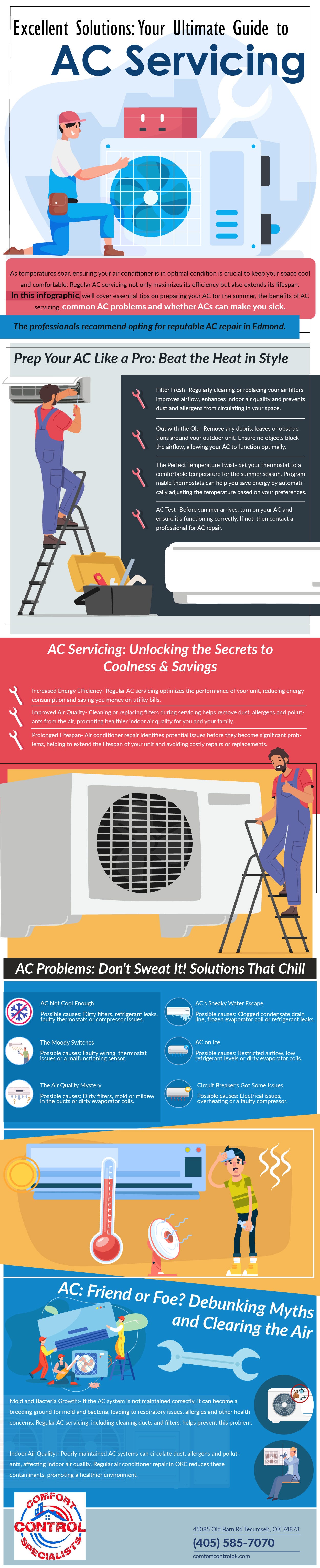
Technician using coil cleaner on outdoor unit
Credit: medium.com
How to clean an AC compressor
Before you begin cleaning your AC compressor, it's essential to gather the necessary tools and materials. Here's a step-by-step guide to help you clean your AC compressor effectively:
Safety Precautions
Always wear safety glasses and gloves when handling coil cleaner. Ensure the work area is well‑ventilated and keep children and pets away from the unit while you work.
Tools and Materials
You will need a garden hose with a gentle spray nozzle, a soft‑bristle brush, a non‑acidic/non‑alkaline coil cleaner, a fin comb (optional), and a screwdriver for any panel removal.
Step 1: Disconnect The Power
Prior to starting any maintenance work, always turn off the power supply to your air conditioning unit. This step is crucial to avoid any potential accidents or electrical hazards.
Step 2: Remove Debris From The Exterior
Begin by removing any debris, leaves, or twigs that might have accumulated around the exterior unit. Use a brush or broom to gently sweep away the dirt.
Step 3: Spray Water On The Unit
Using a garden hose, spray water on the exterior of the AC compressor unit. This will help loosen any stubborn dirt or grime that has built up on the surface. Avoid using high-pressure water as it may cause damage to the unit.
Step 4: Clean The Coils
Apply a non-acidic and non-alkaline coil cleaner to the coils. These cleaners are specifically designed to remove dirt and debris without causing any harm to the coils. Follow the instructions on the cleaner's packaging and gently brush the coils to remove any dirt or residue.
Step 5: Rinse Off The Cleaner
Once you have thoroughly cleaned the coils, rinse off the cleaner using the garden hose. Ensure that all the cleaning solution is removed from the coils.
Step 6: Reassemble And Restore Power
After completing the cleaning process, reassemble any components that you may have removed and restore power to your air conditioning unit. It is essential to follow the manufacturer's instructions and ensure that all connections are secure.
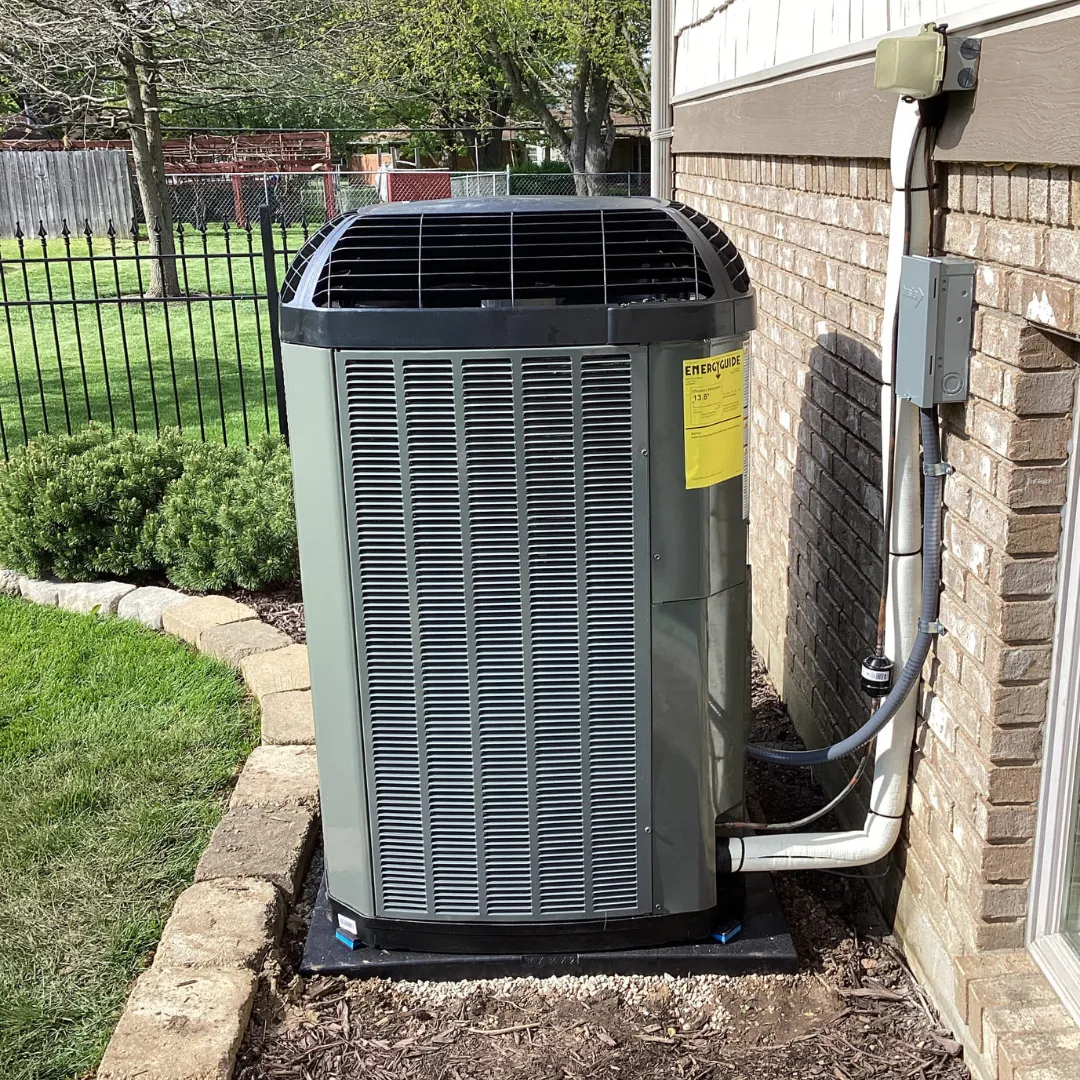
Schematic of split‑system compressor and condenser
Credit: www.logan-inc.com
When to seek professional help
Cleaning the AC compressor coils is a relatively straightforward task. However, if you are not comfortable performing maintenance on your air conditioning unit or if you encounter any issues, it is best to seek professional help. HVAC technicians have the experience and knowledge to safely clean and maintain your AC compressor, ensuring optimal performance and longevity of your cooling system.
https://www.youtube.com/watch?v=k7PSzi7NSyc
DIY vs. Professional Cleaning Comparison
| Aspect | DIY Cleaning | Professional Service |
|---|---|---|
| Cost | Low (cleaner + tools) | Higher (labor + expertise) |
| Time | 1–2 hours | 30–60 minutes |
| Risk of Damage | Moderate if improper technique | Low (trained techs) |
| Thoroughness | Good for surface dirt | Deep clean + system check |
| Warranty Impact | None if done correctly | Often required to keep warranty valid |
If you notice refrigerant leaks, bent fins, or electrical issues during cleaning, stop and call a certified HVAC contractor.
Frequently Asked Questions On Cleaning Ac Compressor: The Ultimate Guide To Maintain Efficiency
Does Cleaning Ac Coils Really Help?
Cleaning AC coils does help. It ensures the long-term health of your AC system by maintaining efficient cooling. Professional cleaning is the best option.
How Do You Clean Dust Out Of An Ac Compressor?
To clean dust out of an AC compressor, use a garden hose monthly to remove debris. Annual cleaning with a non-acidic cleaner is also recommended.
Can I Spray My Outside Ac Unit With Water While Running?
Yes, you can spray your outside AC unit with water while running for cleaning purposes safely.
Can Ac Compressor Be Washed With Water?
It is not recommended to wash the AC compressor with water. It can cause damage to the electrical components and reduce the efficiency of the unit. Instead, use a non-acidic, non-alkaline cleaner to safely clean the compressor coils. Regular maintenance is essential to ensure optimal performance.
More Common Questions
How often should I clean the compressor coils?
At minimum once per year, ideally before the cooling season begins. In dusty environments, a quarterly rinse helps maintain airflow.
What are signs my compressor needs cleaning?
Reduced cooling, higher electricity bills, unusual noises, or the unit cycling on/off frequently.
Can I use a pressure washer?
No. High‑pressure water can bend fins and damage the fan motor. Use a gentle garden‑hose spray only.
Does cleaning improve SEER rating?
Cleaning restores the unit to its rated efficiency; it does not increase the SEER number but prevents degradation.
Should I cover the outdoor unit in winter?
A breathable cover protects against debris while allowing moisture to escape; avoid plastic tarps that trap condensation.
Conclusion
Cleaning the AC compressor coils is a crucial maintenance task to ensure the efficient operation of your air conditioning system. By following the step-by-step guide outlined above, you can keep your compressor clean and prevent any potential issues that could lead to costly repairs. Remember, regular maintenance is key to extending the lifespan of your AC system and enjoying cool comfort during the summer months.
Ready to keep your system running efficiently? Schedule a professional tune‑up today.
Additional Resources
- For a complete seasonal upkeep checklist, see our seasonal upkeep checklist.
- If you suspect condenser problems, review the condenser fault diagnosis guide.
- Need help diagnosing condenser issues? The condenser issue guide walks through common symptoms.
- Planning a new outdoor unit install? Check the outdoor unit setup instructions.
- Choosing the right system for your home? Our selecting a home AC article compares options.
- Want to lower energy bills? Explore energy‑saving thermostat settings.
Authoritative References
- U.S. Department of Energy guidance on air‑conditioner maintenance: energy.gov/energysaver/air-conditioning
- EPA indoor air quality recommendations for AC upkeep: epa.gov/indoor-air-quality-iaq/air-conditioner-maintenance