A carry air conditioner is a portable cooling device designed for personal or small-space use, offering flexibility and convenience without permanent installation. These units are ideal for renters, travelers, or anyone needing spot cooling in bedrooms, offices, or RVs.
Key Takeaways
- Portability: Carry air conditioners are lightweight and often come with handles or wheels, making them easy to move from room to room.
- No Permanent Installation: Unlike window or central AC units, these require minimal setup—usually just a power outlet and sometimes a vent hose.
- Energy Efficiency: Many models are designed to cool small areas efficiently, using less energy than traditional air conditioners.
- Multi-Functionality: Most carry air conditioners also function as fans and dehumidifiers, providing year-round comfort.
- Ideal for Renters: Since they don’t require drilling or structural changes, they’re perfect for apartments or leased spaces.
- Quiet Operation: Modern units operate quietly, making them suitable for bedrooms, offices, or study areas.
- Affordable Cooling Solution: They offer a cost-effective alternative to installing a full HVAC system, especially for temporary or supplemental cooling needs.
📑 Table of Contents
What Is a Carry Air Conditioner?
A carry air conditioner is a compact, portable cooling device that you can easily move from one room to another. Unlike traditional air conditioning systems that are fixed in place—like window units or central air—these devices are designed for mobility and convenience. They’re perfect for people who want to cool a specific area without the hassle of installation or the expense of cooling an entire home.
These units are often small enough to fit on a table, floor, or countertop and typically weigh between 15 to 50 pounds. Many come with built-in handles, wheels, or both, making them simple to transport. Whether you’re working from home, sleeping in a stuffy bedroom, or relaxing in a home office, a carry air conditioner can deliver instant relief from the heat.
One of the biggest advantages of a carry air conditioner is its versatility. You can use it in different rooms depending on where you spend the most time. For example, you might use it in your bedroom at night and move it to the living room during the day. This flexibility makes it a smart choice for people who don’t want to invest in multiple cooling systems.
How Does a Carry Air Conditioner Work?
Carry air conditioners work similarly to larger AC units but on a smaller scale. Most use a refrigeration cycle to cool the air. Here’s a simple breakdown of how they function:
First, the unit pulls in warm air from the room through a vent. This air passes over cold evaporator coils inside the machine. As the warm air touches the cold coils, heat is absorbed, and the air cools down. The cooled air is then blown back into the room by a fan.
Meanwhile, the heat absorbed by the coils is transferred to a refrigerant gas. This gas is compressed and moved to a condenser, where it releases the heat outside—usually through a vent hose that leads out a window or door. The refrigerant then cools down and returns to the evaporator to repeat the cycle.
Some carry air conditioners also include a dehumidifier function. As warm, moist air passes over the cold coils, moisture condenses and collects in a built-in tank. This not only cools the air but also reduces humidity, making the room feel more comfortable.
It’s important to note that most carry air conditioners require ventilation. This means you’ll need to place a vent hose through a window, door, or wall to expel the hot air. However, many models come with window kits that make this process quick and easy.
Types of Carry Air Conditioners
Not all carry air conditioners are the same. There are several types available, each with its own features and benefits. Understanding the differences can help you choose the right one for your needs.
The most common type is the **single-hose portable air conditioner**. These units use one hose to vent hot air outside. They’re affordable and easy to set up, but they can slightly reduce indoor air pressure, which may draw in warm air from other parts of the house.
A more efficient option is the **dual-hose portable air conditioner**. These models have two hoses: one to bring in outside air for cooling the condenser and another to expel hot air. This design improves efficiency and cooling power, making it better for larger rooms or hotter climates.
Another popular type is the **evaporative cooler**, also known as a swamp cooler. These don’t use refrigerant or vent hoses. Instead, they cool the air by evaporating water. They’re energy-efficient and eco-friendly but work best in dry climates. In humid areas, they may not provide enough cooling.
Some carry air conditioners are **personal air coolers**—small, battery-powered devices that sit on a desk or nightstand. These are great for spot cooling but aren’t meant to cool an entire room. They’re perfect for office desks, bedside tables, or camping trips.
Finally, there are **smart portable air conditioners** that connect to Wi-Fi. You can control them with a smartphone app, set schedules, or use voice commands with Alexa or Google Assistant. These models often include advanced features like air purification, sleep mode, and energy monitoring.
Benefits of Using a Carry Air Conditioner
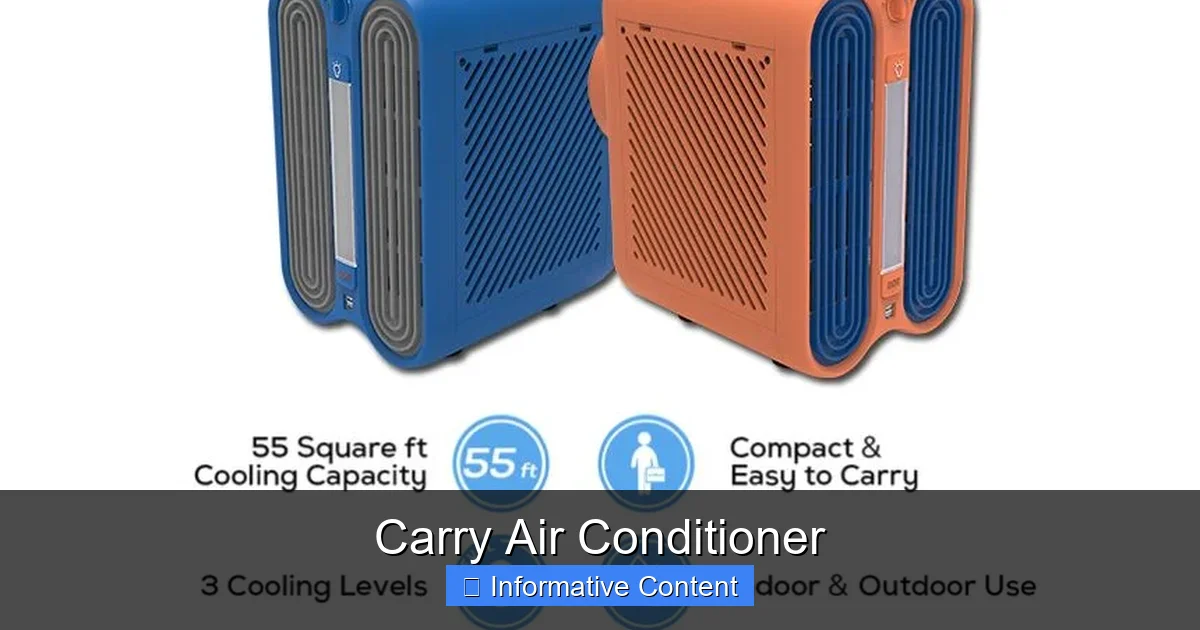
Visual guide about Carry Air Conditioner
Image source: i.pinimg.com
There are many reasons why a carry air conditioner might be the right choice for you. Let’s explore the key benefits that make these devices so popular.
Portability and Convenience
The biggest advantage of a carry air conditioner is its portability. You can move it wherever you need cooling most. Whether you’re working in a home office, relaxing in the living room, or sleeping in a hot bedroom, you can take your AC with you.
Most models are lightweight and come with wheels or handles. Some even have a compact design that fits under a desk or in a corner. This makes them ideal for small spaces like apartments, dorm rooms, or RVs.
Unlike window units, which are stuck in one place, a carry air conditioner gives you freedom. You’re not tied to a specific window or room. This is especially helpful if you live in a multi-story home or frequently rearrange your furniture.
No Installation Hassle
Installing a traditional air conditioner can be a major project. Window units require drilling, sealing, and sometimes professional help. Central air systems involve ductwork, permits, and high costs.
With a carry air conditioner, setup is simple. Most models just need to be plugged into a standard outlet. If ventilation is required, you can use a window kit that slides into a window or door gap. No tools, no permanent changes, no stress.
This makes carry air conditioners perfect for renters. If you’re not allowed to modify your living space, these units are a great alternative. You can enjoy cool air without violating your lease agreement.
Energy Efficiency and Cost Savings
Carry air conditioners are designed to cool small areas efficiently. Because they don’t have to cool an entire house, they use less energy than central air systems. This can lead to lower electricity bills, especially if you only need cooling in one or two rooms.
Many models are ENERGY STAR certified, meaning they meet strict energy efficiency guidelines set by the EPA. These units use advanced compressors, fans, and insulation to maximize performance while minimizing power consumption.
Additionally, you can save money by not having to install a permanent AC system. The upfront cost of a carry air conditioner is typically much lower than that of a window unit or central air. And since you can move it around, you don’t need to buy multiple units for different rooms.
Multi-Functional Use
Most carry air conditioners do more than just cool the air. Many also function as fans and dehumidifiers, giving you year-round comfort.
In the summer, the cooling mode keeps you refreshed. In the spring and fall, you can switch to fan mode to circulate air without cooling. This is great for mild days when you just need a breeze.
The dehumidifier function is especially useful in humid climates. By removing excess moisture from the air, it helps prevent mold, mildew, and musty odors. It also makes the room feel cooler, even if the temperature hasn’t changed.
Some advanced models even include air purifiers with HEPA filters. These can trap dust, pollen, pet dander, and other allergens, improving indoor air quality. This is a big plus for people with allergies or respiratory issues.
Quiet Operation
Nobody wants a noisy air conditioner disrupting their sleep or concentration. Fortunately, many carry air conditioners are designed for quiet operation.
Modern units use advanced fan technology and sound-dampening materials to reduce noise. Some operate as quietly as 40 decibels—about the sound of a whisper. This makes them ideal for bedrooms, offices, or study areas.
Look for models with a “sleep mode” or “quiet mode” that lowers the fan speed at night. This ensures you stay cool without being kept awake by loud humming or clicking.
How to Choose the Right Carry Air Conditioner
With so many options on the market, choosing the right carry air conditioner can feel overwhelming. Here are some key factors to consider before making your purchase.
Room Size and Cooling Capacity
The first thing to consider is the size of the room you want to cool. Carry air conditioners are rated by their cooling capacity, measured in British Thermal Units (BTUs) per hour.
As a general rule:
– 150–250 sq. ft.: 5,000–6,000 BTUs
– 250–350 sq. ft.: 7,000–8,000 BTUs
– 350–500 sq. ft.: 10,000–12,000 BTUs
Choosing a unit with too few BTUs will struggle to cool the space. One with too many BTUs may cycle on and off too quickly, wasting energy and failing to dehumidify properly.
Measure your room and check the manufacturer’s recommendations. If your space gets a lot of sunlight or has high ceilings, you may need a higher BTU rating.
Ventilation Requirements
Most carry air conditioners need to be vented to the outside. This usually involves placing a hose through a window or door. Make sure your living space allows for this.
If you live in an apartment with limited window access, look for models with flexible venting options. Some units can vent through a wall, drop ceiling, or even a dryer vent.
Evaporative coolers don’t require venting, but they only work well in dry climates. If you live in a humid area, a refrigerant-based unit is a better choice.
Energy Efficiency
Check the unit’s Energy Efficiency Ratio (EER) or Combined Energy Efficiency Ratio (CEER). Higher numbers mean better efficiency.
Look for ENERGY STAR certification. These models meet strict standards for energy use and performance. They may also qualify for rebates or tax credits in some areas.
Consider how often you’ll use the unit. If you plan to run it daily, investing in a more efficient model can save you money in the long run.
Noise Level
Check the decibel (dB) rating. Most carry air conditioners range from 40 to 60 dB. Lower numbers mean quieter operation.
If you’re sensitive to noise, look for models with a quiet mode or sleep mode. Reading customer reviews can also give you insight into real-world noise levels.
Additional Features
Modern carry air conditioners come with a variety of features that can enhance comfort and convenience.
Look for:
– **Remote control** – Adjust settings from across the room.
– **Timer function** – Set the unit to turn on or off automatically.
– **Air filter** – Removes dust and allergens (washable filters are best).
– **Dehumidifier mode** – Reduces humidity for added comfort.
– **Smart connectivity** – Control via smartphone app or voice assistant.
– **Self-evaporation** – Reduces the need to empty water tanks.
These features can make a big difference in usability and comfort.
Brand and Warranty
Choose a reputable brand with good customer reviews. Brands like Honeywell, LG, Frigidaire, and Black+Decker are known for reliable portable ACs.
Check the warranty. Most units come with a 1-year limited warranty, but some offer longer coverage. A good warranty can save you money if something goes wrong.
Tips for Using Your Carry Air Conditioner
Once you’ve chosen the right unit, proper use and maintenance will help it perform better and last longer.
Proper Placement
Place your carry air conditioner in a central location, away from heat sources like lamps, TVs, or direct sunlight. Keep it at least 18–24 inches away from walls or furniture to allow proper airflow.
If using a vent hose, make sure it’s as short and straight as possible. Bends and kinks can reduce efficiency.
Regular Maintenance
Clean or replace the air filter every 2–4 weeks during heavy use. A dirty filter restricts airflow and reduces cooling power.
Empty the water tank regularly, especially in humid conditions. Some models have automatic shut-off when the tank is full, but it’s still good to check it daily.
Wipe down the exterior with a damp cloth to remove dust and dirt.
Use a Programmable Timer
Set the timer to turn the unit on 15–30 minutes before you arrive home. This ensures your space is cool when you walk in, without running the AC all day.
You can also set it to turn off after you fall asleep, saving energy and reducing noise.
Supplement with Fans
Use a ceiling or floor fan to help circulate cool air. This allows you to set the AC at a higher temperature while still feeling comfortable.
Fans use much less energy than air conditioners, so this can further reduce your electricity bill.
Close Doors and Windows
Keep doors and windows closed while the AC is running. This prevents warm air from entering and reduces the workload on the unit.
Use curtains or blinds to block sunlight during the hottest part of the day.
Common Misconceptions About Carry Air Conditioners
Despite their popularity, there are some myths and misunderstandings about carry air conditioners. Let’s clear them up.
“They’re Just Fancy Fans”
No, they’re not. While both move air, a carry air conditioner actually cools the air using refrigeration. Fans only circulate existing air, which can make you feel cooler but doesn’t lower the temperature.
“They Use Too Much Electricity”
While they do use electricity, modern models are quite efficient. A 10,000 BTU unit typically uses about 1,000 watts—similar to a microwave. When used wisely, they can be a cost-effective cooling solution.
“They’re Too Loud”
Many newer models are designed for quiet operation. With noise levels as low as 40 dB, they’re quieter than a refrigerator. Check the specs and reviews before buying.
“They Can Cool an Entire House”
Carry air conditioners are best for single rooms or small spaces. Trying to cool a whole house with one unit won’t work well. For whole-house cooling, consider a central air system or multiple portable units.
Conclusion
A carry air conditioner is a smart, flexible, and affordable way to stay cool during hot weather. Whether you’re a renter, a frequent mover, or just need supplemental cooling, these portable units offer convenience without compromise.
They’re easy to set up, energy-efficient, and often multi-functional. With the right model, you can enjoy cool, comfortable air in any room—without the hassle of permanent installation.
When choosing a carry air conditioner, consider your room size, ventilation options, and desired features. Look for energy-efficient models from trusted brands, and don’t forget to maintain it regularly for optimal performance.
In a world where comfort and convenience matter, a carry air conditioner is a practical solution for beating the heat. Stay cool, stay mobile, and enjoy the freedom of portable cooling.
Frequently Asked Questions
How much does a carry air conditioner cost?
Carry air conditioners typically range from $200 to $600, depending on size, features, and brand. Basic models are more affordable, while smart or dual-hose units cost more.
Can I use a carry air conditioner in an RV or camper?
Yes, many carry air conditioners are suitable for RVs and campers, especially compact or low-wattage models. Just ensure your power source can handle the unit’s energy needs.
Do carry air conditioners need to be vented?
Most do, especially refrigerant-based models. They require a vent hose to expel hot air outside. Evaporative coolers don’t need venting but work best in dry climates.
How often should I clean the filter?
Clean the air filter every 2–4 weeks during heavy use. A dirty filter reduces efficiency and can lead to poor air quality.
Can I leave my carry air conditioner on all night?
Yes, most models are safe to run overnight. Use the timer or sleep mode to save energy and reduce noise while you sleep.
Will a carry air conditioner lower my electricity bill?
It can help reduce costs compared to cooling an entire home. By only cooling the room you’re in, you use less energy than a central AC system.